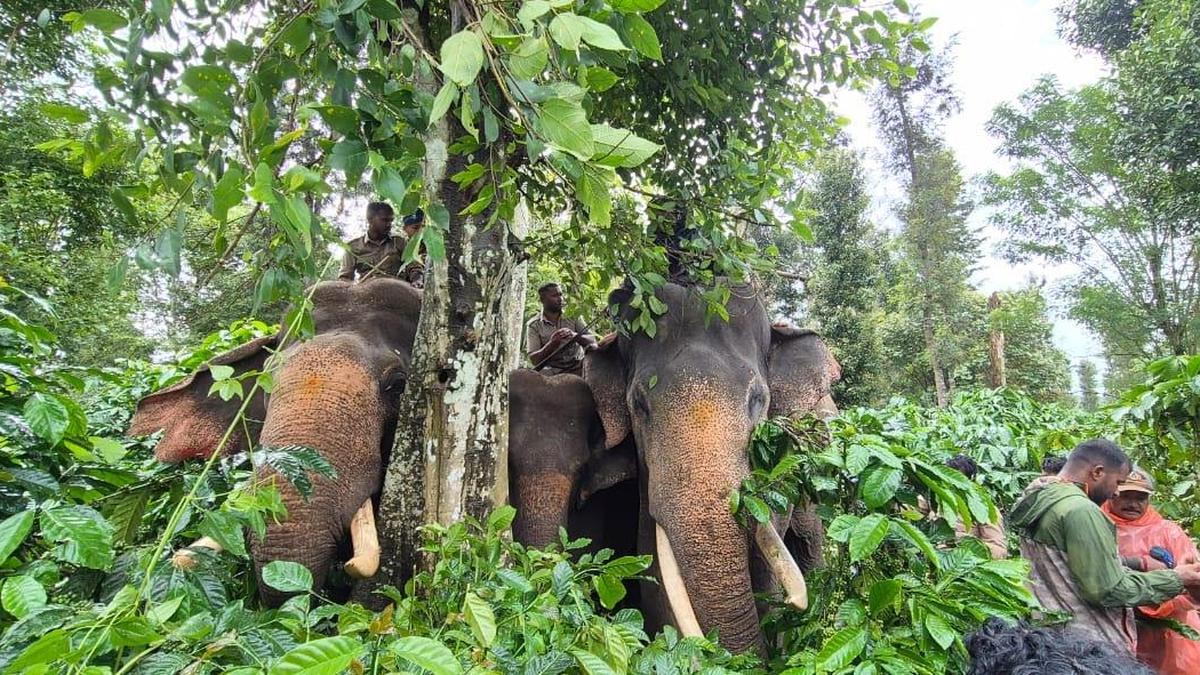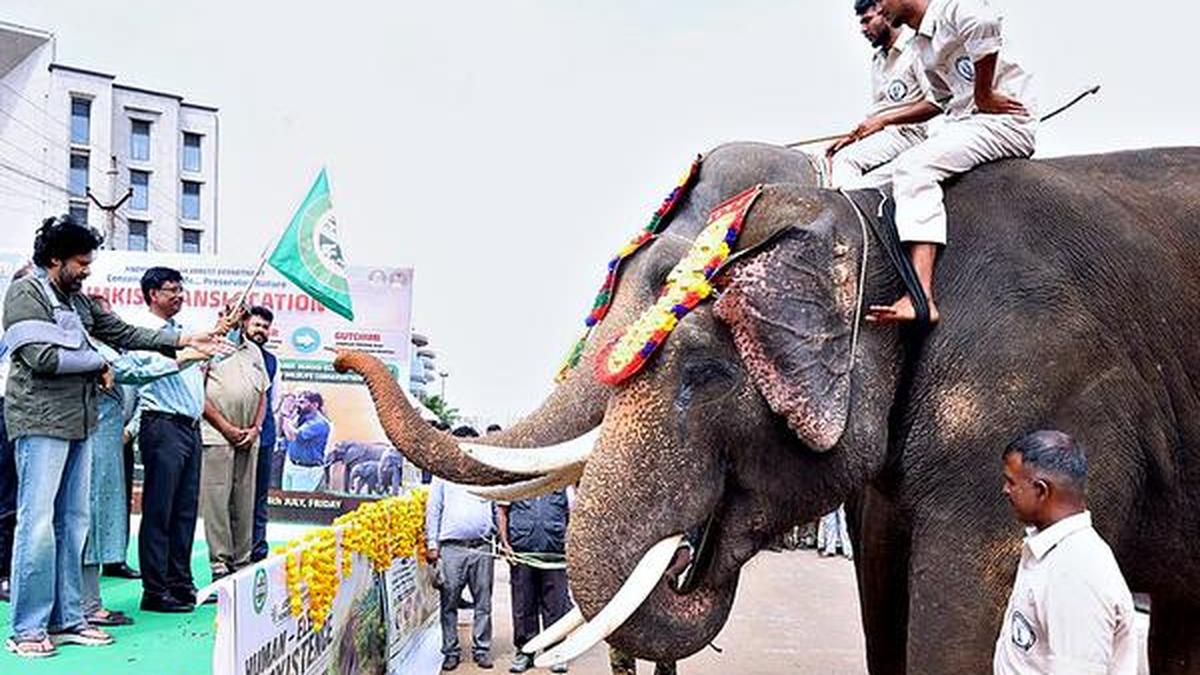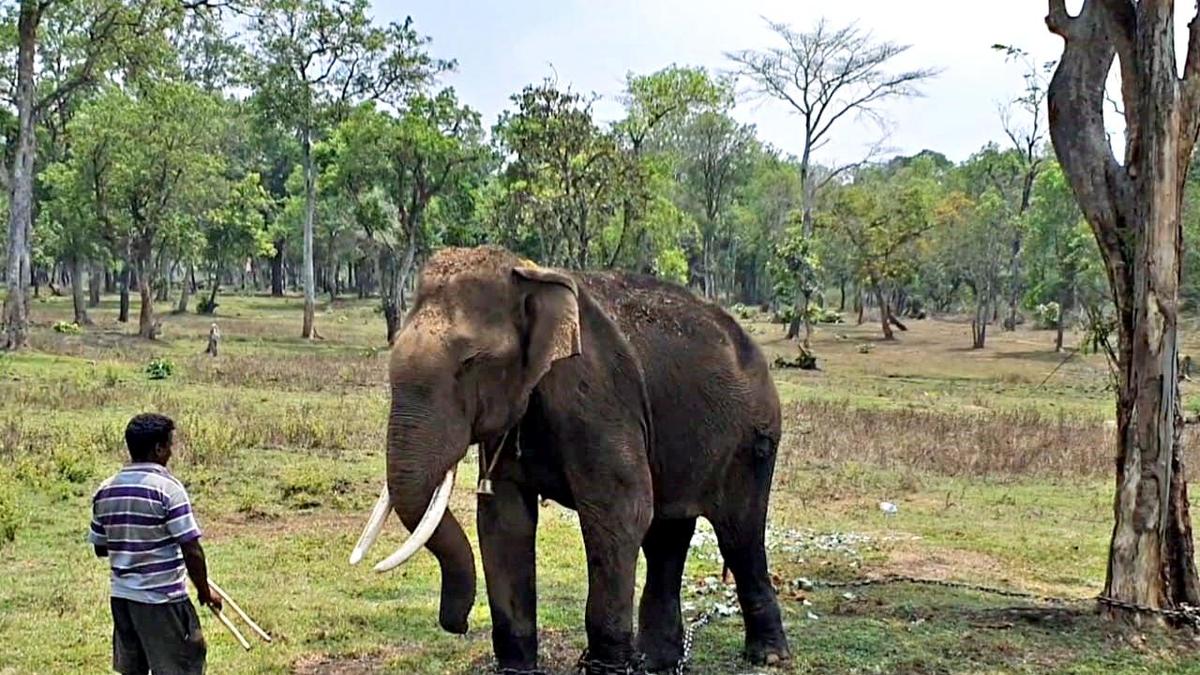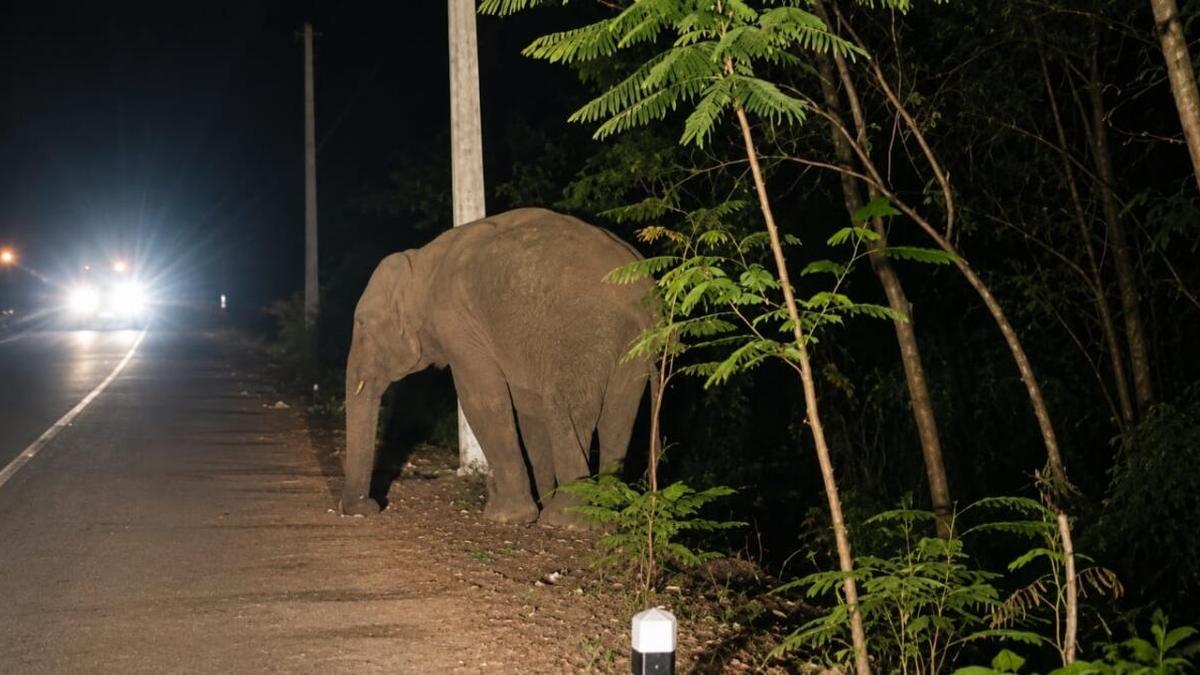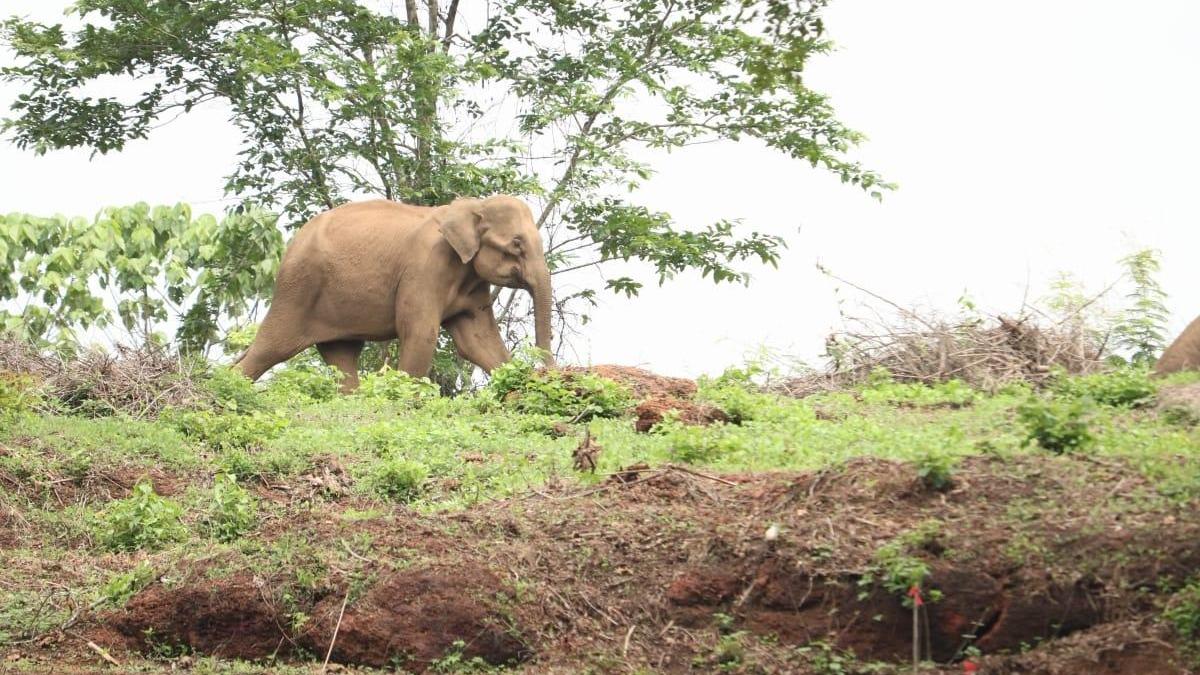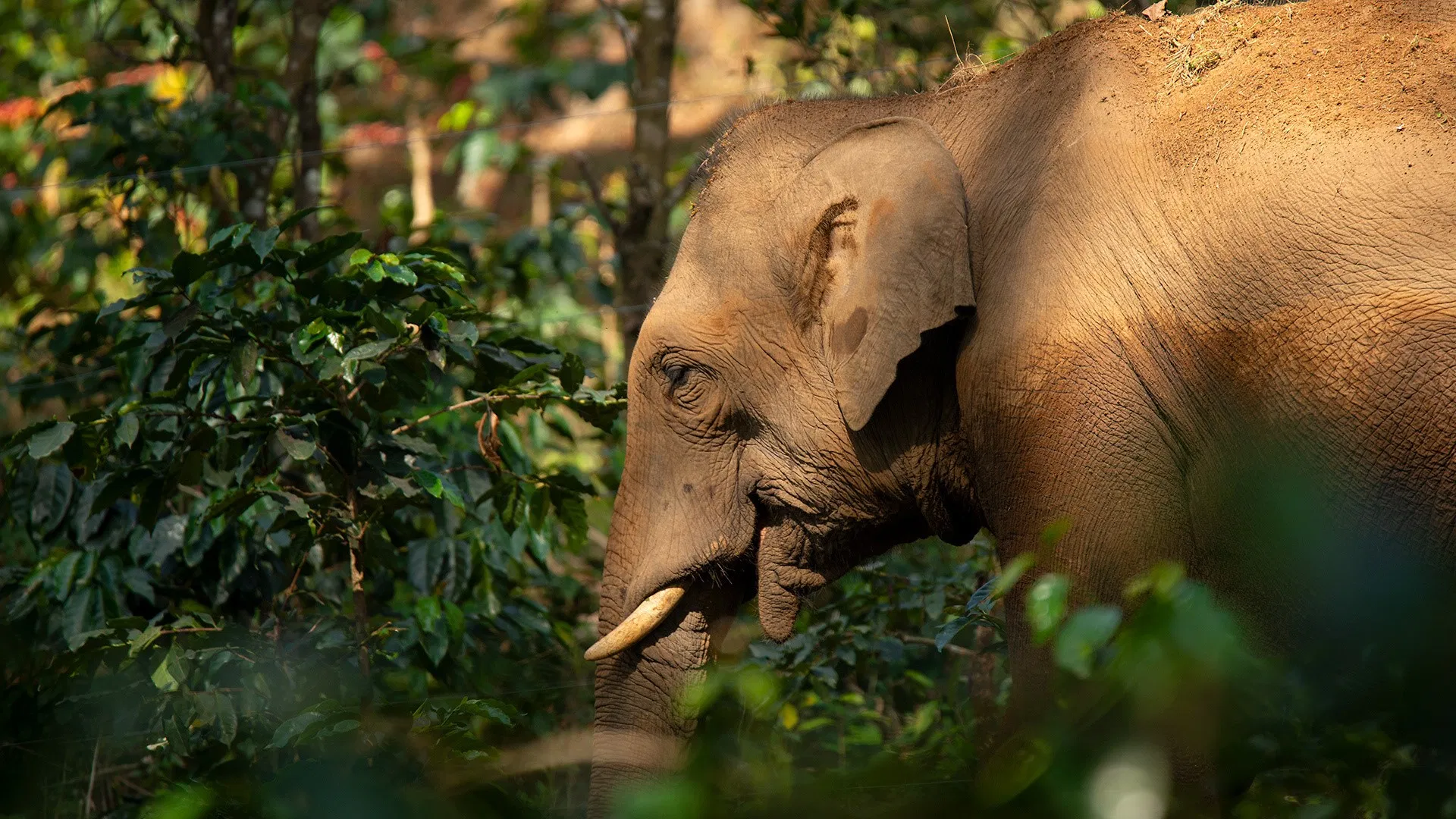
When wild elephants sense danger, they come together. Small family groups merge into larger herds that draw strength from collective vigilance, memory, and coordinated movement. In landscapes shared between people and elephants, where the future of Asian elephants is increasingly tied to human safety, rural livelihoods, and plantation economies, conservation too has had to learn the lesson of collective action.
This is especially true in the coffee-forest mosaics of Karnataka’s Western Ghats, where elephants do not move only through forests. They navigate a lived-in landscape of coffee estates, villages, roads, agricultural fields, forest fragments, monoculture plantations, streams, settlements, and administrative boundaries. In such landscapes, biodiversity conservation cannot succeed solely through ecological insights. When conservation priorities appear to conflict with the safety, livelihoods, and economic security of local communities, resistance is natural. Durable conservation therefore depends on the active participation of the very people whose lives, choices, and use of the landscape shape outcomes on the ground.This creates a complex conservation challenge. Coffee and agriculture are the backbone of the local economy. Thousands of families, estate owners, workers, and small farmers depend on this landscape for income and livelihood security. At the same time, elephants moving through plantations and farmlands can damage crops, disrupt work, create fear, and in tragic cases, cause human deaths during sudden encounters. Each incident of this kind deepens public anger and increases pressure for immediate action, often in the form of the capture and removal of elephants.