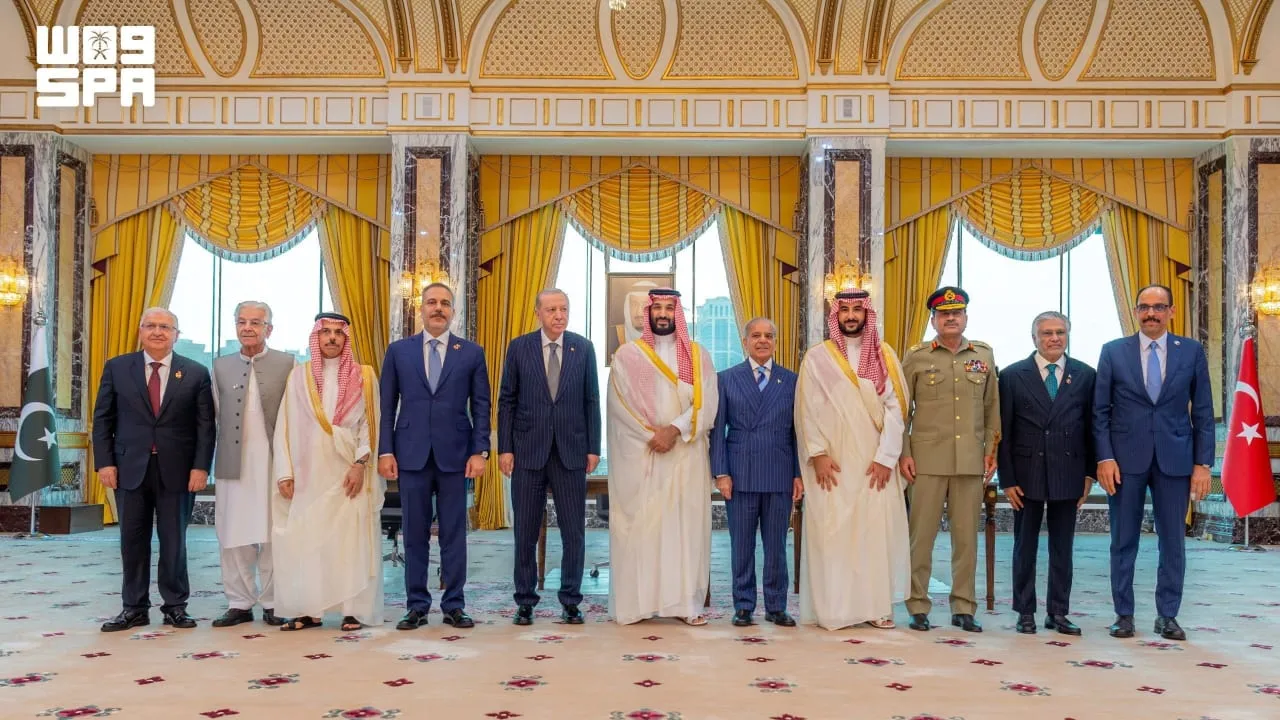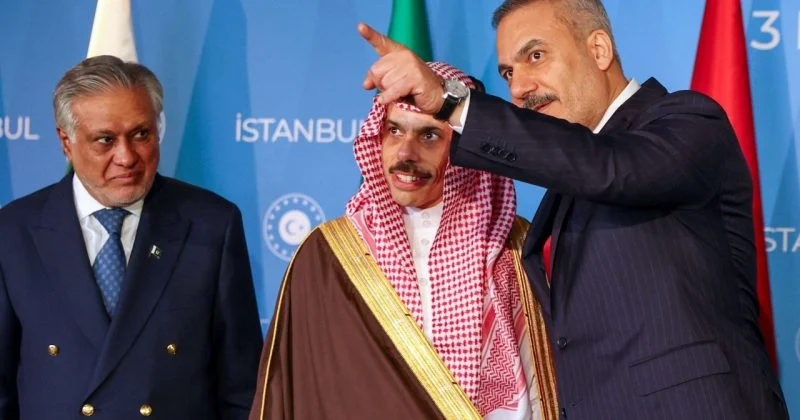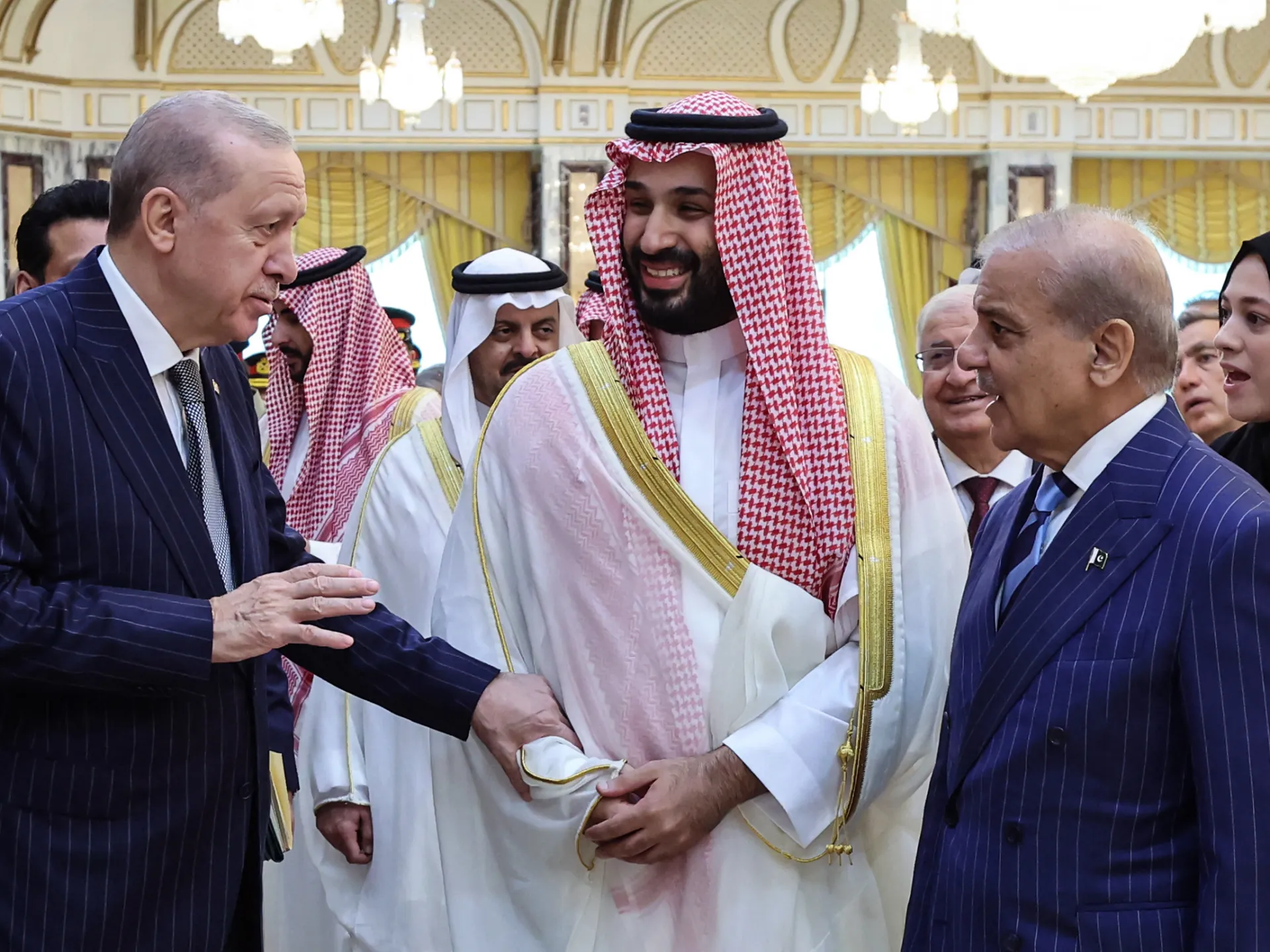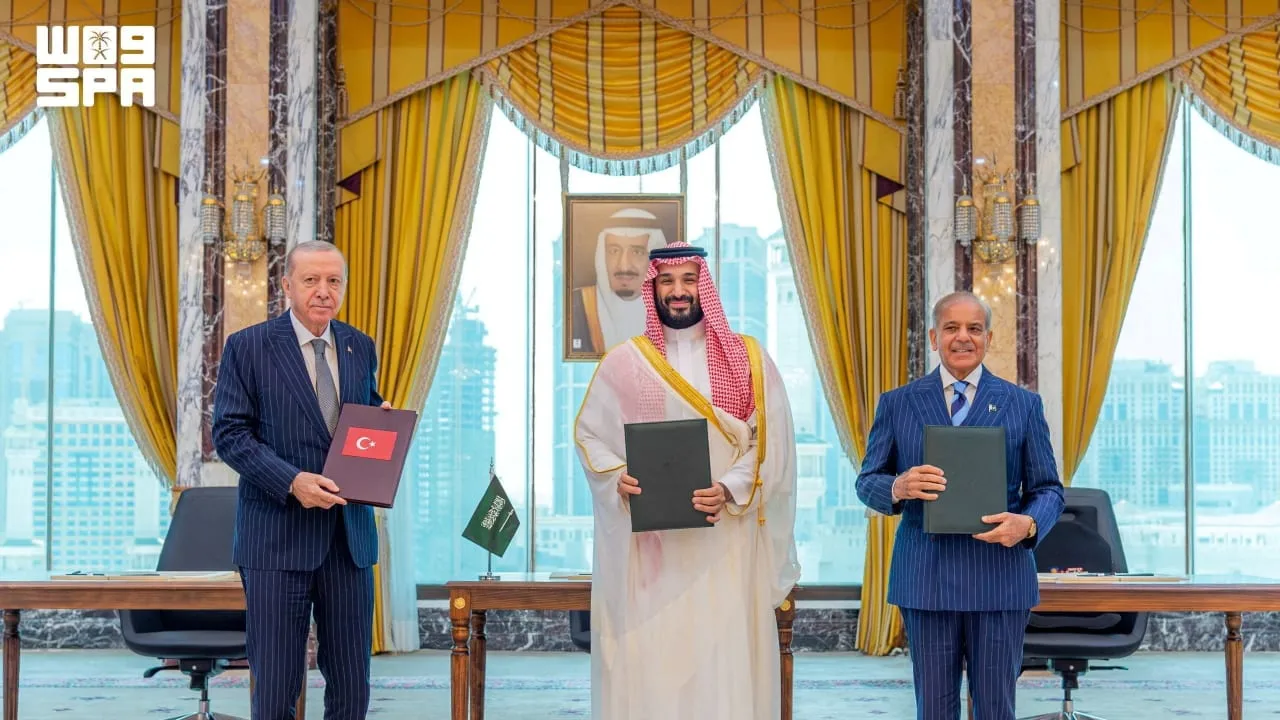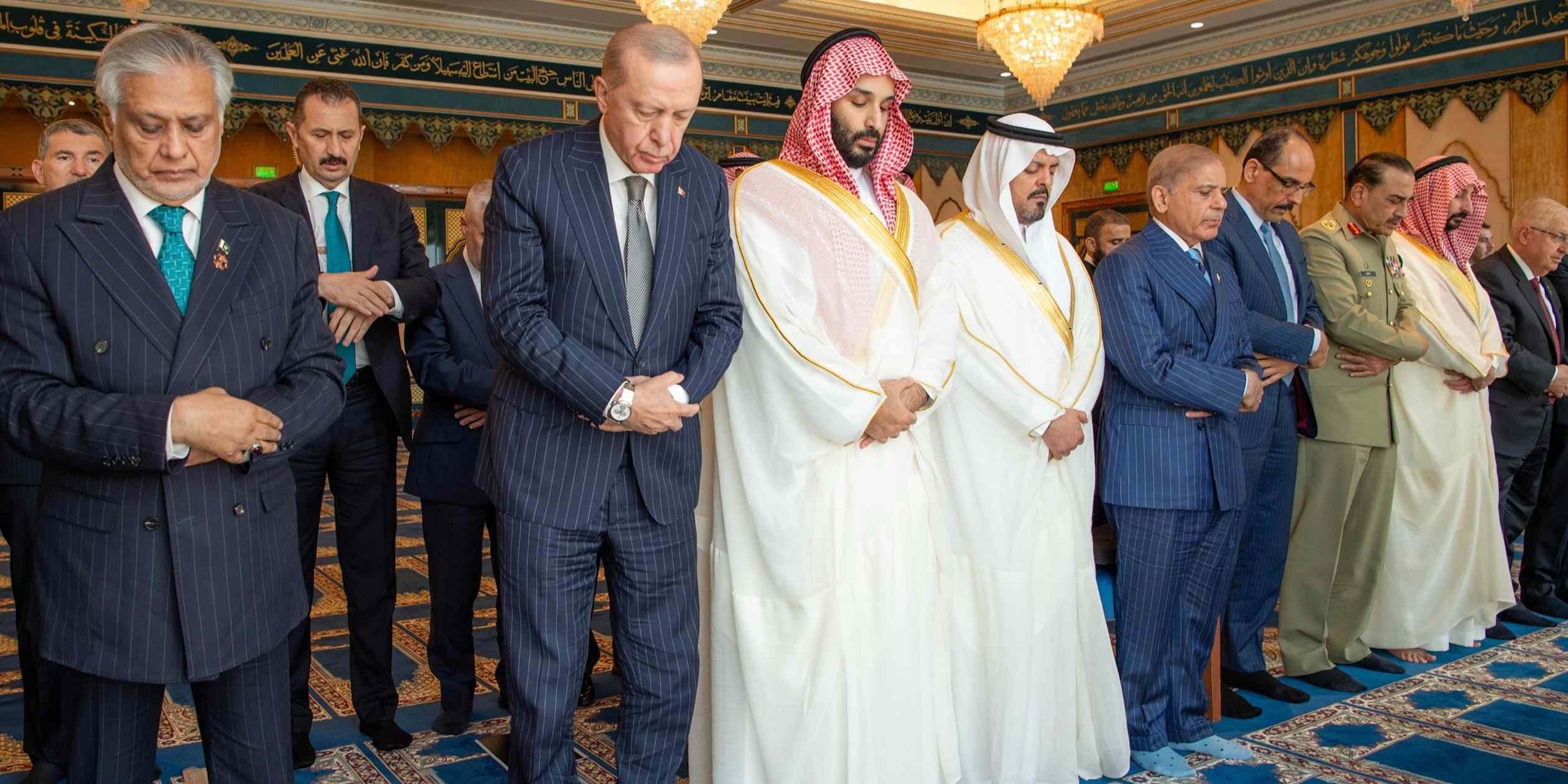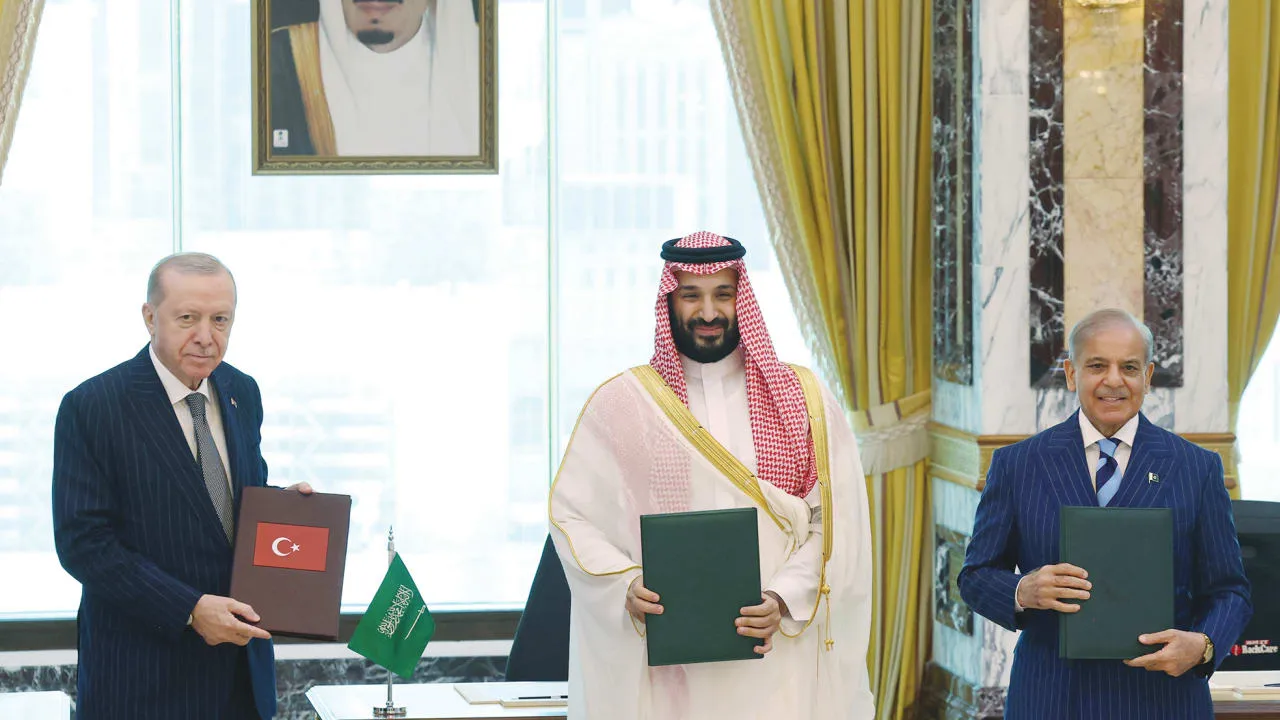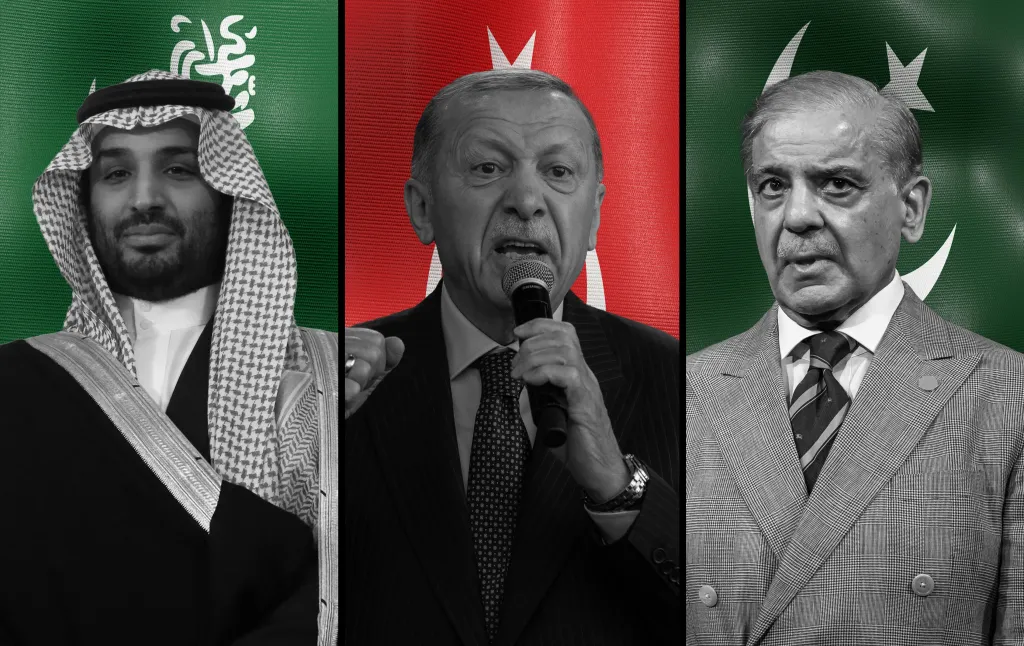
Share to FacebookShare to XArticle printing is available to subscribers onlyPrint in a simple, ad-free formatSubscribeComments: Zen reading is available to subscribers onlyAd-free and in a comfortable reading formatSubscribe08:50 PM • August 14 2026 IDTSaudi Arabia, Turkey and Pakistan are trying to create a regional alliance that's not only military but also political and would dictate a regional agenda. But Egypt, the most obvious candidate to join next, remains on the outside. This is no small matter, showing the new alliance's challenges in becoming a broad strategic framework.In the NewsJD Vance's 'Communion' Gives Readers a Chronicle of Unconvincing ConversionsU.S. Warns Iran of More Economic Pressure as Hormuz Vessel Traffic SlowsNetanyahu Calls U.K. 'Islamic Republic of Britain' in Podcast AppearanceRight-wing Channel 14 Failed to Report Legally Required Election Poll DataShe Counseled Israelis and Palestinians Through War. Here's Her Lesson on HatredRemembering and rebuilding two years laterICYMI50 Years Ago, a Young Israeli Was Crowned the Most Beautiful Woman in the WorldIsrael's Leading Philosopher on Manipulation, Morality and the Future of ZionismWho Is Rebeca Grynspan, the Jewish Frontrunner to Become the Next UN Chief?Phones of Missing Israeli Mother, Daughter Last Traced Near Vienna Train StationIsrael Elections: How to Actually Read the PollsU.S. University to Pay Israeli Scholar Who Lost Job for Calling Gaza a Genocide
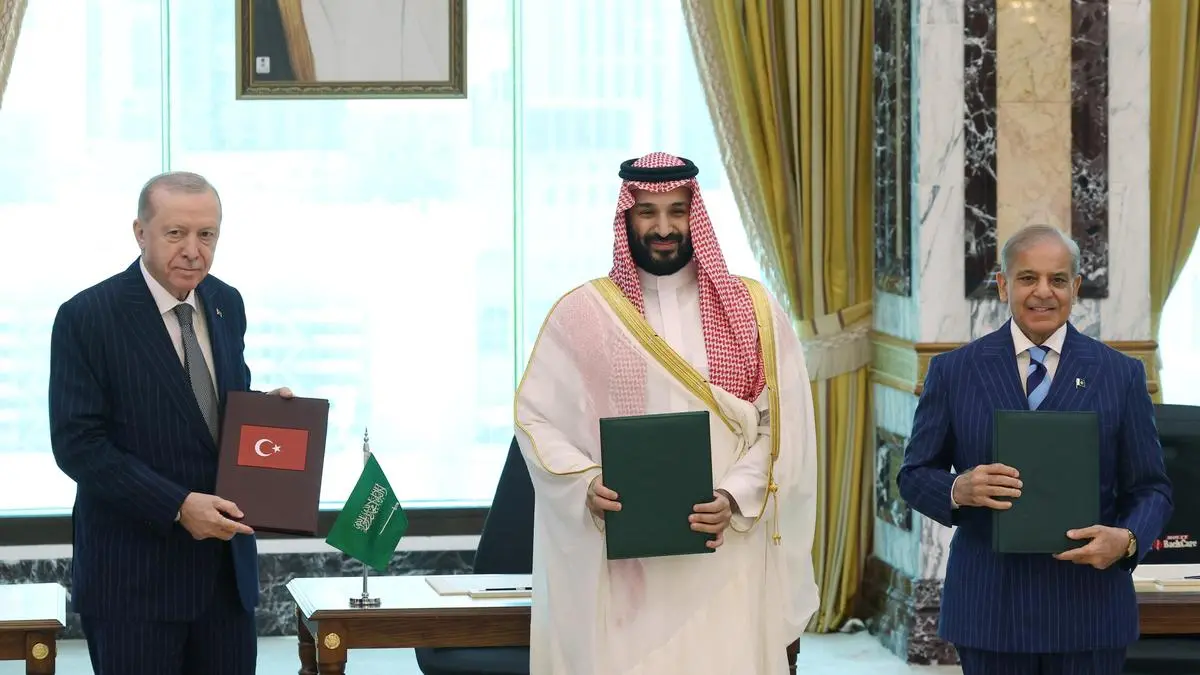
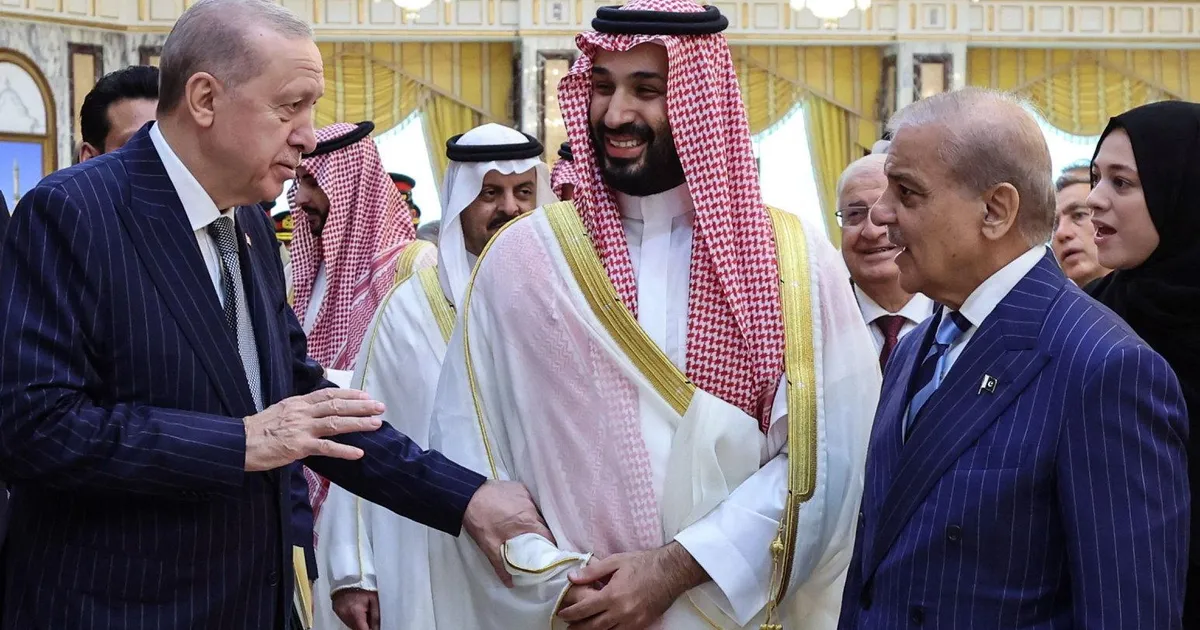
Analysis • Saudi-Turkey-Pakistan bloc may bring Iran closer to a diplomatic deal
Whether or not the alliance expands to Egypt, it might prove adept at setting rules for the Gulf, the Red Sea and the straits of Hormuz and Bab el-Mandeb, taking crisis management out of the Americans' hands
212 words~1 min read