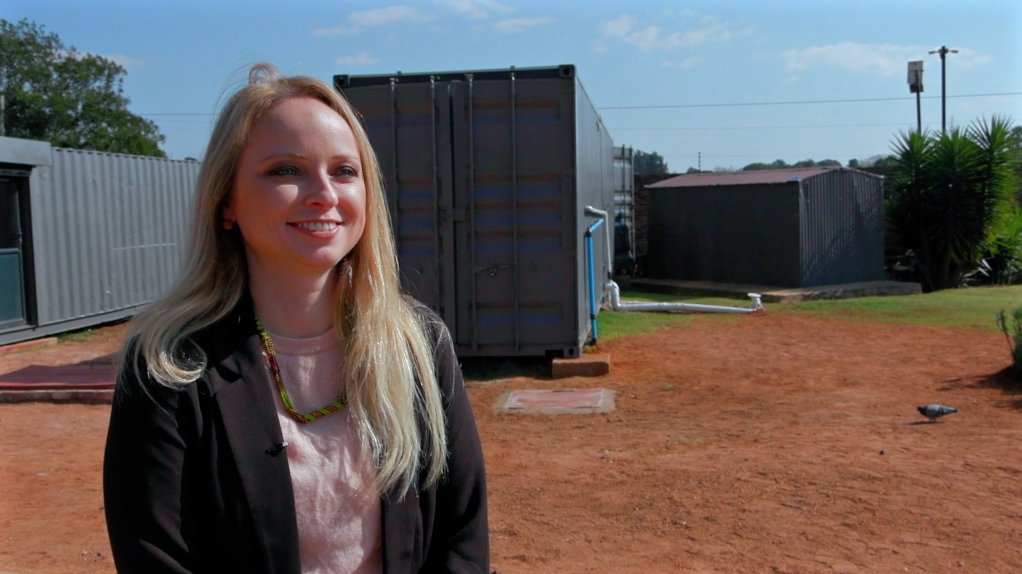
South Africa needs to modernise how it monitors and evaluates wastewater treatment systems if it is to strengthen environmental protection and prepare critical infrastructure for increasing climate pressures, said Vaal University of Technology’s (VUT’s) Dr Kgomotso Mtshatsheni.
Fewer than half of South Africa’s 876 wastewater treatment works had comparable design-capacity use data for both 2013 and 2021. In 2021, 341 wastewater treatment works, representing 38.9%, did not report this information.
Design-capacity use data help authorities determine how much wastewater a facility receives and whether it is operating within the limits for which it was designed, she told delegates at the Second International Conference on Climate Resilient, Smart and Sustainable Futures, hosted by Great Zimbabwe University.
Mtshatsheni, during her presentation on a qualitative analysis of monitoring and evaluation gaps in wastewater treatment systems for environmental sustainability under climate change, unpacked how weaknesses in data collection, monitoring methods, institutional capacity and governance affect South Africa’s ability to manage wastewater sustainably.
The analysis, drawing on academic literature, Green Drop assessments, international standards and reports from organisations including the United Nations Environment Programme, identified four interconnected weaknesses affecting wastewater management: persistent data deficiencies, monitoring approaches that do not adequately account for climate risks, limited institutional and technical capacity and fragmented governance.