Every day, millions of litres of polluted water flow through many South African rivers and disappear into the sea.
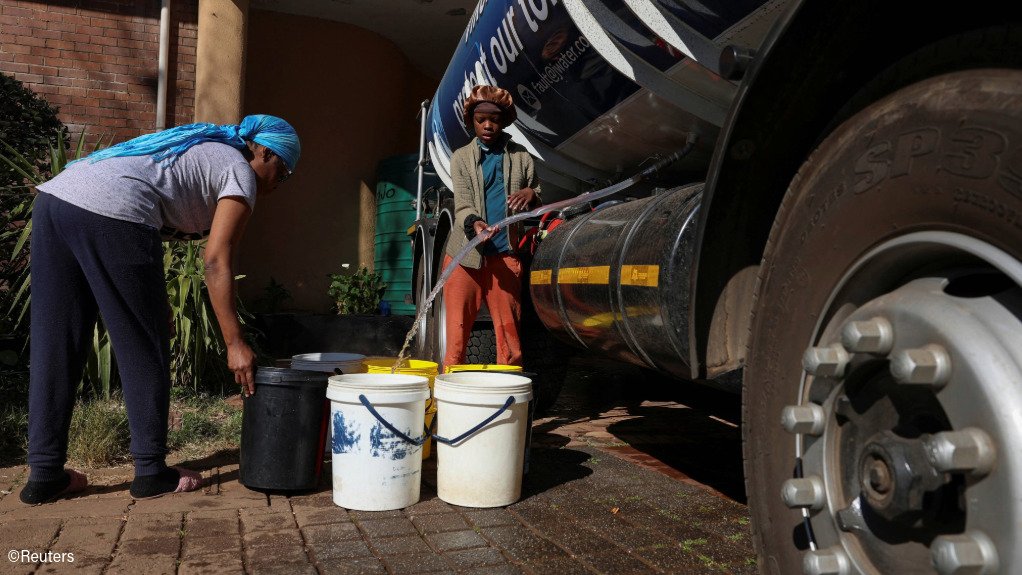
In South Africa, the small Stiebeuel River in Franschhoek, about 75 kilometres east of Cape Town, is badly polluted. Sewage and polluted rainwater run into the river because of inadequate sanitation and drainage systems serving the nearby informal settlement of Langrug. About 26,000 people there live in densely populated housing, where ageing and overstretched infrastructure struggles to cope.
À lire aussi :
How cities can work with nature when droughts take their toll
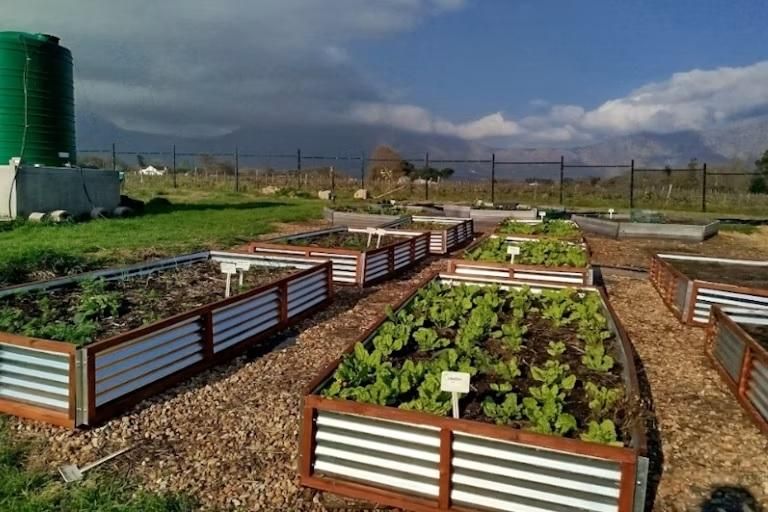
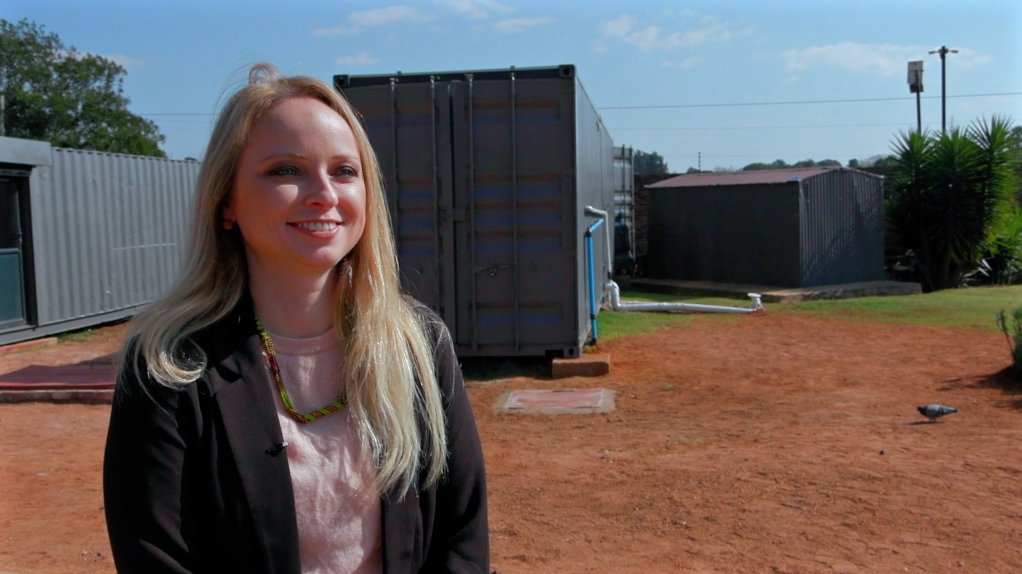
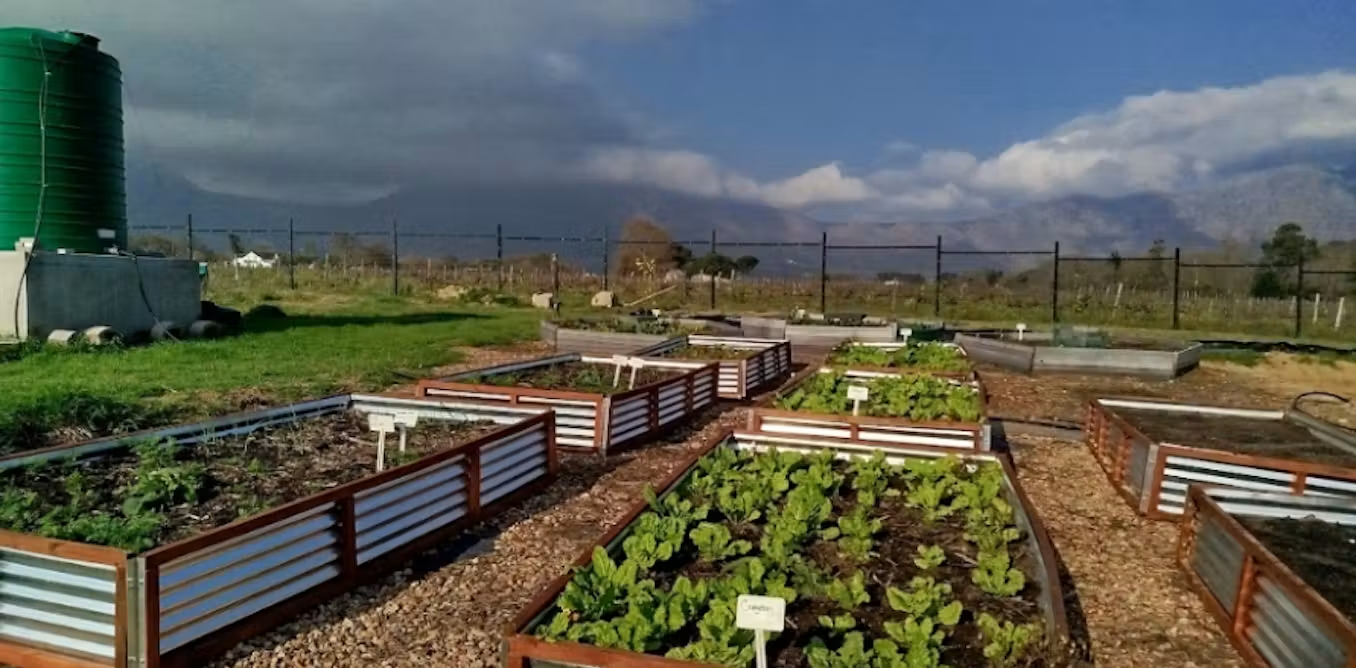
I’m a water researcher at the University of Cape Town’s Future Water Institute and research director at an off-campus research facility called the Water Hub, in Franschhoek. I’m part of a group of water researchers who are working more closely with nature – and learning from it – as a means of treating and reusing water.