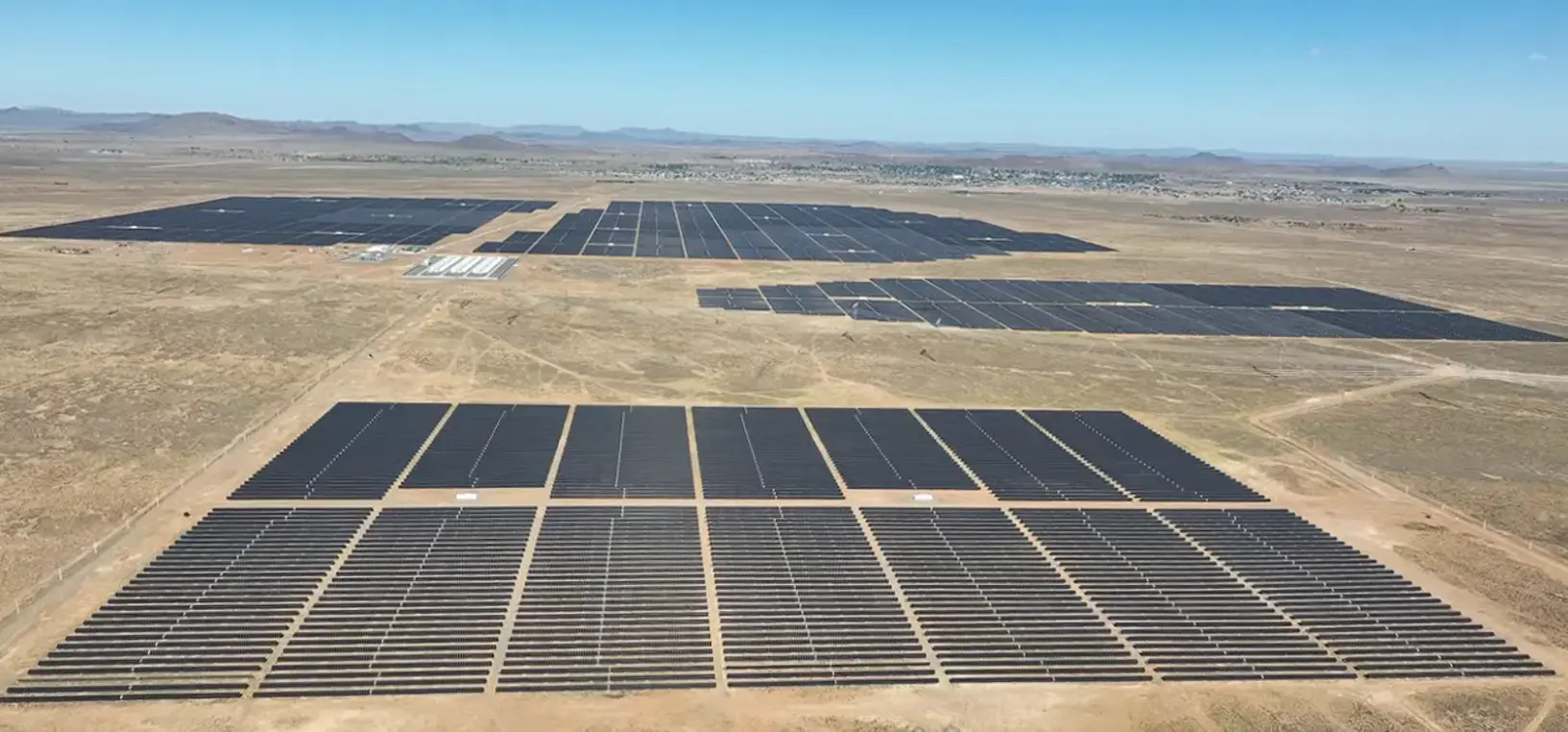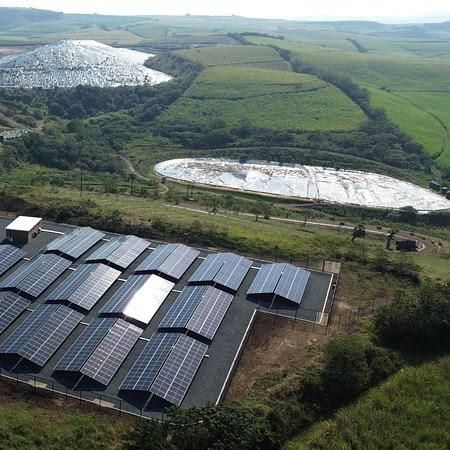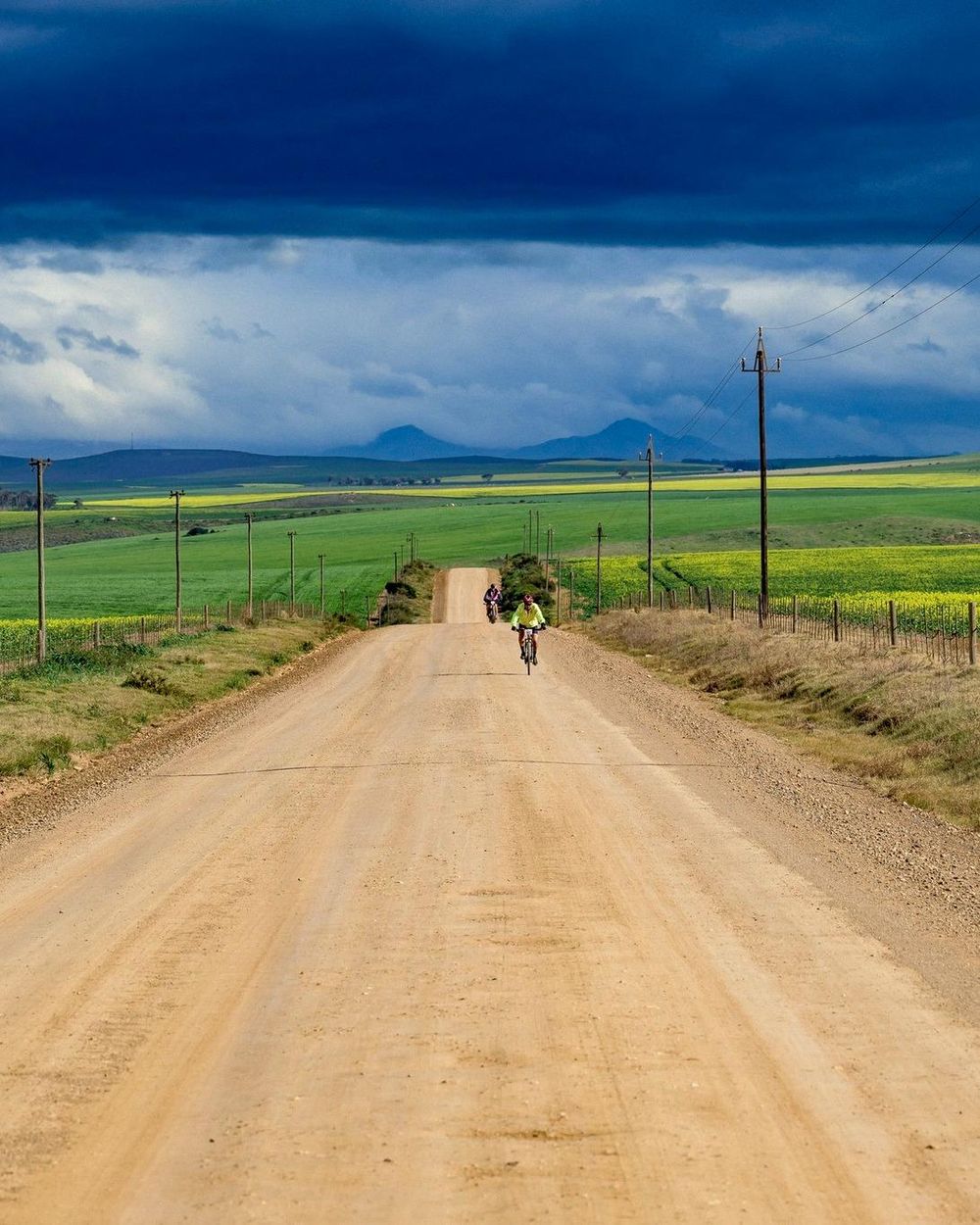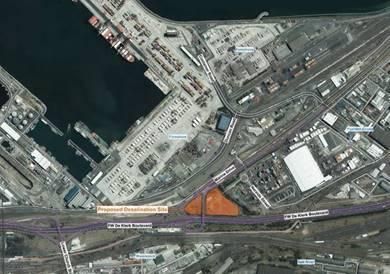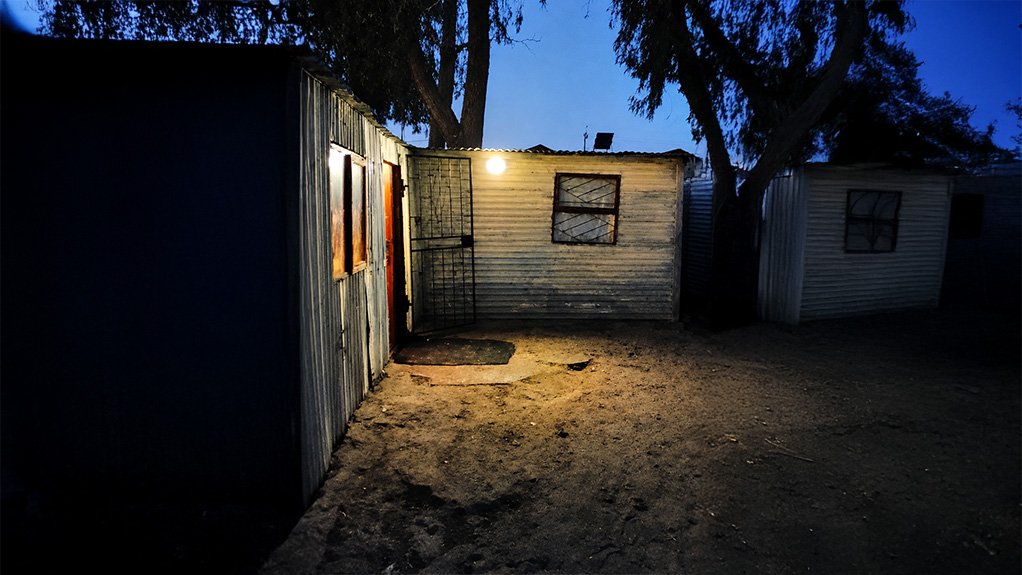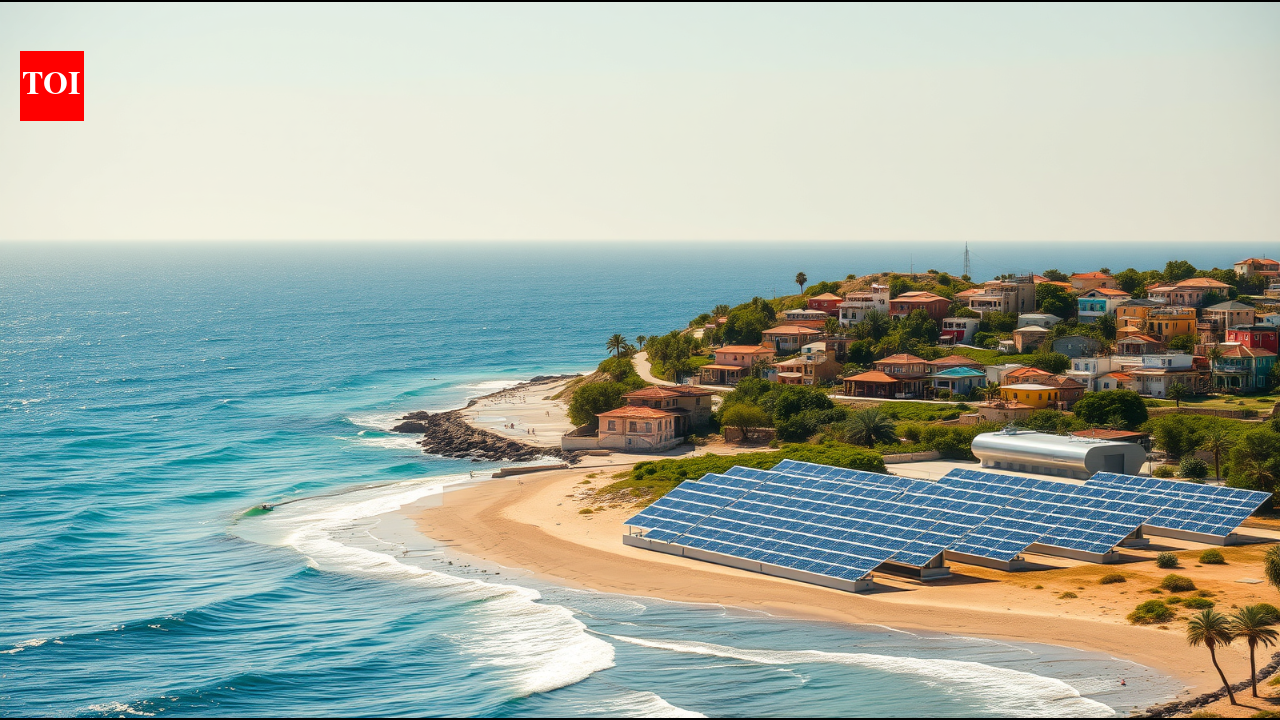
In the small coastal village of Witsand, at the mouth of the Breede River in the Western Cape's Overberg region, sits Africa's first desalination plant powered entirely by solar energy.
Witsand has a low-season population of only around 300 people, but that number swells to more than 3,000 during the busy summer tourist months, placing serious strain on a town with no major freshwater river or reliable aquifer of its own.
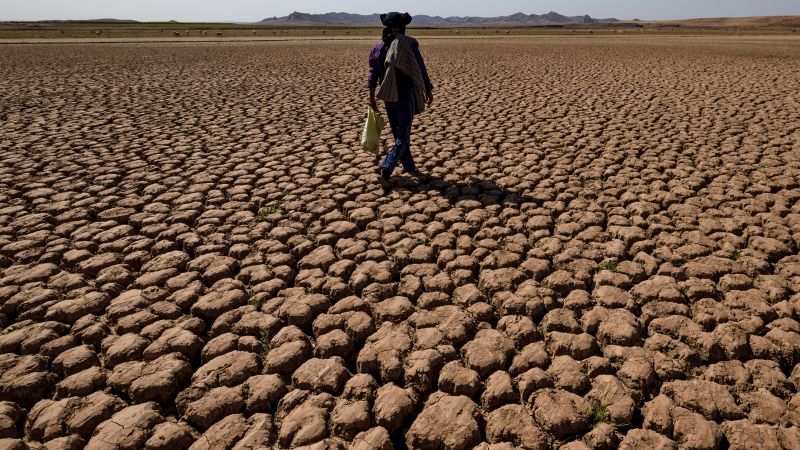
When a prolonged regional drought made the situation critical, Hessequa Municipality, working with the Western Cape provincial government and the French Treasury, built a plant that draws seawater from the Breede River estuary and turns it into drinking water using nothing but sunlight to run the process.Why Witsand needed a desalination plant in the first placeWitsand's water troubles were not new, but they became urgent during the drought that gripped the Western Cape in the years leading up to 2018.
According to the Western Cape Government, several coastal villages within Hessequa Municipality, including Witsand, faced a structural water deficit even outside of drought years, a problem worsened by the region's distance from major water infrastructure and its heavy reliance on municipal boreholes that could not keep up with seasonal demand.Rather than investing in expensive long-distance pipelines to bring water in from elsewhere, the municipality turned to the resource already sitting on Witsand's doorstep, the sea itself.