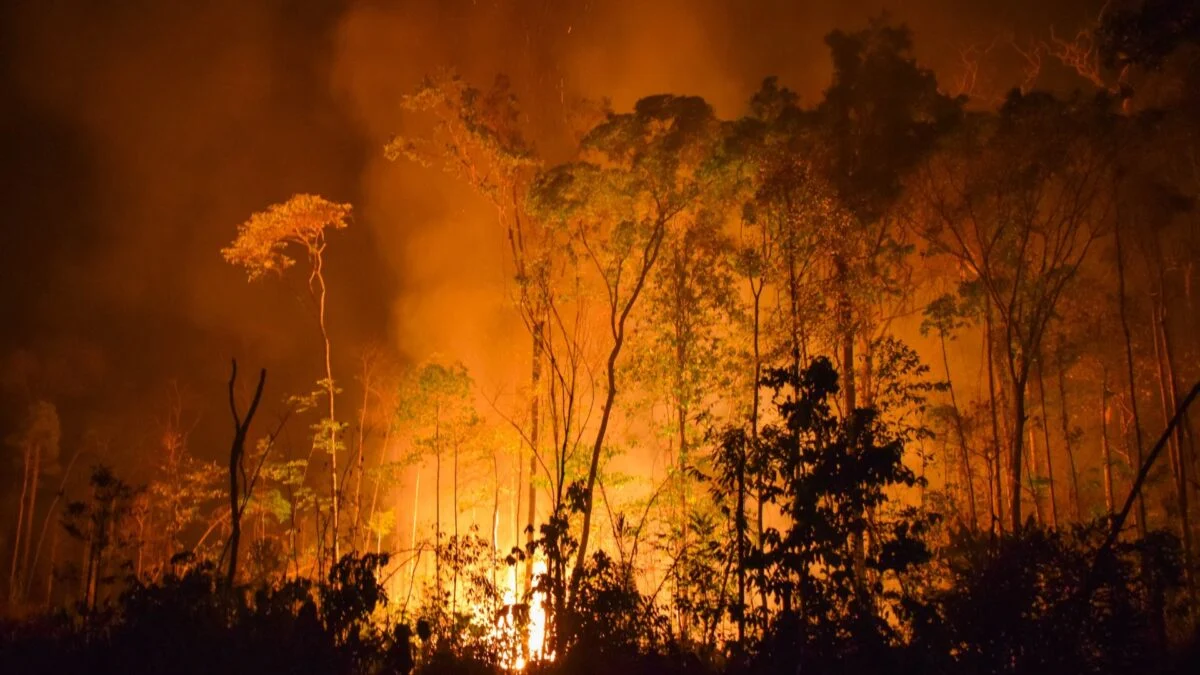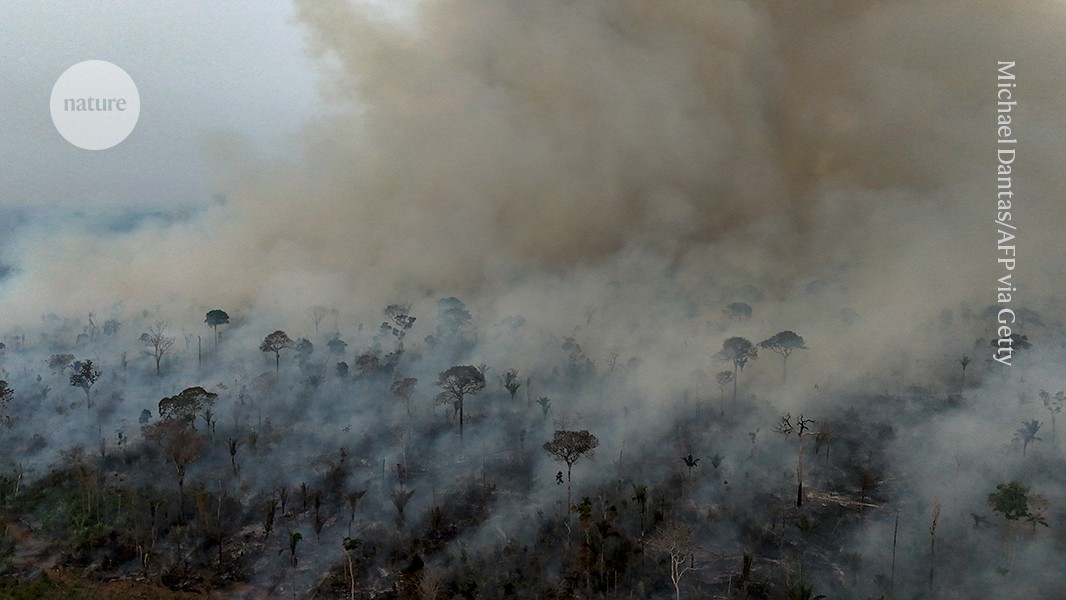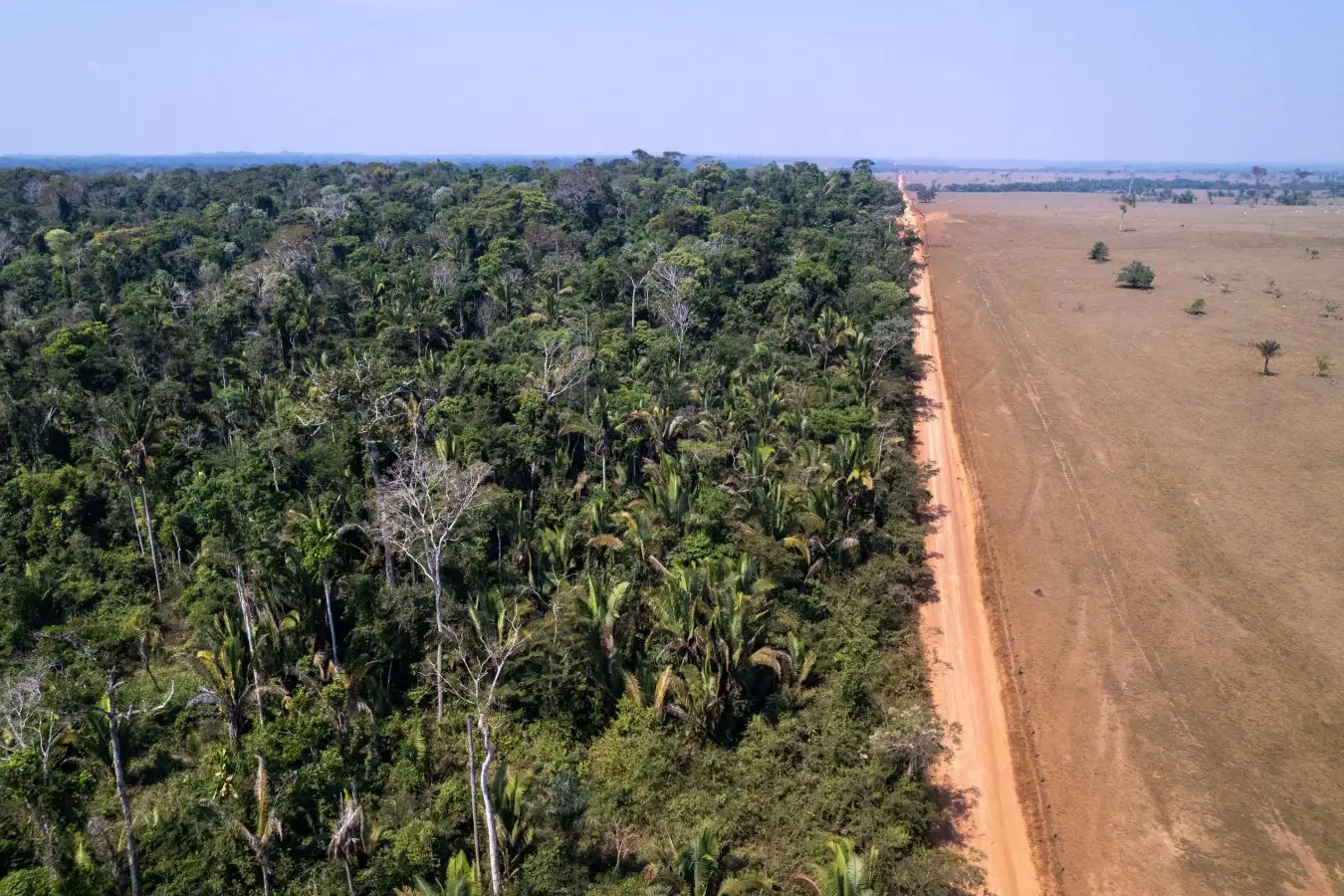
Three 2026 studies reveal that the Amazon can regrow quickly, but deforestation and warming could trigger a system-wide tipping point in the next 15 years.Research also shows that repeated wildfires are replacing fire-resistant specialist trees with generalist species, halving biodiversity at forest edges despite a closing canopy.According to research, extreme conditions have increased tree mortality due to hydraulic failure, which is key to understanding the forest’s shrinking carbon sinks.Ending deforestation is necessary and achievable, but must be combined with global actions to curb climate change, say experts.
For decades, scientists have been trying to answer a key question: What would the Amazon rainforest look like if deforestation, climate change and fires continue? And, a follow-up question: When would that transformation happen?
While several researchers have made progress on the answers over the years, a series of studies in 2026 sheds new light on the prognoses. The three reports published earlier this year examine the health of the rainforest from different angles.
In April, a study published in Nature shows the Amazon heals faster than expected, but takes longer to fully recover its biodiversity after extreme events.