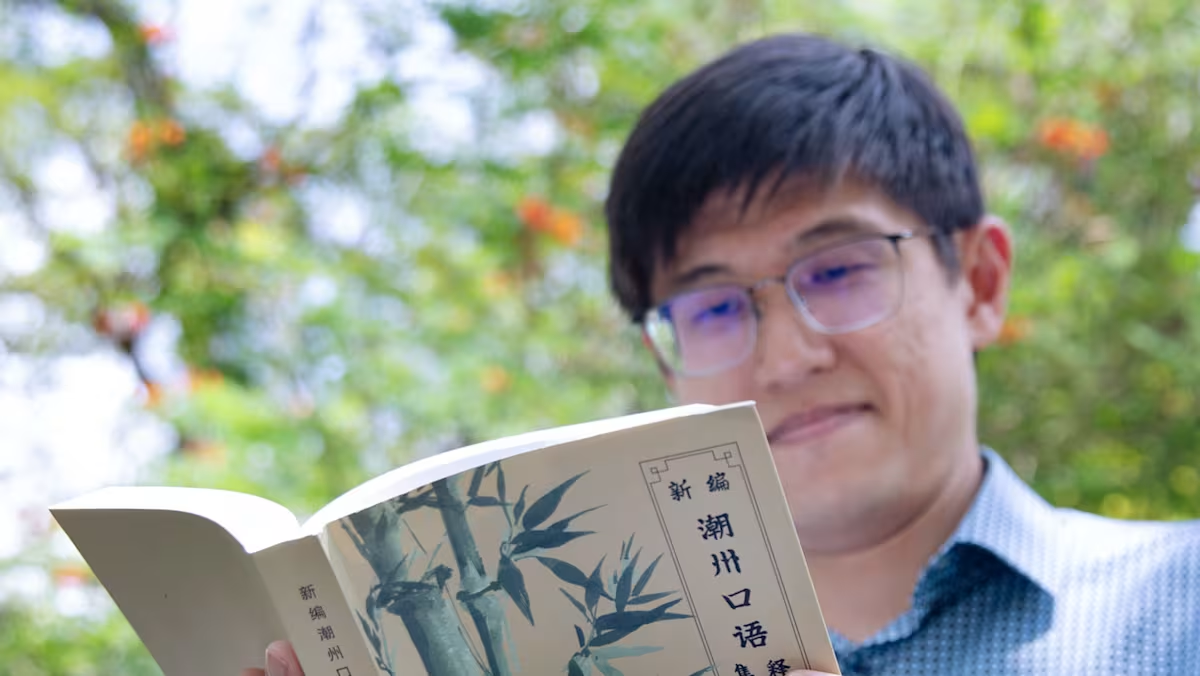
A resident at a nursing home was sitting under an air-conditioner, visibly shivering, but she said nothing.Although a nursing assistant was just an arm's length away, the woman, who was more comfortable speaking in dialect, could not easily communicate that she was cold.Mr Eugene Lee, who witnessed the scene while volunteering at the nursing home years ago, still remembers it."There was a language barrier. She would rather suffer physical discomfort than say something," the 42-year-old said.Over his years of volunteering, Mr Lee has come across many nursing home residents who struggle to communicate with people around them because they are more fluent in dialects or other heritage languages, leaving some of them socially isolated.The co-founder of dialect learning platform LearnDialect.sg said that the difference can be striking. Seniors who had been staring vacantly at the television would suddenly light up when he spoke to them in Chinese dialects such as Hokkien or Teochew."Some of the seniors really come alive in conversation. The moment there is a language that they can engage in, they are, like, 'Ah, finally!' Most of them then start to share their life stories."
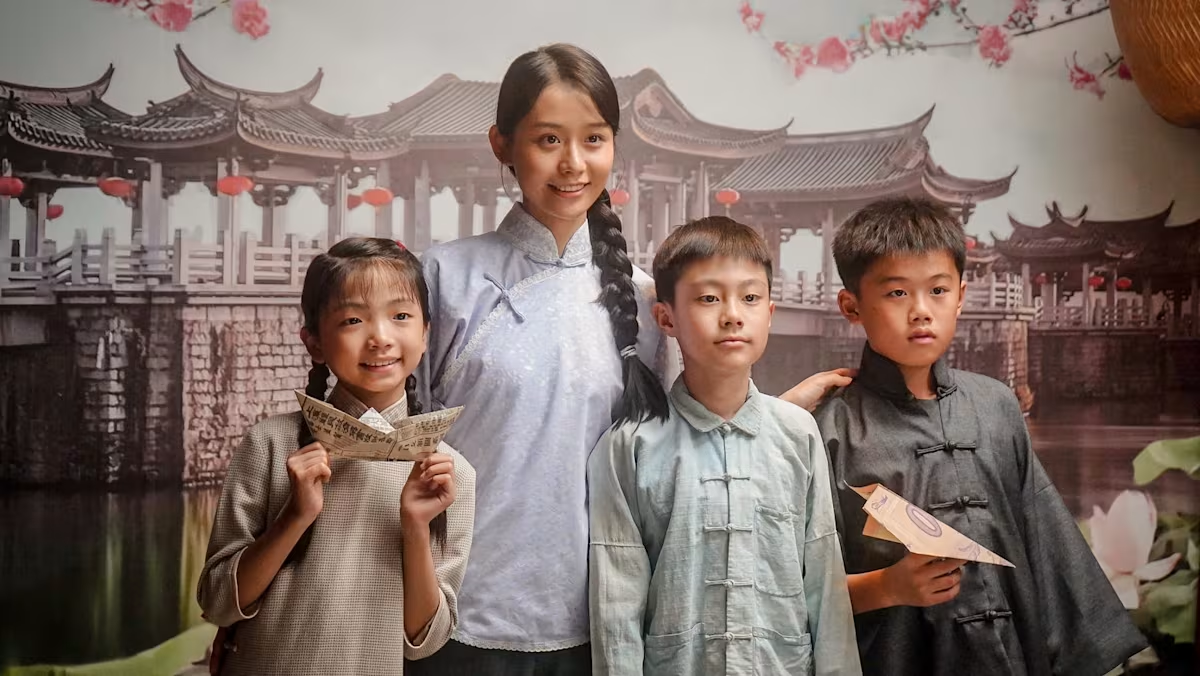
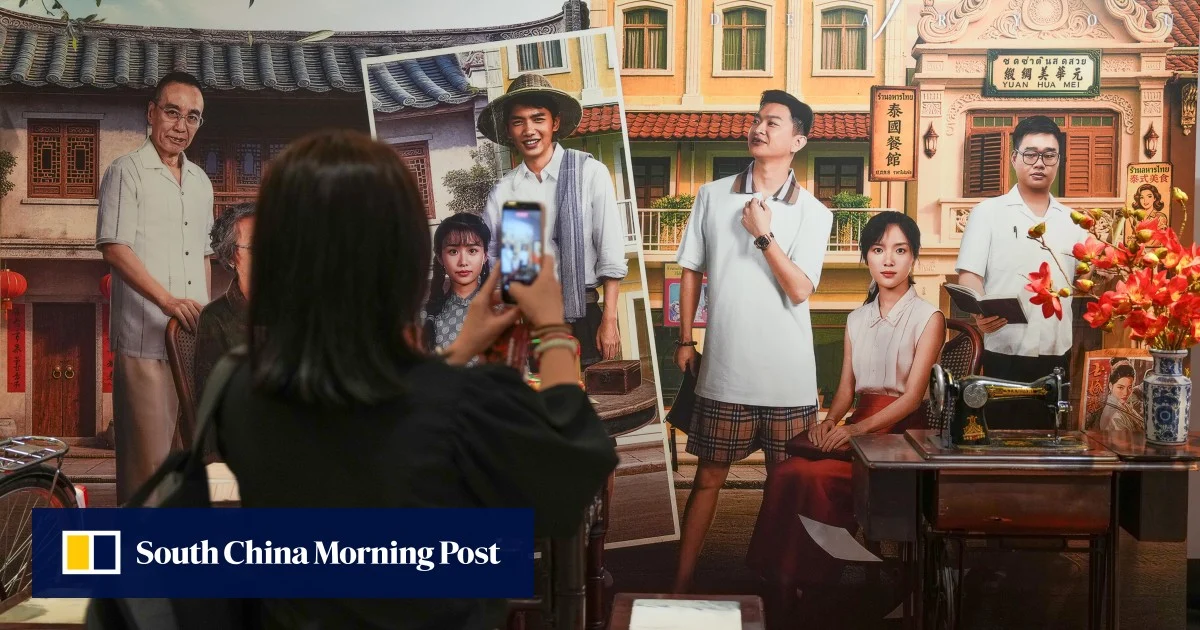
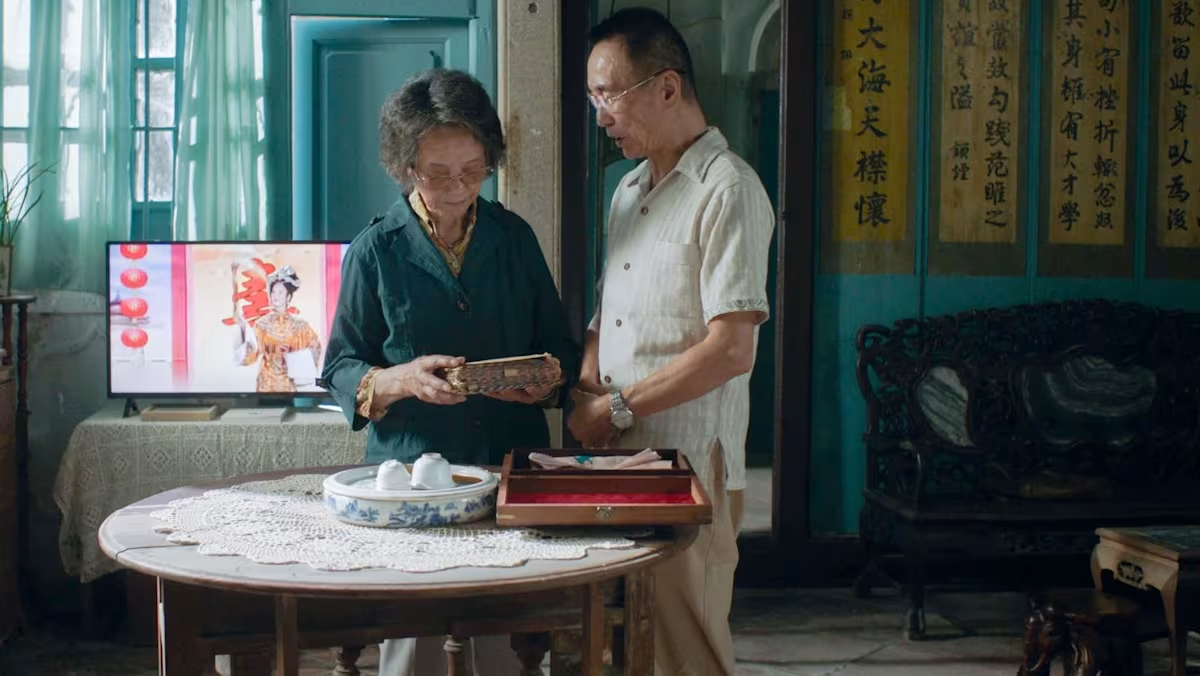
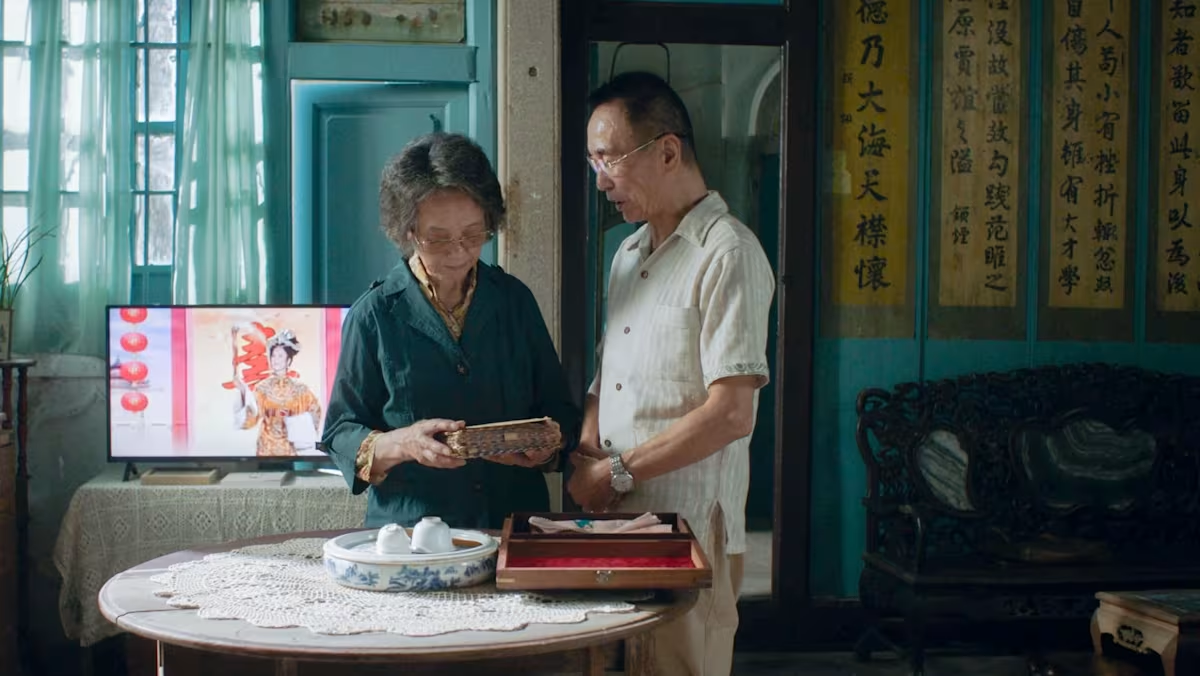
A large swathe of older Singaporeans still regularly speak dialects and heritage languages. Drop into any hawker centre and one is bound to hear strains of Hokkien, Malay and a variety of Indian languages. At home, however, dialect use has been fading, with English becoming the dominant language.Data from Singapore's Census of Population 2020 showed that only 8.7 per cent of residents aged five and above used dialects as the most common language at home in 2020, down 5.6 percentage points from 2010. At the same time, the percentage of households that use English as the most common language rose from 32.3 per cent in 2010 to 48.3 per cent in 2020. Yet, declining use does not necessarily mean declining interest.There are signs that heritage languages still hold a powerful appeal in Singapore, and recent films have offered a glimpse of that appetite.Singaporeans queued for hours last month to catch the Chinese box-office hit Dear You in its original Teochew, with some even travelling to Malaysia rather than settling for the Mandarin-dubbed version here. The film delves into the lives of the Teochew people who moved from China to Southeast Asia in the 1940s.Similarly, Cantonese screenings of award-winning Hong Kong film The Last Dance sold out following its Singapore release in late 2024. The film, which focused on funeral rituals, explores the meaning of life and death.Persistent demand by movie-goers led to extra screenings in 2025 at Golden Village cinemas and an extended screening by the Singapore Chinese Cultural Centre. Such moments may thrust heritage languages back into the spotlight, but away from the big screen, people and groups have been quietly working for years to keep Hokkien, Teochew, Malayalam, Baba Malay and other heritage languages alive.SPEAKING THEIR LANGUAGEMr Lee and his wife Ski Yeo, also 42, hatched the idea of starting a dialect-learning platform for Hokkien, Cantonese and Teochew in 2018 after noticing that fellow volunteers and other healthcare workers had trouble communicating with older residents in nursing homes.Their first lessons were geared towards healthcare professionals and nursing home workers, most of whom were migrant workers from Cambodia, India and the Philippines.