A protein named tau, which has been highly implicated in the world’s No. 1 cause of dementia — Alzheimer’s disease — and several other neurodegenerative disorders, may spur these diseases in a way that differs greatly from the pathological pathway usually ascribed to it.
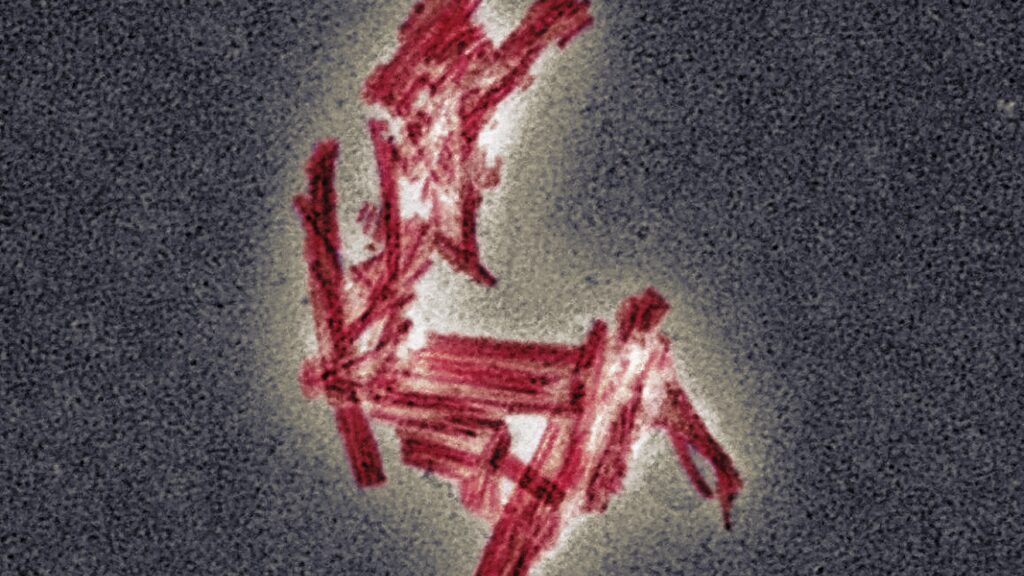
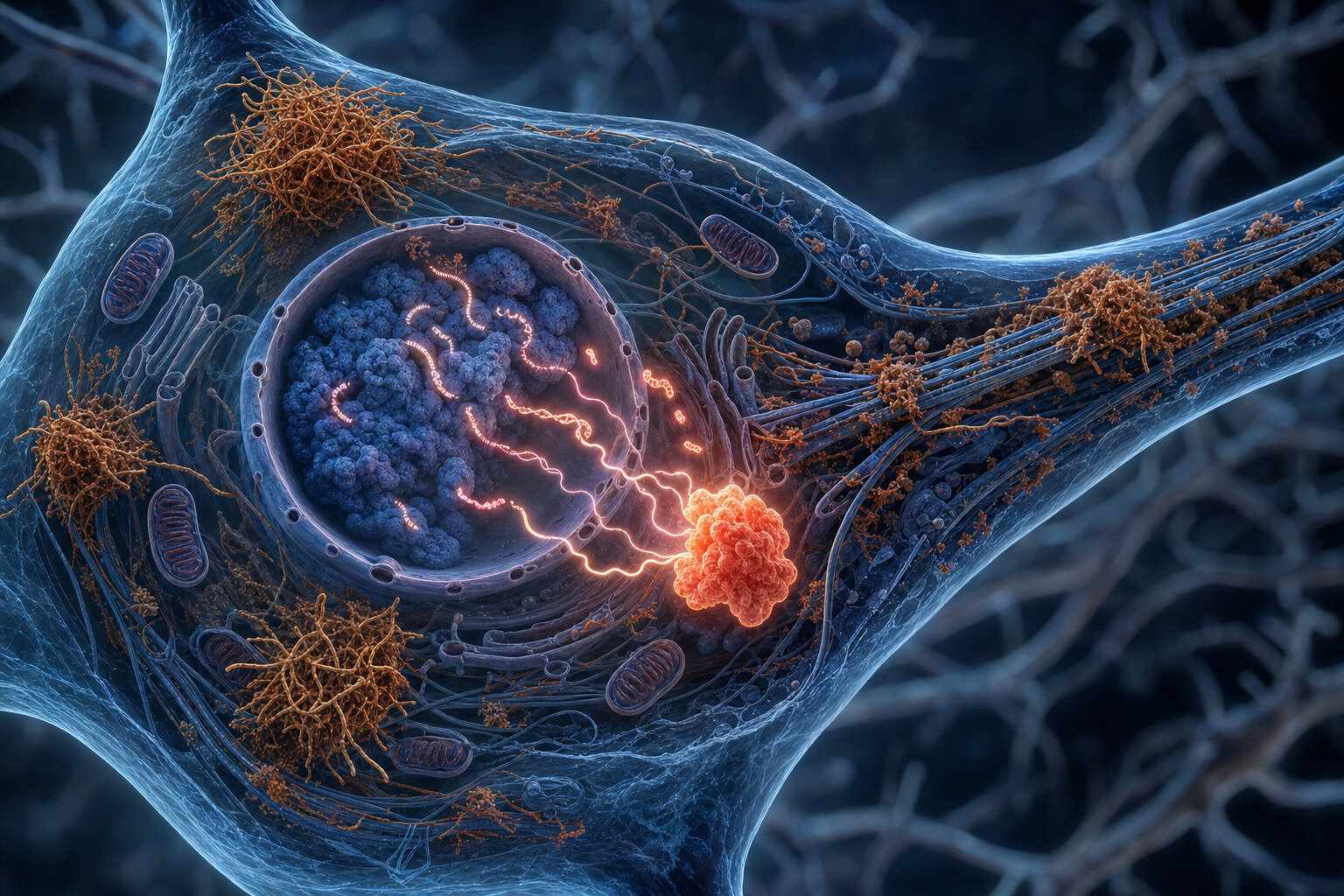
Tau’s molecular malfeasance is increasingly viewed as one of the strongest instigators of Alzheimer’s disease for a few reasons. First, the appearance of telltale forms of the protein in cerebrospinal fluid or in the bloodstream strongly predicts impending Alzheimer’s symptoms. Second, neuroimaging studies and postmortem inspections indicate the presence of neurofibrillary tangles — long filaments largely composed of tau — inside Alzheimer’s patients’ nerve cells. And third, in its healthier manifestation, tau is believed to play a role in stabilizing so-called microtubules: skeletal structures in nerve cells that are critical to these cells’ proper operation.
Neurofibrillary tangles and other aspects of tau’s misbehavior — notably, a tendency to rack up chemical modifications that shift that protein’s disposition and destination to the dark side — have been sighted in Parkinson’s and Huntington’s diseases and in other, rarer conditions such as frontotemporal dementia and progressive supranuclear palsy. Neuroscientists lump these disorders together under the catch-all term “tauopathies.”