Cerepeut's Lead Compound Shows How a Little-Known Mitochondrial Mechanism Fuels Neurodegeneration, and How to Stop It
Landmark Neuron study reveals that phosphorylated tau (pTau) enters mitochondria and triggers reverse electron transport, forming a self-destructive feedback loop that generates more pTau. The study also shows that Cerepeut's lead drug candidate breaks the loop, reversing memory deficits, brain atrophy, and neurodegeneration in multiple disease models.
Cerepeut, Inc., a biotechnology company developing mitochondrial therapeutics for neurodegenerative disease, today announced publication of a landmark study in Neuron revealing why the brain turns on itself in Alzheimer's disease and related disorders, and unveiling a drug candidate designed to stop it.
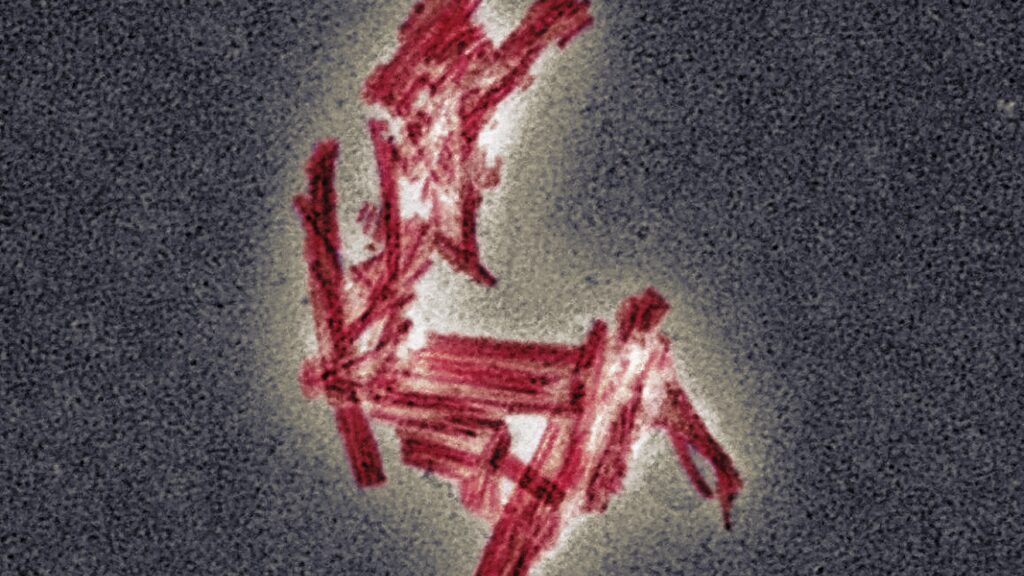
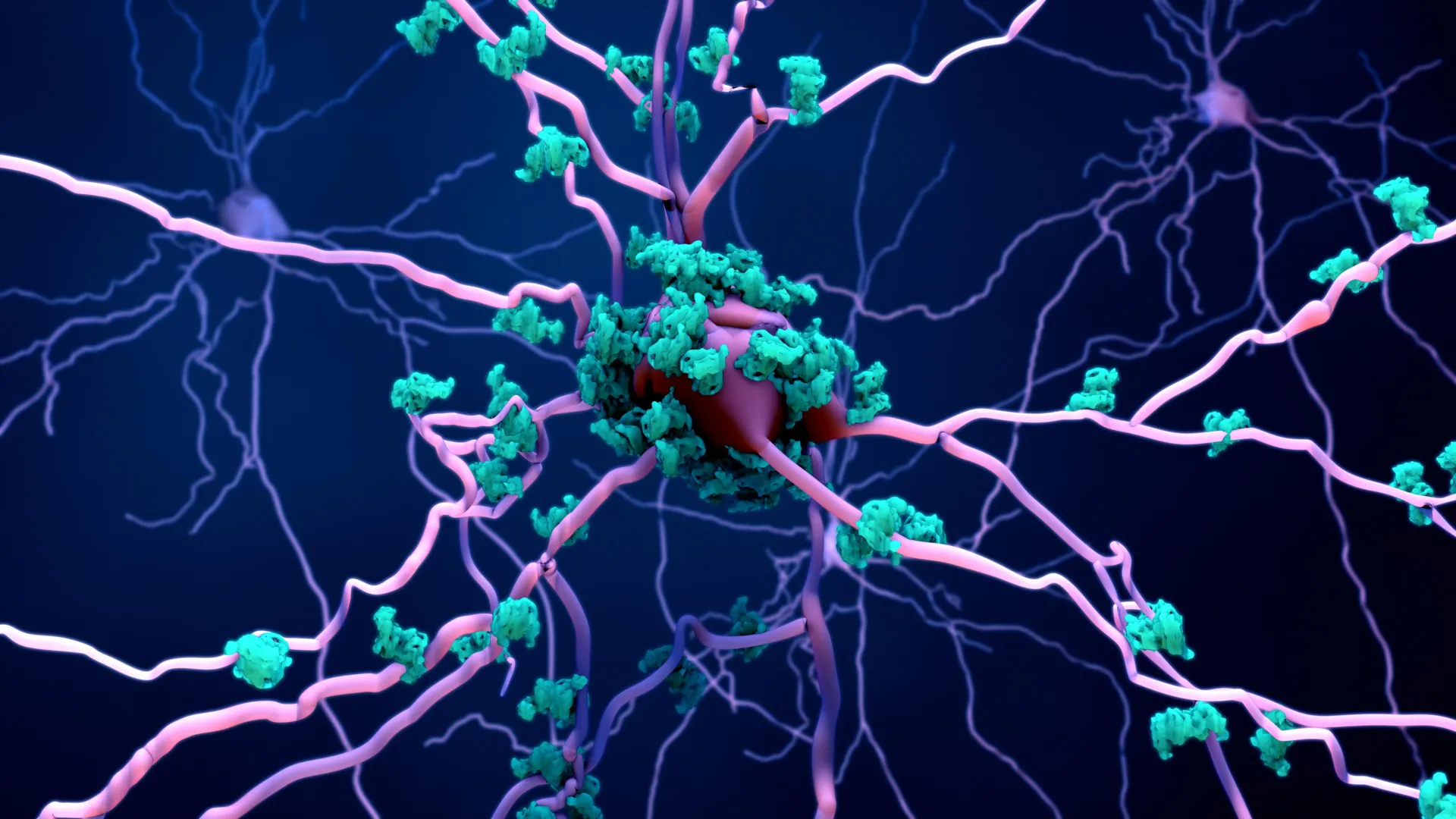
Tau is a well-known driver of Alzheimer's, notorious for clumping into toxic tangles inside dying neurons. What scientists didn't know was that tau also moonlights as a switch inside mitochondria, the cell's power plants, and that when this switch gets stuck, it accelerates brain aging and disease.
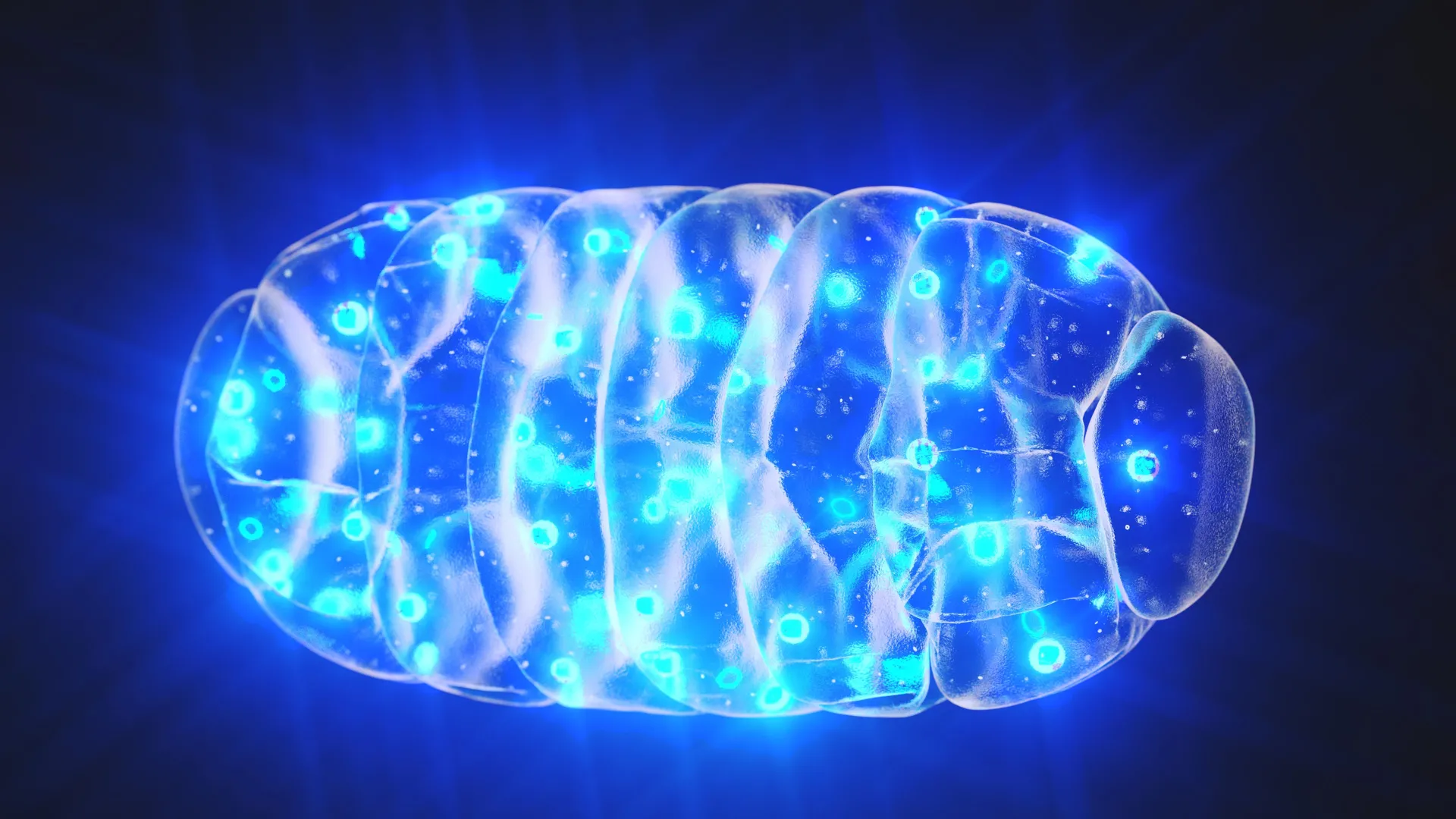
The study, led by Cerepeut cofounders Bingwei Lu, Ph.D. (Stanford) and Su Guo, Ph.D. (UCSF), shows for the first time that tau directly engages the mitochondrial machinery controlling reverse electron transport (RET). In a healthy brain, RET is tightly regulated. In a diseased or aging brain, phosphorylated tau (pTau) overactivates RET, which drives more tau phosphorylation, forming a self-perpetuating cycle.