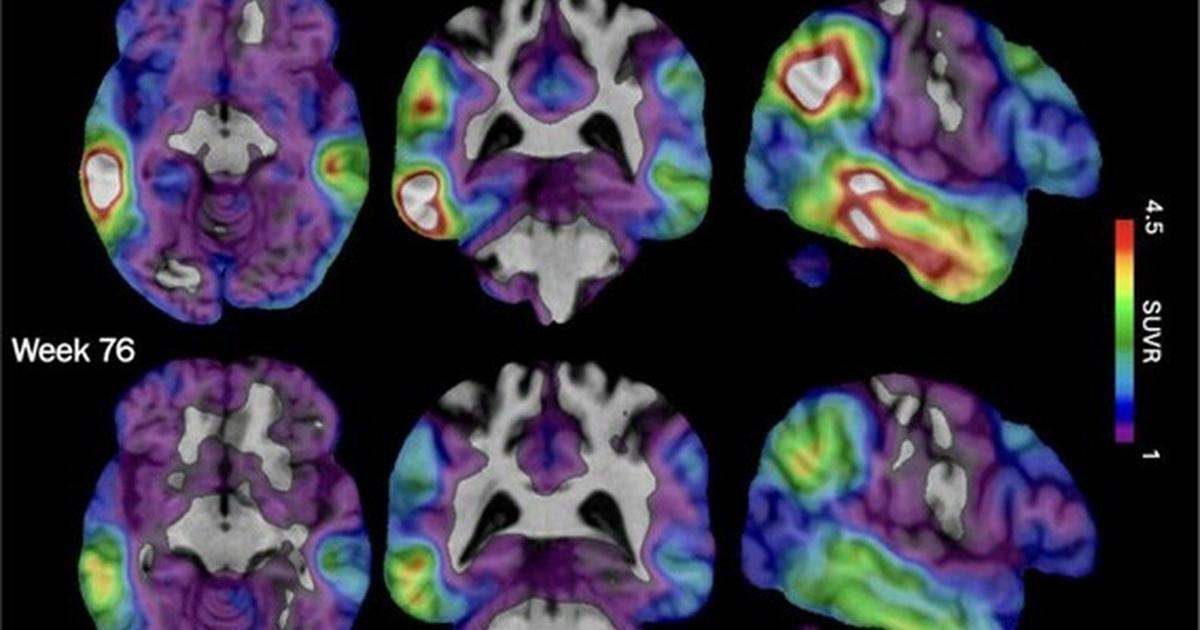
Alzheimer's disease is the leading cause of dementia and currently affects more than seven million people in the United States. Some available treatments can slow the disease, but most primarily address symptoms, and none can cure it.
"Alzheimer's is a condition that remains recalcitrant to the scientific community's attempts at developing a cure or preventative treatment," said Daniel Schultz, a former postdoctoral fellow in the Vanderbilt University Warren Center for Neuroscience Drug Discovery.
Gaps in Alzheimer's Biology
One major obstacle to developing better therapies is that researchers still do not fully understand the biology behind Alzheimer's disease. The same problem affects research into many other neurological diseases and neurodevelopmental disorders.
Scientists have identified genes and proteins that may contribute to these conditions, but studying them can be extremely difficult when researchers lack a reliable way to change how those biological targets behave.