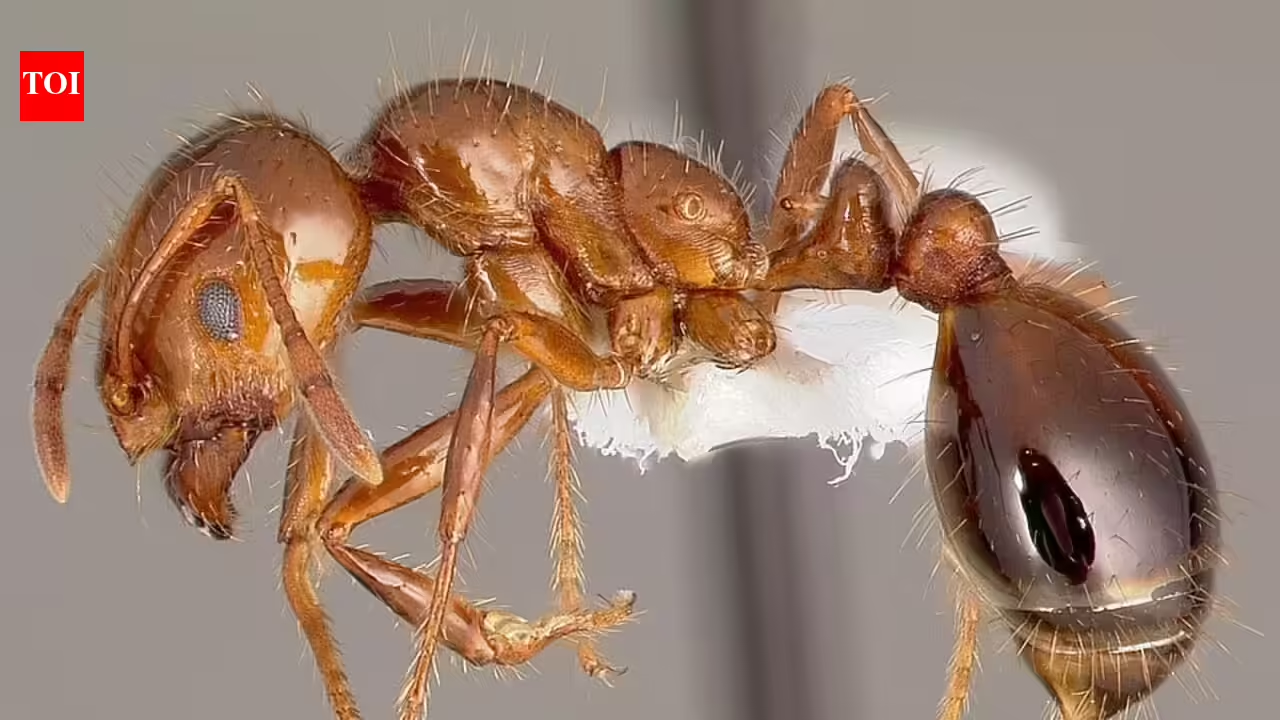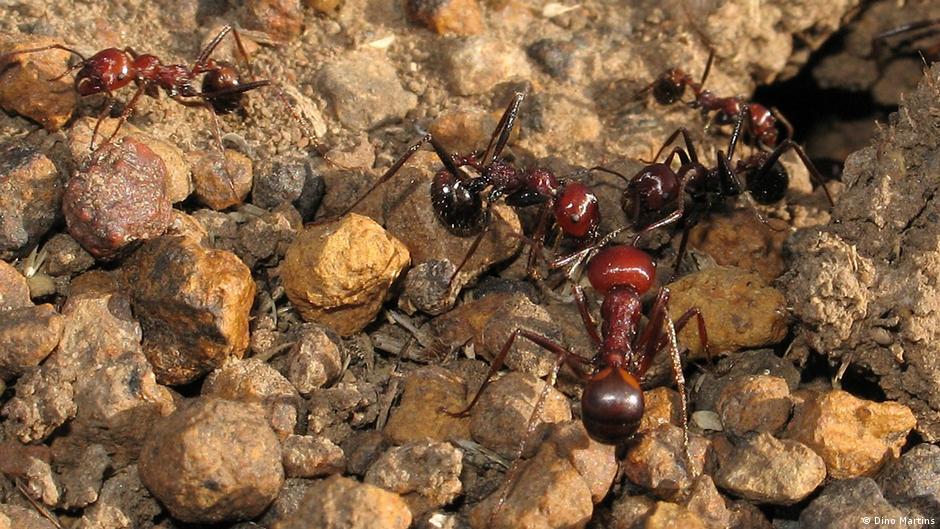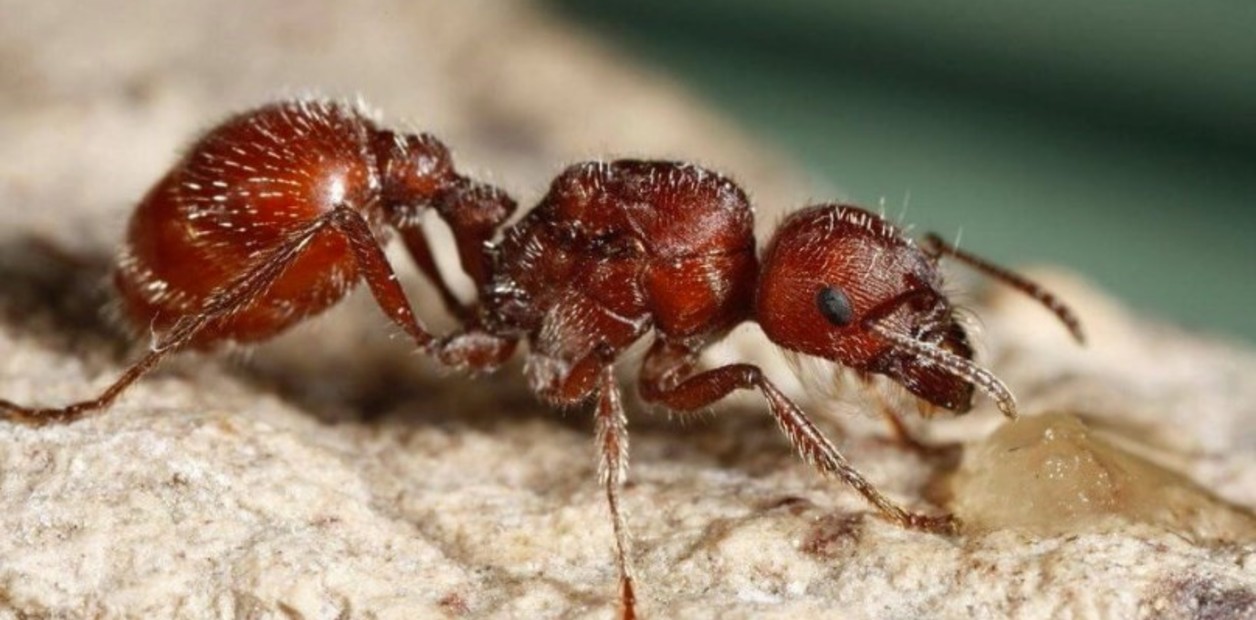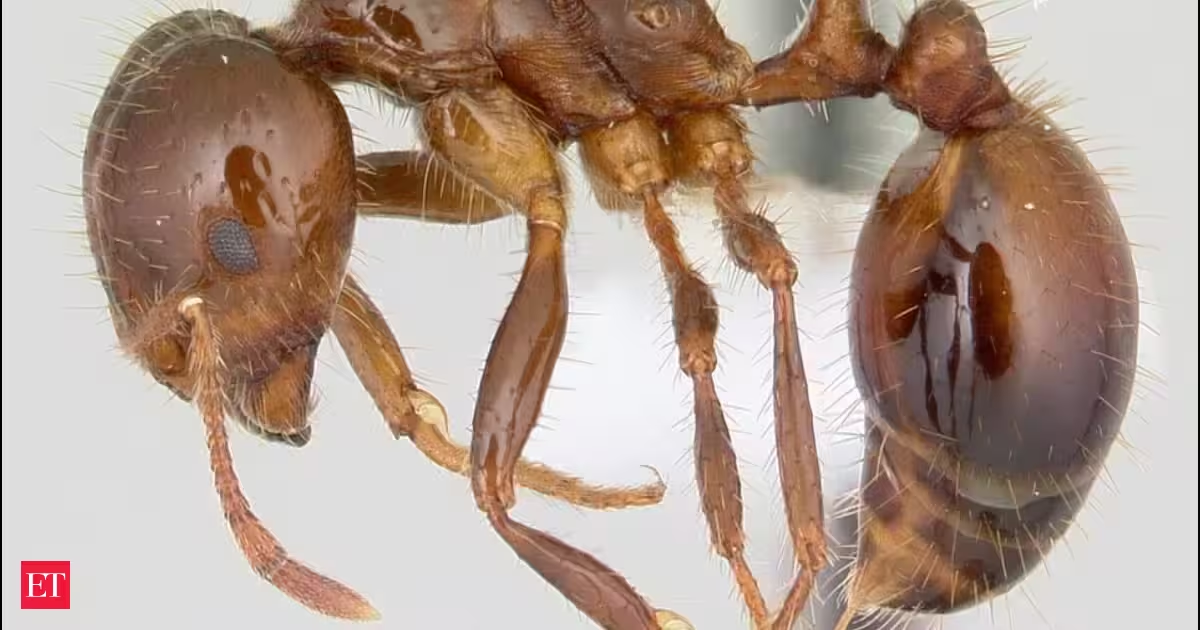
A tiny group of insects arriving unnoticed in a busy port can seem insignificant at first. But invasive species can turn an accidental introduction into a long-running ecological and agricultural problem when the newcomers find suitable conditions and begin reproducing. The red imported fire ant is one of the clearest examples of how a seemingly small biological foothold can eventually become a vast and persistent presence.According to research reported by the USDA Agricultural Research Service, genetic evidence suggests that the U.S. population of red imported fire ants (Solenopsis invicta) can be traced to just 9 to 20 mated queens that arrived in Mobile, Alabama, in the mid-1930s, apparently aboard a ship. The study found that ants collected near Mobile closely resembled a reconstructed ancestral population, supporting the idea that the port was the starting point for the subsequent spread. Today, USDA's Animal and Plant Health Inspection Service says imported fire ants infest more than 367 million acres across Alabama, Arkansas, California, Florida, Georgia, Louisiana, Mississippi, North Carolina, Oklahoma, South Carolina, Tennessee, Texas, Virginia and Puerto Rico.A handful of queens became the starting pointThe striking part of the fire ant story is not simply how far the insects have spread, but how little genetic material may have been needed to establish the population. The researchers reconstructed the likely history of the U.S. invasion by comparing genetic markers from fire ants in South America with ants collected at sites across the southern United States. The close resemblance between ants around Mobile and the reconstructed ancestral population pointed towards a founding population there.The researchers did not present the 9-to-20 figure as a direct count of ants found aboard a particular ship. Instead, it was an estimate derived from genetic evidence. The founding queens are thought to have arrived in the United States in soil associated with imported cargo and established colonies after reaching the country. The research also considered the possibility of another introduction farther west, indicating that the invasion history may have involved more than one arrival.The genetic analysis instead helped reconstruct how the invasion developed after the ants became established in the United States. By comparing genetic variation among populations, researchers were able to identify the Mobile area as the likely starting point of the main US population and distinguish that population from later spread. The approach therefore provided evidence about the ants' origins and movement that could not be established simply by examining where colonies are found today.From Mobile to a huge American rangeOnce established, red imported fire ants had several ways to move into new territory. Colonies can spread naturally, while people can unintentionally transport ants in soil, plants, hay, nursery material and other agricultural commodities. Their nests can occur in fields, lawns, pastures and other open areas, while disturbed colonies can respond aggressively. APHIS notes that imported fire ants can sting people and animals and can interfere with agricultural operations. They may also feed on crops and seedlings, damage young trees and displace native ants, making their presence an ecological as well as agricultural concern.The scale of the present range illustrates how dramatically the invasion has changed since those first suspected arrivals. The federal quarantine system now covers parts of 15 states, reflecting the need to restrict human-assisted movement from infested areas. The regulations include controls on articles such as soil, rooted plants, sod, hay and soil-moving equipment because these materials can carry colonies or queens into new areas.A dense colony of red imported fire ants gathered around their nest. Image Credits: Wikimedia Commons.Why the original invasion still mattersThe fire ant case offers an unusually clear lesson in invasion biology: the size of the founding population does not necessarily indicate the eventual scale of an invasion. A population that begins with very few individuals can persist if those founders reproduce successfully and the surrounding environment allows their descendants to establish new colonies.A global genetic study published in Science later examined 2,144 fire-ant colonies from 75 geographic sites and found evidence of multiple introductions of Solenopsis invicta into newly invaded regions around the world. It also concluded that the main southern U.S. population was probably the source of all but one of those later introductions. That finding places the American invasion in a broader context: a species introduced into one region can itself become a source for further international spread.For the United States, the original introduction remains important because modern control efforts are not dealing with a handful of accidental arrivals anymore. They are dealing with an established population spread across hundreds of millions of acres. APHIS continues to use quarantines and restrictions on high-risk materials to limit human-assisted movement. At the same time, research into the ants' biology and genetics helps scientists understand how such invasions become established and how they might be managed.The red imported fire ant invasion began with a small founding population, yet its descendants now occupy hundreds of millions of acres across the United States. The history illustrates how an invasive species can develop from an initially limited introduction into a widespread population over generations.
In the 1930s, just 9 to 20 foreign ant queens apparently stowed away on a ship; their descendants now infest more than 367 million U.S. acres
Discover how a small number of imported fire ant queens led to one of the largest ecological invasions in U.S. history, affecting over 367 million acres across multiple states.
841 words~4 min read