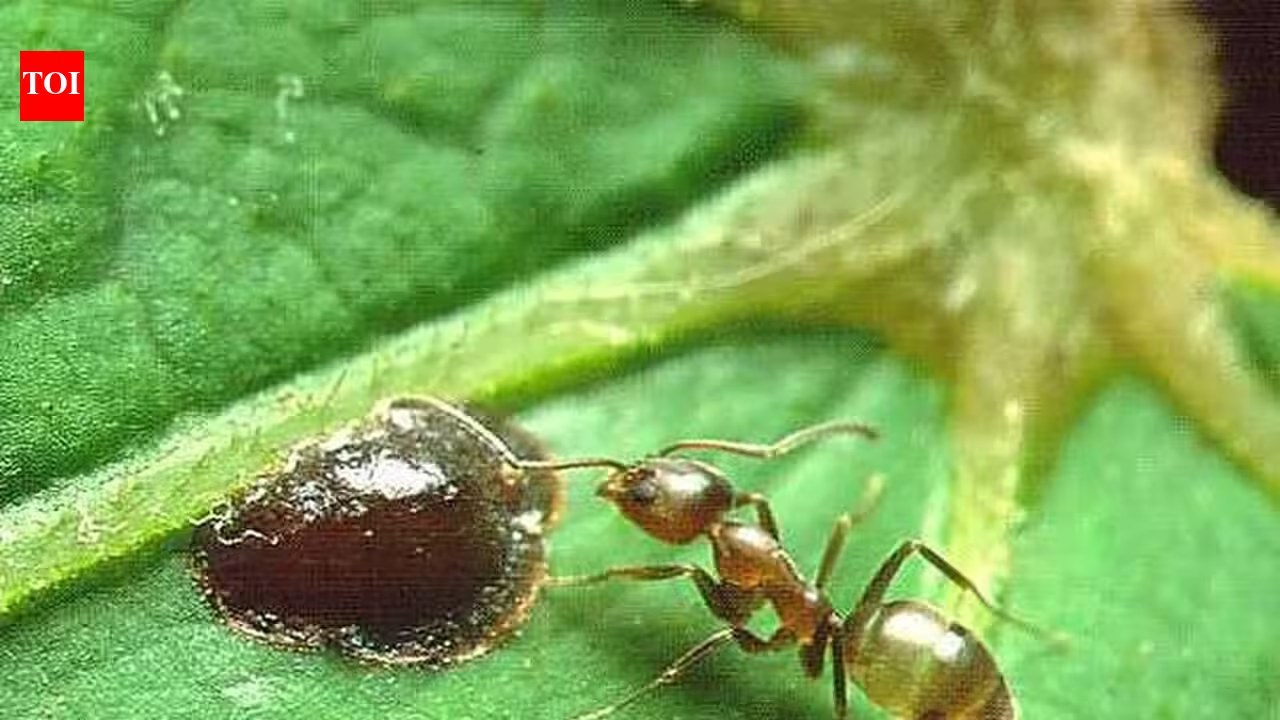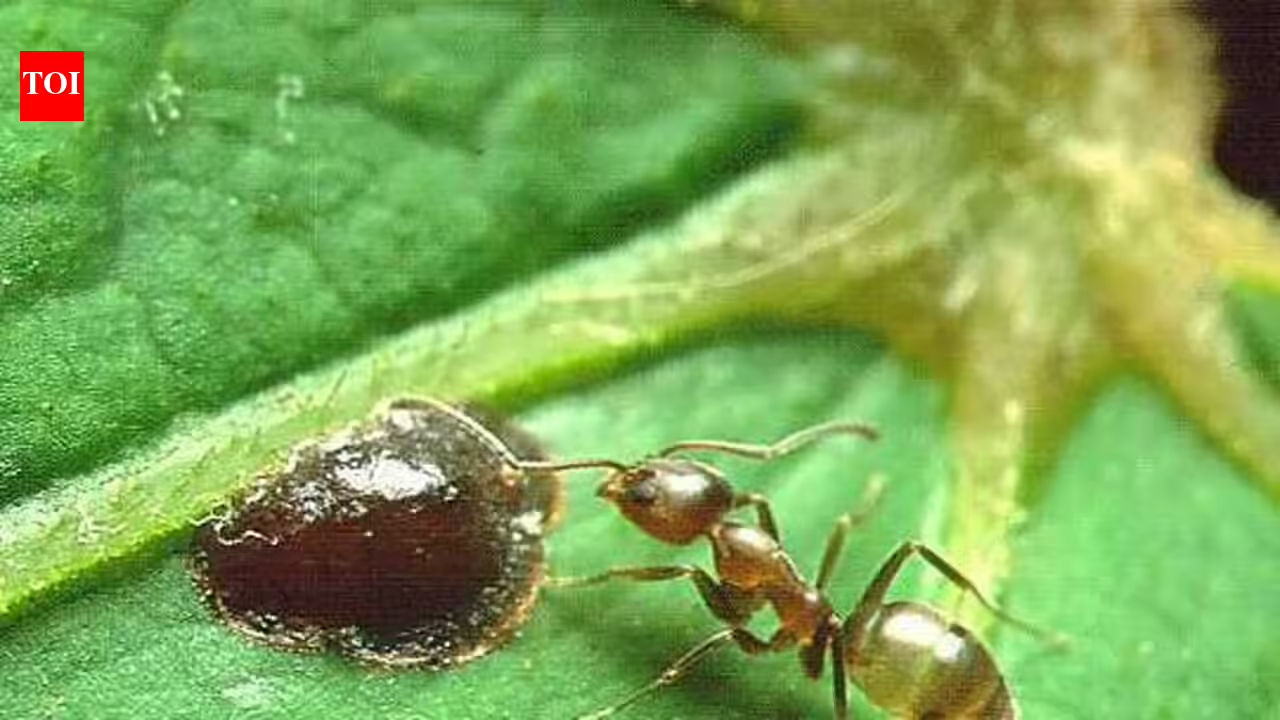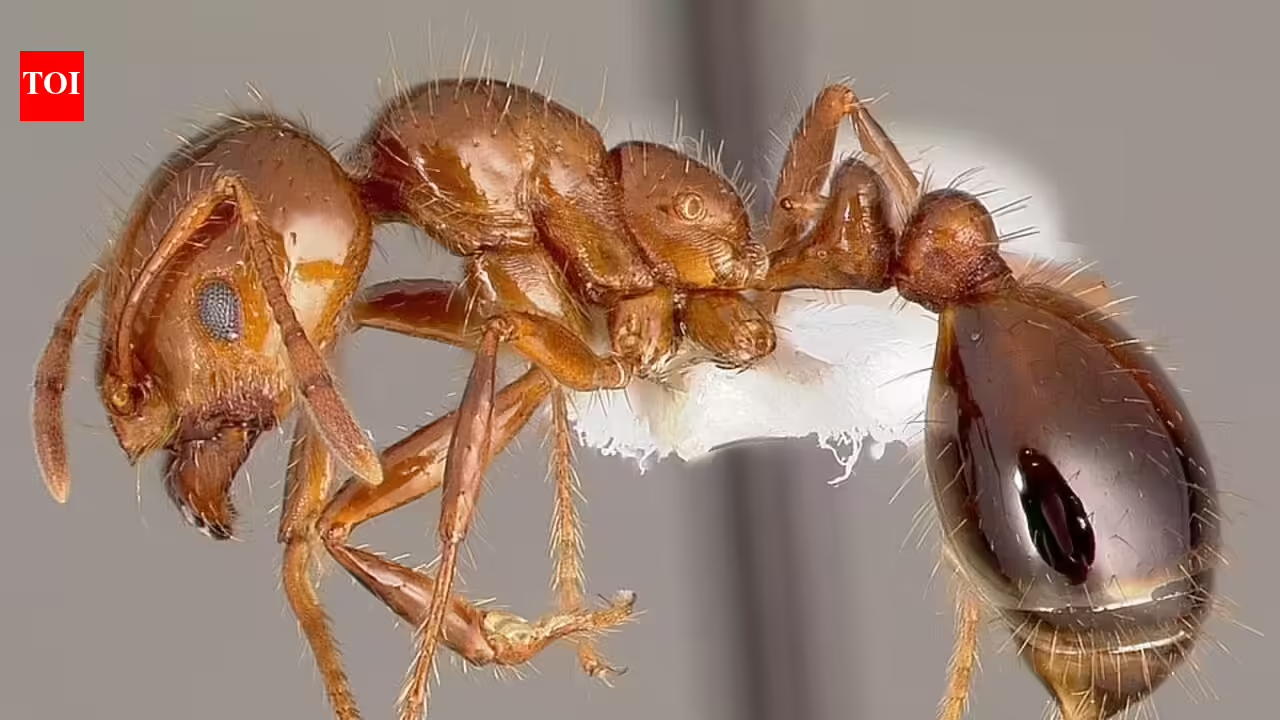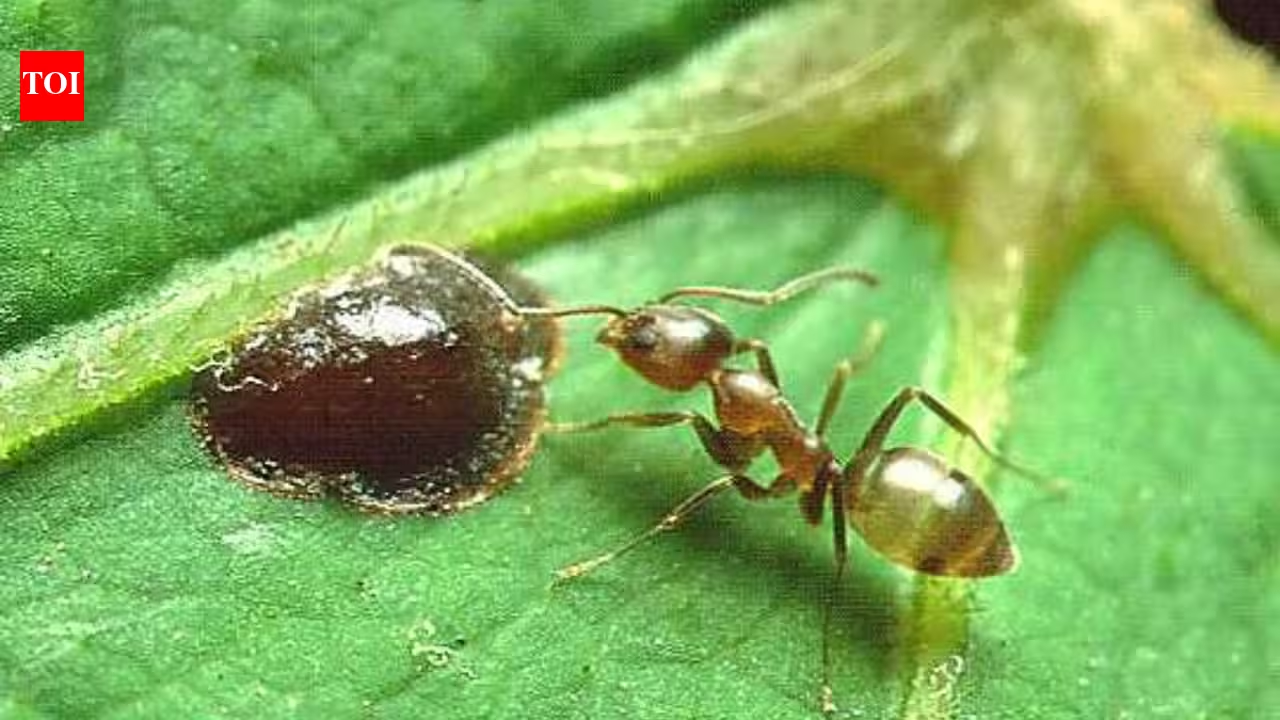
Argentine ants (Linepithema humile) | Wikimedia CommonsLong before most Californians noticed them marching across kitchen counters, Argentine ants had already transformed the state’s ecosystems. Introduced from South America in the late 19th century, the insects spread rapidly through California’s mild coastal climate, forming enormous interconnected “supercolonies” unlike anything seen in their native range. By the 1990s, they had colonised much of the state’s urban and coastal regions, displacing native ants over hundreds of miles. Their influence extends well beyond homes. According to the University of California, Riverside’s Center for Invasive Species Research, Argentine ants have become one of California’s most destructive invasive insects because they protect sap-feeding pests that damage crops while disrupting the natural predators that normally keep those pests under control. Argentine ants (Linepithema humile) | Wikimedia CommonsWhy did these ants become so successful?Argentine ants (Linepithema humile) reached the United States aboard cargo ships in the late 1800s, most likely hidden among imported agricultural products. Unlike many native ant species, neighbouring Argentine ant colonies in California rarely fight one another. Instead, millions of workers cooperate across vast territories, allowing them to overwhelm competing insects and monopolise food resources. Research by biologists at the University of California, San Diego, found that reduced genetic diversity in the introduced population helped create this unusual “supercolony” behaviour, enabling colonies stretching hundreds of miles along California’s coast. The ants thrive in irrigated landscapes, suburban gardens, and agricultural areas where water and sugary food sources remain available throughout much of the year. PollDo you believe invasive species like Argentine ants pose a significant threat to local ecosystems?Yes, definitelyNo, not really3k+ users shared opinion today 5k+ users already voted today Share OpinionThe surprising partnership harming California cropsThe ants themselves feed largely on sweet honeydew, a sticky liquid excreted by aphids, mealybugs, soft scales, whiteflies, and other sap-feeding insects. That relationship has major consequences for agriculture. Rather than simply collecting honeydew, Argentine ants actively defend these insects from lady beetles, lacewings, parasitic wasps, and other natural predators. As a result, pest populations can grow unchecked, causing greater damage to citrus orchards, vineyards, ornamental nurseries, and other crops across California’s coastal agricultural regions. The University of California’s Integrated Pest Management Program notes that outbreaks of aphids and scale insects often become worse because Argentine ants protect them from their natural enemies in exchange for a steady supply of honeydew. Farmers frequently need to control both the ants and the sap-feeding insects to restore effective biological pest control. Argentine ants accessing a commercial bait station commonly available in the United States | Wikimedia CommonsMore than a household nuisanceAs Argentine ants replace native ant species, they also disrupt food webs that evolved over thousands of years. Some native reptiles, birds, and insects depend on larger indigenous ants for food and struggle when those prey disappear. Researchers have linked Argentine ant invasions to declines in species such as California’s coastal horned lizard, which feeds primarily on native harvester ants rather than the much smaller invasive species. Meanwhile, homeowners continue to battle the insects because their enormous colonies can contain multiple queens and countless satellite nests, making eradication extremely difficult. Eliminating one nest rarely solves the problem when neighbouring colonies simply move in.More than a century after their arrival, Argentine ants remain one of California’s most successful invasive species. Their story illustrates how an animal only a few millimetres long can reshape ecosystems, agriculture, and even conservation efforts. By protecting crop-damaging insects instead of attacking plants directly, these ants have become an unexpected but persistent challenge for growers and land managers trying to balance pest control with healthy, functioning ecosystems.
By the 1990s, Argentine ants had spread through much of coastal California; today they protect crop pests that damage farms and gardens
Long before most Californians noticed them marching across kitchen counters, Argentine ants had already transformed the state’s ecosystems. Introduced from South America in the late 19th century, the insects spread rapidly through California’s mild coastal climate, forming enormous interconnected “supercolonies” unlike anything seen in their native range.
599 words~3 min read