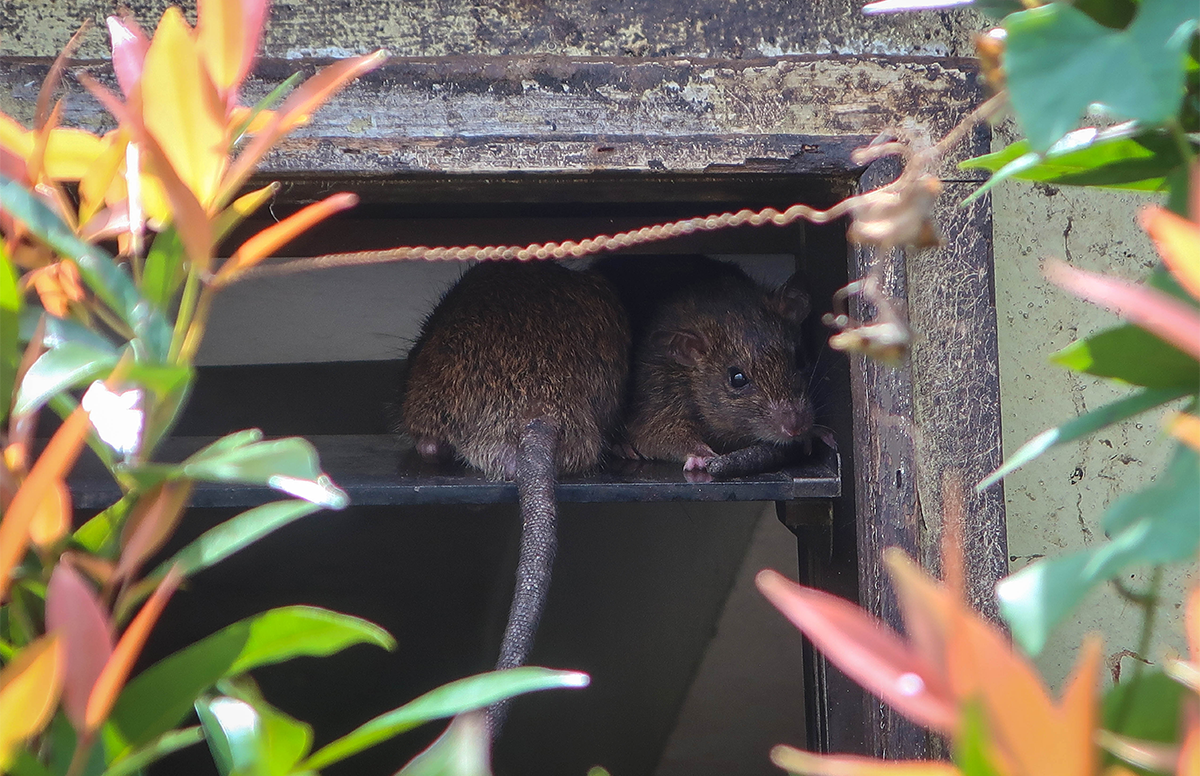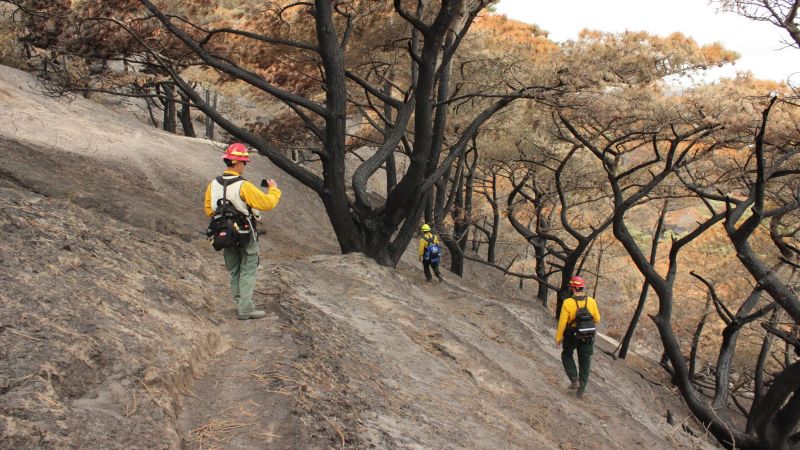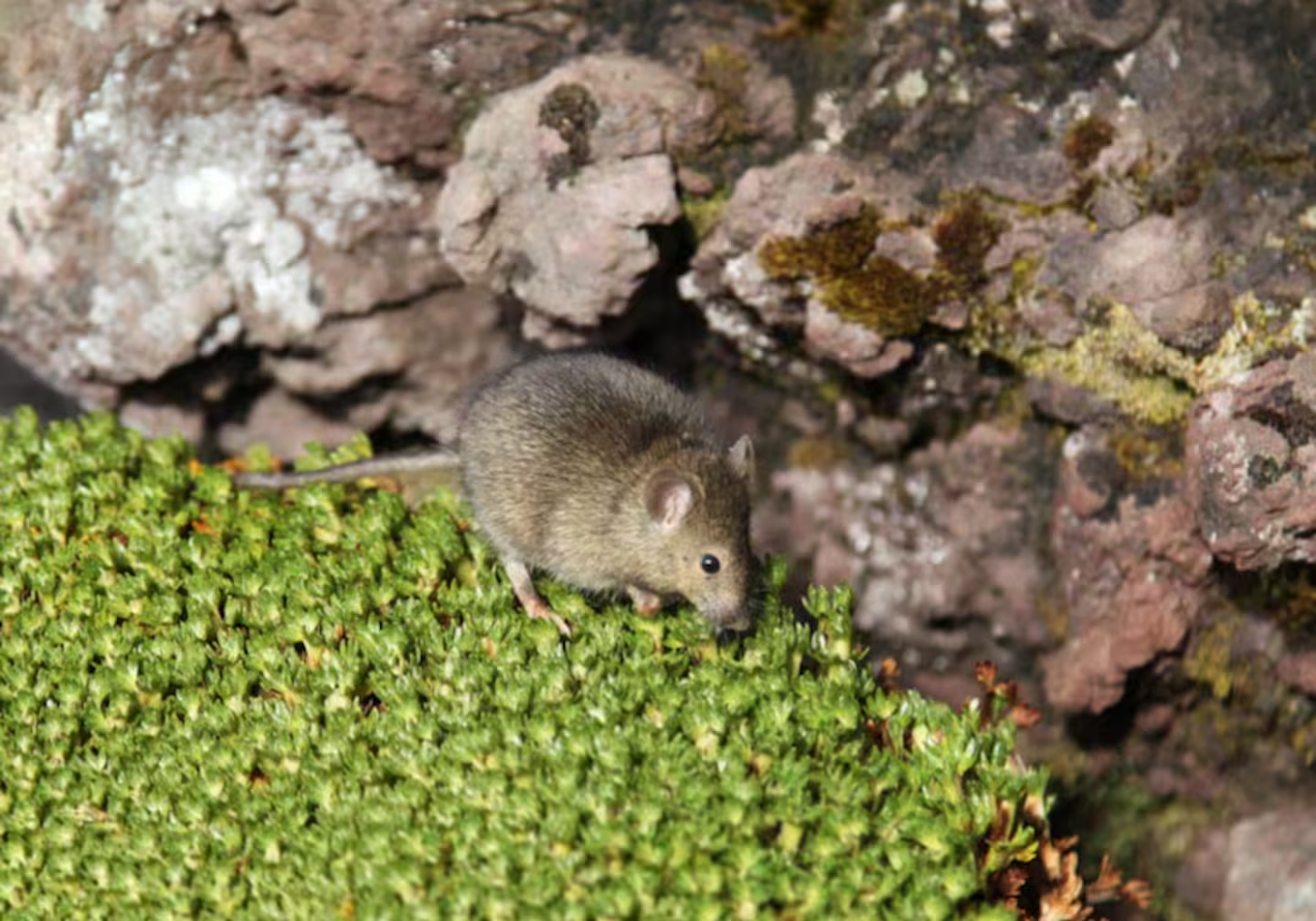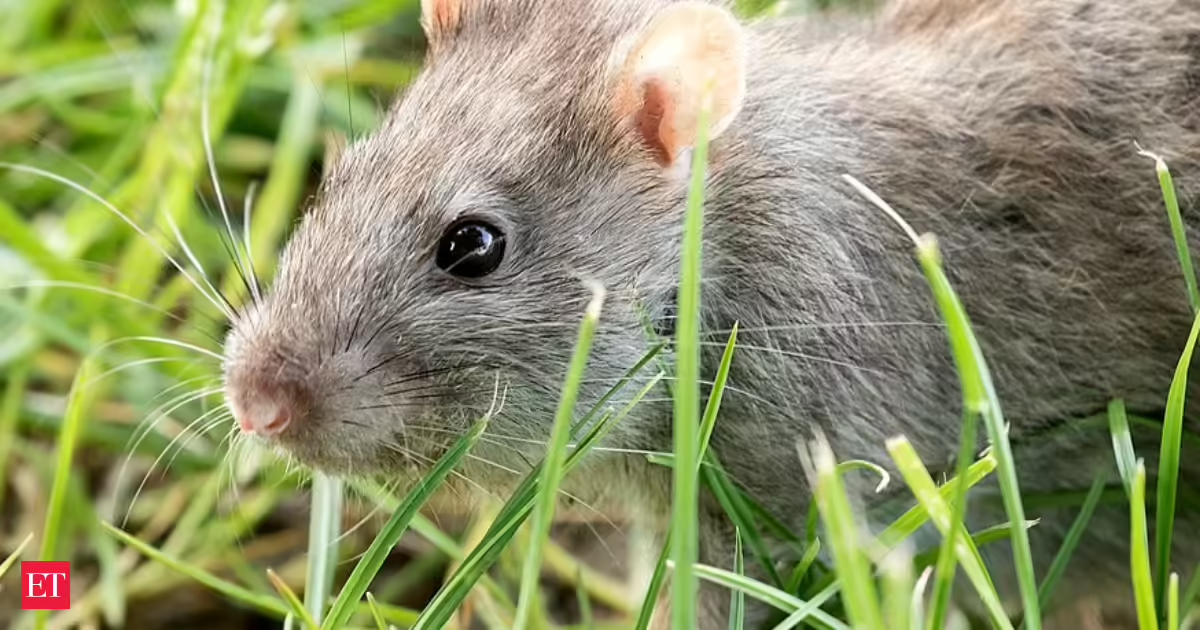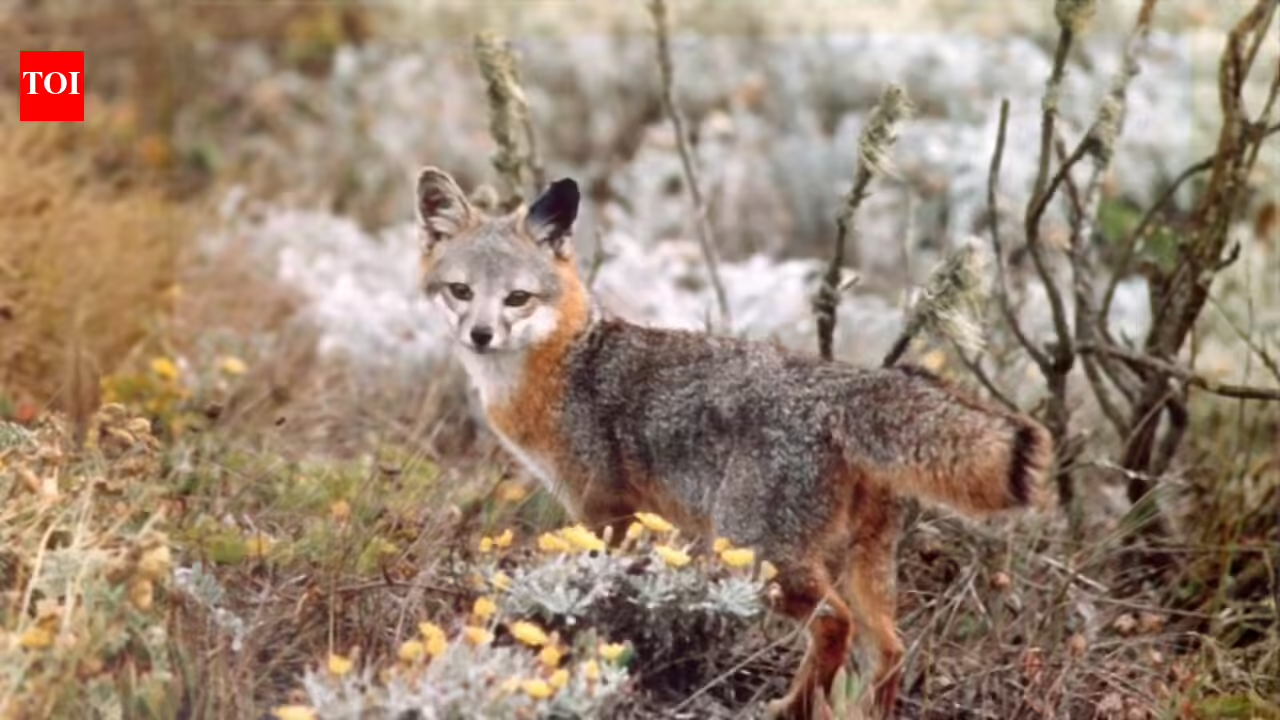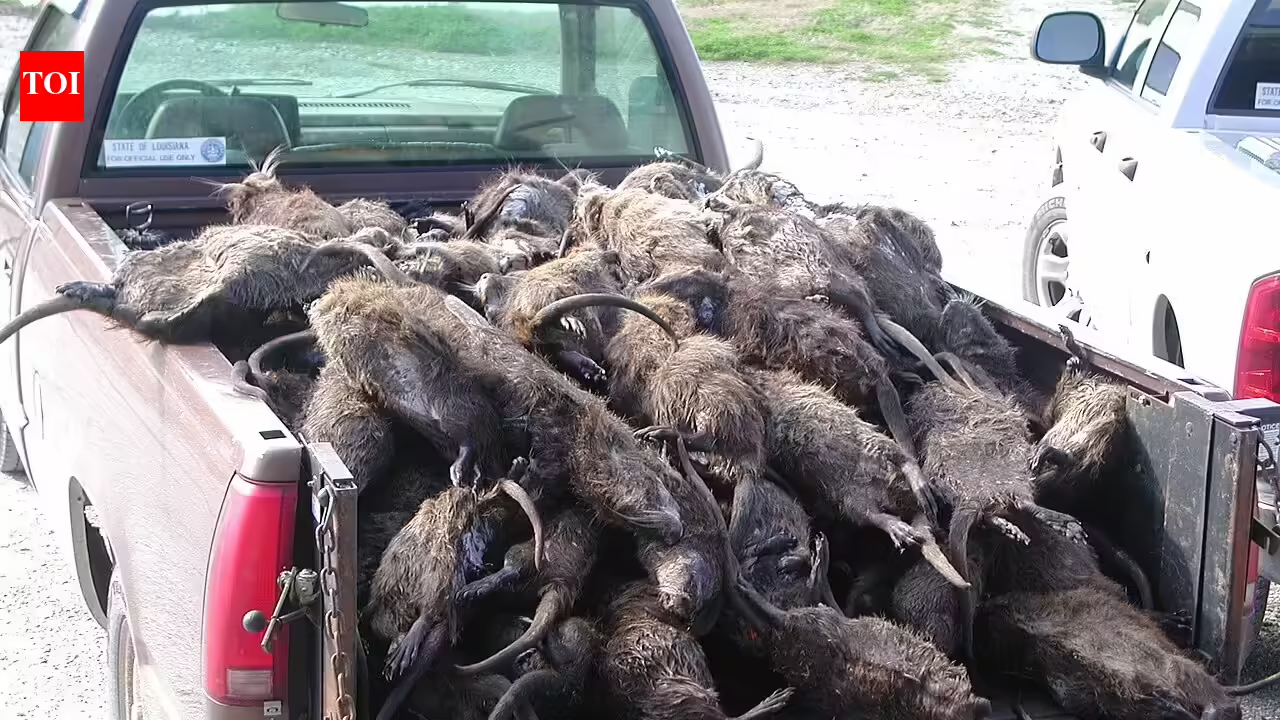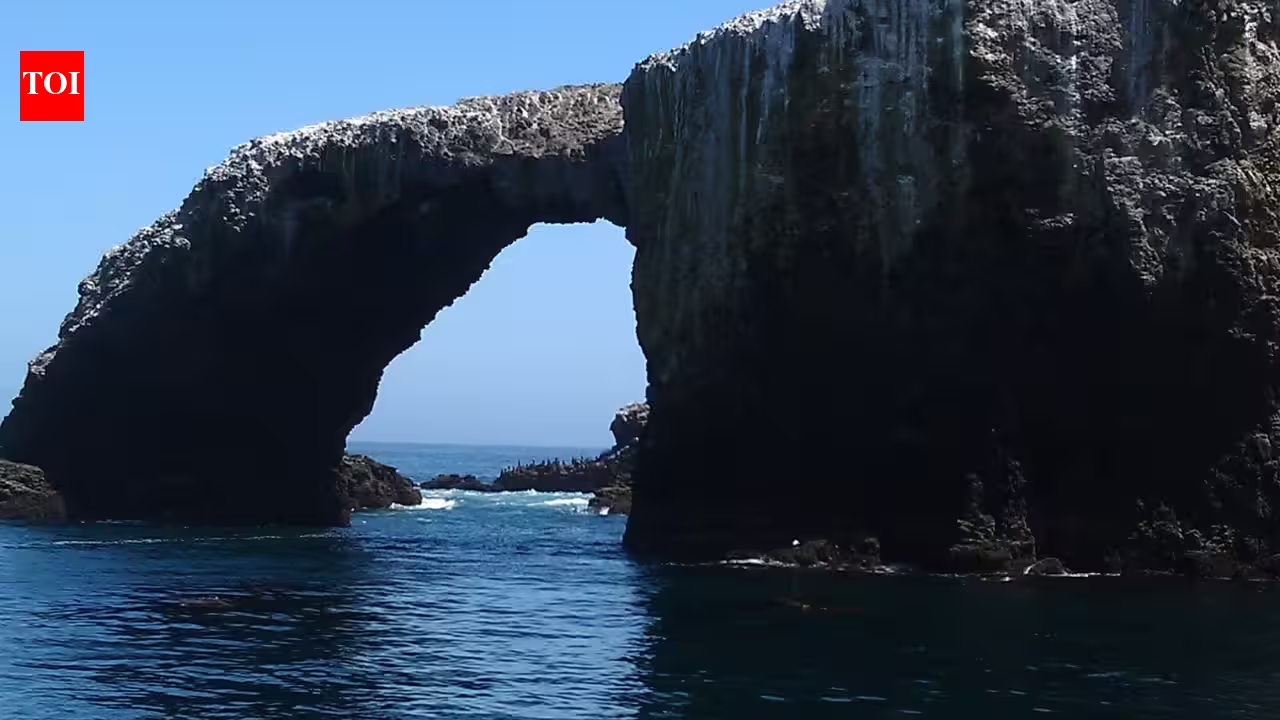
A natural bridge on the east end of the island | Wikimedia CommonsBlack rats have been slowly dominating Anacapa Island, which is a chain of rugged volcanic islets off Southern California that acts as one of the West Coast’s most important seabird nesting grounds. They were introduced accidentally by ships in the early 1900s, spread across the island, and began feeding on eggs, chicks, and native wildlife. Biologists had documented the scale of the damage by the late 1990s. Black rats were consuming about 70% of the eggs laid by the threatened Scripps’s murrelet, which is a small seabird that nests in rocky crevices found on only a handful of islands. According to the Channel Islands National Park, the losses threatened the future of one of the species’ largest breeding colonies, prompting one of North America’s most ambitious island restoration projects.A natural bridge on the east end of the island | Wikimedia CommonsHelicopters, poisoned grain and an unprecedented conservation experimentThe solution was controversial, but was planned carefully, and wildlife managers came to the conclusion that every rat territory had to receive toxic bait for the eradication process to succeed instead of relying on traps. Anacapa’s cliffs and inaccessible terrain made ground operations impossible, and helicopters that were equipped with precision hoppers flew low over the island, distributing green grain pellets that contain the anticoagulant brodifacoum. Crews also reached sea caves and shoreline ledges by boat to place bait by hand where aircraft could not safely operate. There were two stages to the operation, with East Anacapa treated in December 2001 and Middle and West Anacapa following in 2002. According to the National Park Service, this became the first aerial rodent eradication project in North America and was designed to get rid of invasive rats while protecting the island’s unique deer mouse through captive breeding and phased treatment.The project eventually faced legal backlash and public debate because of concerns over poison entering the environment and affecting non-target wildlife. Scientists spent years studying the island before the first helicopter ever took off: they mapped rat territories, tested bait preferences and developed mitigation plans for native species. A peer-reviewed study published in Oryx later showed how the eradication combined helicopter broadcasts, hand baiting, GPS-guided flight paths and temporary captive protection for the endemic deer mouse. The authors reported that the campaign was successful in removing black rats from all three Anacapa islets and establishing methods that later influenced island restoration projects elsewhere.Black rat | Wikimedia CommonsThe island began recovering almost immediatelyScripps’s murrelets were laying more successful nests within a few breeding seasons, Cassin’s auklets returned to breed on Anacapa after years of being absent, and ashy storm-petrels were recorded nesting on the island for the first time. Native deer mouse populations also recovered after their temporary protection measures ended. Ten years after the operation, the National Park Service reported that murrelet nests had quadrupled and egg hatching had increased by roughly 50%, while several native reptiles and seabirds were expanding across habitats once dominated by rats. It began as a helicopter campaign that scattered poisoned grain across 296 hectares of rugged island terrain, and is now regarded as one of North America’s landmark conservation successes.
In 2001, California began using helicopters to scatter poisoned grain across Anacapa Island after black rats devoured up to 70% of seabird eggs
Black rats have been slowly dominating Anacapa Island, which is a chain of rugged volcanic islets off Southern California that acts as one of the West Coast’s most important seabird nesting grounds. They were introduced accidentally by ships in the early 1900s, spread across the island, and began feeding on eggs, chicks, and native wildlife.
532 words~2 min read