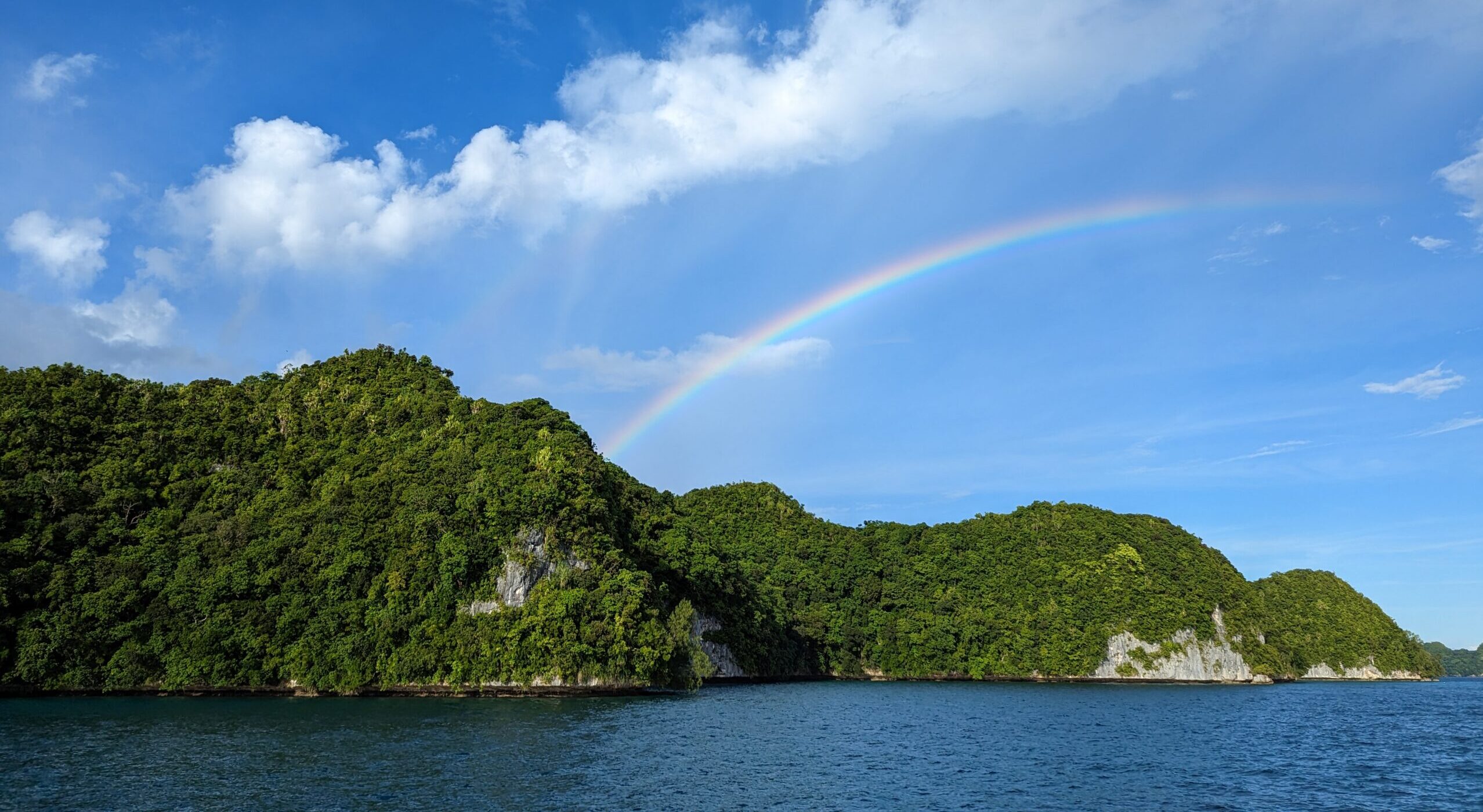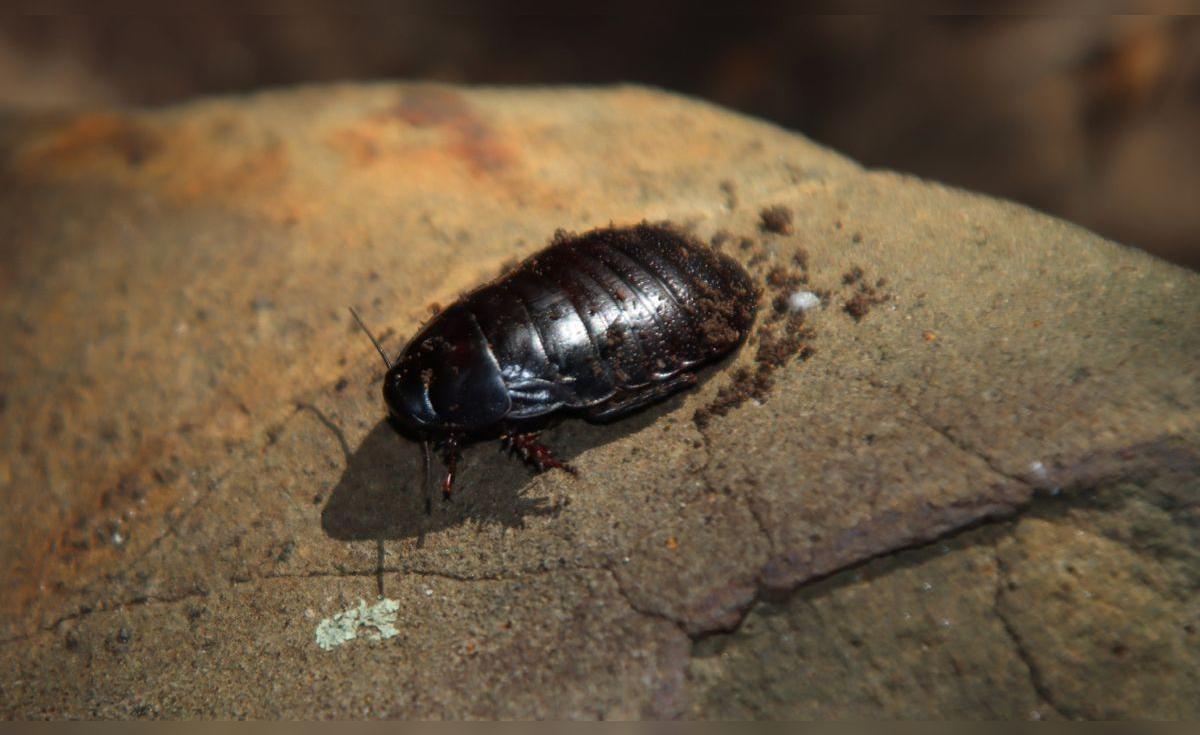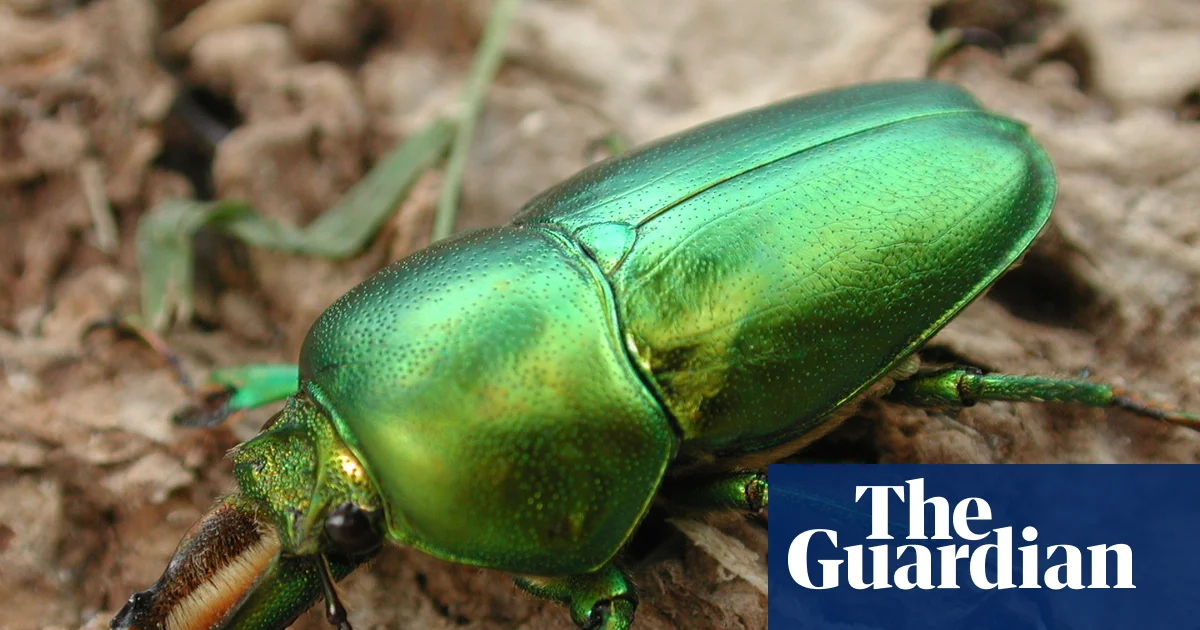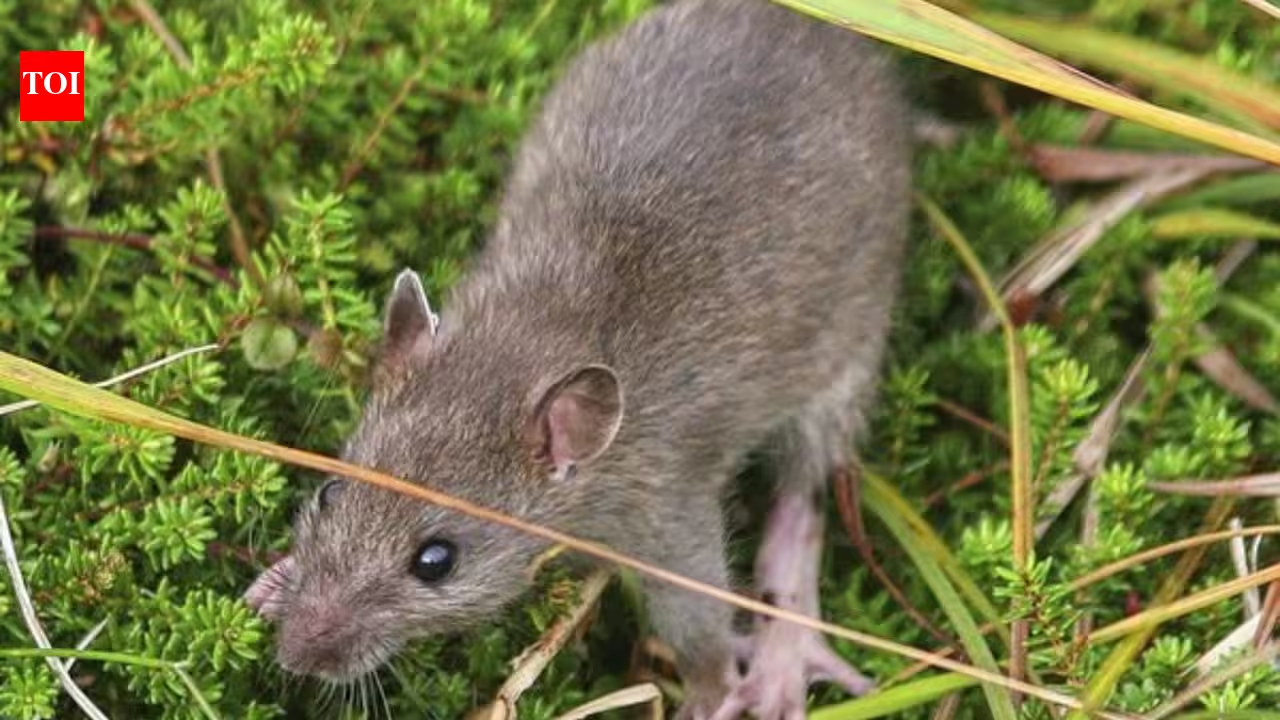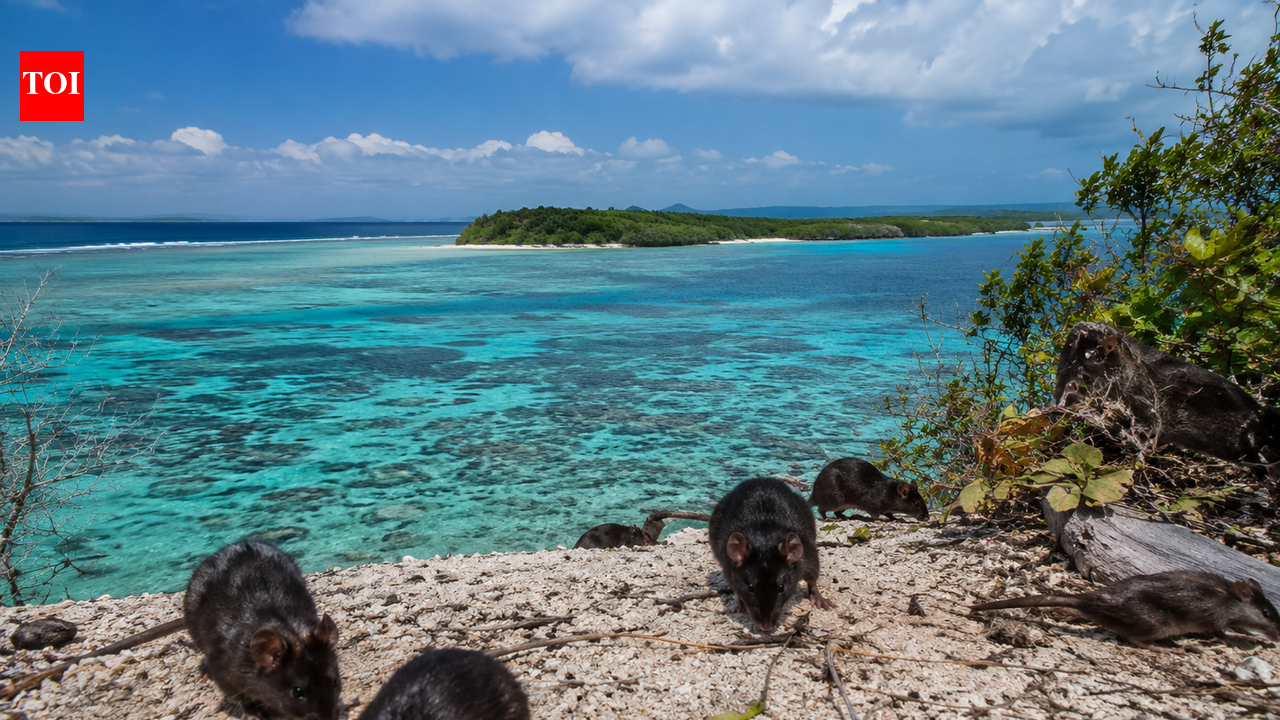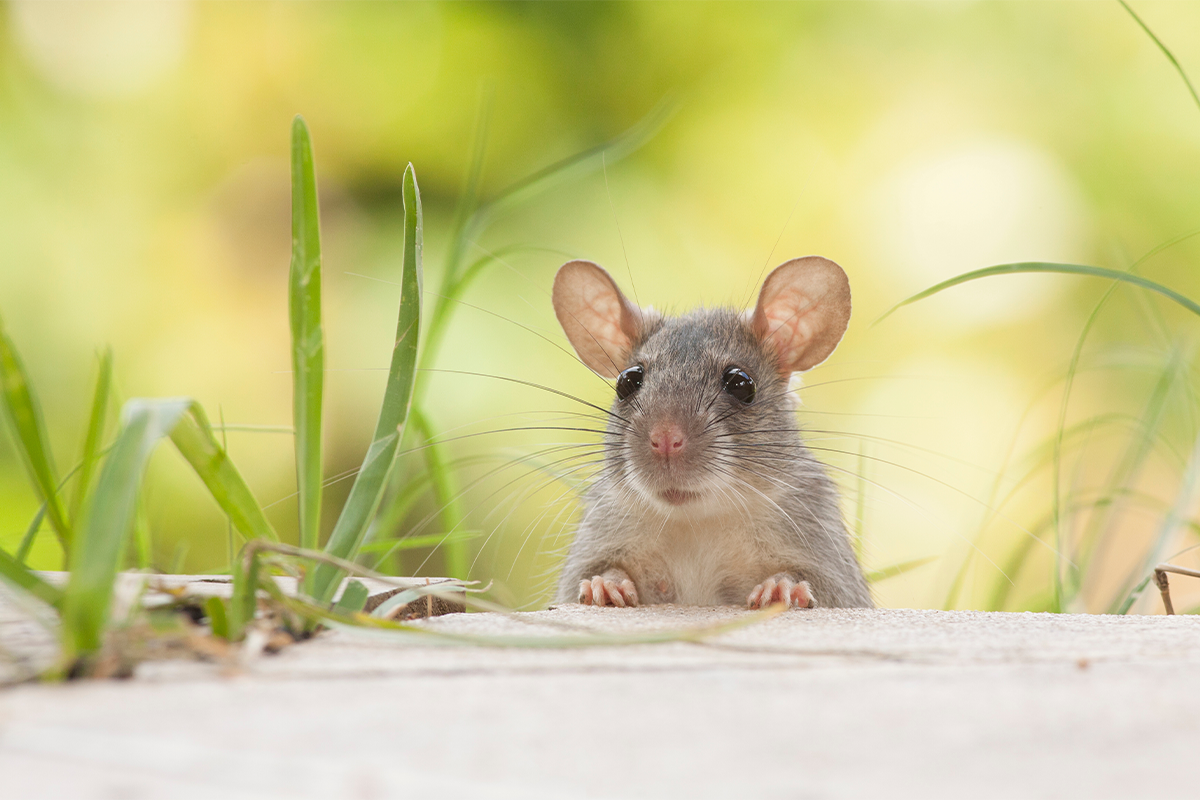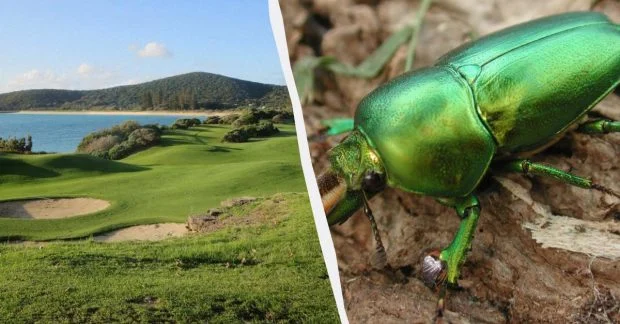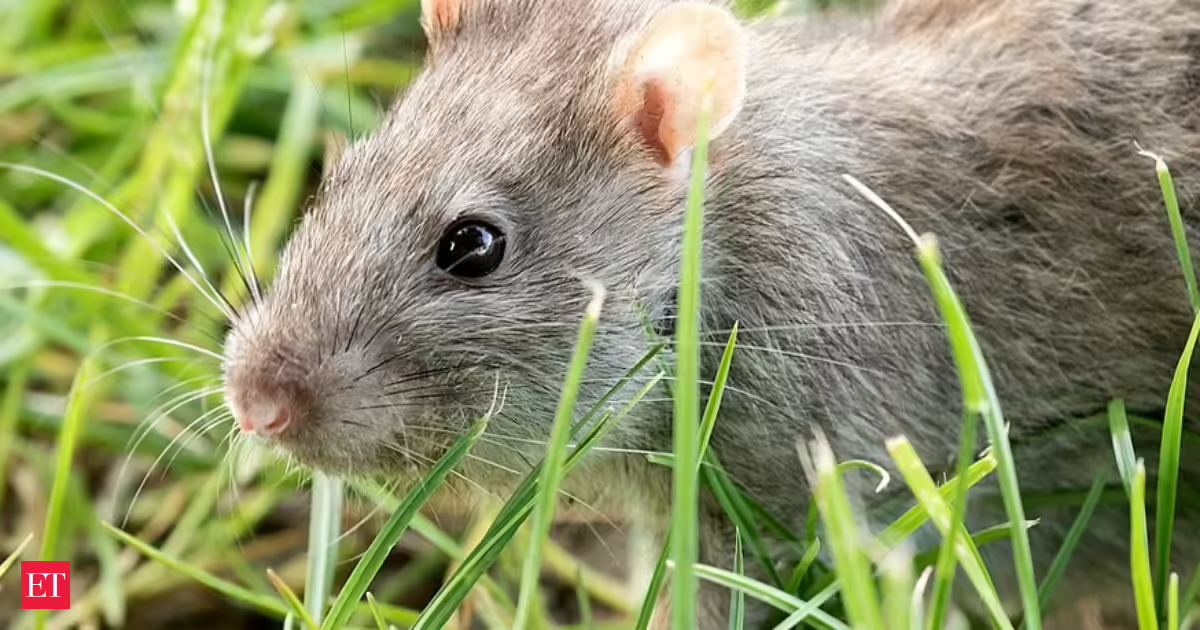
In 1918, a steamer ran aground near Lord Howe Island, a tiny, remote speck off the east coast of Australia, just under six square miles in size. Black rats ran from the wreck and up the beach of the island. House mice were already in place.What followed was a century of quiet devastation. Rats and mice spread through the island’s forests without natural predators to check their growth. They exterminated at least five bird species found nowhere else on Earth. They drove insects, beetles and land snails to local extinction. One stick insect was completely dislodged from the main island, and a tiny remnant population clung to life on a far-flung sea stack miles away.For over 100 years, the island’s ecosystem slowly unraveled.The world's biggest rat exterminationIn 2019, conservationists began what was to become the largest-ever attempt at rodent eradication on an inhabited island. Both species were wiped out using aerial bait drops, hand dispersal, and more than 20,000 ground stations. A full island survey in 2023 confirmed the result: zero rats, zero mice.The birds returned. Seabird numbers soared. Native land birds recovered. Scientists recorded all of it.But nobody had looked at what was going on in the leaf litter until now.Image Credits: ChatGPT| With no natural predators on the island, invasive rodents devastated native species for more than 100 years.The bugs nobody was looking atSo a research team led by PhD candidate Maxim Adams from the University of Sydney, and including colleagues from the New South Wales environment department, set out to find out what had happened to the island’s invertebrates, such as the insects, spiders, cockroaches and woodlice that live underfoot.They compared invertebrate samples collected before the 2016-17 eradication program with new samples collected in 2023-24, based on more than 24,000 specimens from 20 forest sites. What they came up with was messy, surprising, and important.Post-eradication, there was a significant increase in total invertebrate abundance, especially in larger-bodied species that are more vulnerable to rodent predation. Orders such as native bush cockroaches and woodlice showed strong increases, and there were also changes in the composition of overall invertebrate communities.Size was the giveawayThe most revealing detail? Body size. Invertebrates over half an inch long, the size rats love to eat, increased much more sharply than smaller ones. The number of larger spiders, cockroaches and woodlice all increased.“We found dramatic increases in larger invertebrates, which is exactly what you would expect if invasive rodents had been preying on them,” said Adams.The pattern is consistent with what broader science has long established. Invasive rodents are a significant threat to island invertebrates globally, with the largest bodied invertebrates being the most at risk from both direct predation and indirect effects through cascading impacts on other species in the ecosystem, according to a study published in Biological Conservation.Image Credits: Wikimedia Commons| Once pushed to the brink of extinction by invasive rodents, the Lord Howe Island stick insect became a symbol of what was nearly lost.The Lord Howe findings now give real numbers to that concern on a documented timeline.Recovery is real but unevenSome species never bounced back. Beetles, typically among the first to rebound after rodent removal on other islands, barely budged. That puzzled the scientists. One likely scenario is that the largest, most edible species of beetle may have been lost before any surveys were even conducted, victims of the rat century that no one recorded.According to the study, published in Biological Invasions, invertebrates’ recovery may already be helping fuel rebounds in native wildlife populations, as these animals are also an important food source for native predators, including geckos and insect-eating birds.It’s a food web that is beginning to reknit itself from the bottom up.What this means beyond one islandLead researcher Professor Nathan Lo was careful not to oversell the result.“This is not a story of ecosystems instantly snapping back to some untouched historical state,” he said. “Recovery after invasive species removal can take years or decades, and ecosystems may settle into entirely new configurations.”Image Credits: Wikimedia Commons| Just under six square miles, Lord Howe Island became ground zero for one of conservation's most ambitious experiments.The Lord Howe findings offer a practical lesson for conservation managers in the U.S. and around the world, where invasive species cost the American economy an estimated $21 billion per year. They show us which groups to expect surges from, which groups may need active reintroduction and how to design monitoring programs that get the full picture, not just the easiest species to count.The response of invertebrate communities is of great scientific interest, as studies of post-rodent-eradication recovery on islands have generally focused on endangered birds, mammals, or reptiles, leaving the invertebrate story largely untold, according to a study by O’Dwyer et al. published in Biological Invasions.This is changing at Lord Howe Island. One bug at a time.
In 1918, rats escaped from a shipwreck onto a remote island, and more than a century later, scientists discovered an unexpected consequence
Over a century after invasive species devastated Lord Howe Island, scientists uncover the remarkable recovery of invertebrate populations following a successful rat and mouse eradication program, highlighting the complexities of ecological restoration.
801 words~4 min read