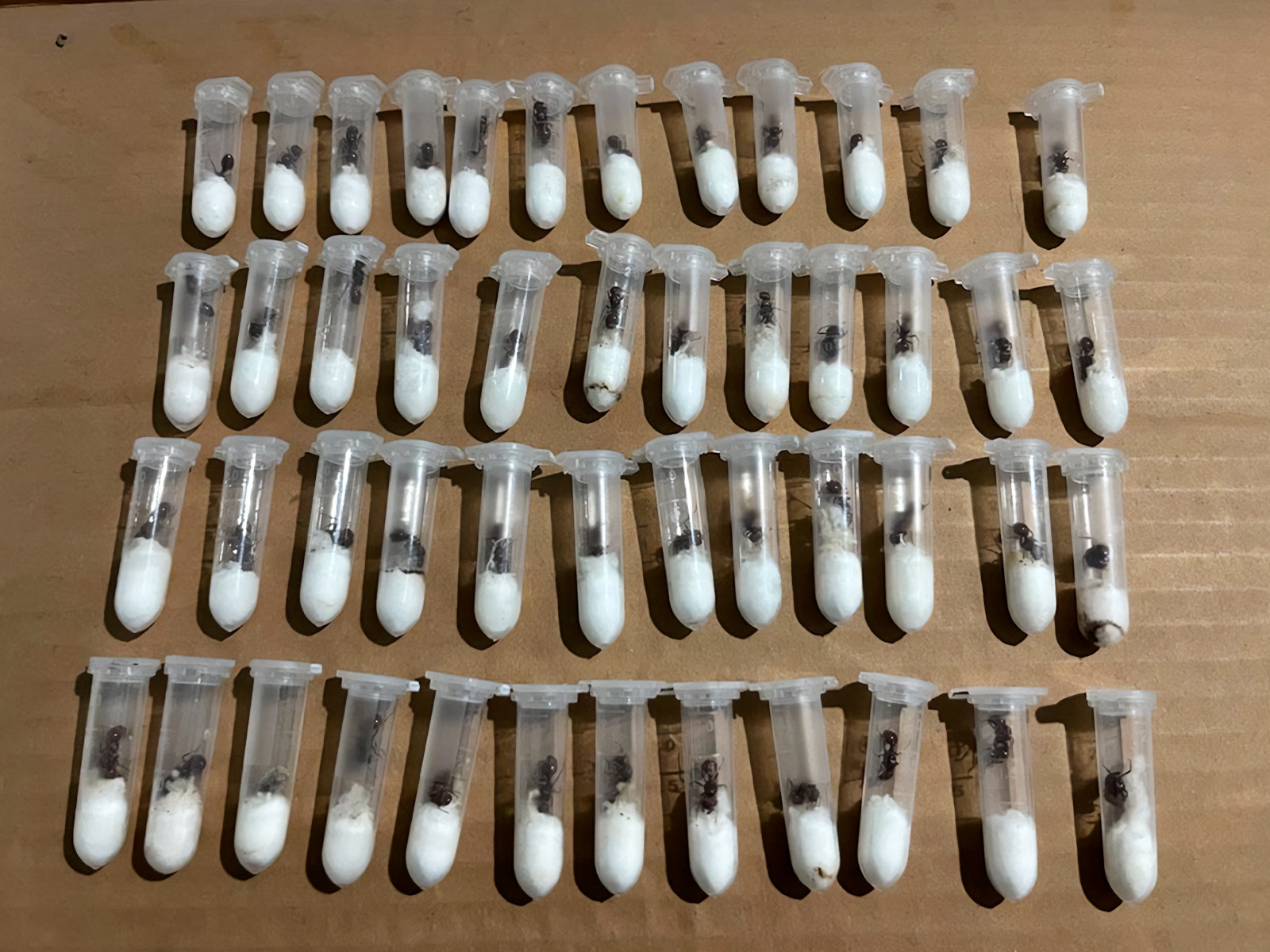
They are unusual pieces of evidence that regularly appear in Kenyan courtrooms: thousands of ants packed into tiny containers.
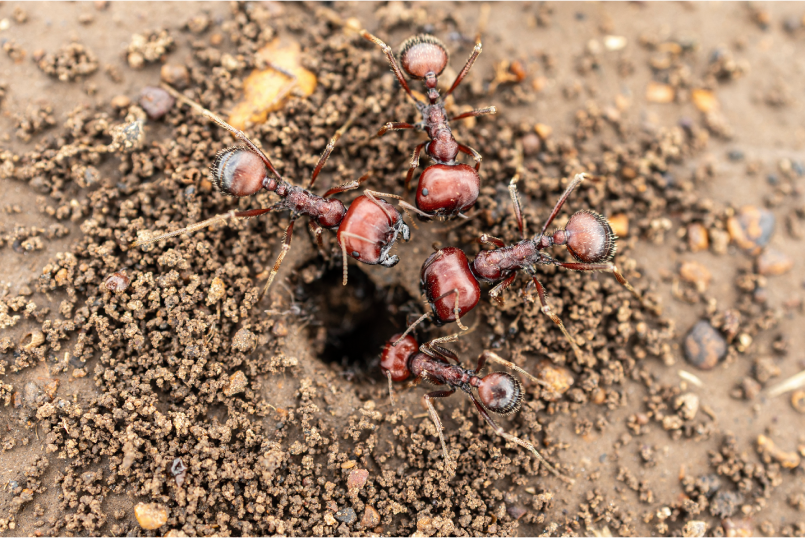
Since 2025, such finds have been presented in court several times. Staff from the Kenya Wildlife Service discovered them during baggage inspections. In multiple cases, they identified thousands of specimens of the sought-after Messor Cephalotes species also known as the Giant African Harvester Ant. A single queen can fetch more than €200 ($230) on the market.
The export of wild animals is generally prohibited in Kenya. Due to high levels of poaching — particularly involving elephants and rhinoceroses — many African countries have introduced tough laws against wildlife trafficking.
Kenya has also tightened its legislation. Under these rules, a Chinese national who attempted to export ants was sentenced last April to one year in prison for biopiracy. Given the growing scale of smuggling and its ecological consequences, the judge said the sentence should serve as a deterrent.
It was already the second major ant-smuggling case in 12 months. The previous year, the wildlife service stopped four men who referred to themselves as the "Ant Gang." Among them were two 19-year-old Belgians who were trying to smuggle 5,500 queens to Europe. They were fined around €5,000 each.The complex organization of ant colonies also fascinates animal keepers in GermanyImage: Simone Schlindwein/DW