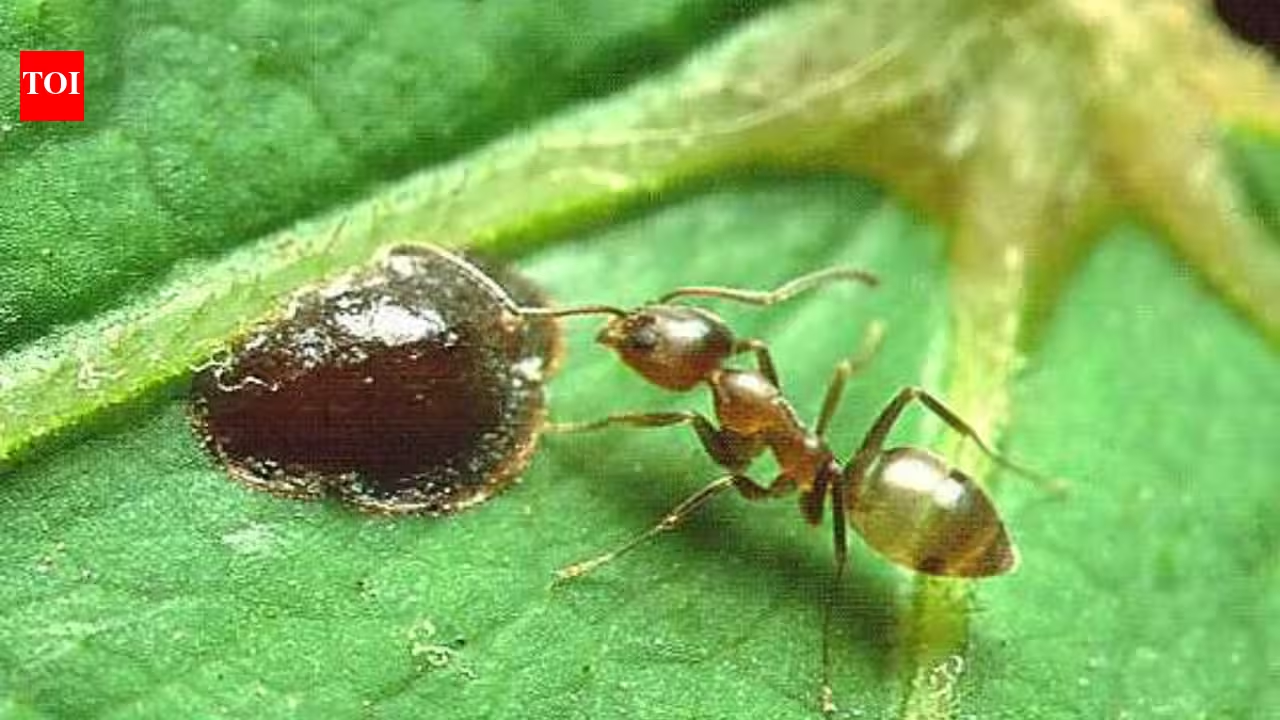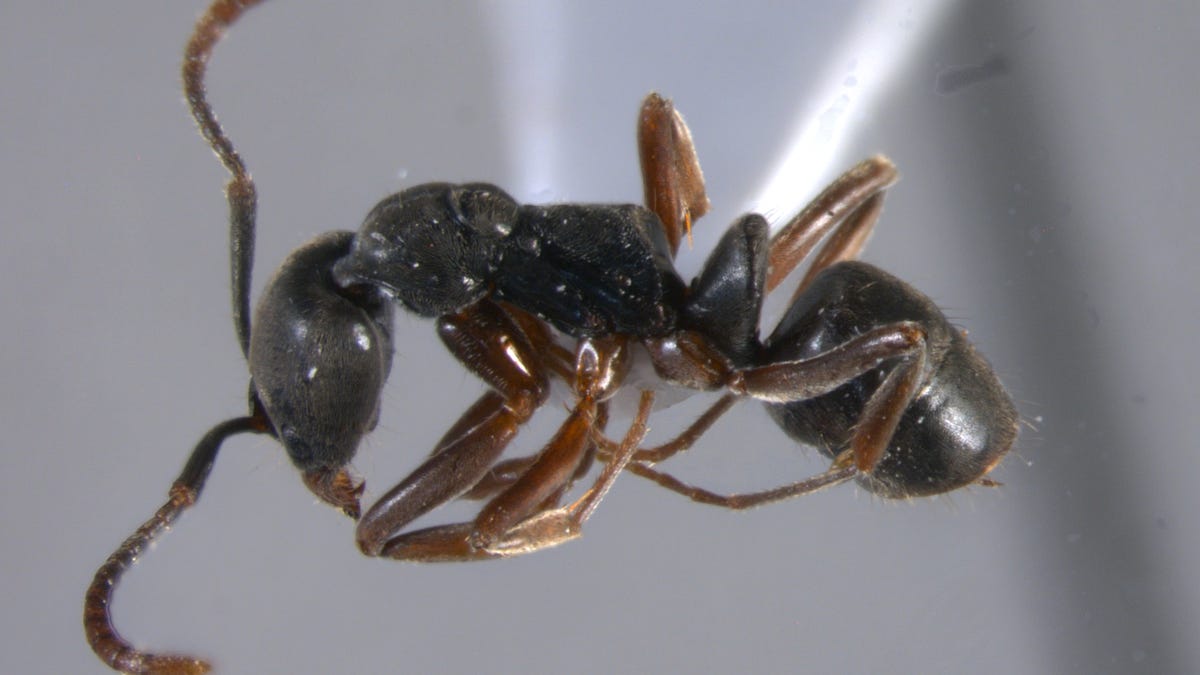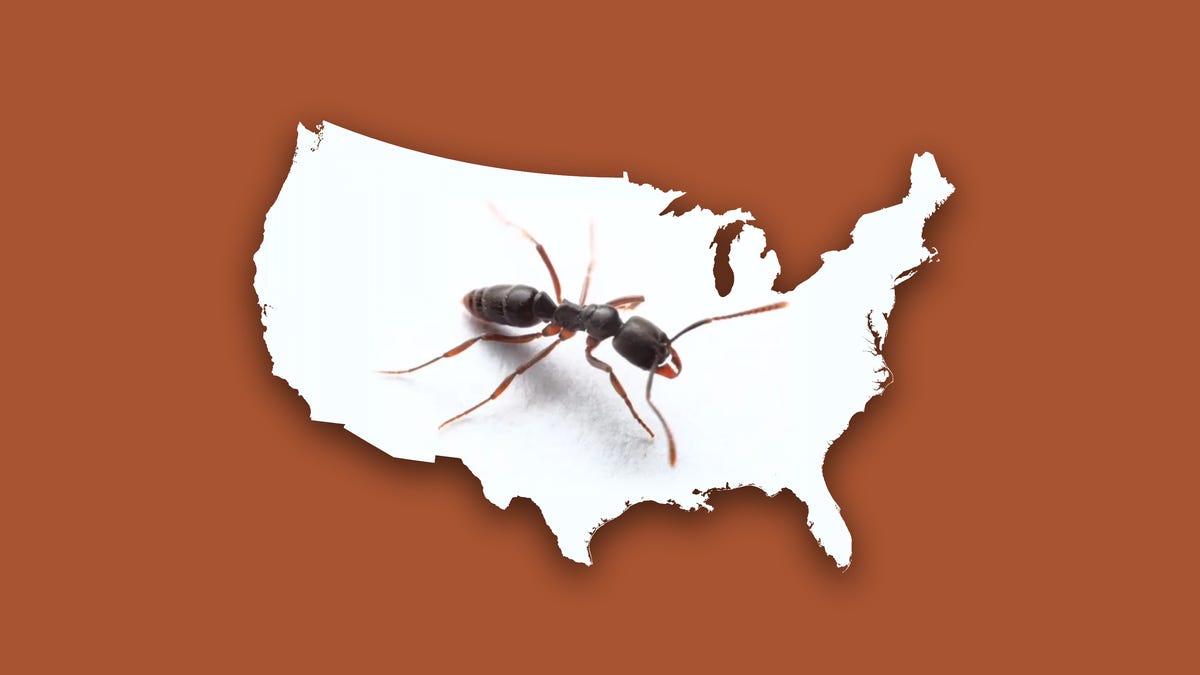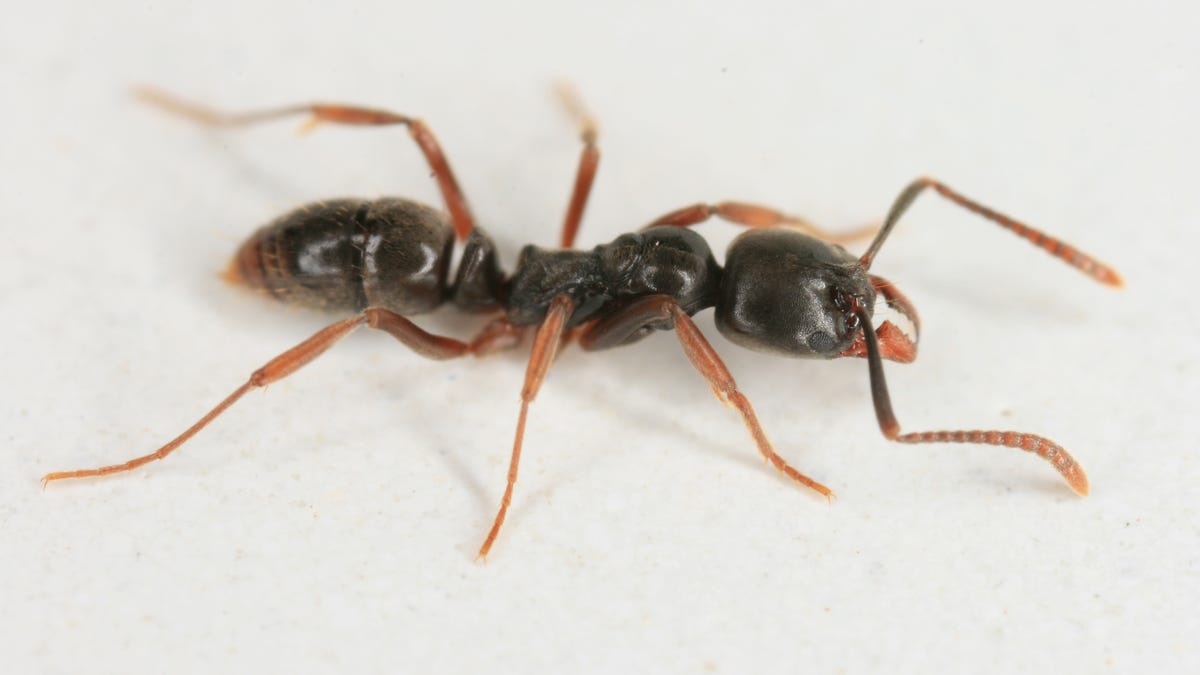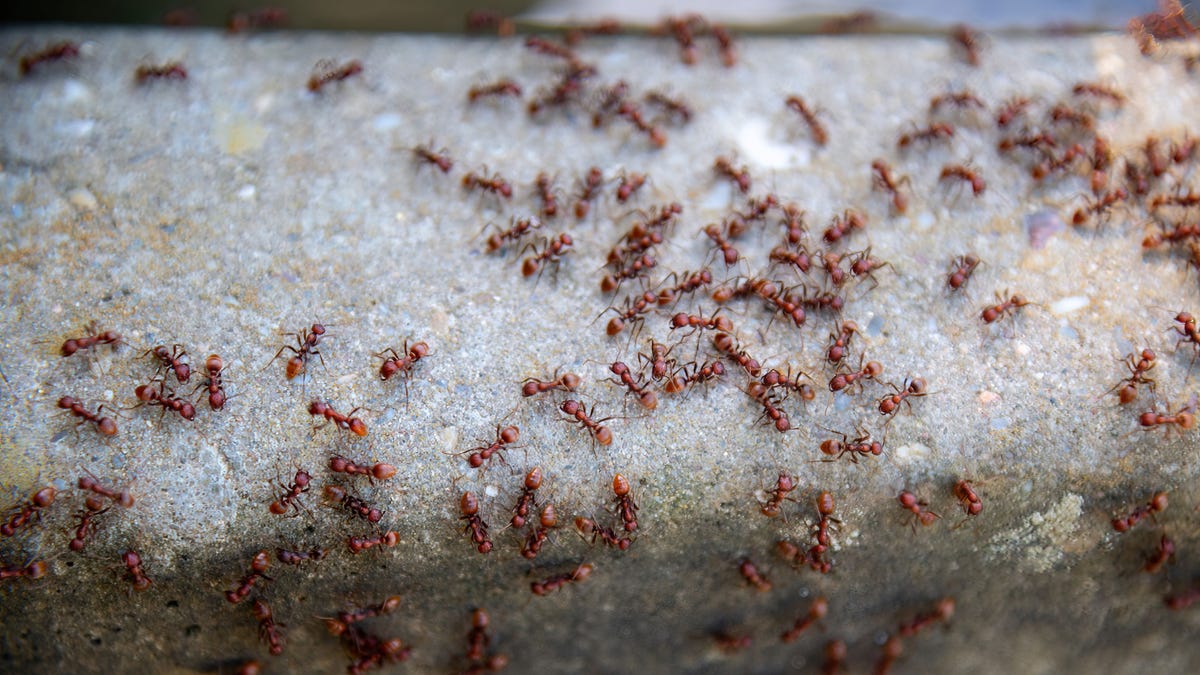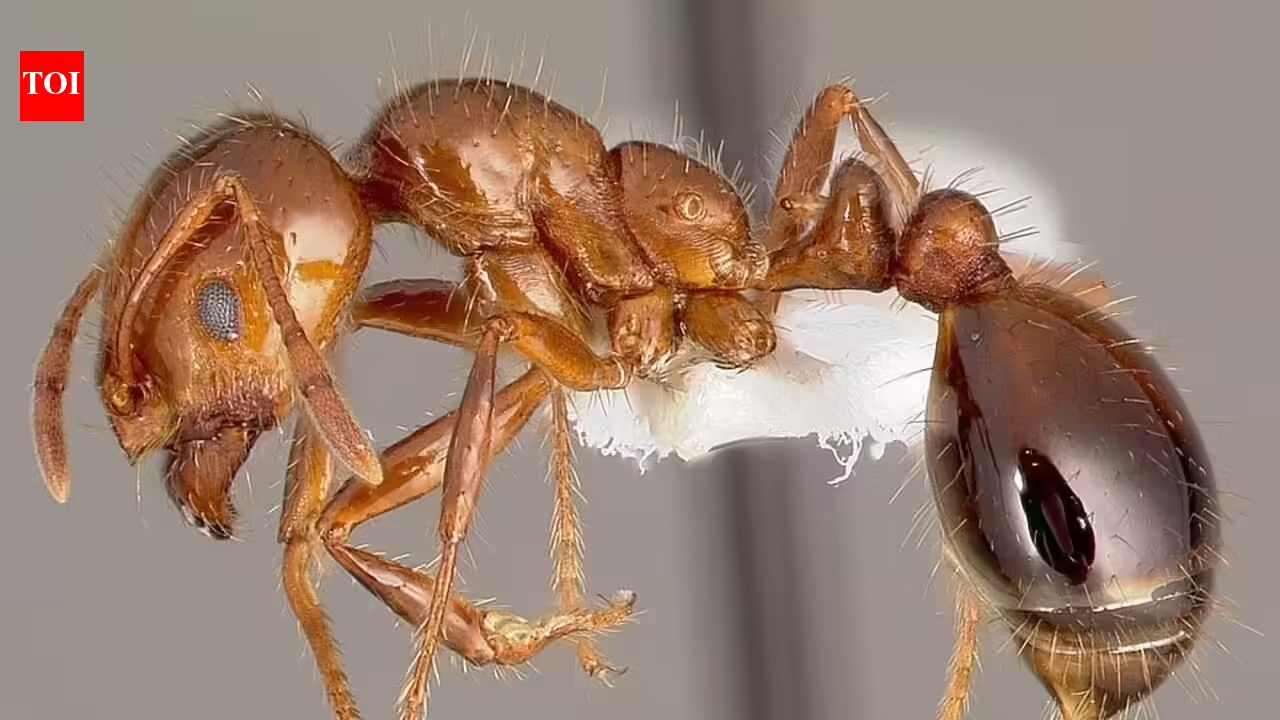
Close-up of a red imported fire ant (Solenopsis invicta), an invasive species known for its painful sting, aggressive behavior and ability to establish large, fast-growing colonies. Image Credits: Wikimedia Commons.When cargo ships unloaded in the bustling port of Mobile, Alabama, in the late 1930s, little attention was paid to the soil used as ballast. After all, it was merely one of the many components of international business, an efficient method of ensuring stability when travelling across the Atlantic. However, hidden in this ballast was a tiny creature.The reddish-brown ants, native to South America, inadvertently crossed the Atlantic. Once released from the ships, they found Alabama’s climate similar to their native habitat. The lack of natural predators allowed for the rapid growth of the insect population, and they quickly spread from the fields and roadside areas to farms, suburbs and other parts of the community. Almost a hundred years on, those stowaways are now considered harmful invasive species in America. Their painful stings, large mounds and rapid spread have altered parts of the Southern countryside.How fire ants invaded the United States According to the U.S. Department of Agriculture's National Invasive Species, the red imported fire ant (Solenopsis invicta) is native to South America. It is believed to have arrived in the United States through the Port of Mobile, Alabama, in the late 1930s, most likely in soil used as ballast aboard commercial cargo ships. From there, the species spread naturally through mating flights and flooding, while human activities such as transporting nursery plants, sod and soil accelerated its expansion across the southeastern United States. Today, the red imported fire ant is established across much of the southern United States and continues to spread through the accidental movement of infested soil, plants and other agricultural materials.The USDA also notes that preventing the movement of infested materials and colonies remains one of the most effective ways to slow the species' further spread. Red imported fire ants are highly adaptable and thrive in a wide range of environments, particularly areas disturbed by human activity, including lawns, pastures, roadsides, parks and agricultural fields. Their colonies build dome-shaped earthen mounds that may appear harmless until disturbed. When threatened, hundreds of worker ants emerge within seconds, bite the skin to anchor themselves, and then deliver multiple venomous stings. For most people, the stings cause an intense burning sensation followed by itchy, white pustules that can persist for several days. In some cases, individuals may experience severe allergic reactions that require immediate medical attention.The economic and ecological cost of fire ants The impact of the red imported fire ant extends far beyond painful stings. In agriculture, fire ants damage crops, injure newborn livestock and interfere with harvesting equipment. Their large mounds can blunt mowing machinery, obstruct irrigation systems and reduce the usability of pastureland. Wildlife is also affected, as fire ants prey on ground-nesting birds, reptiles, amphibians and small mammals while competing with native ant species for food and habitat. Urban areas face their own challenges. Fire ants often invade electrical equipment, damaging traffic signals, air-conditioning units, utility boxes and other infrastructure. Schools, parks, golf courses and residential neighbourhoods require regular treatment to keep infestations under control.According to the U.S. Department of Agriculture (USDA), not only is Solenopsis invicta one of the most studied invasive ants in the world and is listed among five ant species ranked among the world’s 100 worst alien invasive species, but it also estimates that annual spending to control red imported fire ants and repair the damage they cause exceeds US$6 billion.A colony of red imported fire ants (Solenopsis invicta) swarms across the soil surface, forming densely populated nests that can contain hundreds of thousands of workers. Image Credits: Wikimedia Commons.A lasting invasive threat Managing fire ants is difficult because eliminating one mound rarely solves the problem. Colonies can relocate, split or quickly recolonise treated areas. Integrated pest management strategies combine bait insecticides, mound treatments, biological control and careful monitoring, while state and federal agencies enforce quarantines designed to reduce the accidental movement of infested materials.Despite decades of research and control efforts, eradication has not been achieved across the ant's established range. Instead, management focuses on reducing populations and limiting their spread into new regions. The story of the red imported fire ant shows how a routine part of international commerce can have major ecological consequences. The ants arrived unseen in ship ballast soil and have become one of North America’s most difficult invasive species to control. Nearly ninety years after their arrival on the Alabama coast, these unintentional stowaways remain a major ecological force.
In the 1930s, South American fire ants likely arrived in Mobile, Alabama, in ship ballast soil, and today their stinging mounds cover much of the US South and cost billions to control
When cargo ships unloaded in the bustling port of Mobile, Alabama, in the late 1930s, little attention was paid to the soil used as ballast. After all, it was merely one of the many components of international business, an efficient method of ensuring stability when travelling across the Atlantic.
762 words~3 min read