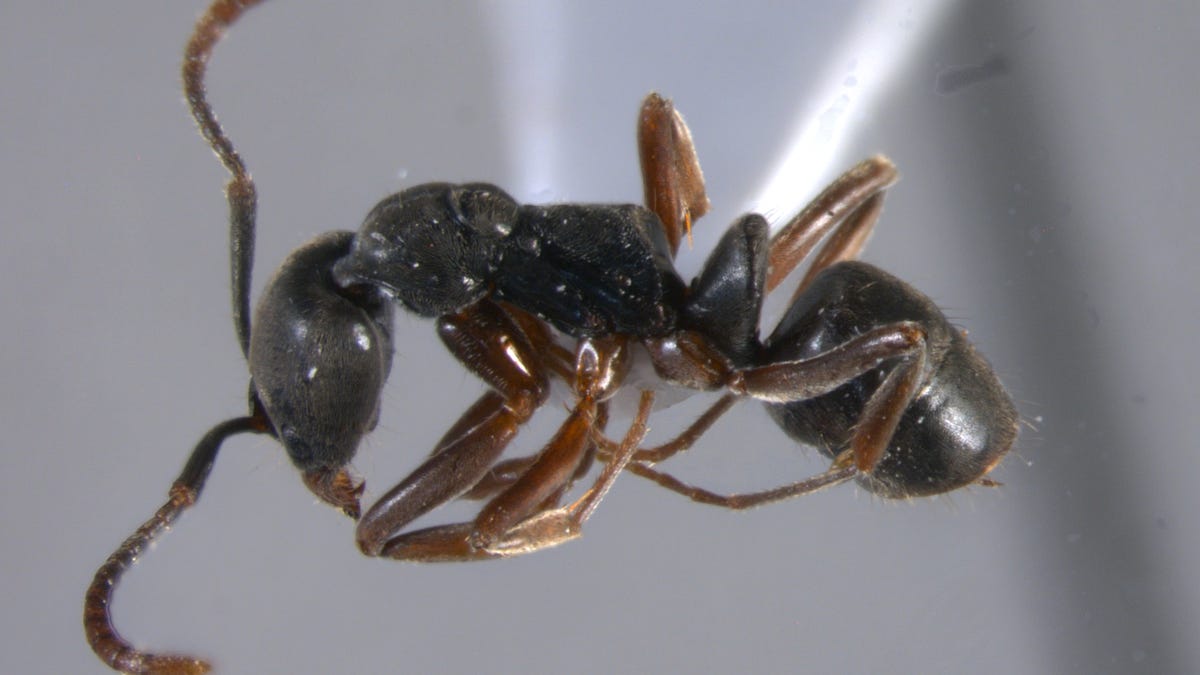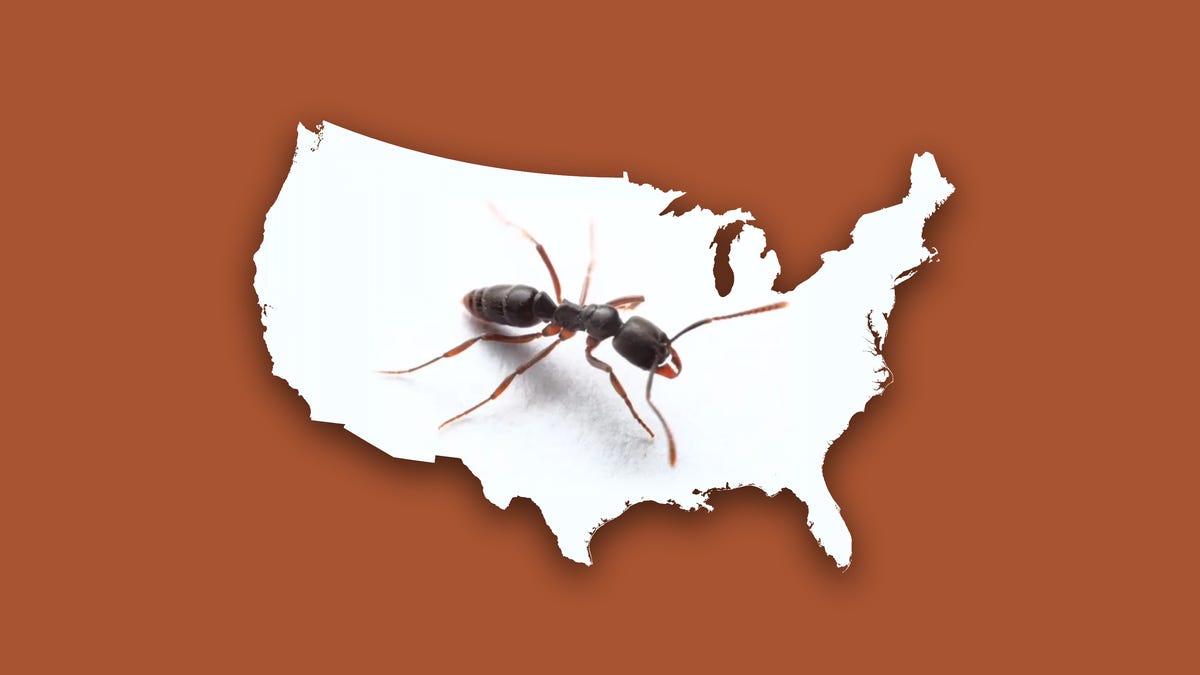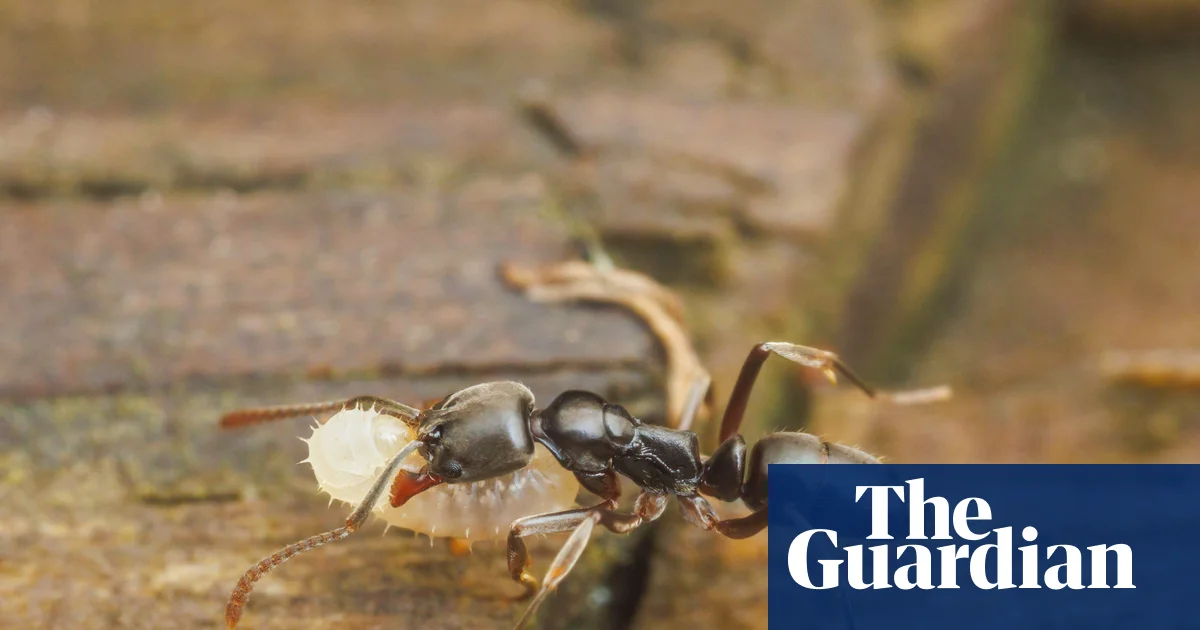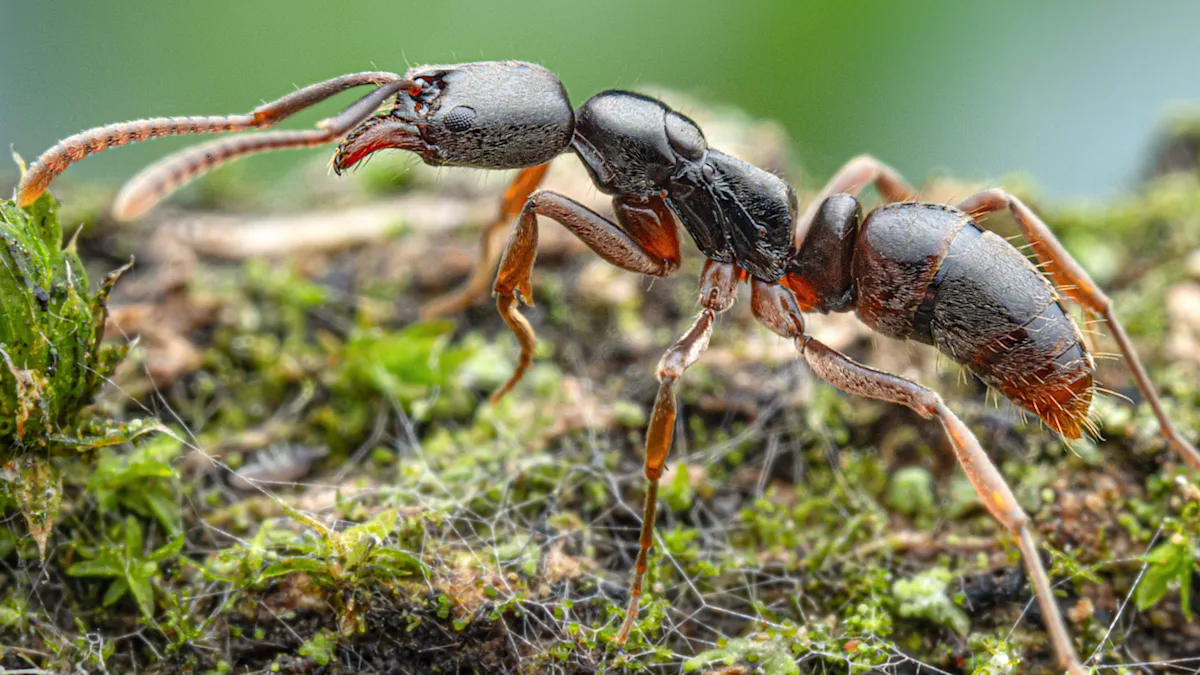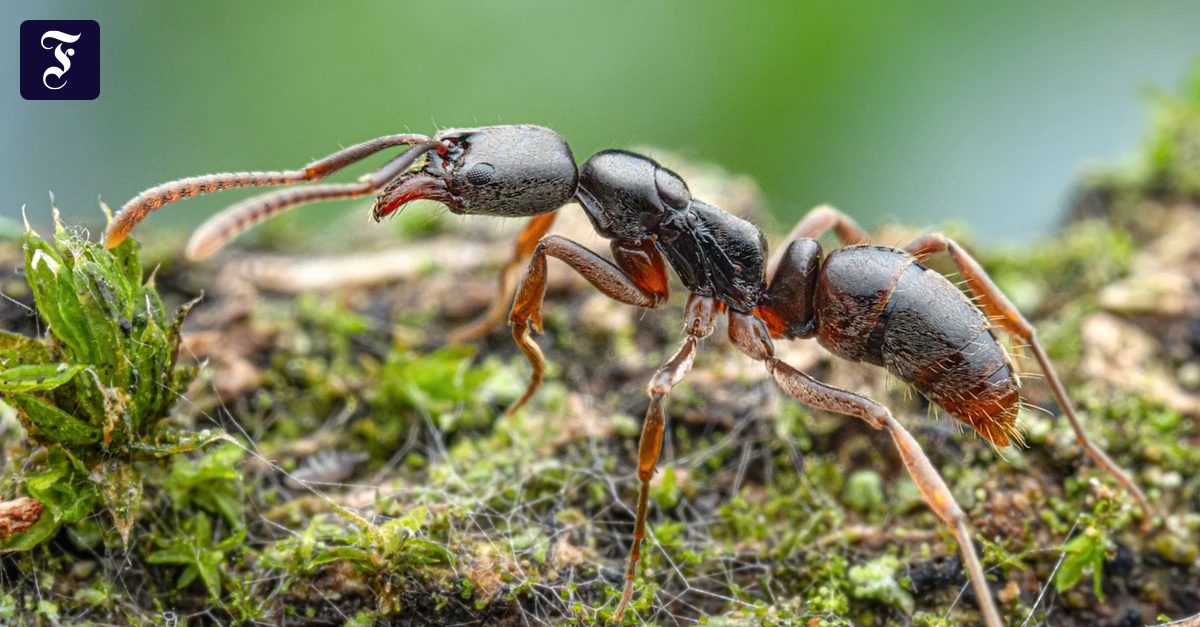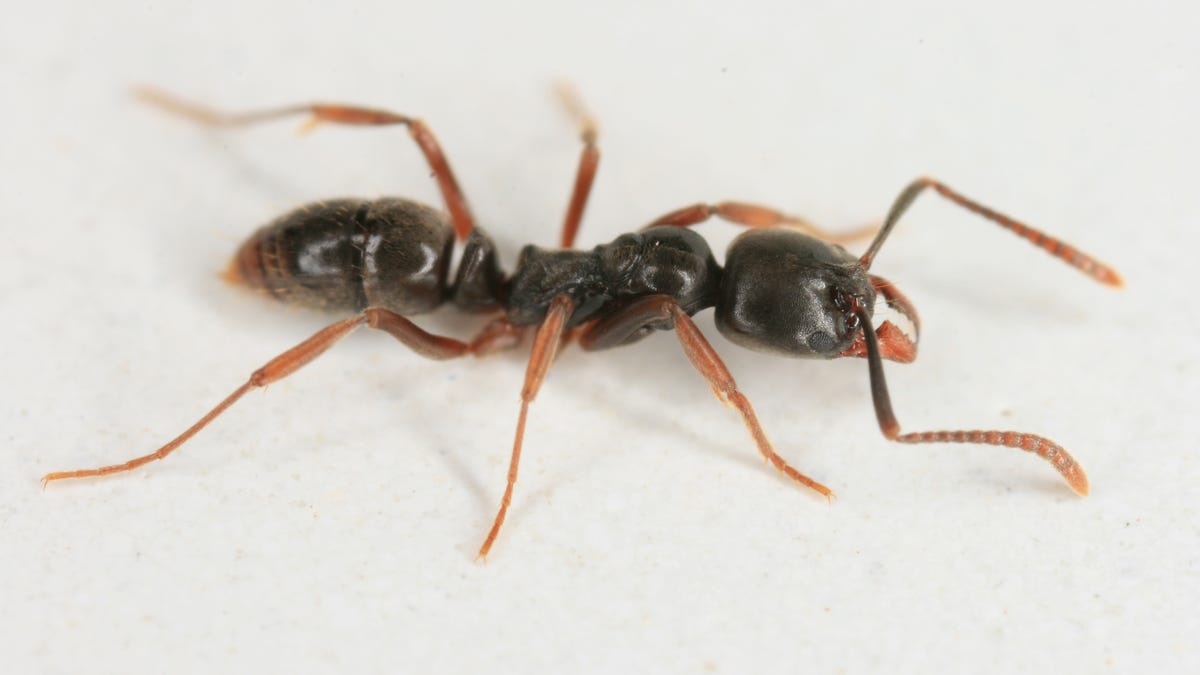
An invasive species of stinging, carnivorous ants have been slowly spreading in about 20 states.
Last year at least three cases of life-threatening anaphylactic reactions were reported in Georgia, making this little (and little-known) insect a growing problem.
"Asian needle ants" will reach their yearly peak numbers in July and August, but it will still be tough to spot them, even if you get stung by one. They are so small and blend in so well that stings often occur when someone — perhaps while gardening or moving wood – unknowingly disturbs them.
"Imagine somebody inserting a needle directly into your flesh," said Benoit Guénard, a professor of ecology and entomology at the University of Hong Kong who studied the ants in North Carolina. "It's a very sharp, acute pain but it's quite local."
Tracking them has long been a challenge, but researchers now say the spread of the Asian needle ant shouldn't be ignored.