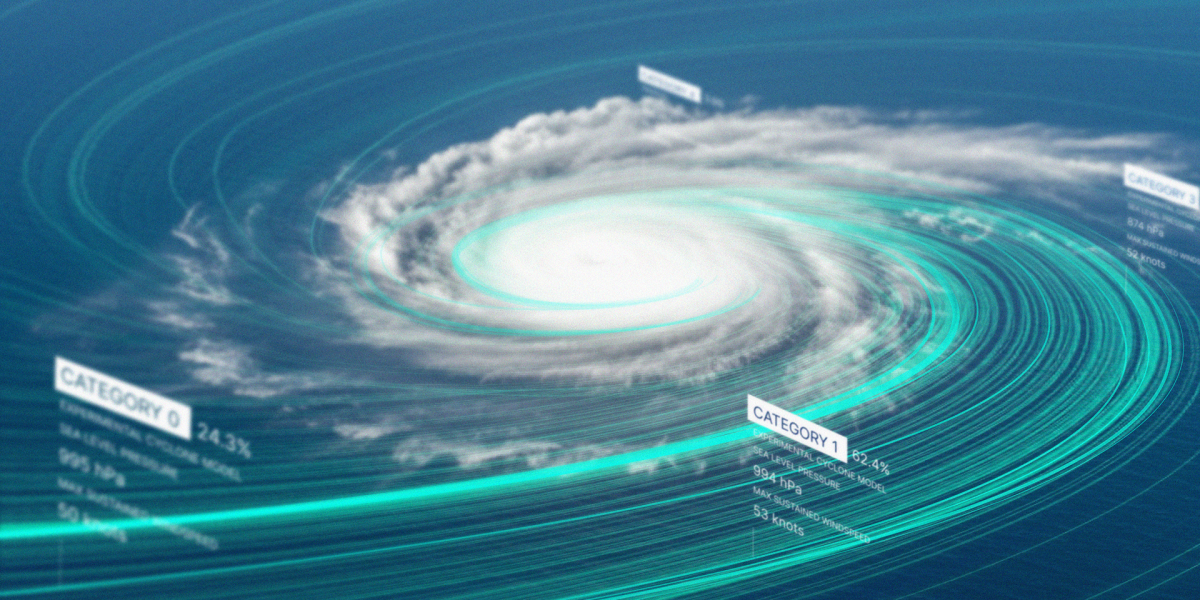
The artificial-intelligence weather boom has a dirty secret. For all the talk of models that see storms days ahead, an AI forecaster is only as good as the observations that feed it, and lately those have run thin.
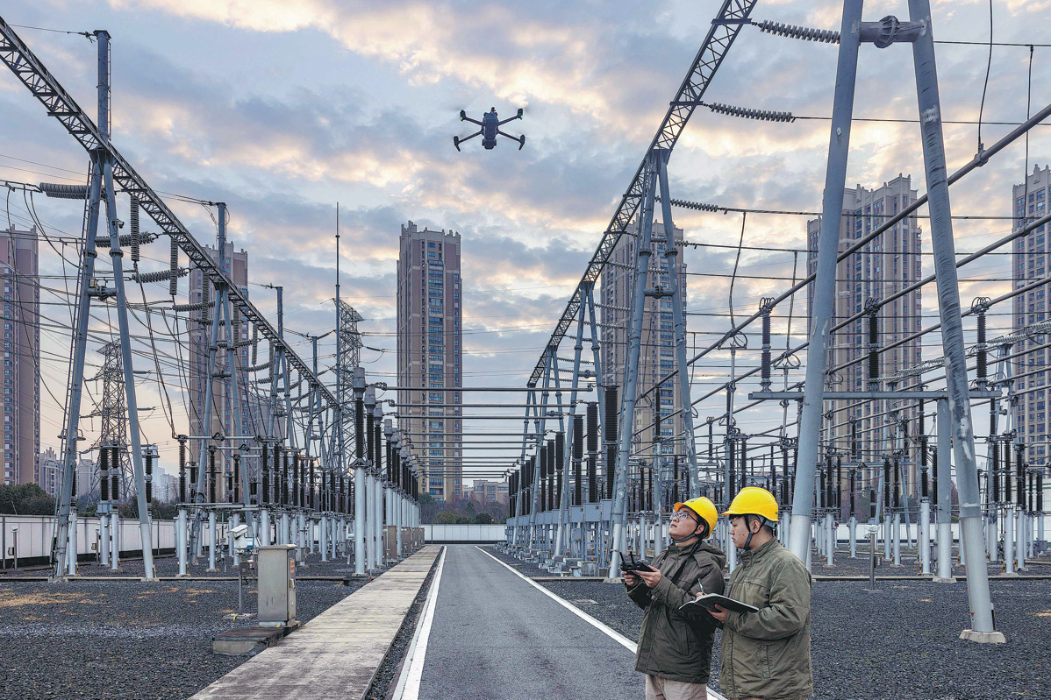
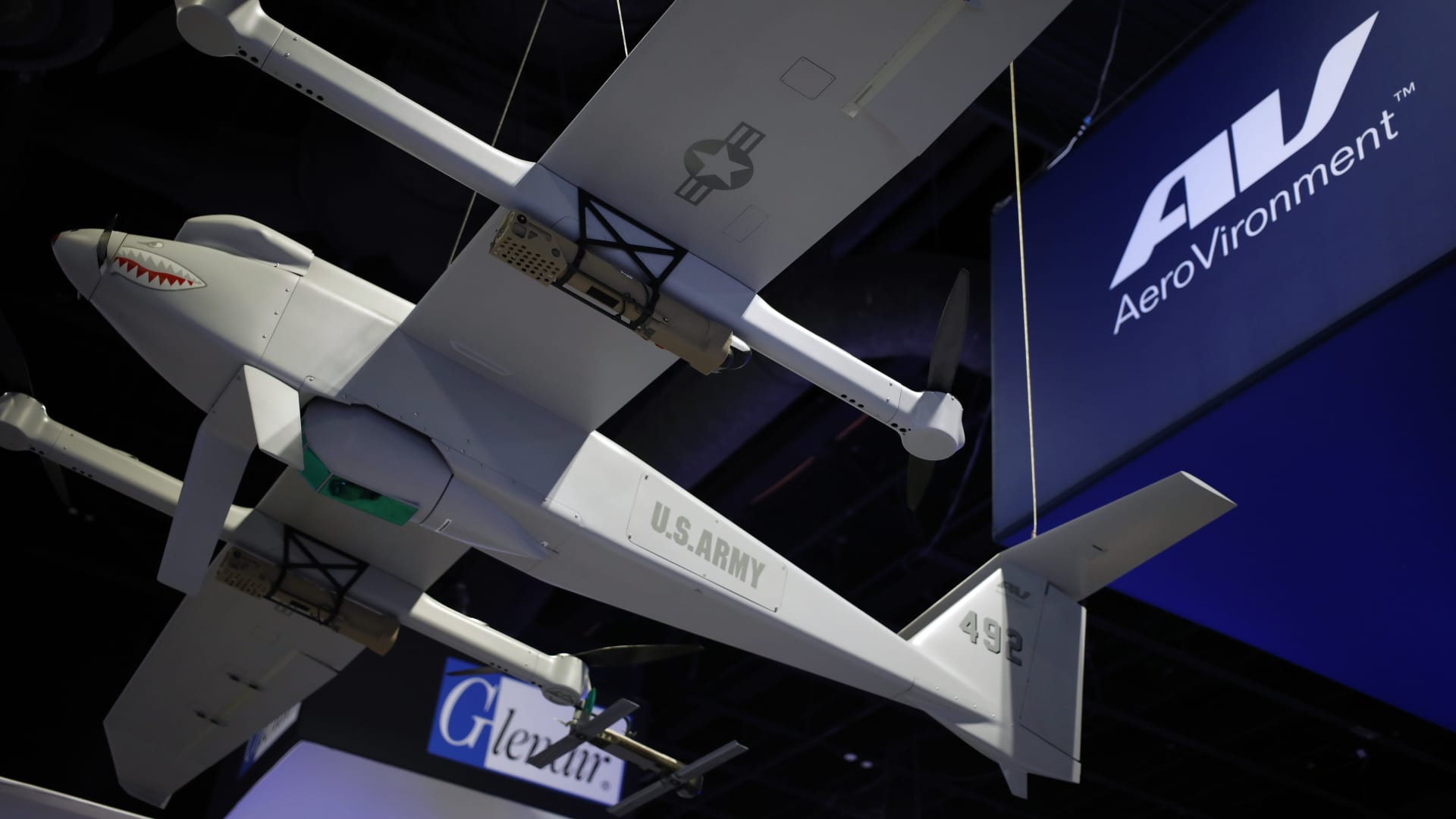
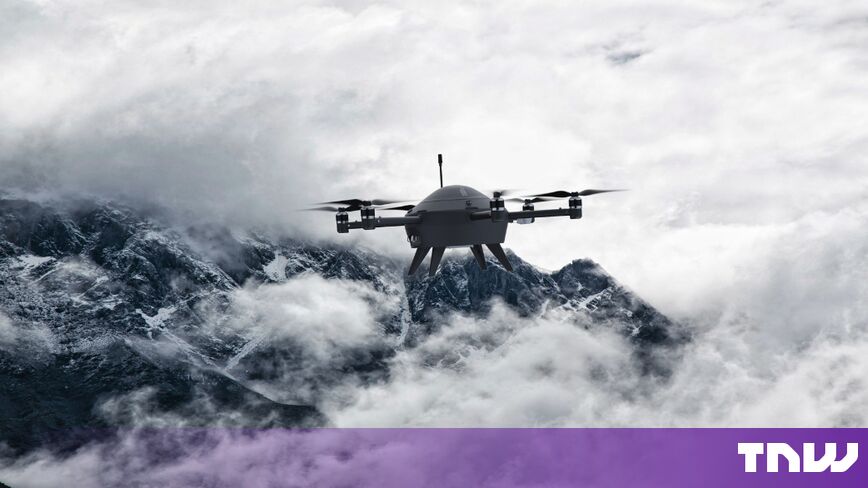
According to Bloomberg, drones are now being sent aloft to plug the gap, quietly becoming sensors that armies and energy traders alike depend on.
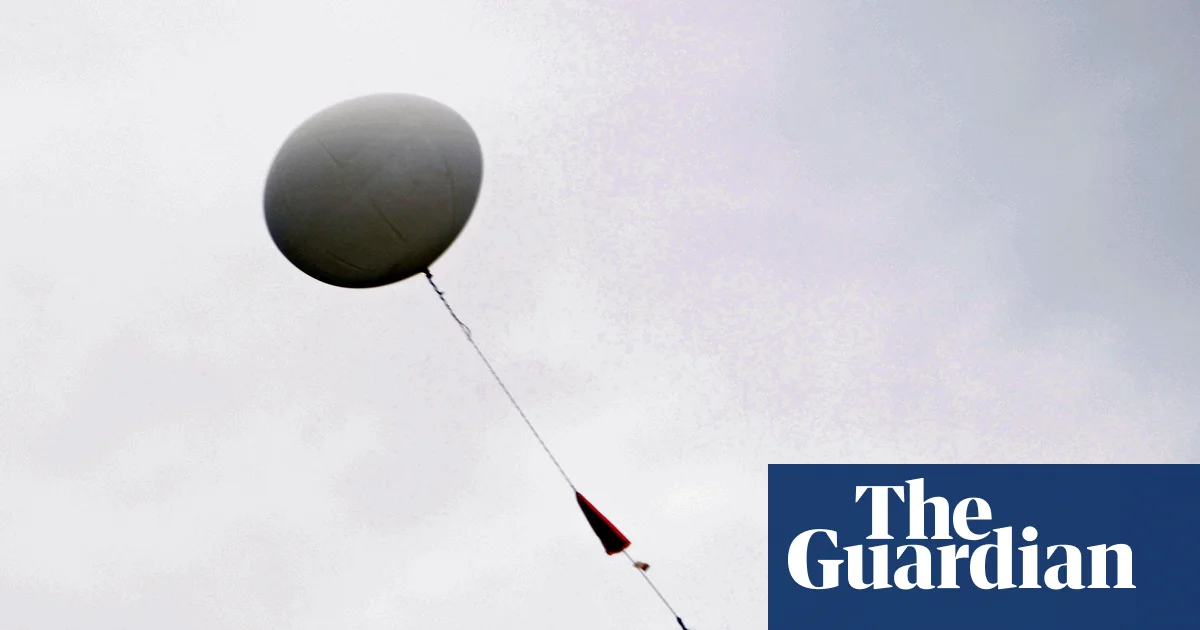
The blind spot sits in the lowest few kilometres of the atmosphere, the layer where most of our weather happens. For decades that slice was measured by radiosondes, the instrument-laden balloons launched twice a day from stations worldwide.
As those launches thin out, so does the data, and the timing could hardly be worse for an industry racing to build the smartest forecasts money can buy.
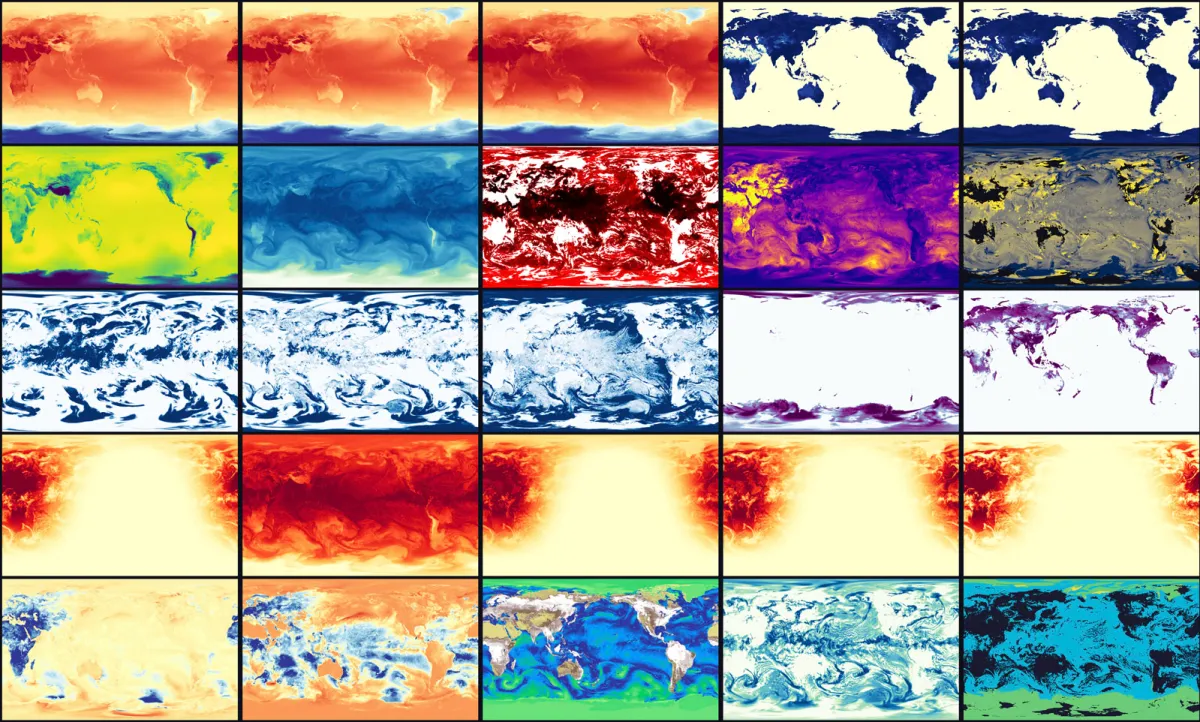
The pitch for AI meteorology is seductive. Google DeepMind has claimed its system is the world’s most accurate 10-day weather forecaster.