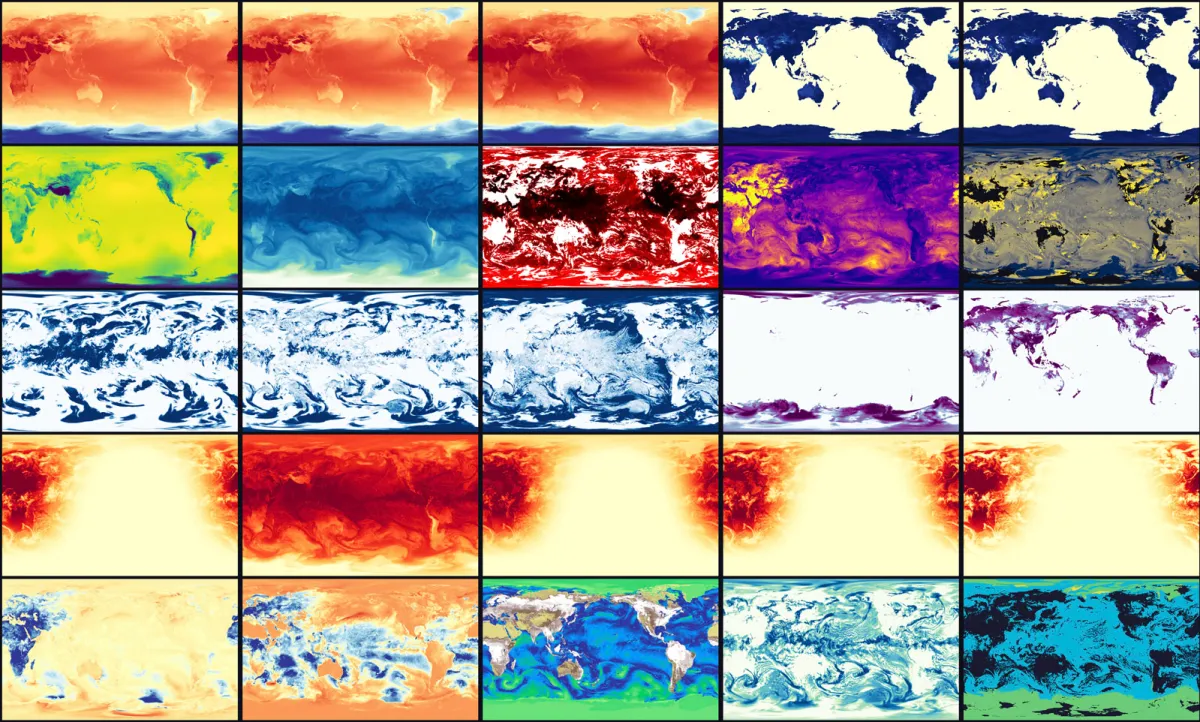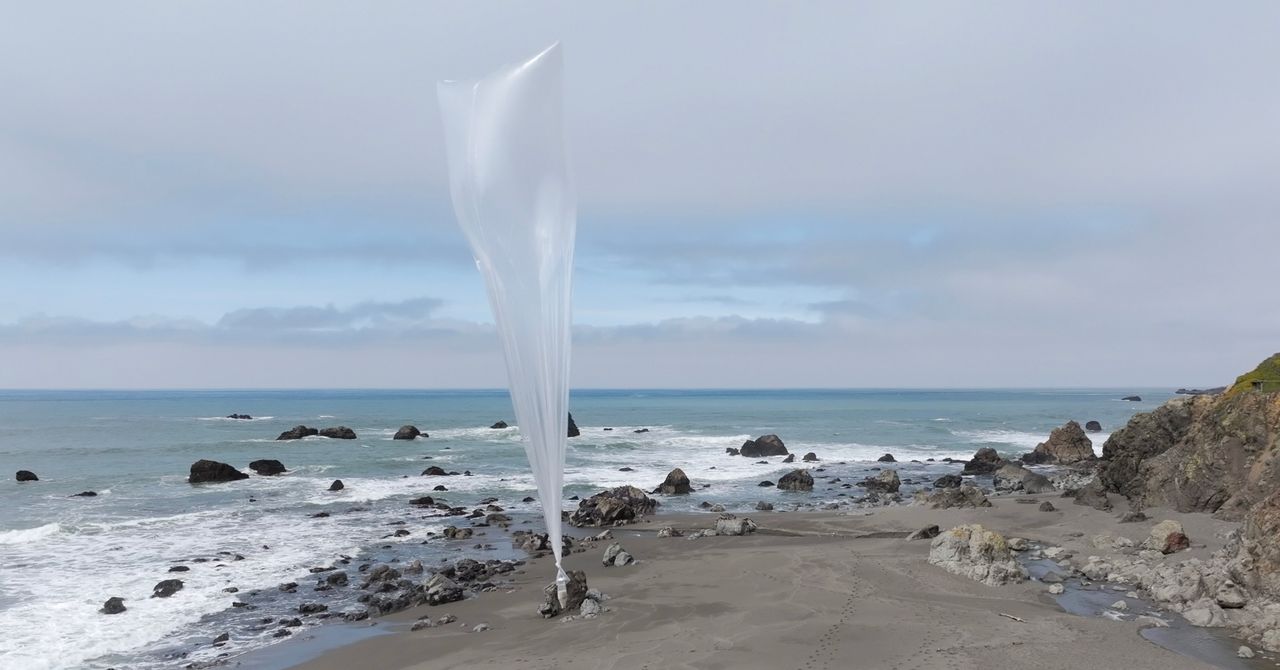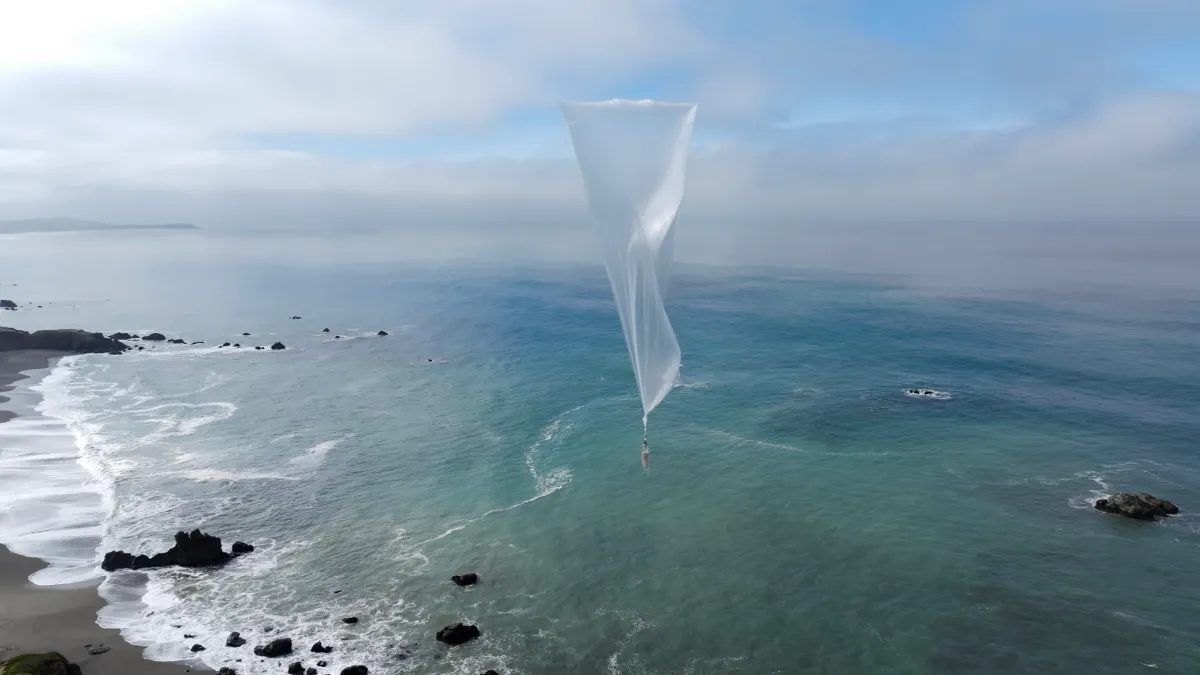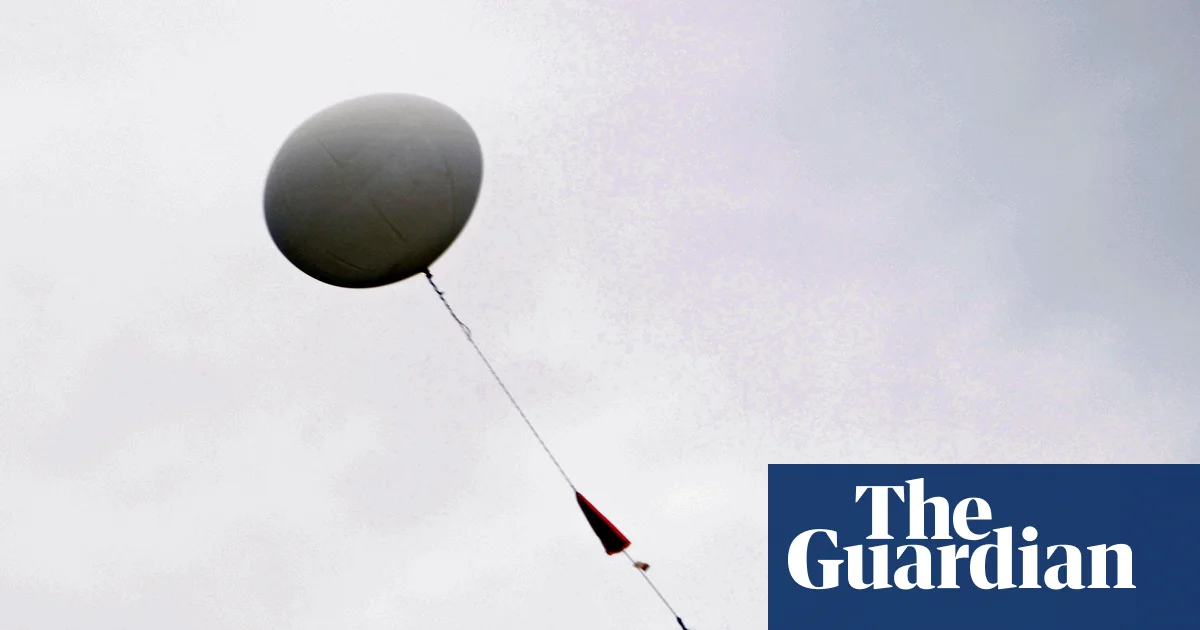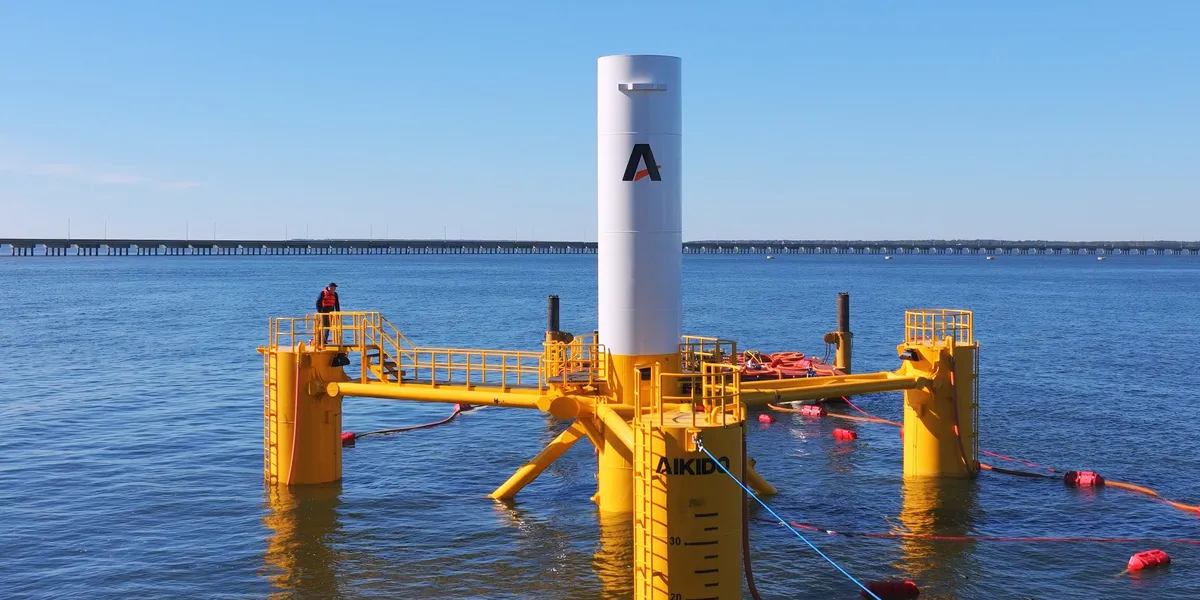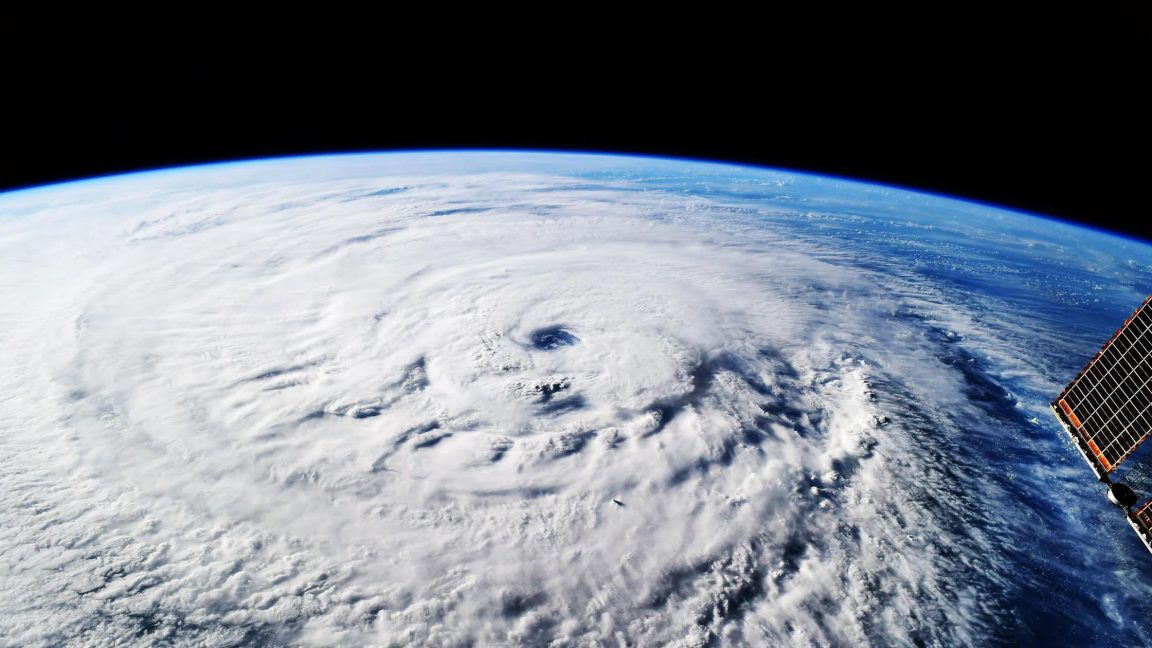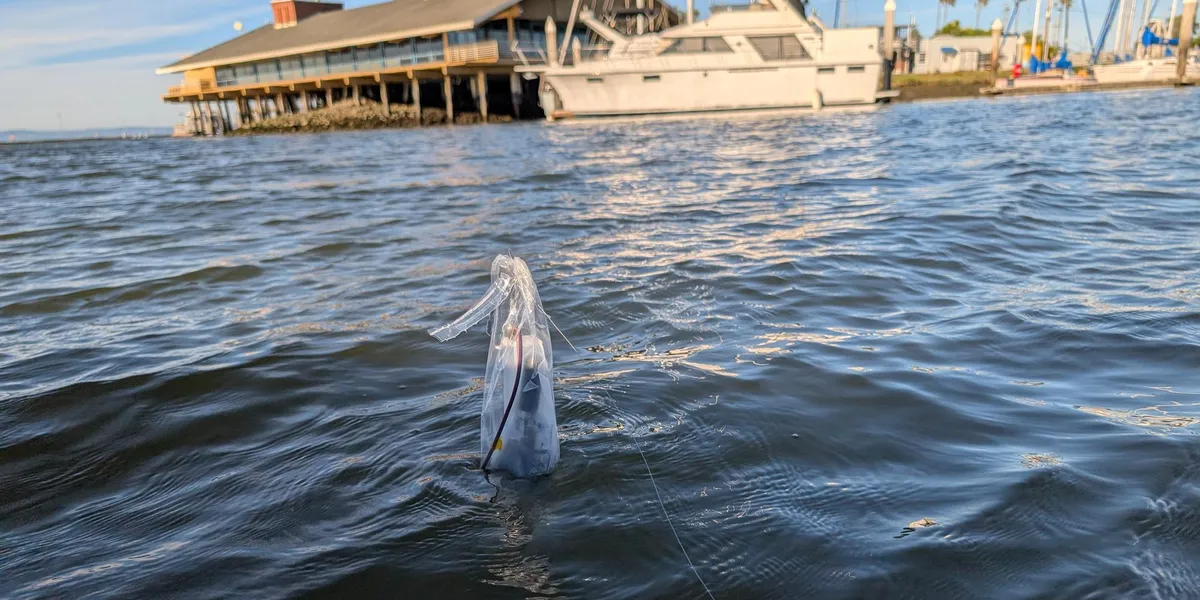
Weather forecasting today runs on rivers of data. But there’s almost no data available from vast stretches of the planet—open ocean, polar regions, and remote sections of the world. That’s a problem the Redwood Shores, Calif.-based WindBorne Systems aims to tackle with its long-duration weather balloons. The company’s CEO John Dean wrote for Spectrum last year about the AI models (called WeatherMesh) that WindBorne is training based on ongoing observations from some 600 balloons the company keeps aloft worldwide. WindBorne Systems’ CEO John Dean says the company traces its origins to a Stanford University project that pushed the limits of weather balloon design to maximize time aloft. Windborne SystemsThe company’s fleet of balloons generate thousands of hours of fresh weather readings each day, including from regions of the world that might otherwise go unsampled. One balloon, called Elder, recently set a company record by staying airborne for 345 days. Other balloons have demonstrated something different: falling to the ocean and continuing their mission now as floating weather buoys. WindBorne has provided IEEE Spectrum an exclusive look at this new “sky-to-sea” capability below, including detailed flight tracking and recovery photos.Looking ahead, WindBorne’s near-term plans are ambitious. Dean told Spectrum that the company expects “in a year from now we should have thousands of buoys floating over the ocean, reporting data.” I spoke with Dean about how WindBorne’s balloons will soon be pulling off a dual life between sky and sea, what made the record-setting Elder flight possible, and the fine art of reading the atmosphere from scratch.From Weather Balloon to Weather Buoy in One DeviceIEEE Spectrum: What actually happened on the weather-balloon-to-ocean-buoy flight?John Dean, CEO WindBorne Systems: We have a couple of balloons now that fly as balloons and land as buoys. The main difference in hardware is just the ability to be fully waterproof and then still be able to communicate to satellites while on the ocean surface. We’ve been playing with this concept for a while. And now we have roughly half a dozen prototypes that have this ability. WindBorne Systems has launched half a dozen weather balloons that have transitioned to ocean buoys mid-mission. The first such flight was in March 2025. Windborne Systems Was making your weather balloons able to land in water always the plan?Dean: Yes. We have balloons that land all over the globe. We have now over a hundred flights that have landed on land and then work as ground stations. Basically if the balloon lands, and there’s no moisture on the ground, it can talk for many weeks after landing. But in the buoy case, every flight we’ve done has been intentional because it requires waterproofing. But in a couple months from now, every balloon that we fly will be capable of this.So if a balloon gets damaged flying into a dangerous storm, that maybe isn’t a flaw—it’s part of the design?Dean: Yeah. We’ve flown into a number of tropical cyclones now over both the Atlantic Ocean and the Pacific Ocean—where we’ll fly a balloon over the storm. And then we’ll either drop what’s called a “drop-on”—a small sensor from the balloon into the storm which gives you like one sounding of data—or we will basically sacrifice the balloon. [Because] the balloon can’t fly very long inside ahurricane. You can fly overhead, but you can get one to two soundings inside the storm system with the balloon. And so for severe weather events like tropical cyclones, you’re able to use our balloons to get additional data without having to send in a crewed mission. We’re able to lower the cost per data point dramatically.And we’ve now proved out both the ability to collect data throughout the entire troposphere and then land on the ocean surface and collect data on the ocean surface. WindBorne CTO Andrey Sushko holds up an ocean buoy that was once the payload of a WindBorne weather balloon. Windborne SystemsIs data from the ocean surface actually useful for your weather forecasting models?Dean: We collect wave height, wave information, ocean pressure, and ocean temperature. And if you want to know the weather one week from now, because the sky and the ocean are very coupled together, it’s actually one of the most useful assets you can have.Elder’s Record Flight and What Broke the BottleneckWindBorne’s Elder balloon flew for 11 months, covering more than 300,000 kilometers. What if anything surprised your team about the mission? Dean: That mission happened after we made a design change to our vent mechanism. We used to have like very small leaks that would limit the duration of a mission to a couple months max. Roughly a year ago we remade the valve not to leak at very low temperatures. And [Elder] was this the first balloon with that change. That’s what unlocked this almost one-year flight. WindBorne Systems’ weather balloons are designed to maximize time aloft, in one case logging a record-setting 345 day flight. Windborne SystemsDo these balloons use helium?Dean: Actually most of our flights are hydrogen. It’s cheaper, and there’s a helium shortage. Also, we have a launch site on Cape Verde, an island chain off the west coast of Africa. It’s pretty hard to source helium there. Hydrogen is much easier to source.What finally brought Elder down?Dean: Ballast exhaustion, which is what takes out most balloons.Every balloon has a fixed amount of gas and a fixed amount of ballast. You drop ballast to go up, you vent gas to go down. Eventually, you run out of ballast, and you lose the ability to rise again. You’ll eventually fall from the sky. And so flight was a normal termination just due to lack of ballast. But what was unique with that flight is the rate of ballast use was so low that it was it was able to fly for 11 months.Building Better AI Models to Predict the World’s WeatherWalk me through how balloon data actually becomes a better weather forecast.Dean: All these balloons, they talk to Iridium satellites. Then it goes from the satellites back to the ground. On the ground, we do quality control. Then we sell that data to customers and also run it through our own AI-based weather model. We’ll use our balloon data, [other] weather balloons, ocean buoys, ground stations that NOAA operates, and satellites. [It’s] all the freely available weather data plus our balloons.Our balloons are the only source of ground truth for temperature, pressure, humidity, wind speed, and direction over remote areas. So for many storm events, basically the only ground truth we have is from our balloons. And then WeatherMesh ingests all this data that tells WeatherMesh what the current state of the weather is. And that allows it to make better weather forecasts over the next week.What kind of accuracy gain does that produce?Dean: At the scale of our constellation today, we see roughly a 10 to 20 percent accuracy improvement from assimilating our balloon observations into it. So if you look at a temperature forecast over the United States on a three-to-five day time horizon, we’ll see a roughly 10 percent improvement in forecast accuracy.Also NOAA found for hurricanes, our balloon observations improve hurricane ground tracking by about 10 to 20 percent as well. Ten to 20 percent is not a huge number, but for improving forecasts actually it’s quite a big deal. And our constellation today is a factor of a hundred smaller than what it will be in the future. When you fly balloons all over the globe and collect data in these remote places, that moves a needle on forecast accuracy. WindBorne Systems’ weather balloons operate on hydrogen gas, rather than helium, both for cost savings and for potential to scale up company operations. Windborne SystemsAre you feeding balloon data into an existing AI weather model, or did you build your own?Dean: We train AI weather models from scratch—earth-foundation models, completely designed by us and trained by us. Because there’s a lot of room to improve just in AI techniques for weather modeling. Also most AI weather models you might have heard about—for example, Deep Mind’s GraphCast—don’t really do data assimilation. That’s where you take all the measurements you can find over the last couple days and then use that to make the best guess of the current weather conditions. Then you forecast that forward in time.Most models don’t do data assimilation, to actually build the best guess of reality. But WeatherMesh is fully end-to-end. It takes observations in, and it makes forecasts out. That’s important because AI based data simulation can be much more accurate than traditional data simulation.Where Does a Weather Balloon Startup Go From Here? Briefly put, what makes WindBorne’s approach different from 50 years of weather ballooning?Dean: Rather than flying for two hours, we can fly for over two weeks. And rather than the hardware landing and becoming waste, a few more changes to make it waterproof mean you can get more value out of the hardware. That’s why I started the company is to take this traditional weather balloon and rather than giving up after two hours, you make the hardware last longer. Then whether it’s in the sky, in the ocean, or on land, it allows you to collect more weather observations for much lower cost and less waste.How did this novel approach originally develop?Dean: All the co-founders met in college at Stanford, and we were part of this group called the Stanford Student Space Initiative. Actually most of the founders worked at SpaceX as interns back like 10 years ago in college. We’re all very interested in space.But if if you’re interested in in space and you want to do hands-on engineering, you can’t really do anything fun with rockets. Because everything cool with rockets becomes controlled. If you make the rocket controllable, it becomes classified as a guided missile. And satellites are very expensive, with long lead times. But like balloons are almost in space, and you can do them on student budget.So Andrey [Sushko], our CTO, he was actually the person who founded the project that became WindBorne. The whole point of the project was make the balloon last for a long time. And we worked on that for basically four years of college, just purely for fun. Not for any company, just out of passion. And then by the time a bunch of us were graduating, we’re like hmmm, this platform is actually pretty useful.What are the company’s biggest technical goals in the next 12 to 18 months?Dean: Six months from now, we should be over a thousand [balloons]. A year from now, we’ll likely be 2,000 or so. And then 18 months from now we’ll be at 4,000. We target doubling every every six months.Dean’s law of balloon scaling?Yeah—shorter than Moore’s Law.
A Weather Balloon Became An Ocean Buoy—and Kept Sending Data
WindBorne uses sea-and-sky sensors for its weather forecasting AI
1,792 words~8 min read