Chinese-developed systems, including Shanghai AI Laboratory-developed Fengwu, Huawei's Pangu and Fudan University's Fuxi, are among a handful of AI forecasting models that researchers say can generate forecasts much faster than conventional systems while matching or surpassing them on some measures of accuracy.
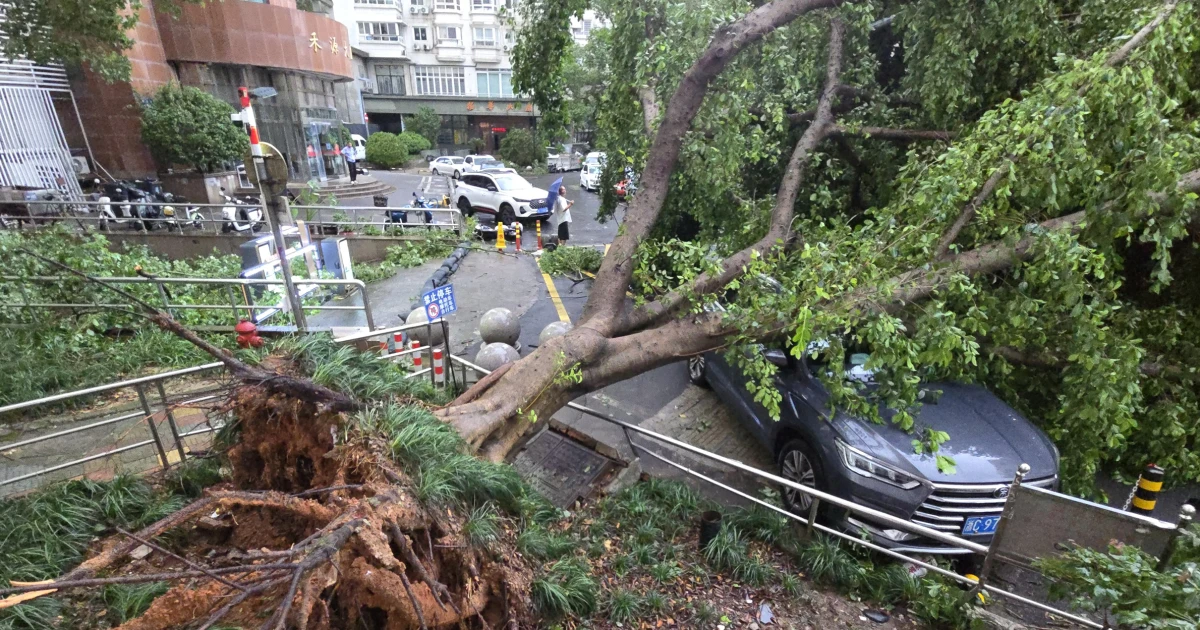
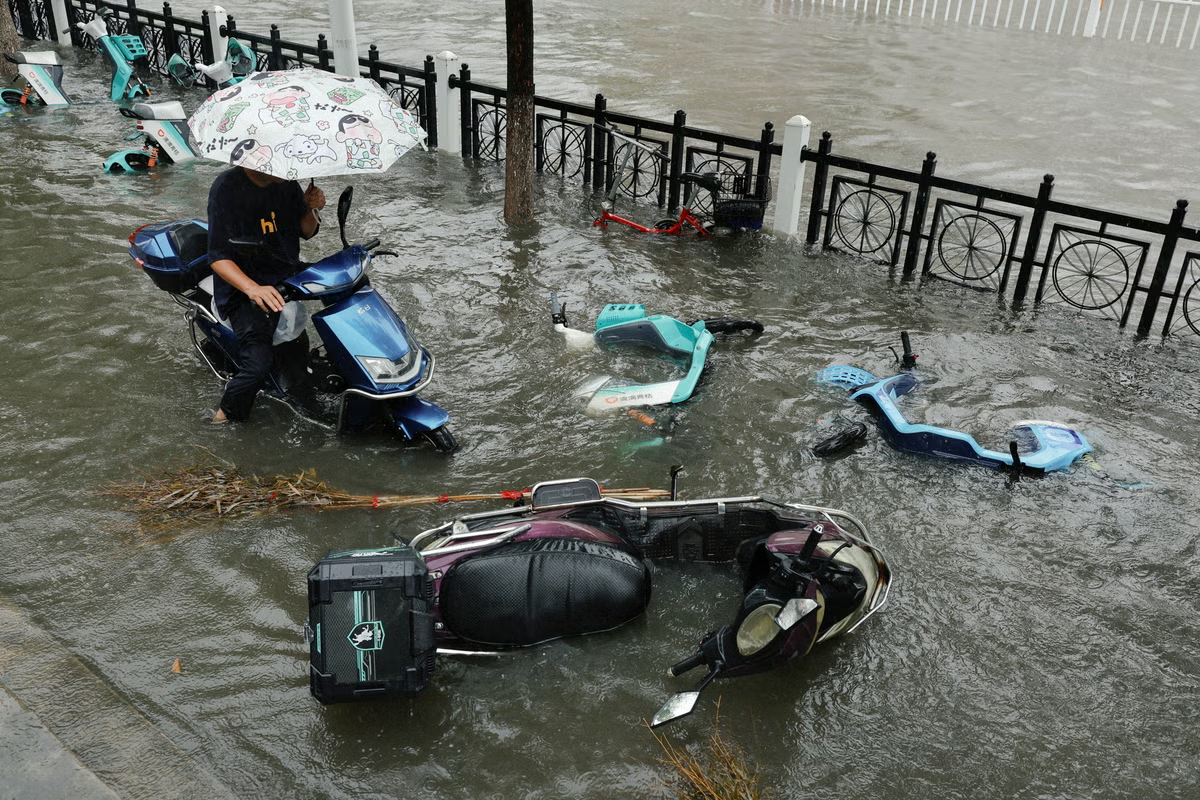
For decades, weather prediction has relied on numerical models running on supercomputers that simulate atmospheric physics. AI models instead learn patterns from vast archives of historical weather observations and can produce forecasts in a fraction of the time. The technology is increasingly being tested during typhoon season in East Asia, where even small improvements in track forecasts can help authorities better prepare for flooding, organize evacuations and manage potential transport disruptions.
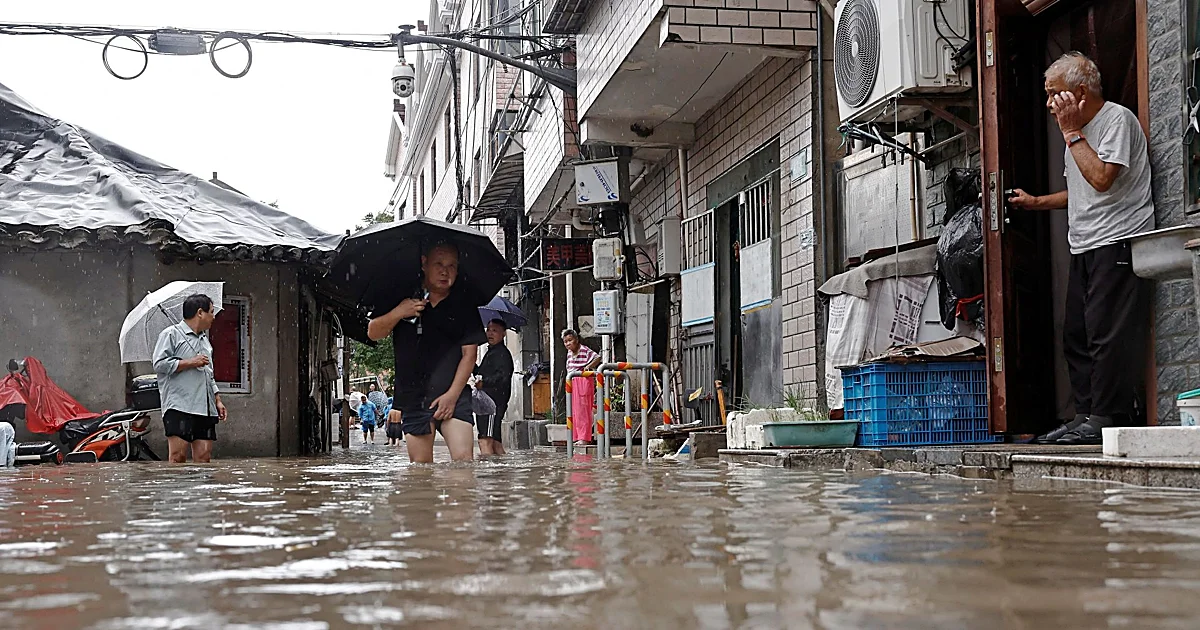
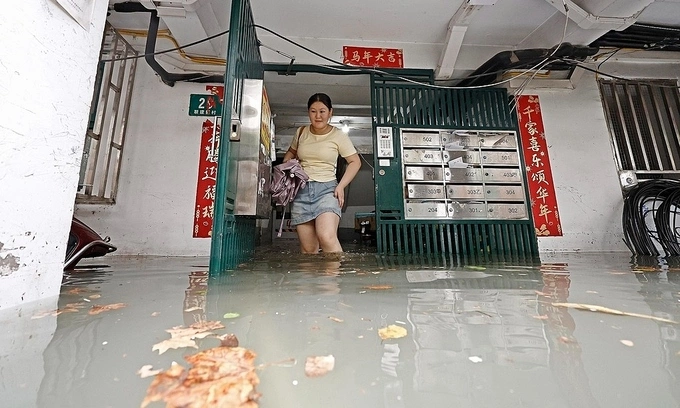
Floodwaters following Typhoon Dolphin inundate a residential area in Shanghai on Aug. 9, 2026. Photo by Reuters
The rise of AI weather forecasting has created a new arena of competition among technology companies, research institutes and meteorological agencies, with China emerging as one of the field's leading players.
Among the best-known AI forecasting systems globally are Google's, GraphCast and GenCast, Nvidia-backed, FourCastNet and the European Centre for Medium-Range Weather Forecasts' AI Forecasting System, known as AIFS.