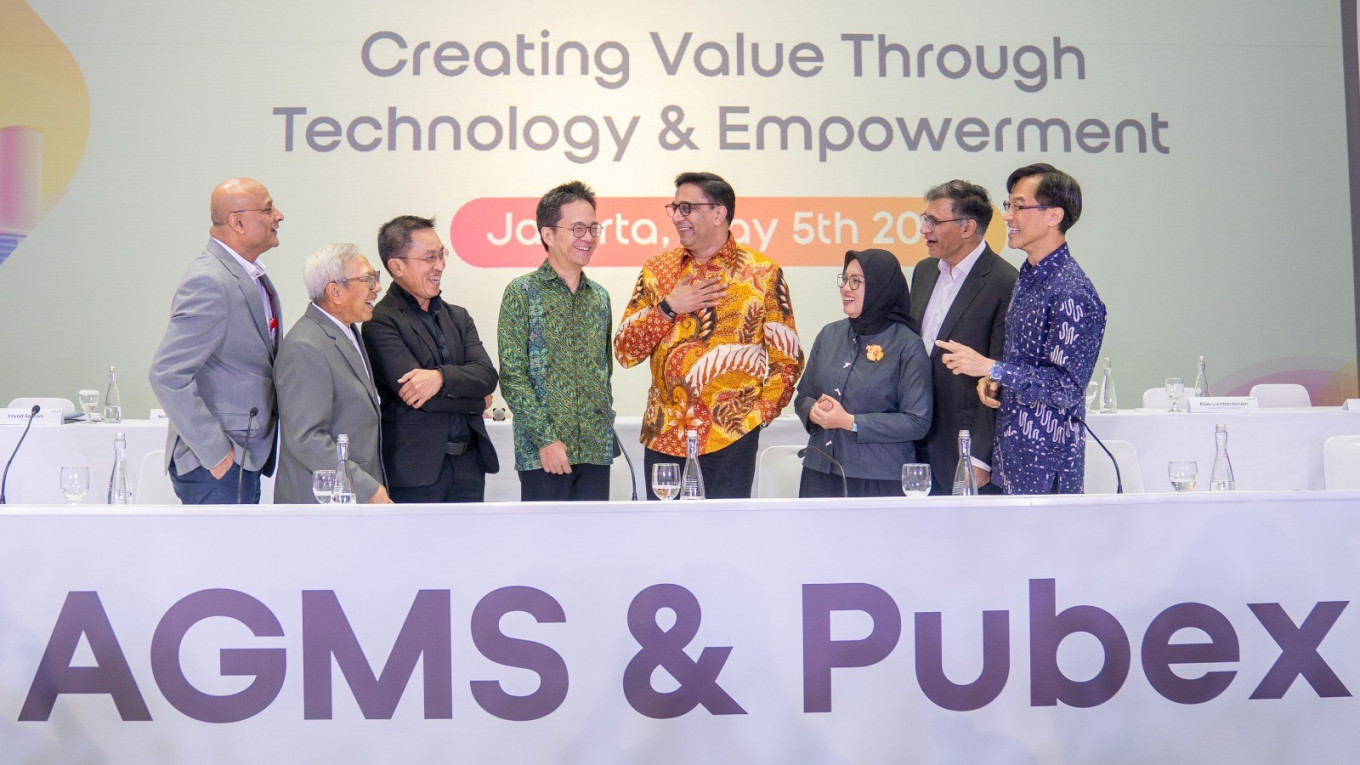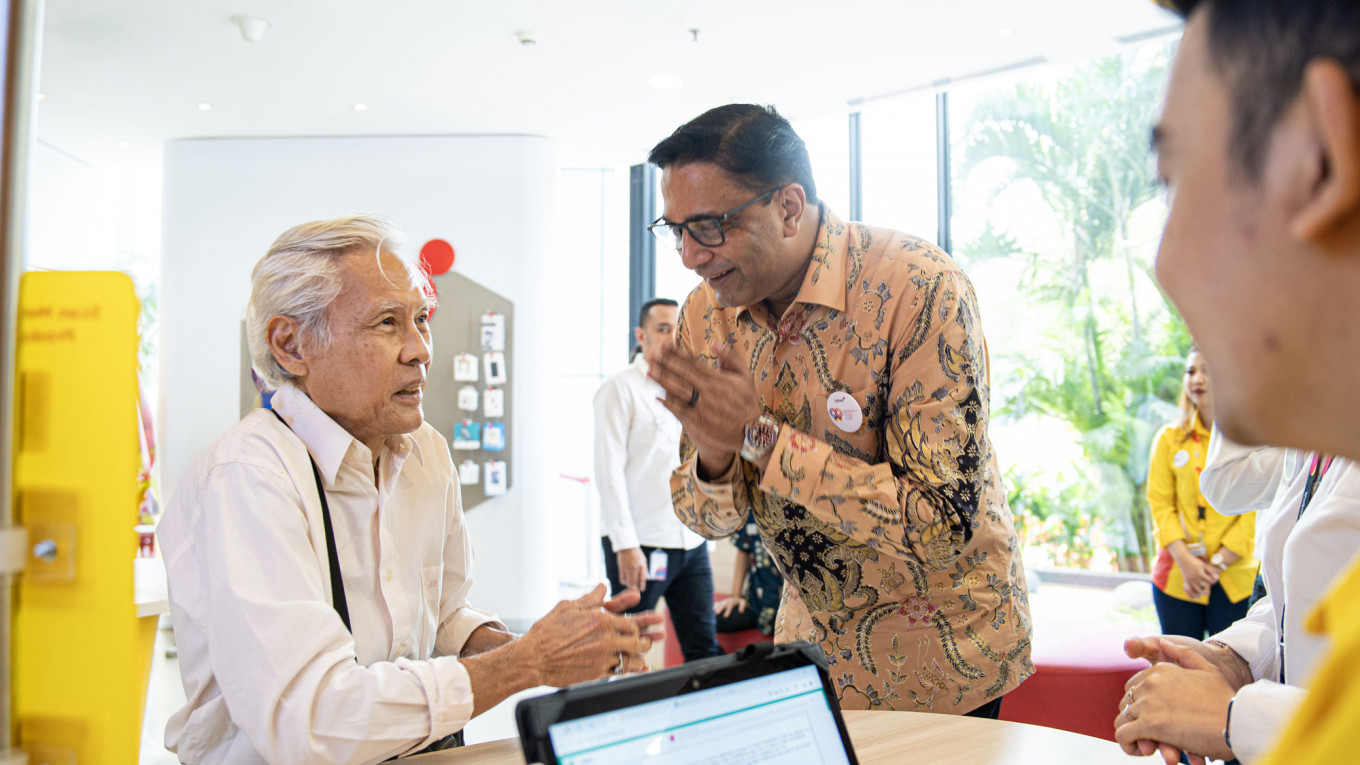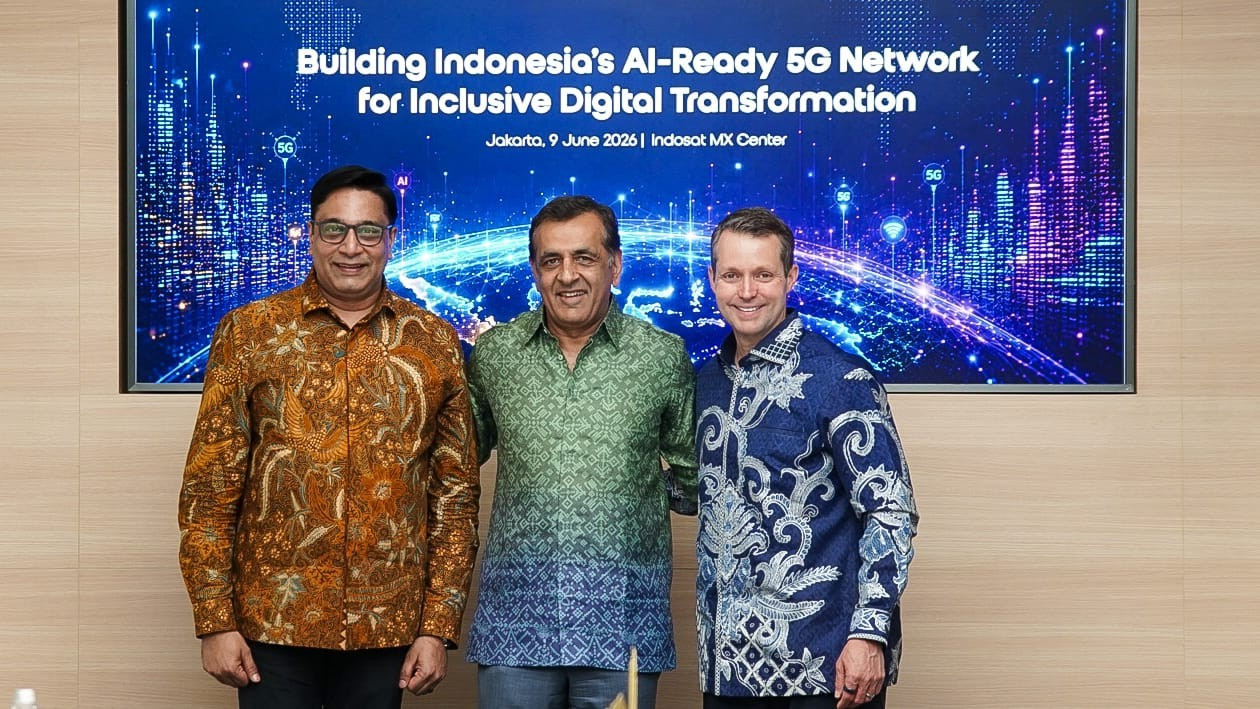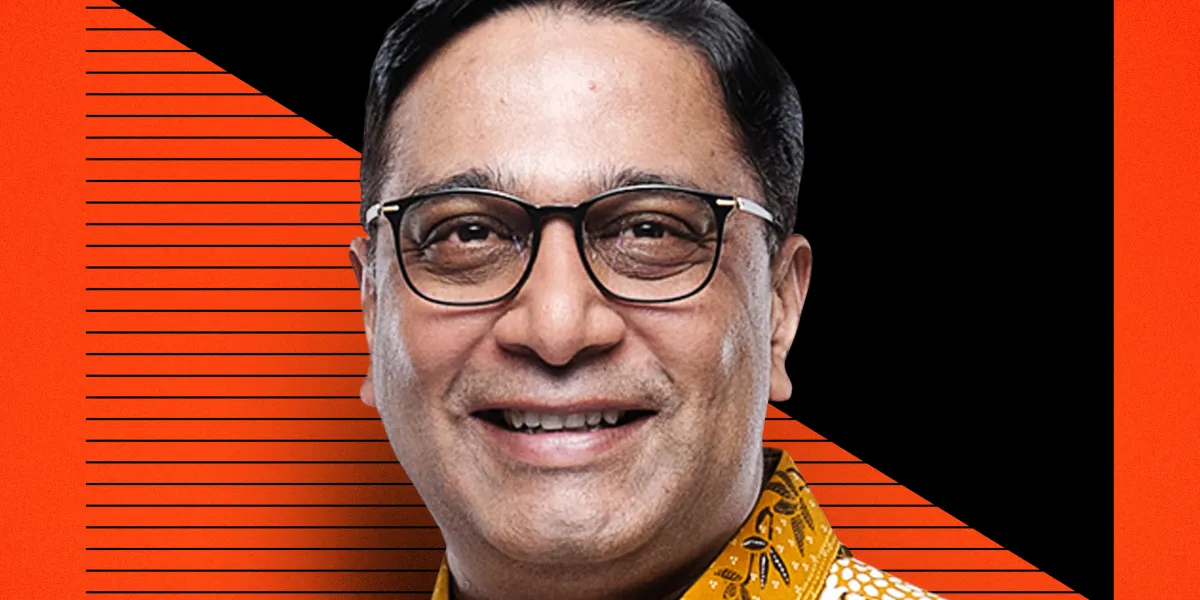
Is there room in the global AI race for anyone other than the United States and China? Vikram Sinha, the CEO of Indonesia’s second-largest mobile carrier, Indosat Ooredoo Hutchison (IOH), thinks there has to be.
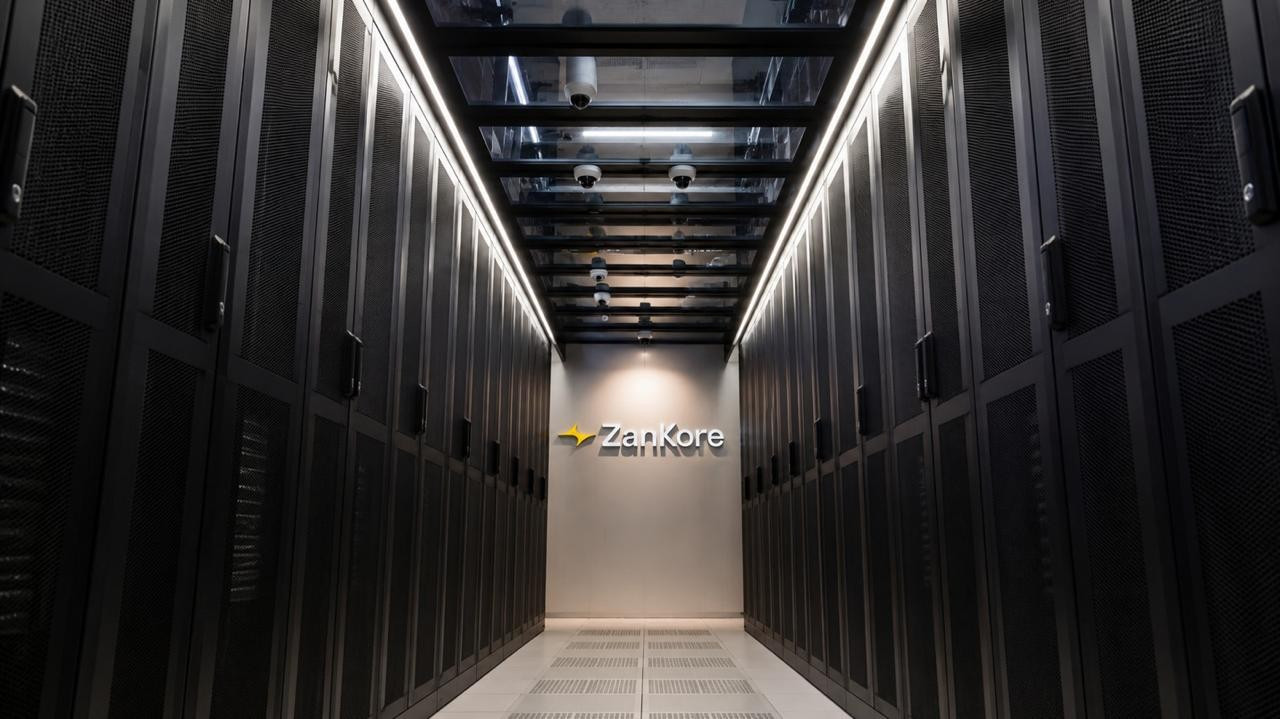
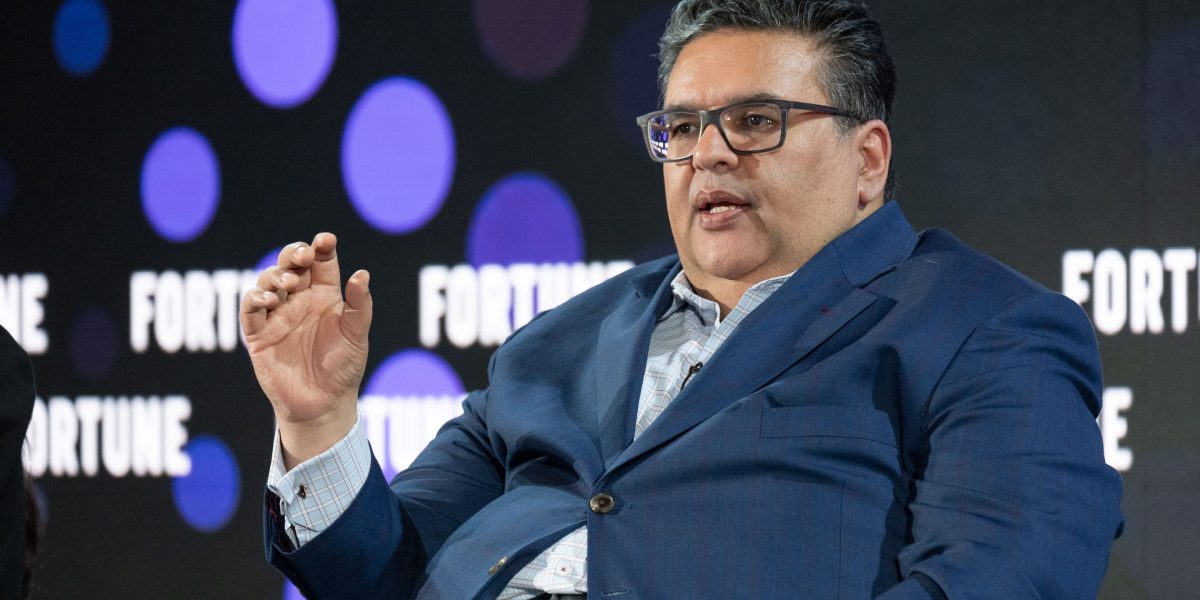
“What gets solved in the U.S. or China might not work in Indonesia,” he told Fortune in early April, pointing to the country’s different culture and languages. That leaves the space open for companies like Indosat: “We’re in a pole position to see how we can deliver connectivity plus compute–or intelligence–to millions of people all over the world in a sovereign manner,” he continued.
Sovereign AI has become the buzzword of choice for just about every government concerned about leaving the AI space solely to U.S. and Chinese labs like OpenAI, DeepSeek, and Moonshot AI.
Sinha is betting that the next phase of AI—running models near the end user, in local languages for local problems—will belong to telecom companies like Indosat in the so-called Global South. Indosat’s CEO, who came to Indonesia after working in India, the Seychelles, and Myanmar, is eager to drive that development through Sahabat AI, a platform for the country’s startups, underpinned by an Indonesian large language model that he argues will avoid the blind spots of a U.S.- or Chinese-trained model.