Commentary
It will take a long time before new routes become more than a niche commercial activity, says Richard Milne for the Financial Times.
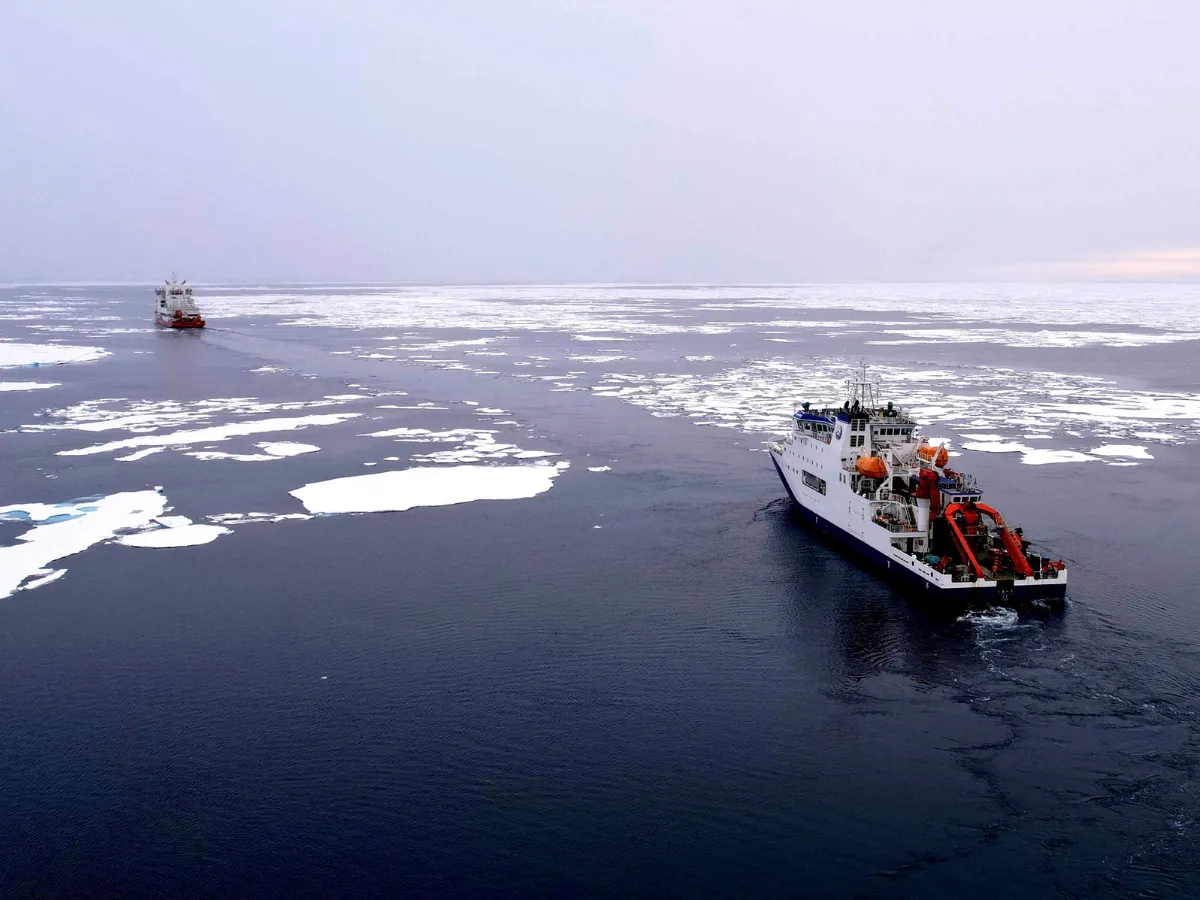
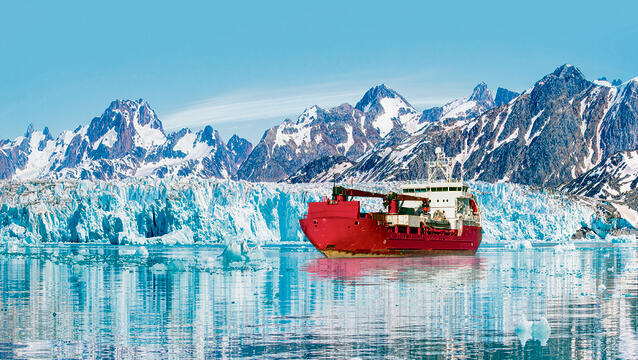
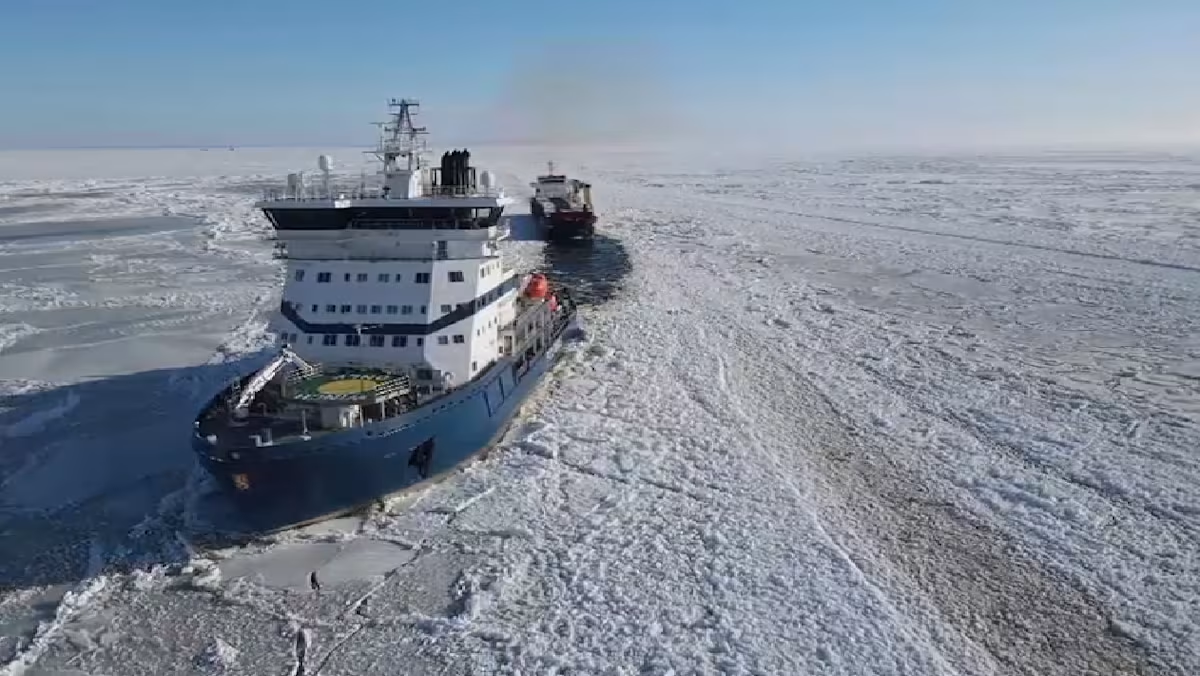
Finnish state-owned firm Arctia, which operates one of the most experienced icebreaker fleets supporting winter navigation for merchant vessels, said warming Arctic waters could open up new trade opportunities. (Photo: Arctia)
14 Aug 2026 05:58AM
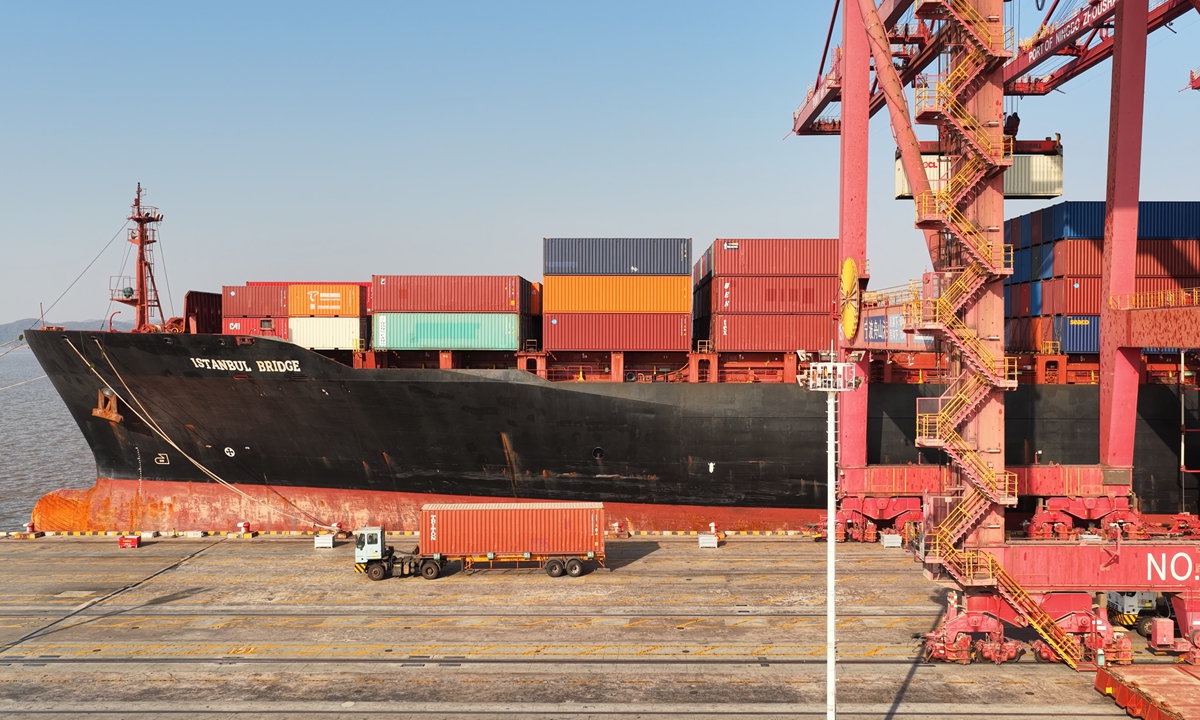
OSLO: There is plenty of hype around business potential in the Arctic and how new shipping routes will change global trade patterns.About a third of the world’s undiscovered gas and an eighth of its oil lie in the far north. And abundant hydropower and geothermal energy in places from Norway and Sweden to Iceland and Greenland mean it is the perfect place to position data centres and other electricity-hungry industries.But the pace of change in the polar region is often slow, dare one say glacial, despite it being the fastest-warming region in the world. For instance, take a look at United States President Donald Trump’s recurring obsession, Greenland, where no oil and few minerals are being exploited despite decades of exploration.The latest potential Arctic business breakthrough was reported this week: Sea Legend, a Chinese container shipping company, will launch the first regular service through the Arctic. It is sailing a vessel between Ningbo in China and Felixstowe on the UK’s east coast, using the so-called Northern Sea Route over the top of Russia. This comes after a record number of full transits last year of the Northern Sea Route, which can halve journey times from Asia to Europe.