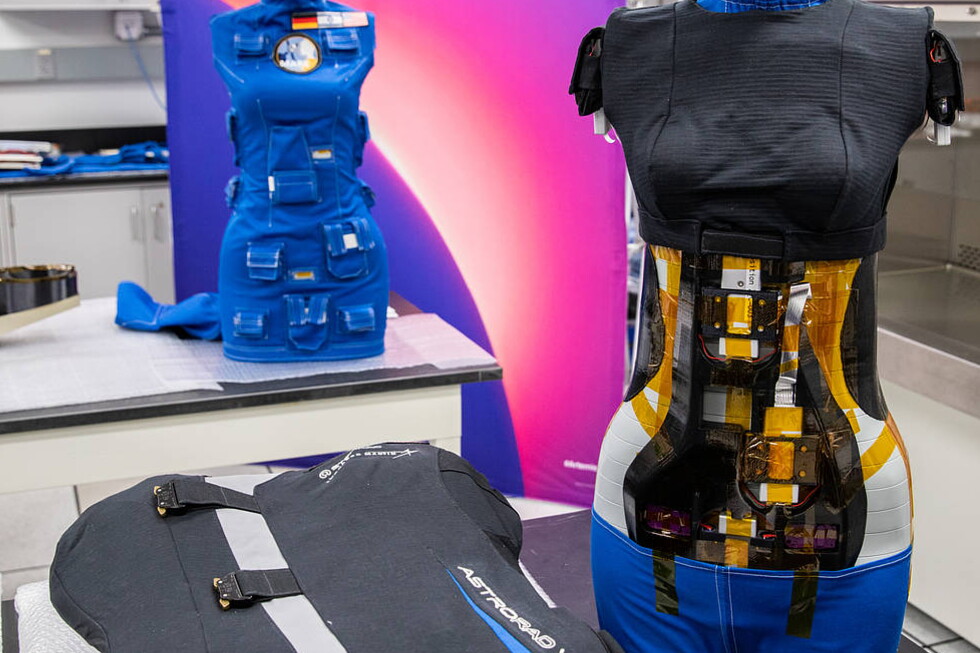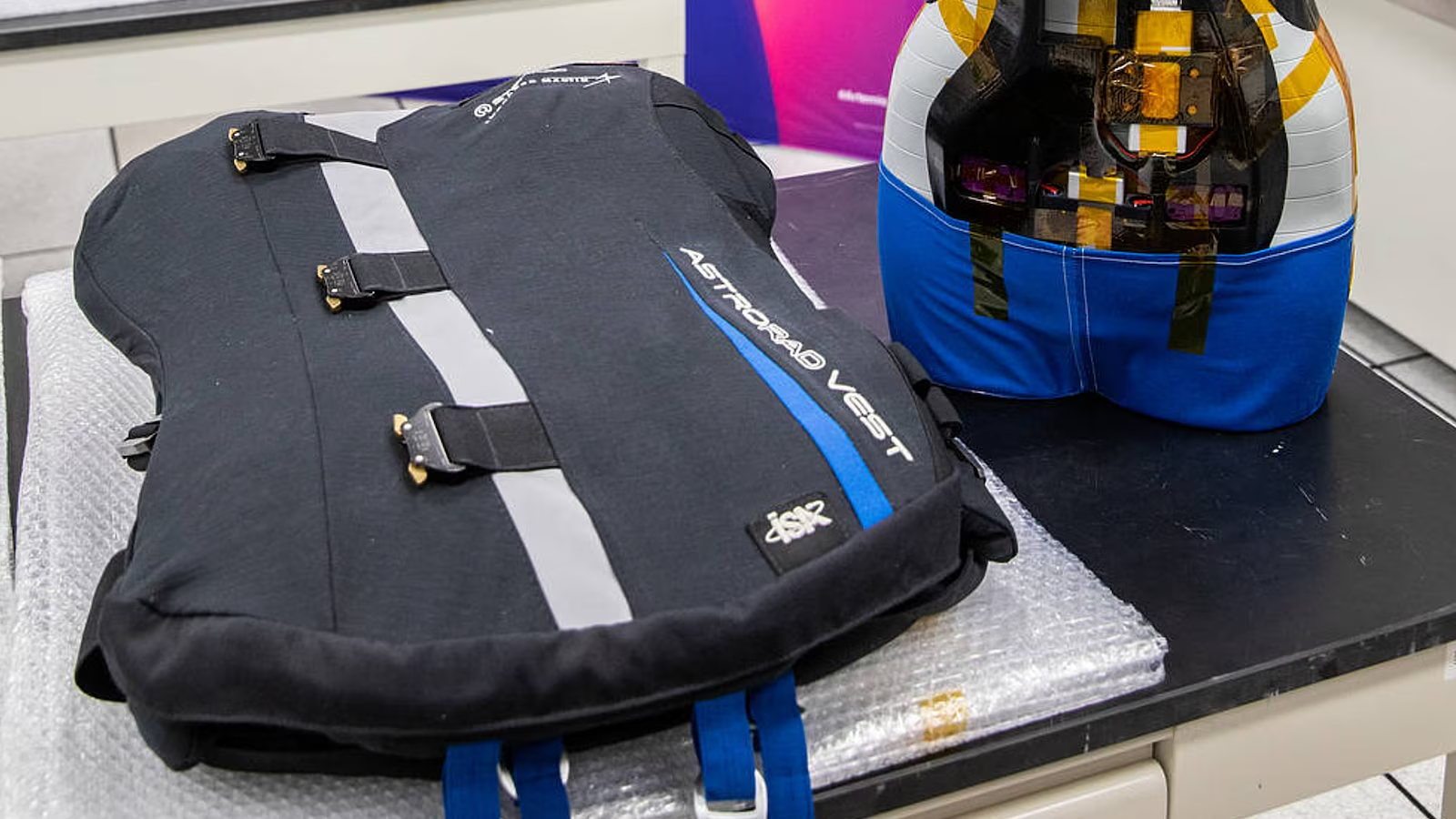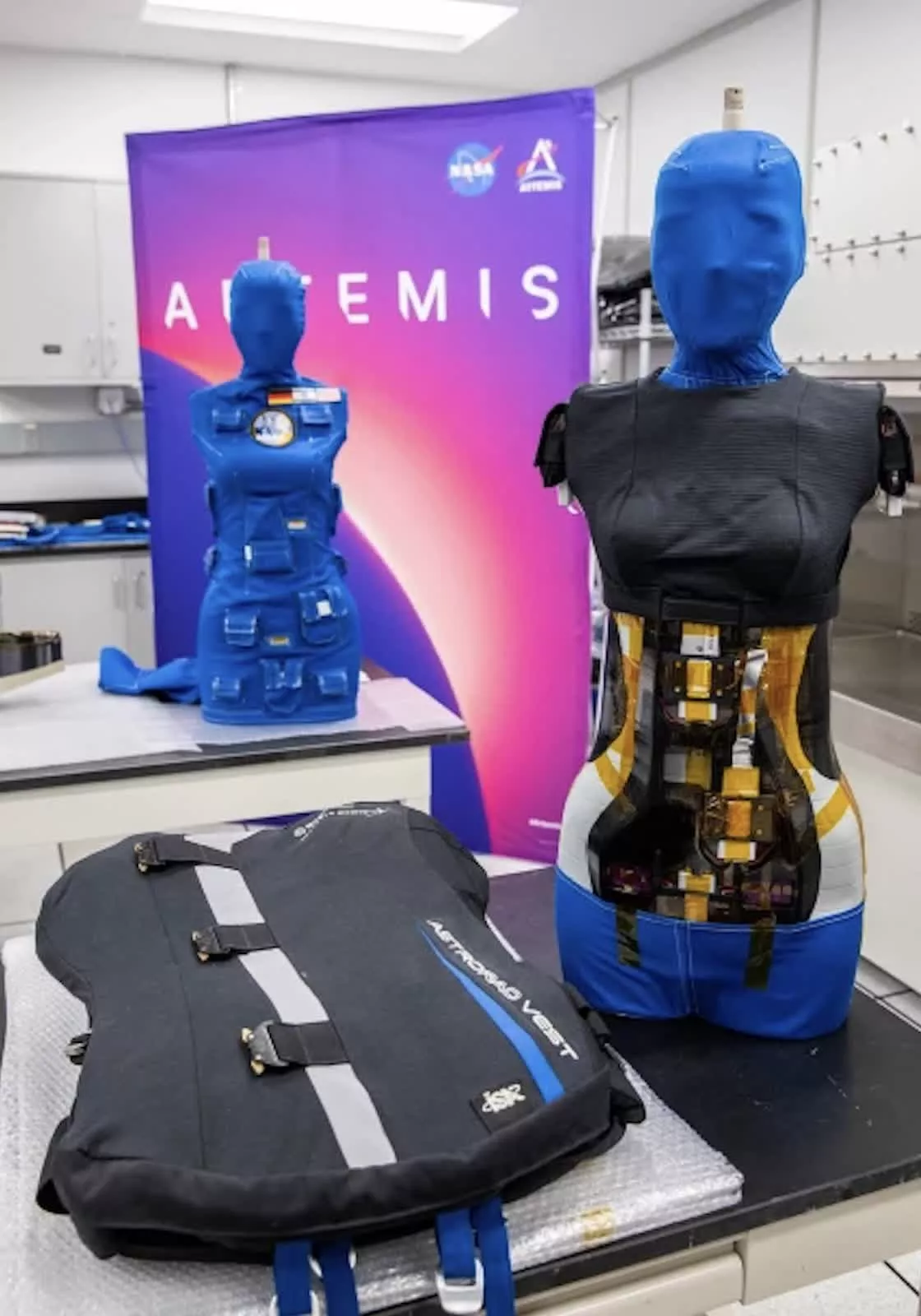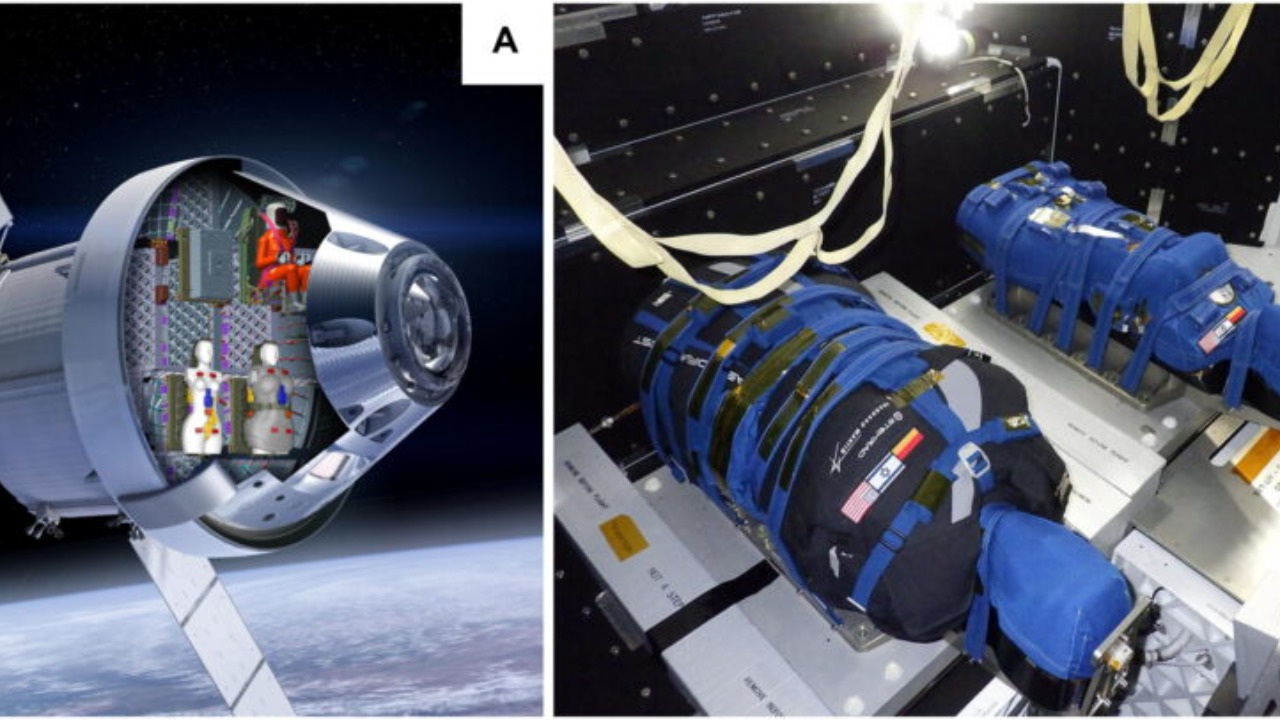
StemRad engineers, though, figured dressing as a medieval knight doesn’t really get you all that much. The human body, Milstein explains, isn’t uniformly vulnerable to radiation. “Tissues like the bone marrow are a lot more sensitive to radiation compared to the brain,” he says. Following this idea, StemRad developed a belt for nuclear first responders, worn around the hips, which hold roughly half the body’s bone marrow, the tissue that makes blood cells. Protecting even a fraction of the bone marrow lets a person regrow it and survive a high-dose exposure.
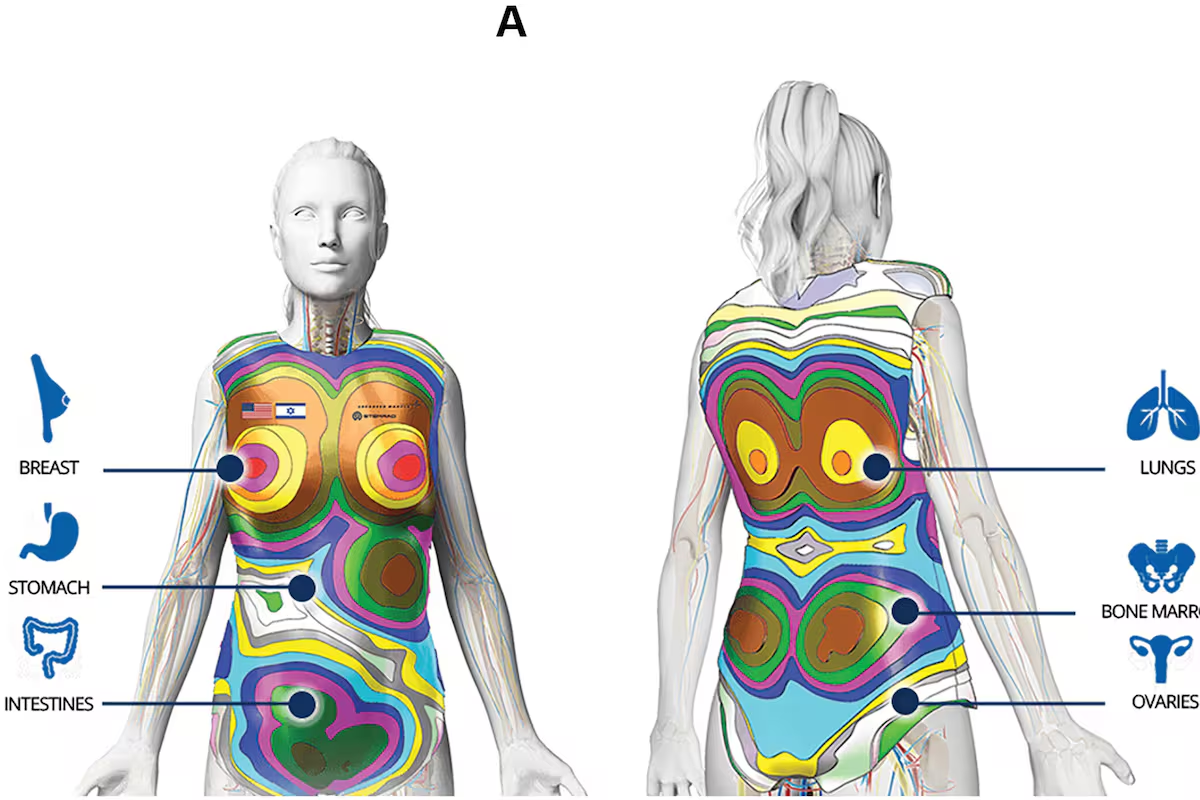
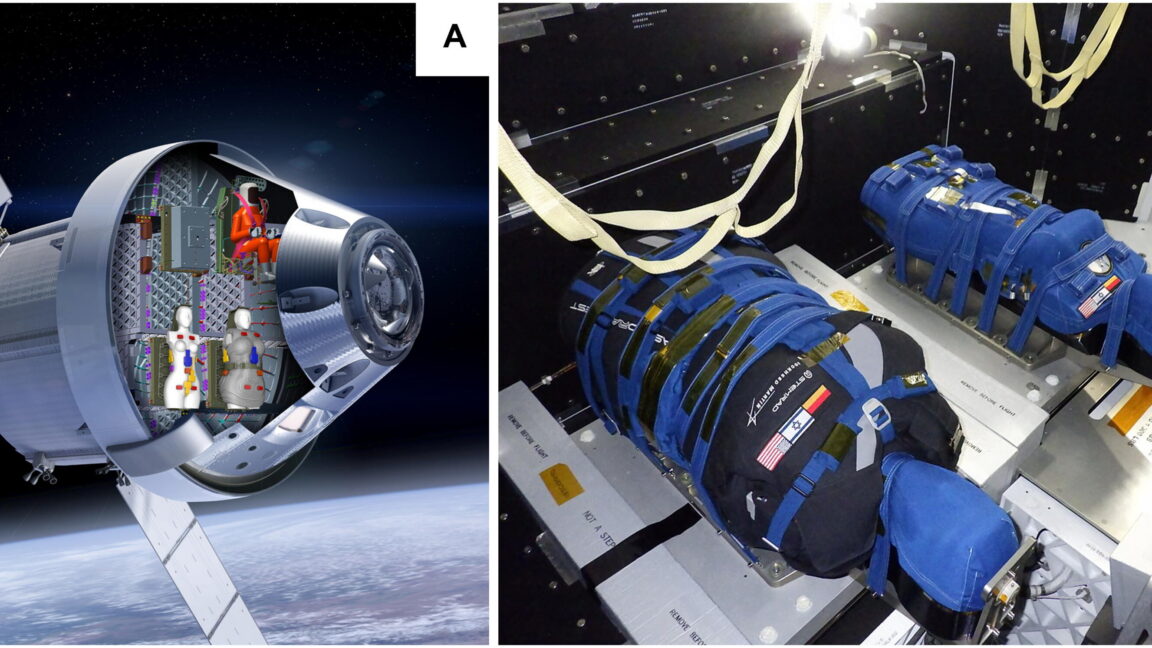
So, StemRad, working with Lockheed Martin, expanded this idea into a female vest that, aside from the hips, also covered the breasts, stomach, colon, and reproductive organs. These are all less immediately life-threatening when irradiated, but carry a long-term cancer risk.
“It still gets people surprised,” Milstein says. “Everybody asks, what about the head? But we’re actually able to reduce the effective dose by 60 percent without protecting the head, the arms, or even the legs.” But choosing where to put shielding was just one part of the problem. Picking the material and making a design that would not hinder the astronaut’s movements was another.