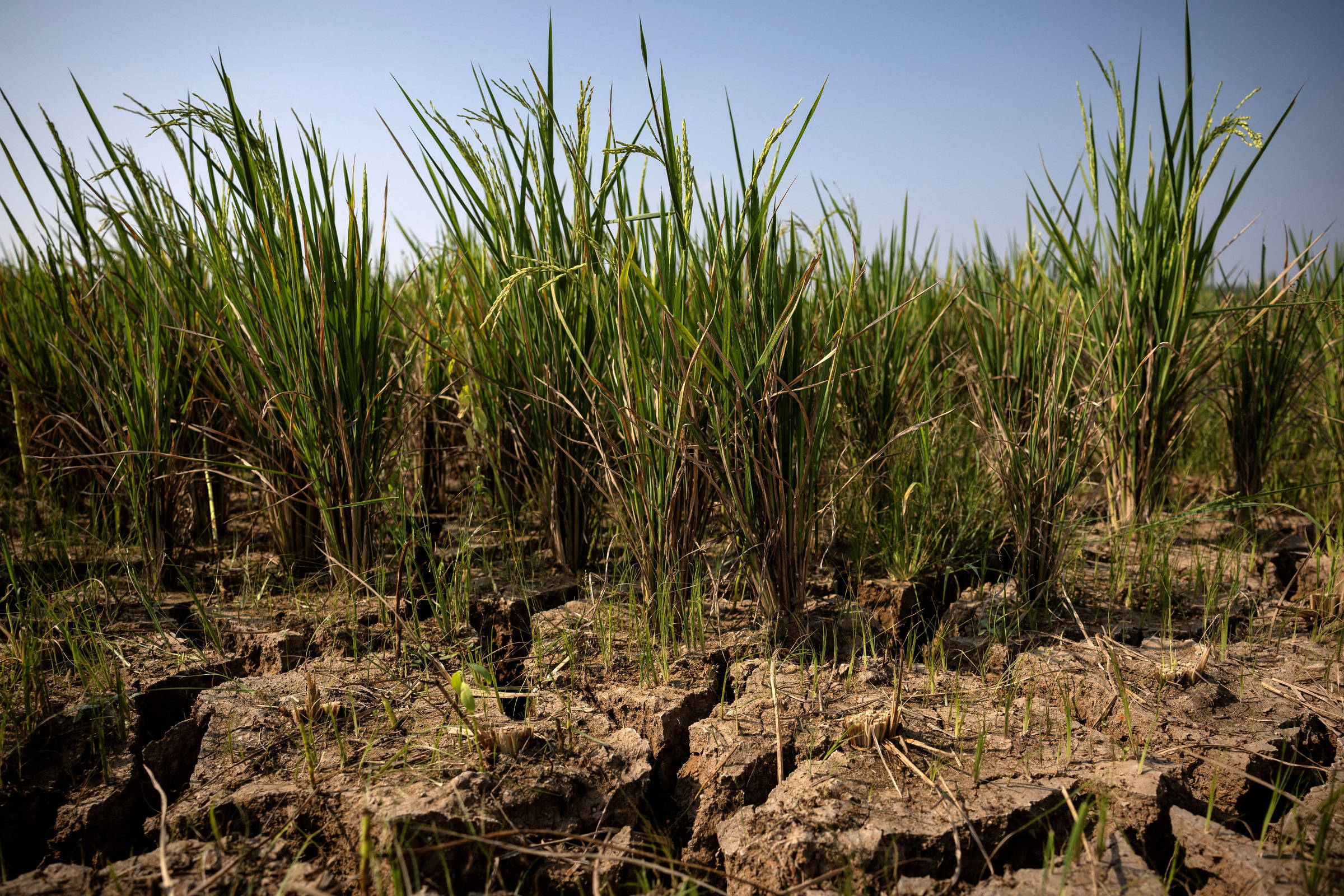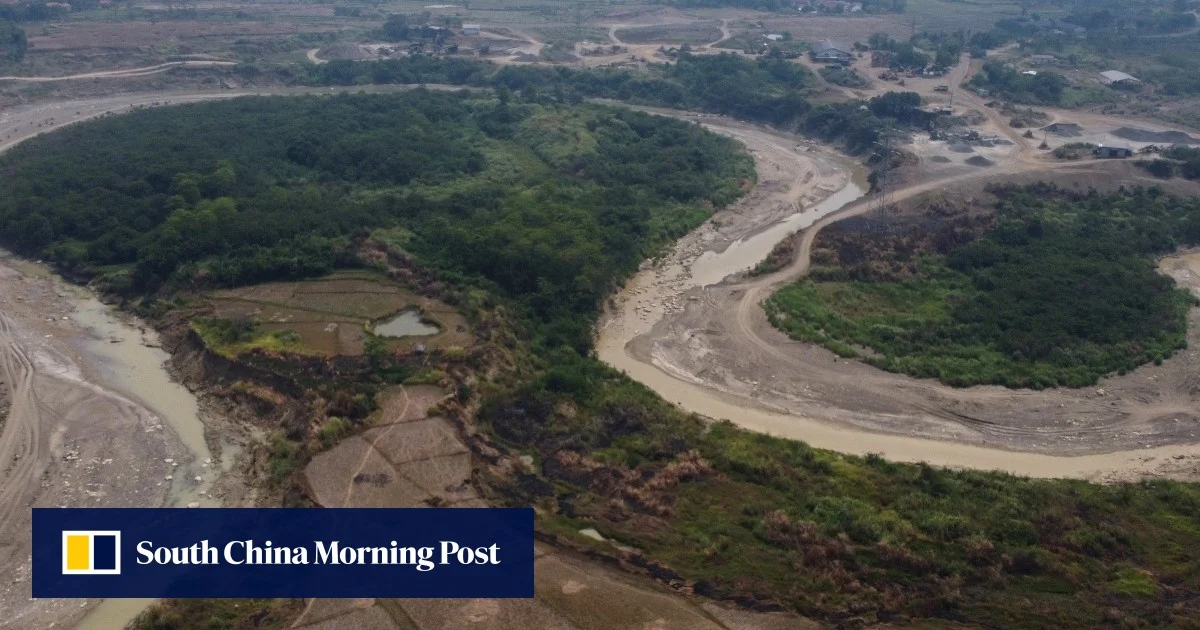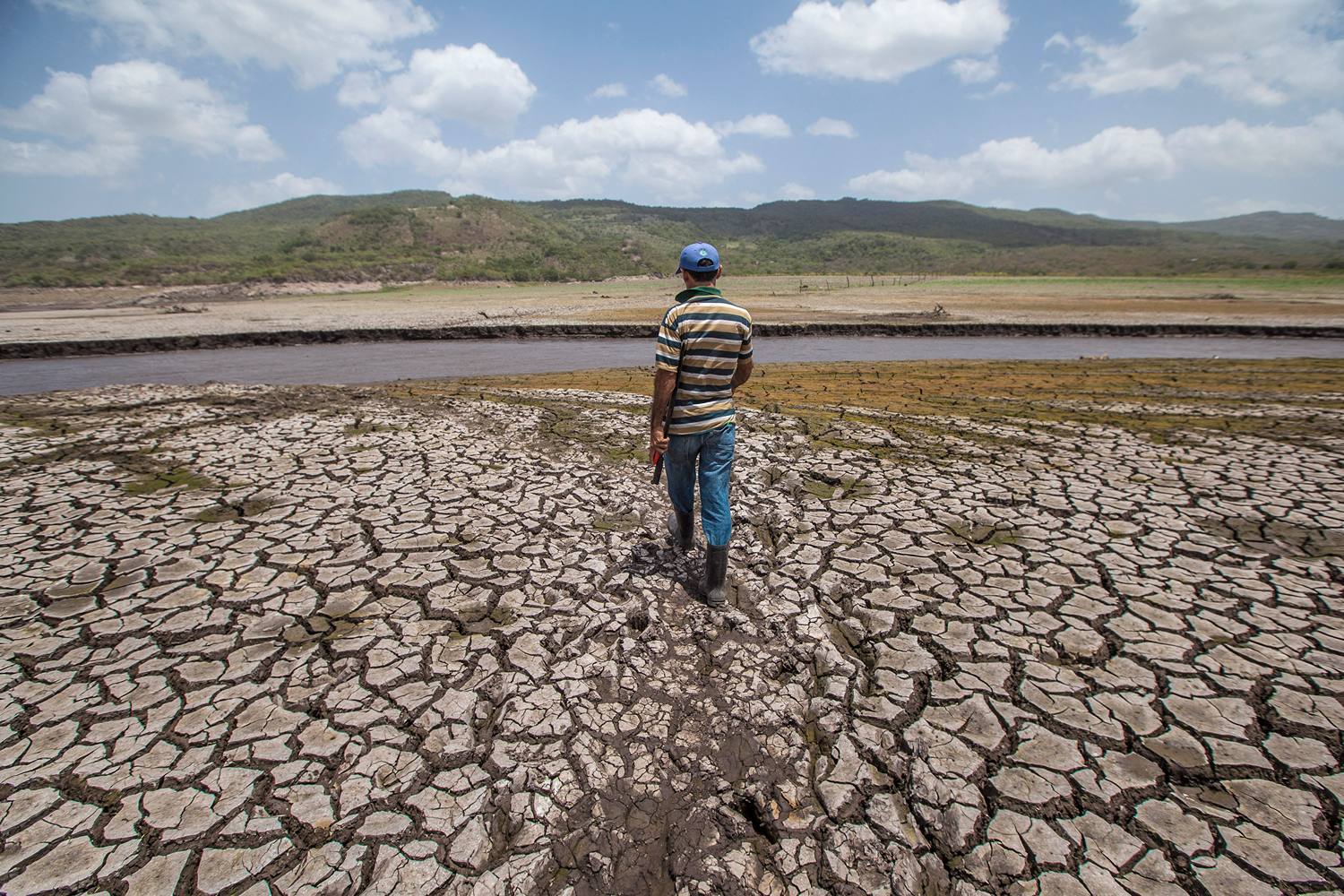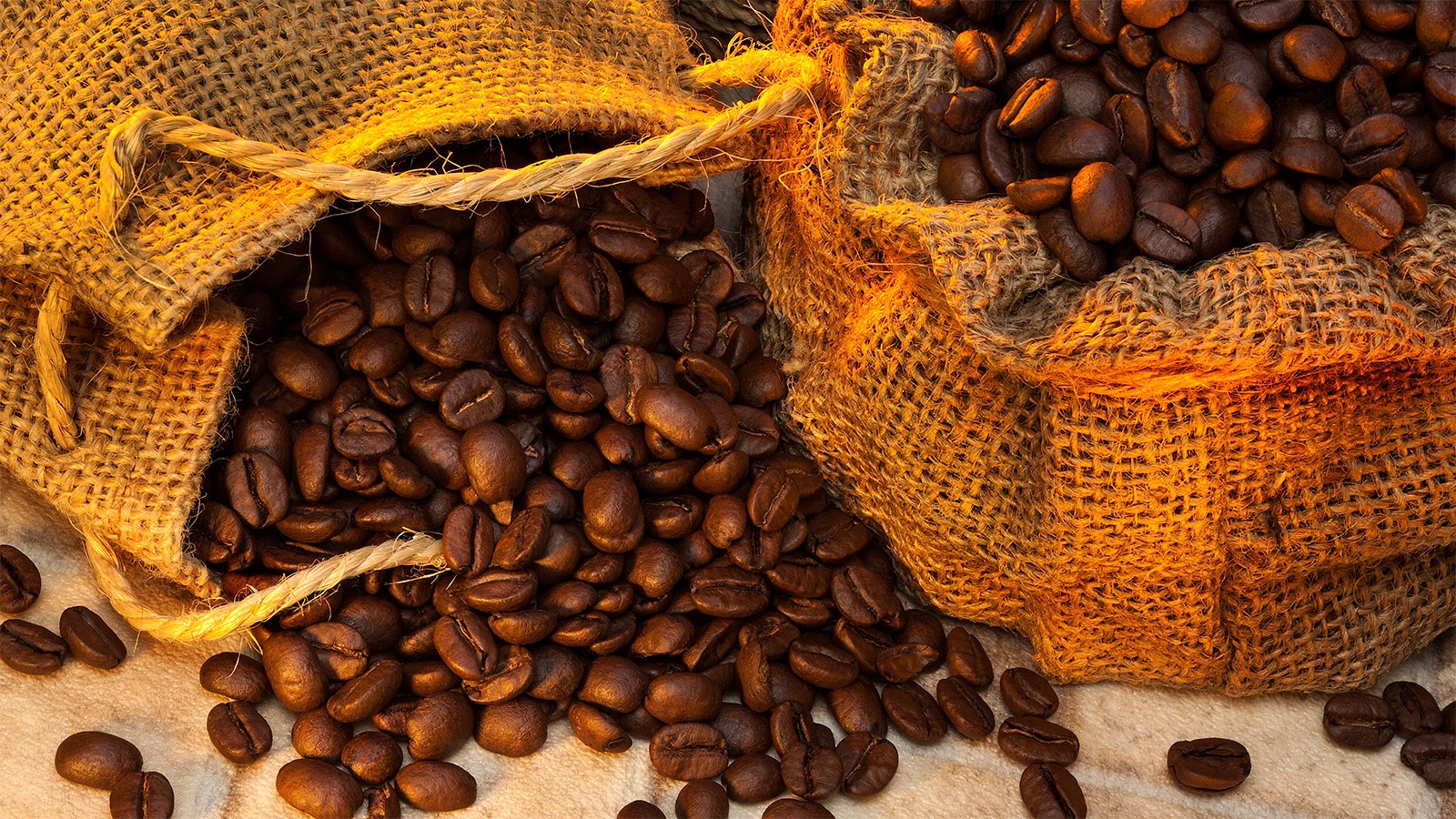
El Nino’s onset last month poses a threat to a range of agricultural commodities, from rice and wheat to cocoa, palm oil, sugar and robusta coffee, across the world. However, the threat will vary from crop to crop rather than impact crops uniformly, analysts have said.“Rice stands out as the clearest channel of concern, given its thinly traded surplus and the concentration of both production and exports in high-sensitivity Asian origins. … India’s rebuilt stockpiles materially reduce the likelihood of a repeat of the pre-emptive trade restrictions that drove the 2023-24 rally,” said research agency BMI, a unit of Fitch Solutions. India’s buffer stocks, rising from 30.1 per cent of consumption in 2023-24 to an estimated 42.2 per cent in 2026-27, materially reduce the likelihood of a repeat of the pre-emptive export restrictions that, more than actual crop losses, drove the 2023-24 rally, said the research agency.F&V firms to be hitCorn and wheat, by contrast, face more limited direct exposure globally, with output and trade anchored in low-to-moderate-sensitivity origins. This is despite mounting Black Sea disruption, European drought and easing exporter output, which leave the broader supply picture tightening independently of the El Nino, BMI said.Dutch multinational financial firm Rabobank said a strengthening El Nino is putting cocoa, palm oil, sugar, robusta coffee, and Australian grains under renewed weather-related pressure. These markets would be the most affected due to adverse weather.“For food and beverage companies, the implications are likely to be felt most directly through commodity availability and prices, although the timing and severity of the impact will vary considerably between markets,” it said. UN’s Food and Agriculture Organisation (FAO) arm, Agricultural Markets Information System (AMIS), said while weather conditions have generally remained favourable so far, weather patterns over the remainder of the growing season will play an important role in determining final production outcomes. Corn in focusWeather remains a key source of uncertainty. Hot and dry conditions have affected parts of Europe, the Black Sea region and North America during critical stages of crop development, it said. While rainfall in these countries brought relief to some areas, persistent heat can accelerate crop maturation, shorten grain-filling periods and curtail final yields, particularly where soil moisture reserves are already limited, said the FAO arm. “Given that maize (corn) crops across much of the northern hemisphere are still in yield-determining stages, weather developments over the coming weeks will remain closely watched,” said AMIS.BMI said corn faces the least direct El Nino exposure, as its major producers (the US, Brazil, Argentina) sit largely outside high-sensitivity zones. Mixed picture“Any weather setbacks are far more likely to affect crop timing than force material production downgrades, and a stronger South African carry-in (beginning stocks of 17.9 per cent of use, up from 14.9 per cent) leaves the region better insulated than in 2023-24,” it said.Rabobank said grains and oilseeds present a more mixed picture. Argentina and parts of North America could benefit from increased rainfall, supporting crops including corn, soybeans, and winter wheat. The Dutch multinational financial services firm said, however, Australia is a key downside risk. “Wheat, barley, and canola yields can fall sharply during strong El Nino events, and production losses could have an outsized impact on global grain trade given Australia’s role as a major wheat exporter,” it said.BMI said wheat’s El Nino risk is contained, but it would compound an already tightening supply picture. “With only Australia among the top five exporters carrying high sensitivity, the greater threats stem from European drought, easing exporter output and renewed Black Sea disruption,” it said. Likely y-o-y dipsOn the import side, Nigeria, Mexico and the acutely exposed SSA markets (Kenya, Sudan) carry the thinnest buffers.AMIS said as northern hemisphere wheat harvests advance across the leading producers in Europe, the Black Sea region and North America, a clearer picture of supply availability for the 2026-27 marketing year is emerging. “Meanwhile, maize crops in key producers, including China, the European Union, Ukraine and the United States of America, are entering critical pollination and grain-filling stages, leaving yield outcomes heavily dependent on late-summer weather conditions,” it said. Further south, wheat crops in Australia and Argentina are progressing through key stages of development and early outlooks point to likely year-on-year (y-o-y) reductions, influenced by dry weather and high input costs, said the FAO arm. To weigh on sugar, coffeeFor wheat, higher production forecasts for Canada, India and several smaller producers, along with exceptional winter crop yields in Türkiye, have largely offset the effects of weaker-than-expected yields in parts of the European Union and lowering of estimates in other countries, it said. For maize, larger expected crops in Argentina, Brazil and Canada have supported the global outlook. “At global level, maize production could be about 2 million tonnes lower than expected earlier in the summer, largely reflecting the latest reductions under consideration for the European Union,” said AMIS.Rabobank said weather will weigh on sugar and coffee markets. “The key risk is not necessarily the current crop in coffee, but flowering for the subsequent 2027/28 harvest,” it said.Regional weather risks are also relevant for sugar, although the impact varies considerably between producing countries. “Below-average rainfall in Australia, India, and South-East Asia could weigh on production, while Thailand faces an additional headwind from an expected contraction in harvested area,” said the bank.Brazil could potentially provide additional supply later in the season, the financial services firm said.Crucially, the sharpest vulnerabilities lie with the smaller and highly import-dependent economies of Sub-Saharan Africa. Thin buffers and constrained fiscal capacity leave little margin to absorb a shock in the region, said BMI.Published on August 13, 2026
El Nino poses threat to range of agricultural commodities, say analysts
El Niño threatens global agricultural commodities, impacting crops like rice, cocoa, and coffee with varying degrees of risk.
930 words~4 min read