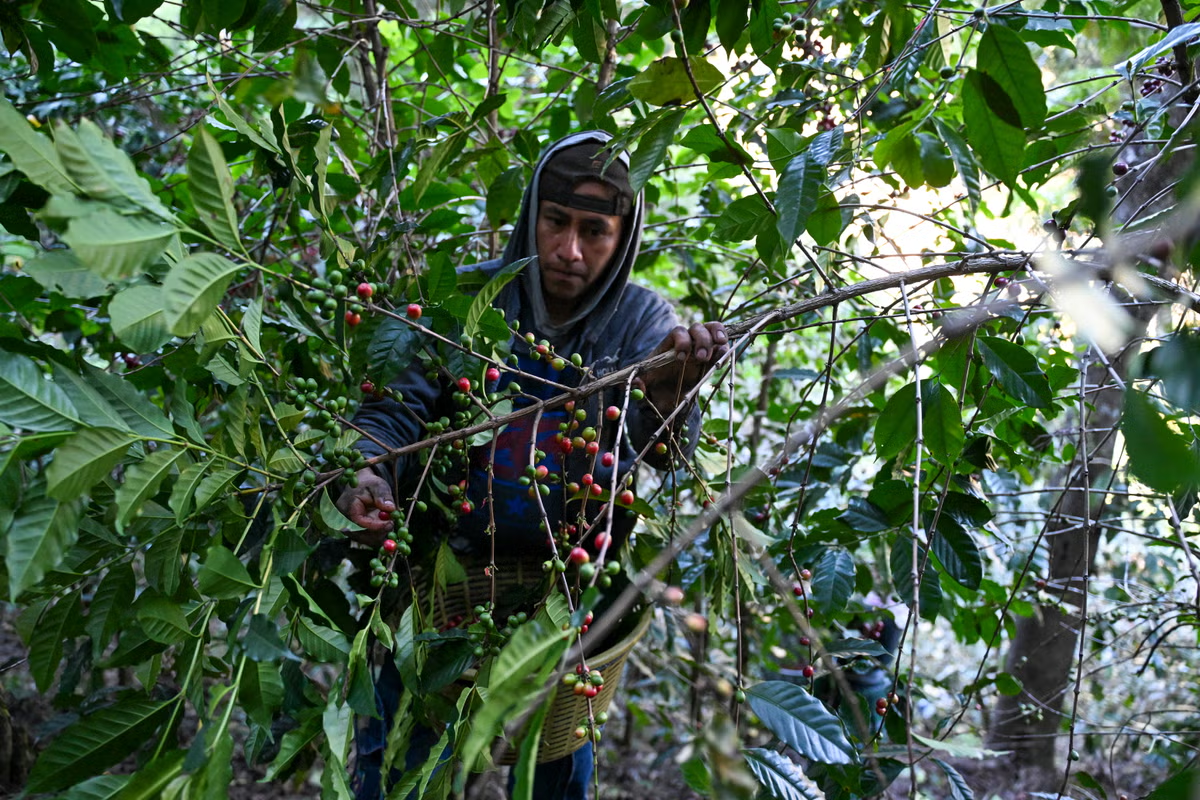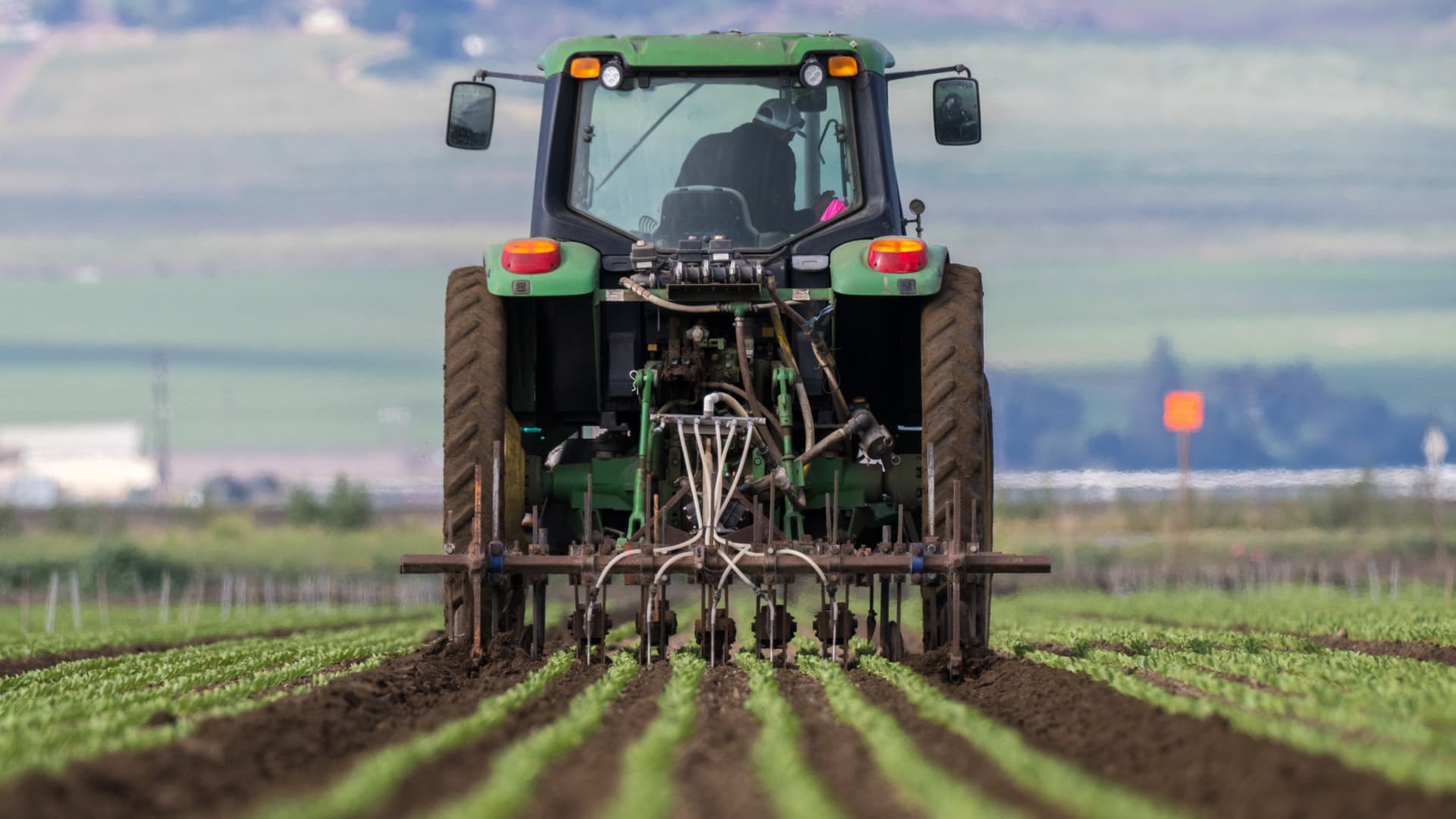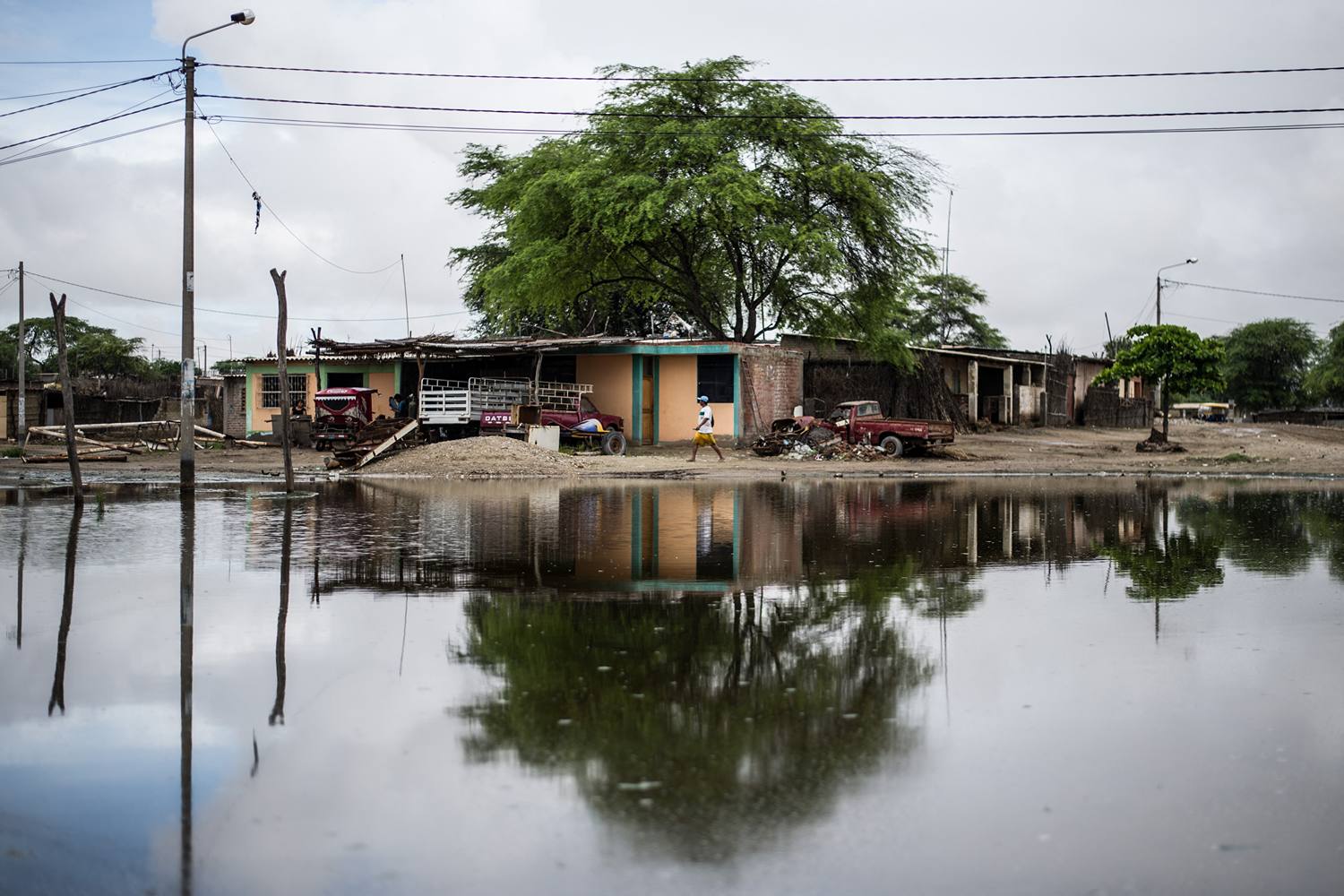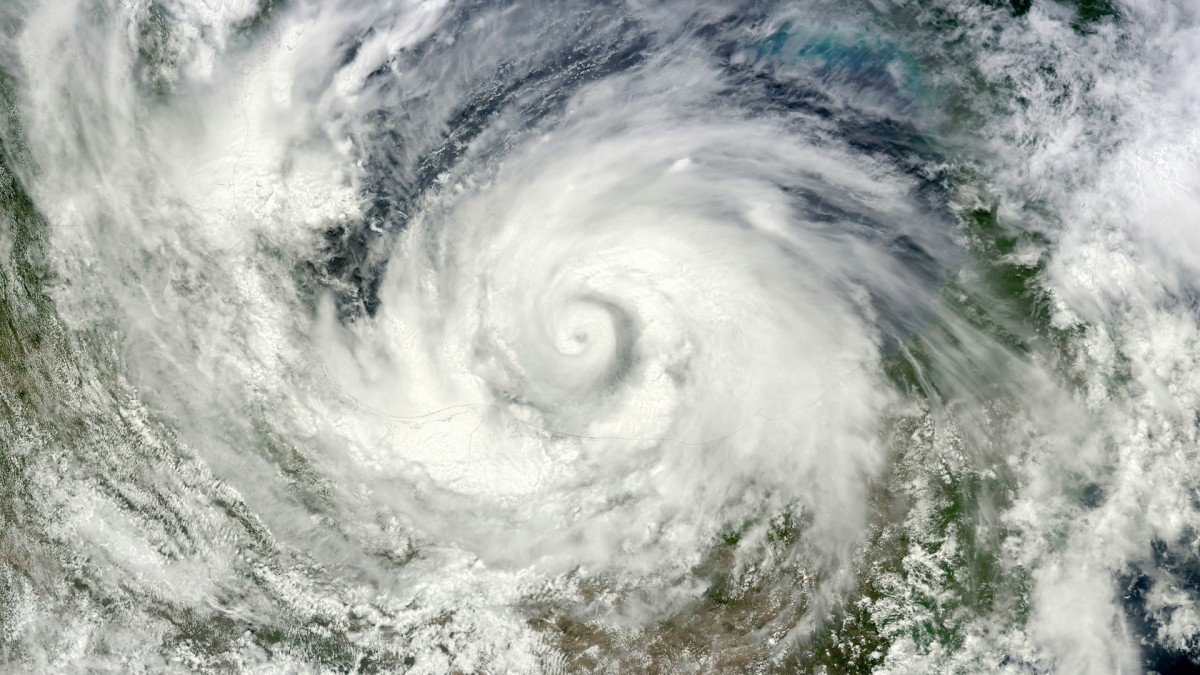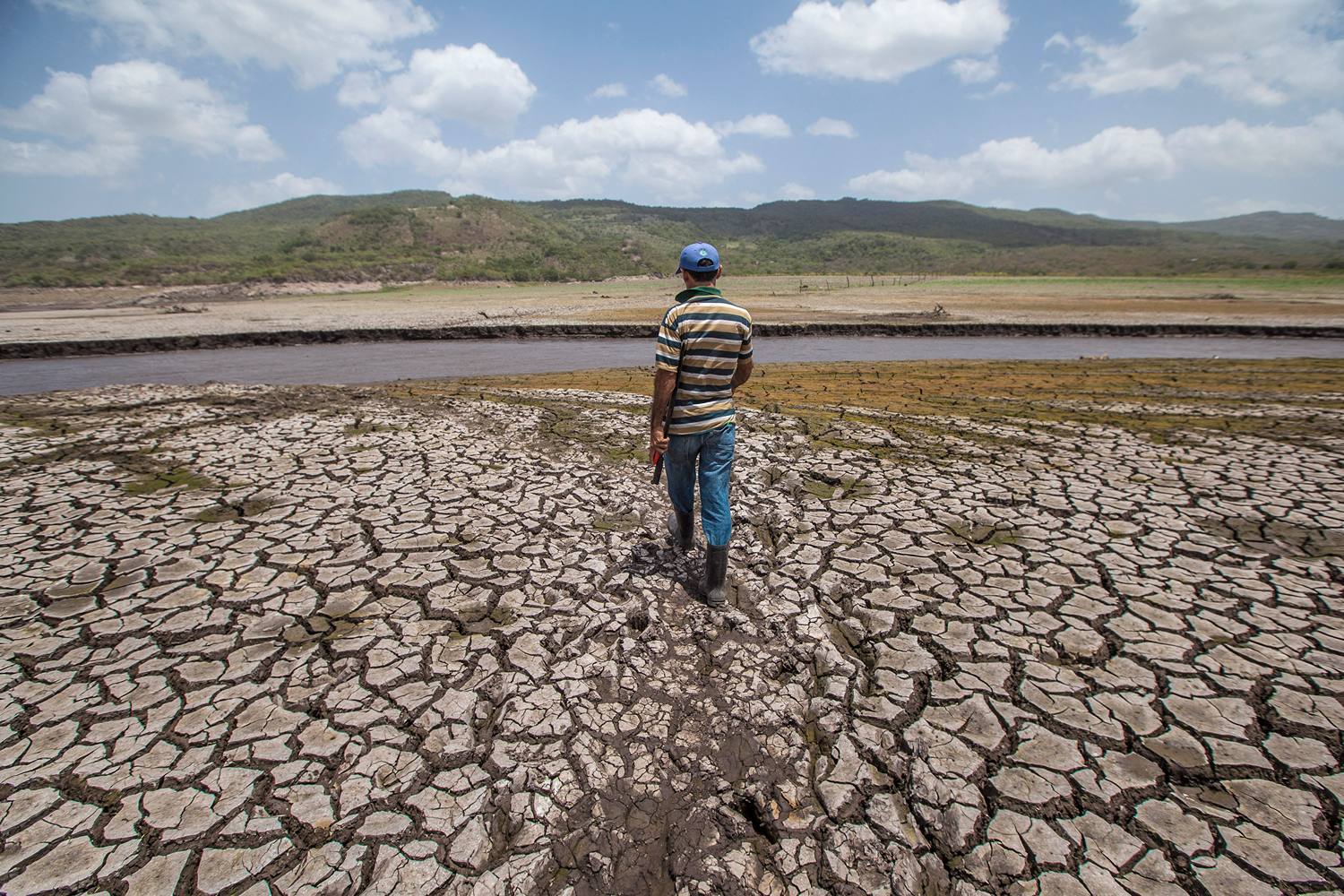
In a turbulent year that has seen farmers worldwide get pummeled by trade wars, fertilizer shortages, and sky-high energy prices, another potential shock looms on the horizon.
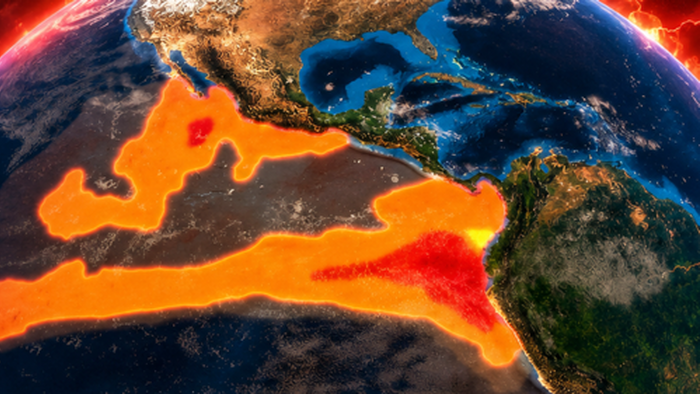
Meteorologists have declared that the world is already seeing the cyclical weather phenomenon known as El Niño, which has big implications for crop production everywhere. On the most basic level, El Niño events see unusually warm waters in the Pacific Ocean, which pump heat into the atmosphere that then influences global rainfall patterns and temperatures.
In a turbulent year that has seen farmers worldwide get pummeled by trade wars, fertilizer shortages, and sky-high energy prices, another potential shock looms on the horizon.
Meteorologists have declared that the world is already seeing the cyclical weather phenomenon known as El Niño, which has big implications for crop production everywhere. On the most basic level, El Niño events see unusually warm waters in the Pacific Ocean, which pump heat into the atmosphere that then influences global rainfall patterns and temperatures.
With forecasts that this could shape up to be a particularly strong El Niño event, aid agencies are bracing for the worst in regions already seeing high levels of food insecurity. The U.N. Food and Agriculture Organization (FAO) and World Food Programme (WFP) earlier this month issued a joint appeal for more than $200 million to shield 8.8 million people in high-risk countries from the weather phenomenon’s potential damages.