Reading Time: 4 minutes
SÃO PAULO—For much of the past two decades, Washington worried that it was losing Latin America by neglecting it. Today, the risk may be the opposite. The United States is paying attention again, but in ways that could accelerate the geopolitical trends it is trying to reverse.
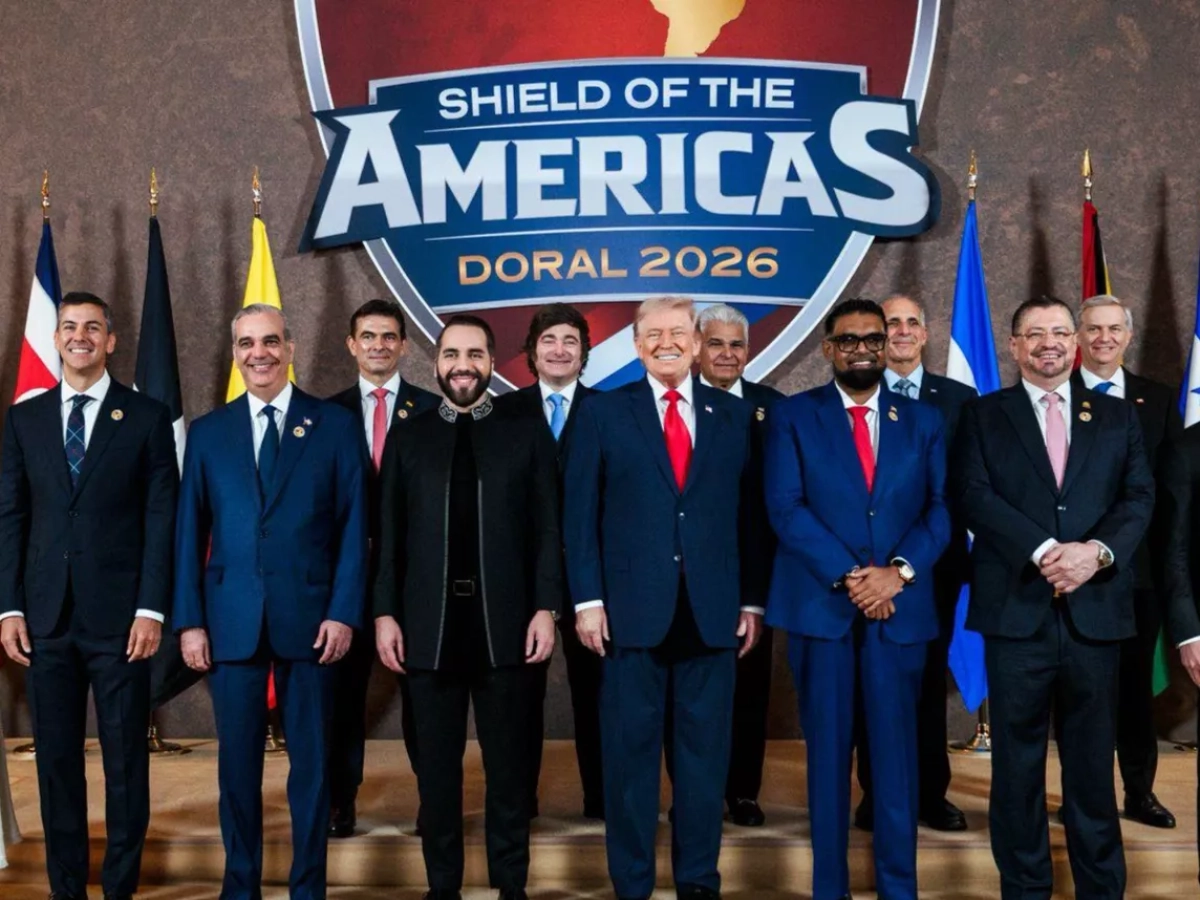
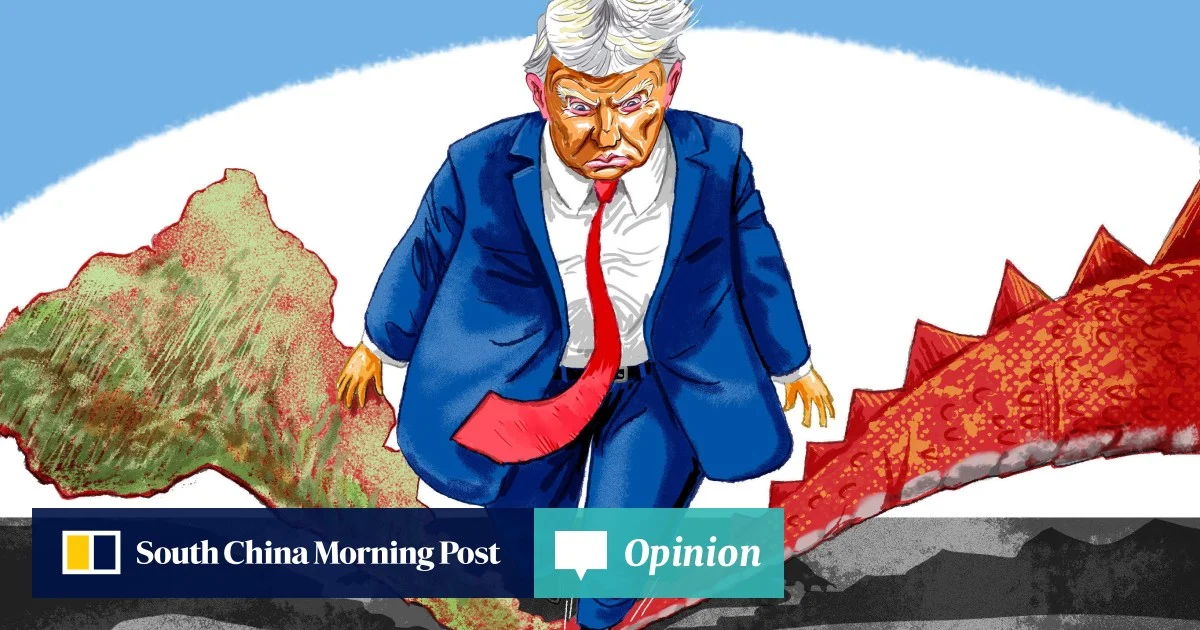
President Donald Trump has made the Western Hemisphere central to U.S. foreign policy with the “Trump Corollary” to the Monroe Doctrine, asserting renewed U.S. leadership in the hemisphere and rejecting the influence of outside powers.
This week, amid escalating tensions with Brazil, the State Department amplified the message once again, posting a video on social media that concludes with Trump’s assertion that American dominance in the Western Hemisphere “will never be questioned again.” The timing is telling. What might once have sounded like presidential bravado is increasingly being presented as a governing principle of U.S. regional policy.
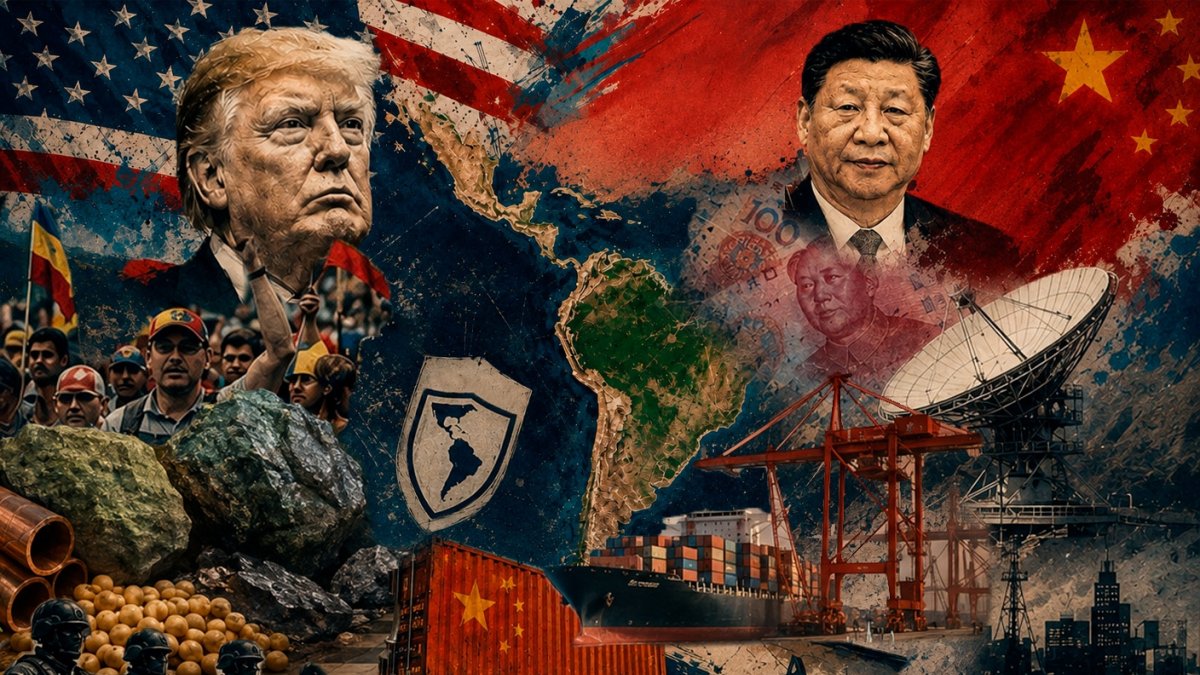
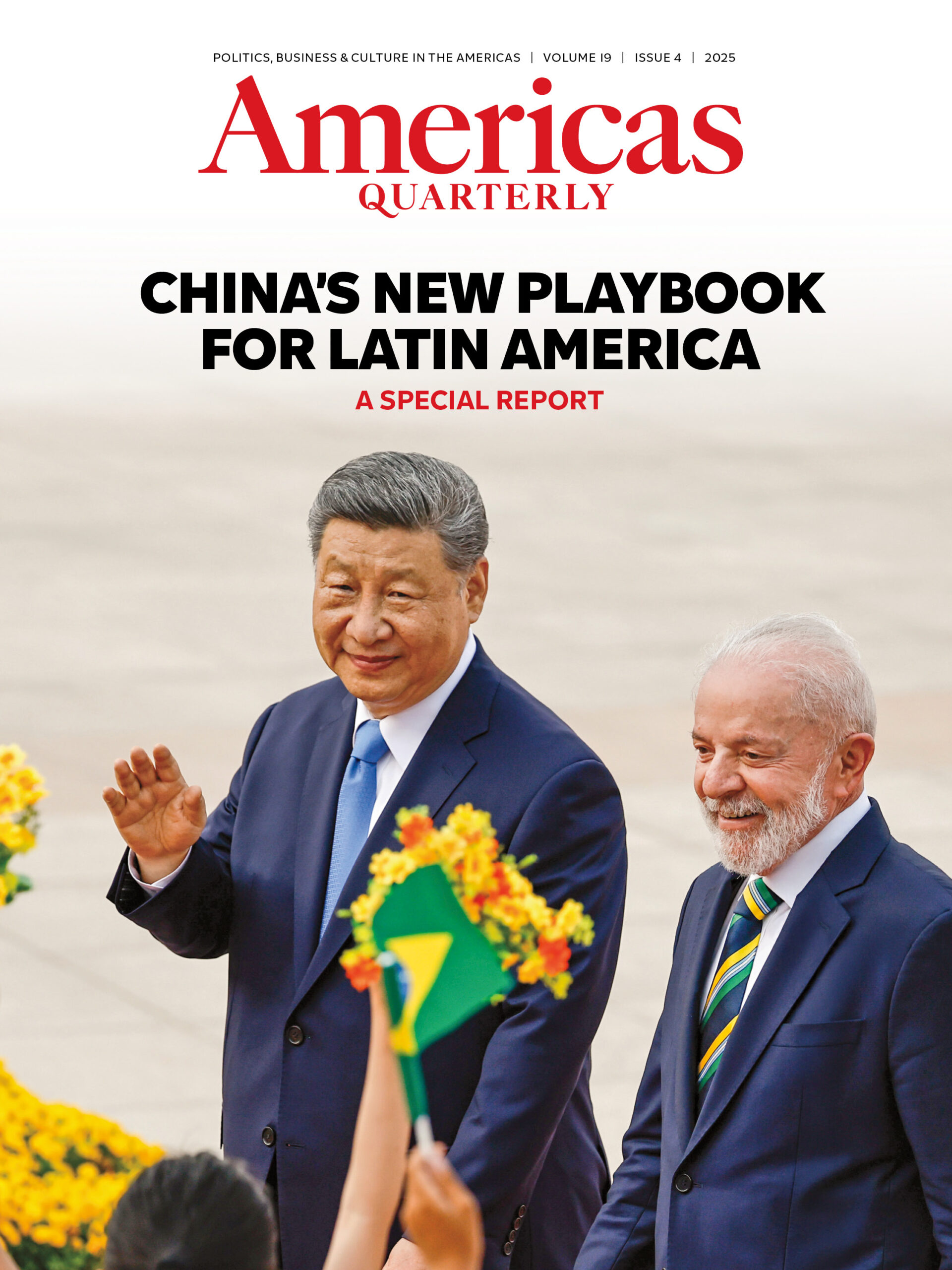
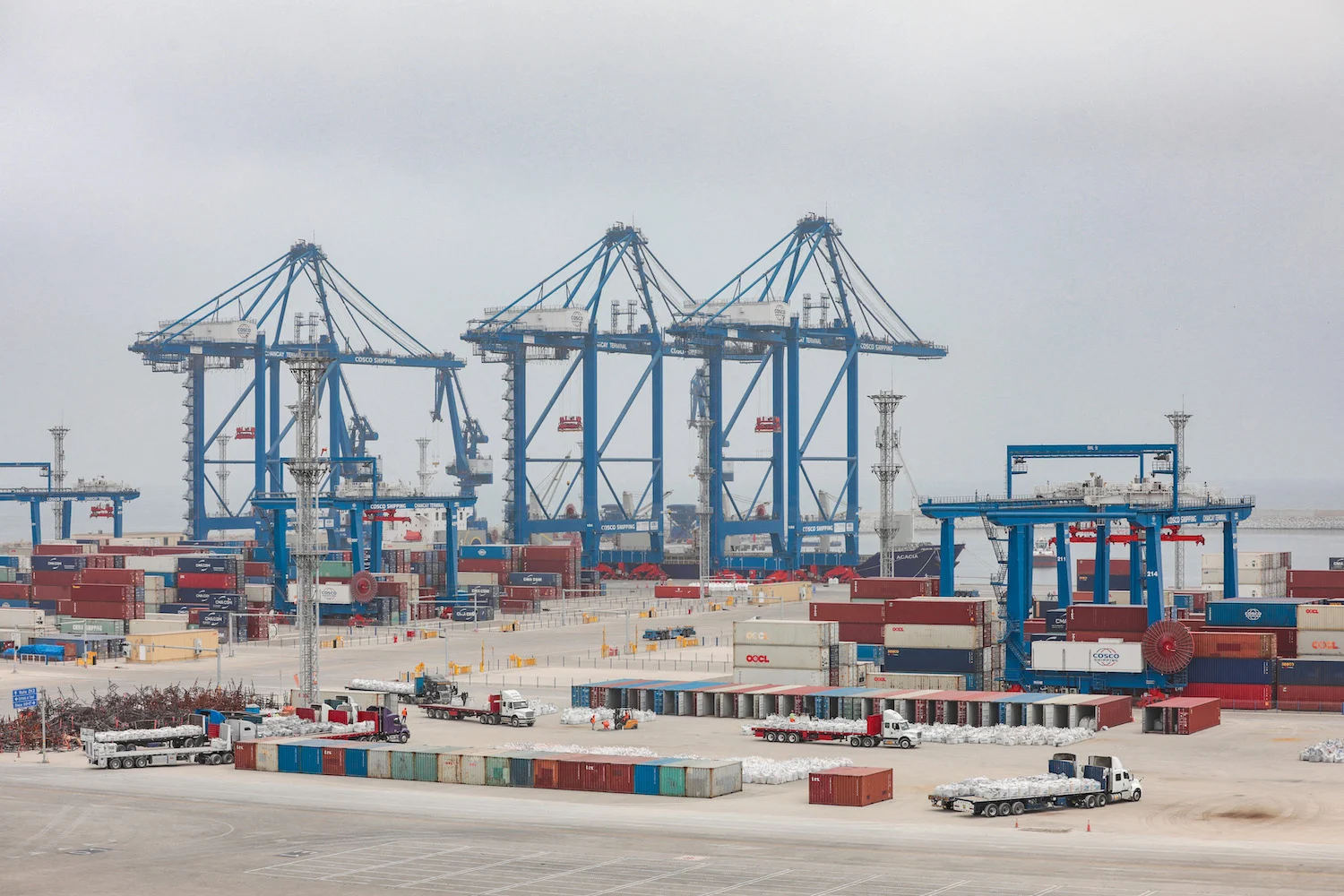
The diagnosis behind this strategy is not entirely wrong. Trade between China and Latin America and the Caribbean exceeded $500 billion in 2024, and China is now the region’s second-largest trading partner and its largest bilateral creditor. The Trump administration seems to assume that renewed attention, combined with enough economic and political pressure, can force the region’s governments to reduce their exposure to Beijing.