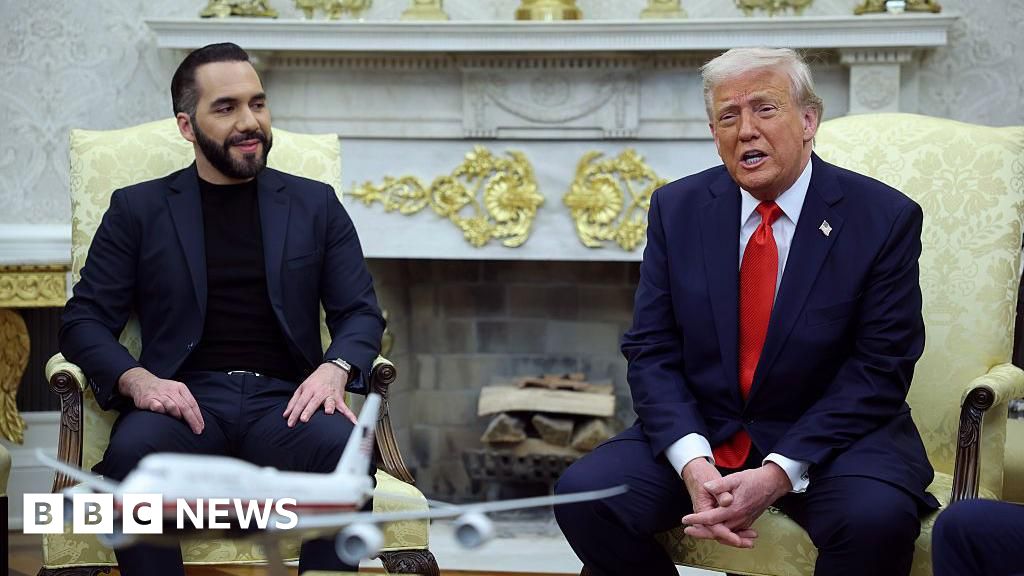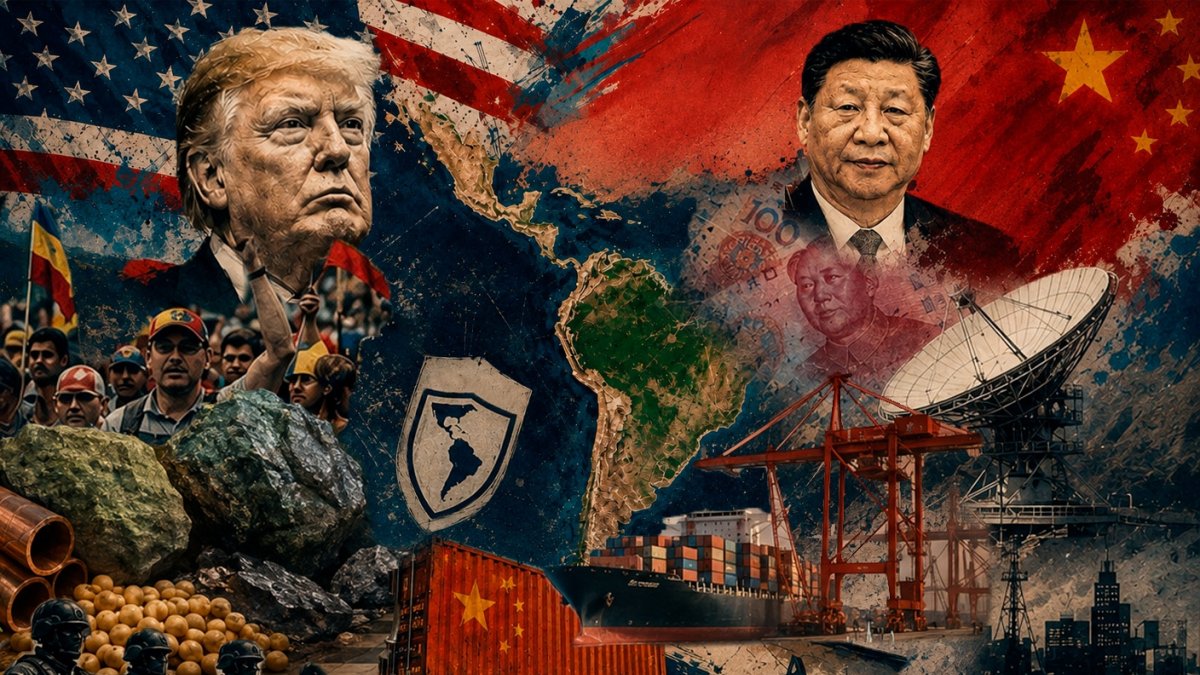
U.S. President Donald Trump’s inauguration in January 2025 accelerated a shift in U.S. foreign and strategic policy. Faced with China's rise, Washington is now abandoning many of the liberal principles that underpinned the U.S.-led global order, as reflected in its renewed emphasis on great-power competition and strategic rivalry.
Multilateralism, globalization and economic interdependence are no longer seen as foundations of the American superpower, but as vulnerabilities threatening U.S. sovereignty and prosperity.
Nowhere is this shift more evident than in Latin America, where the U.S. is reasserting its dominance by recasting economic and political engagement through a security lens. Trump’s 2025 National Security Strategy (NSS) leaves little doubt: The Western Hemisphere is once again a top security priority.
The China effect
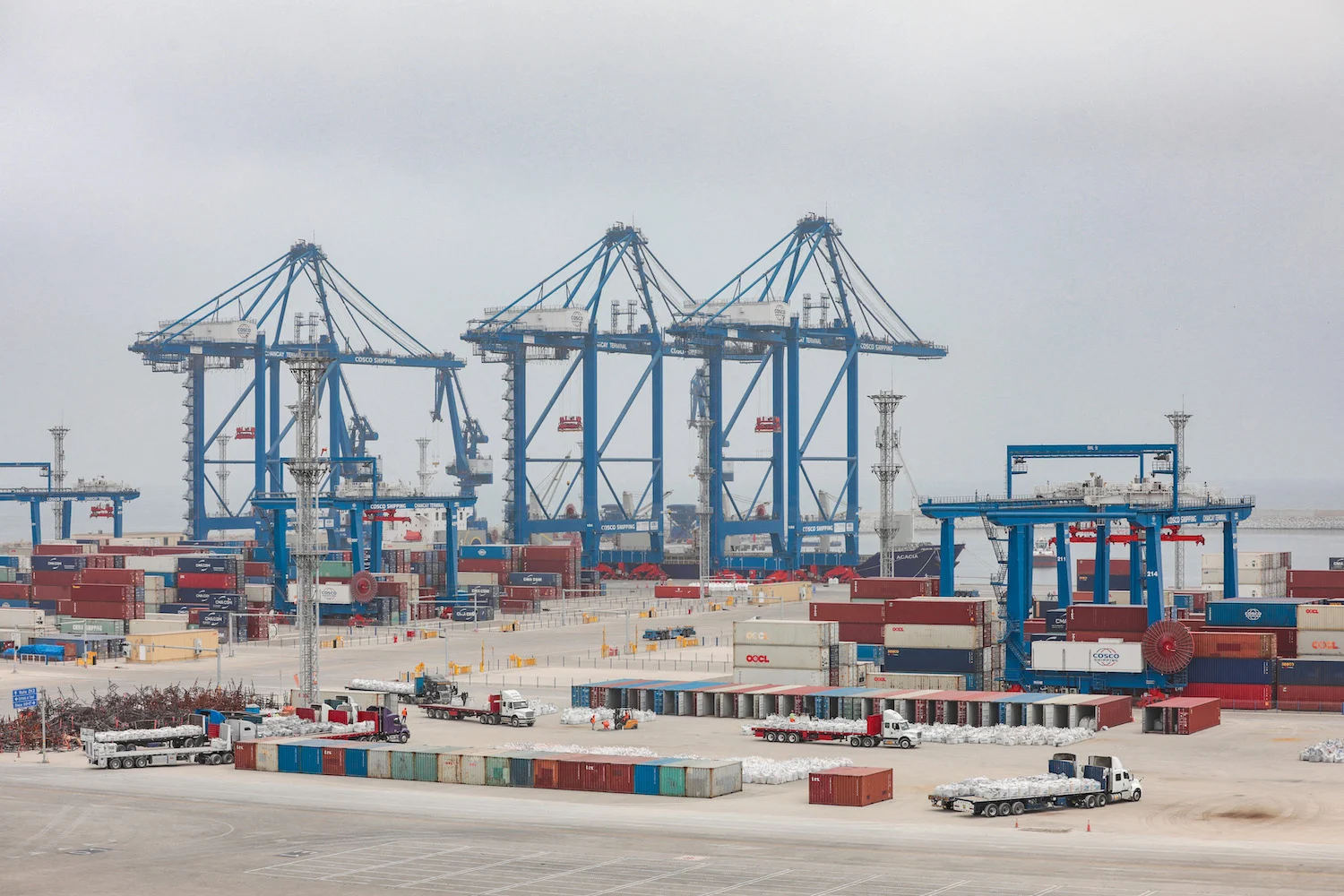
Washington’s newfound anxieties are hardly unfounded. Beijing has become deeply embedded in Latin America, filling the vacuum left by decades of uneven U.S. engagement.