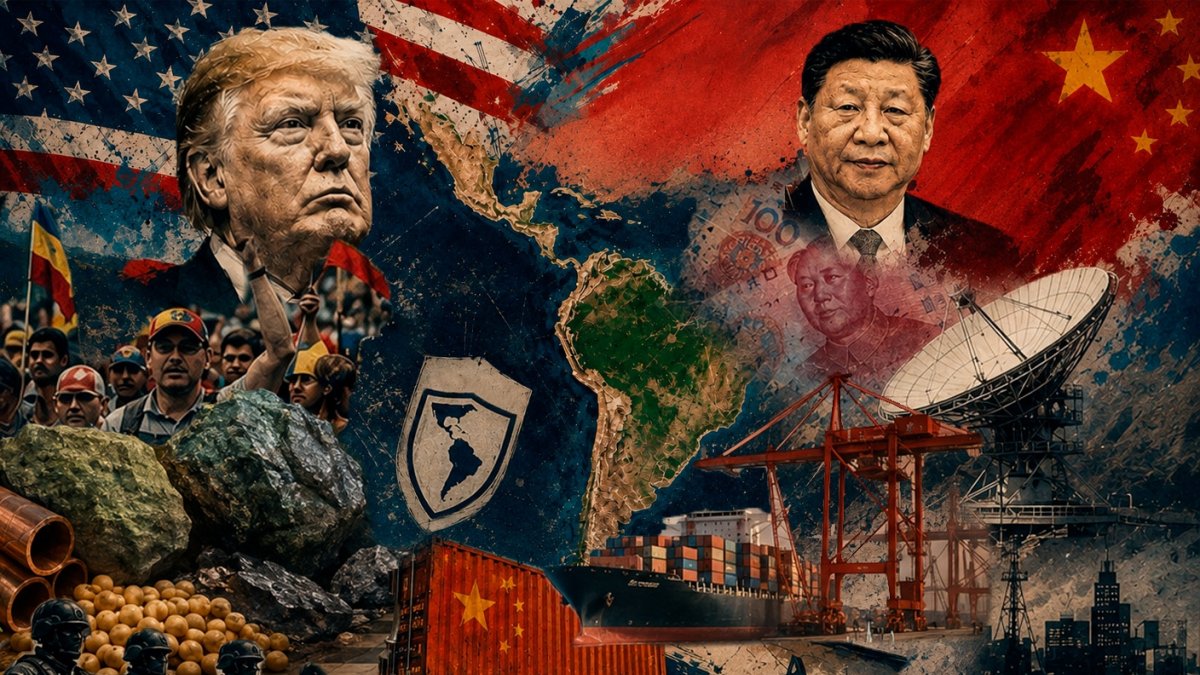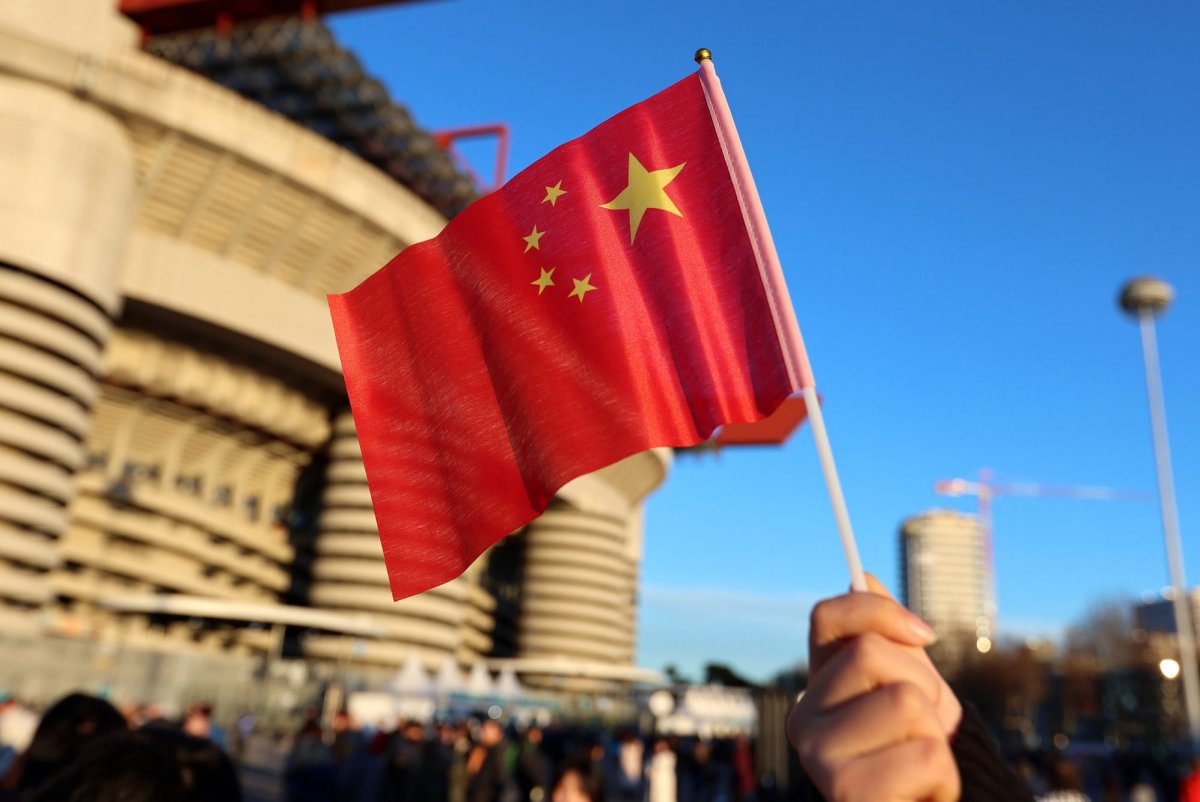
Feb. 20 (UPI) -- In its America First National Security Strategy, the Trump administration has signaled its intention to push back against the influence of U.S. adversaries such as China in the Western Hemisphere. Visible actions across the region have matched that policy.
Early U.S. pressure produces visible results
In February 2025, Panama announced that it would not renew its memorandum of understanding under China's Belt and Road Initiative, becoming the first Latin American country to exit the program. The move followed heightened U.S. scrutiny of Chinese commercial presence near the Panama Canal. Panamanian authorities also initiated a legal review of long-term port concessions held by a Hong Kong-based operator at both ends of the Canal, bringing renewed attention to foreign participation in strategic infrastructure.
In Venezuela, U.S. forces captured Nicolás Maduro on January 3, 2026, in a military operation in Caracas, dramatically altering the country's political landscape. Subsequent U.S. actions targeting embargoed oil shipments and vessels linked to sanctions evasion contributed to shifts in Venezuelan oil flows, including cargoes previously destined for China.
U.S. attention to dual-use concerns involving Chinese space and astronomical facilities also influenced developments elsewhere in the region. In Chile, the government formally cancelled the planned Ventarrones astronomical observatory project in January 2026, after it had been paused in April 2025 because the agreement was found not to comply with Chilean legal requirements. Chilean officials have stated that they remain open to cooperation in space science, but only under appropriate bilateral arrangements.