New European Union rules governing vehicles at the end of their life entered into force on Aug. 13, introducing changes to how cars are designed, produced, collected and treated once they are no longer in use.
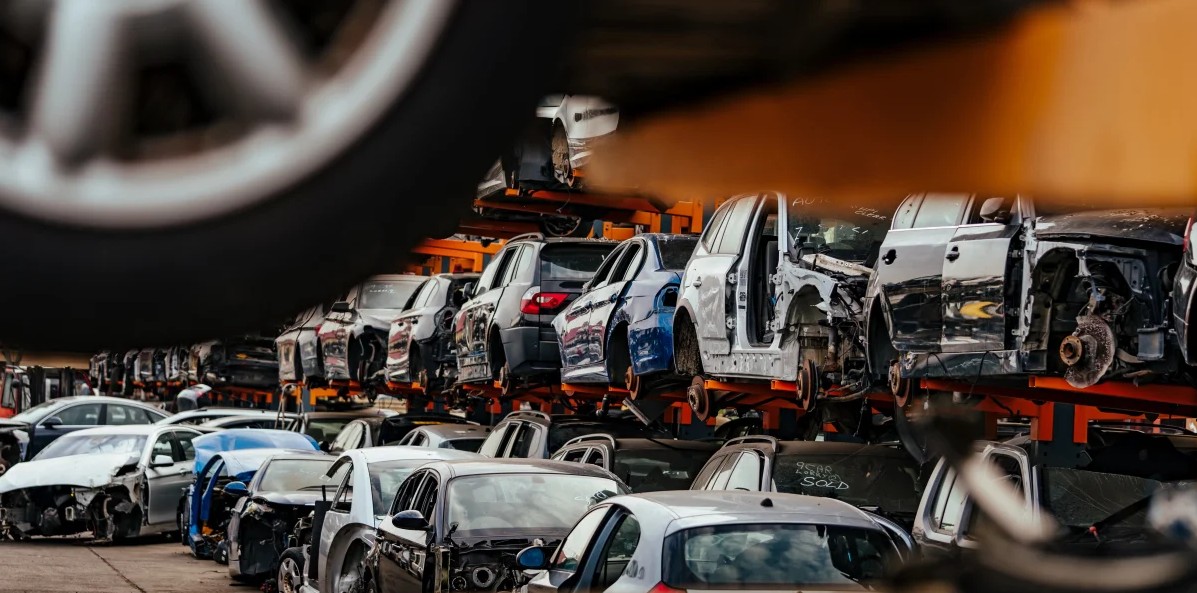
Between 10 million and 12 million vehicles reach the end of their useful life in Europe every year and are treated as waste. At the same time, these vehicles contain significant quantities of valuable raw materials that can be recovered and reused.
The new End-of-Life Vehicles Regulation is intended to improve the recovery, reuse and recycling of materials such as steel, aluminum, copper and plastics. Better management of discarded vehicles is expected to reduce environmental risks while helping the EU secure supplies of raw materials and reduce its dependence on imports of primary materials.
The regulation also aims to strengthen the industrial use of recovered materials and cut the amount of waste generated by vehicles. By changing requirements across the automotive supply chain, the new rules are expected to encourage closer cooperation between vehicle manufacturers, dismantlers and recycling companies.
The European Commission expects the new regulatory framework to create additional business opportunities throughout the sector. Increased recycling and reuse should also make more spare parts available for the second-hand car market.