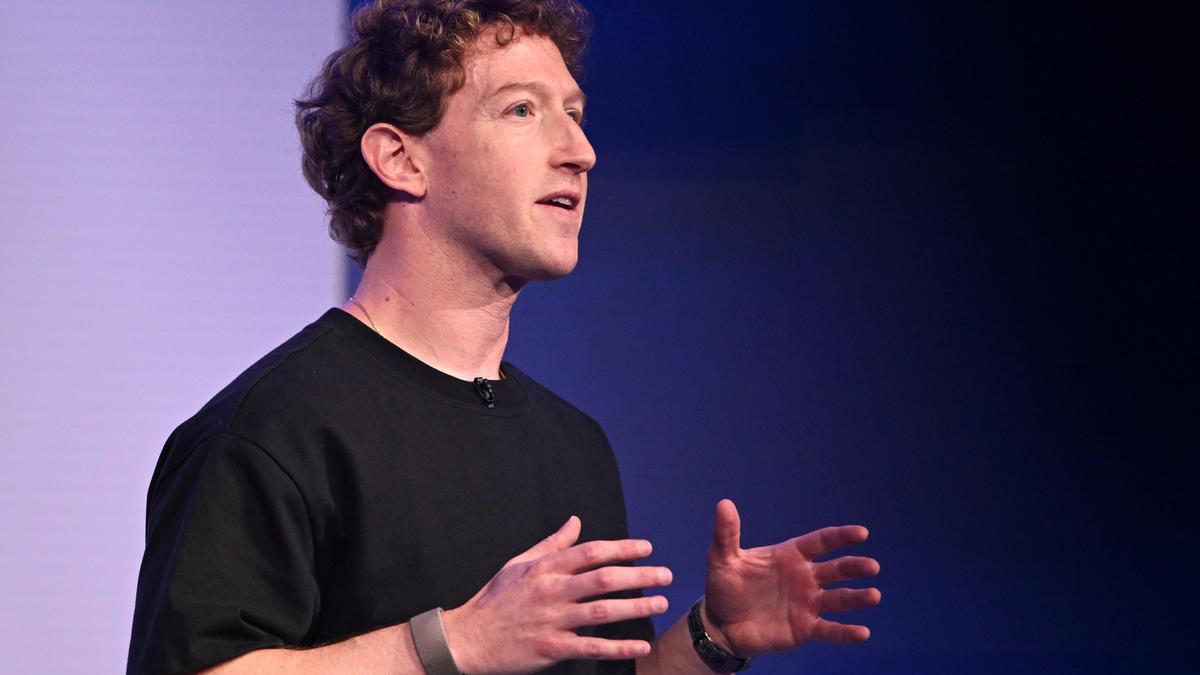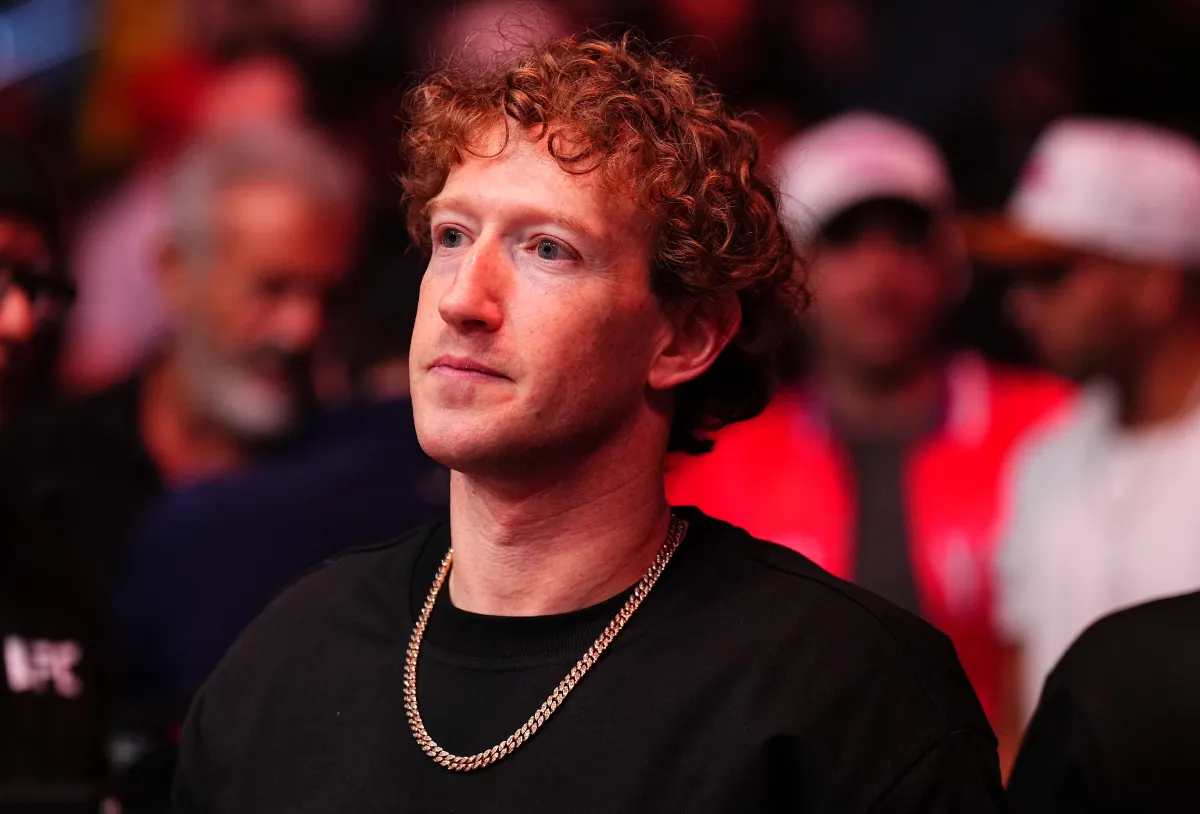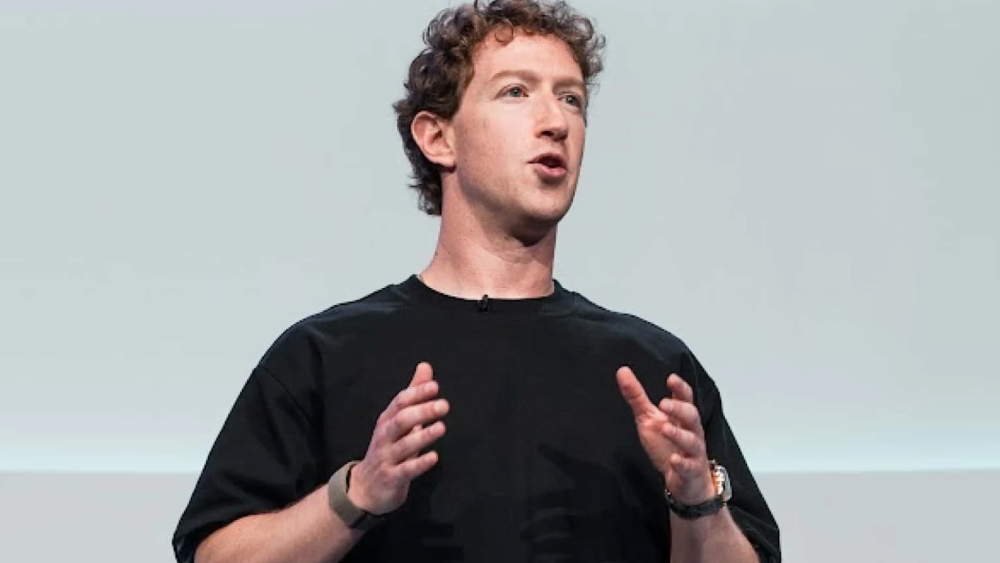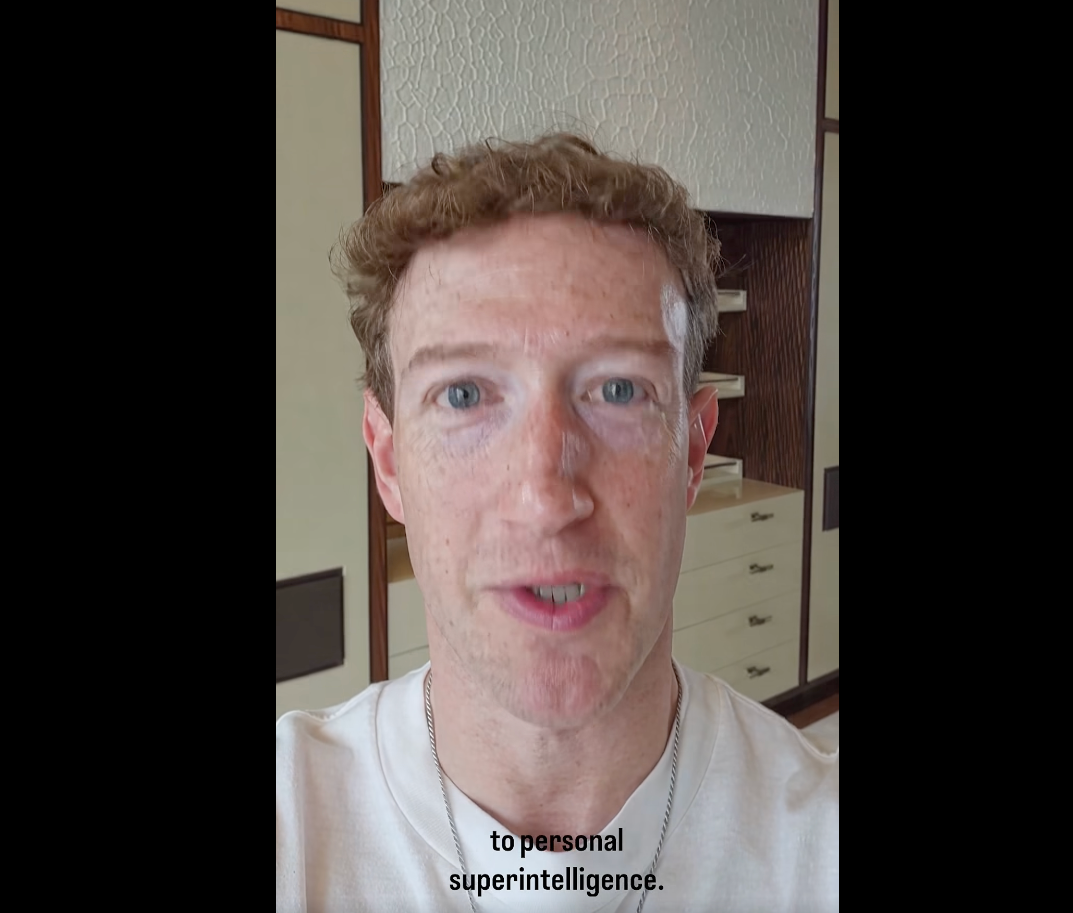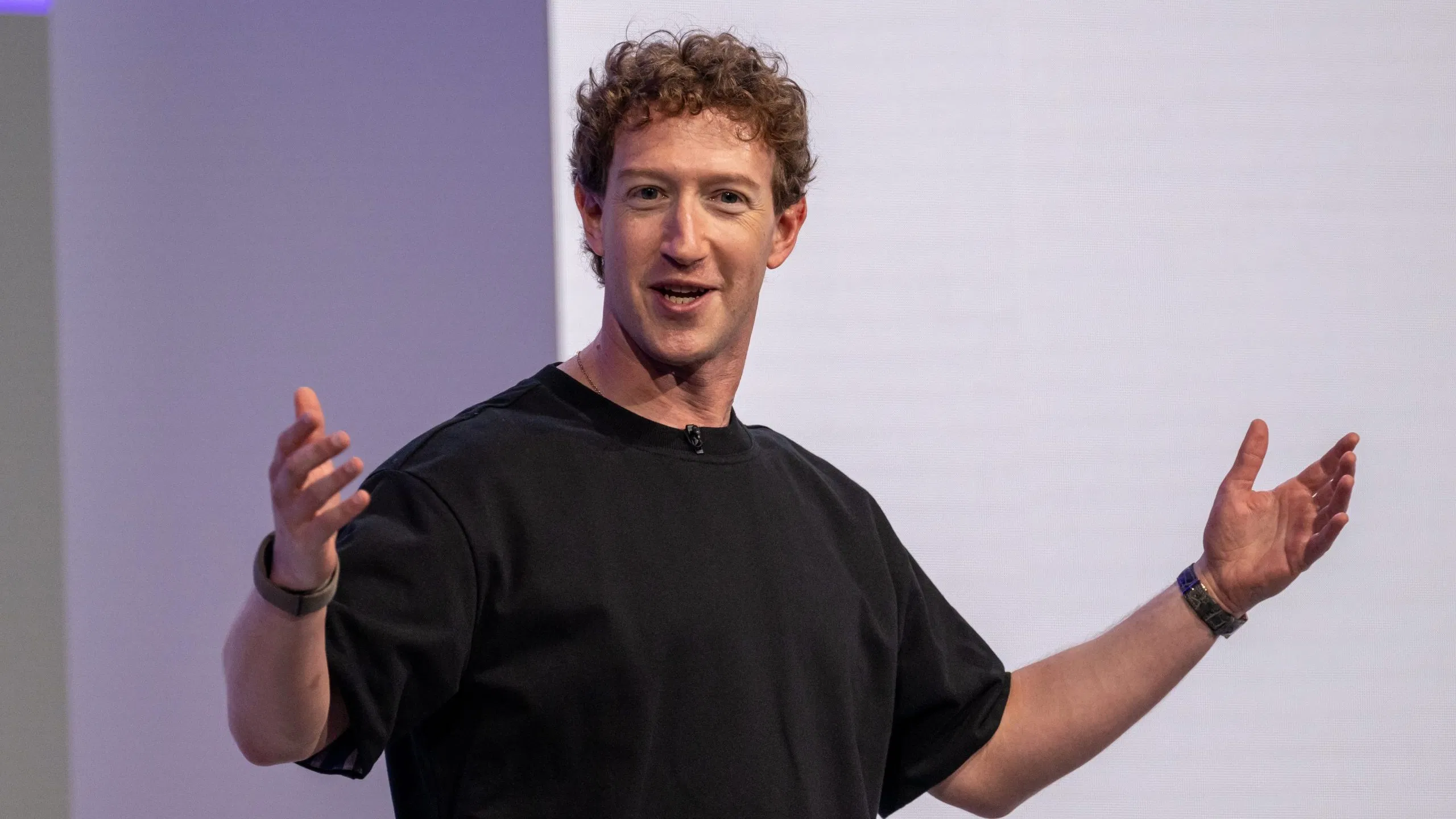
After seeing a video of Mark Zuckerberg sparring with a UFC champion on a barge in the middle of Lake Tahoe, you might be inclined to dismiss his man-of-the-people essay published on Monday morning. In it, he tries to position his company — which is paying out hundreds of millions of dollars in damages for harming children — as the AI company that will fight for you, me and everything society cares about (such as earning a living).
Unlike competitors such as Anthropic and OpenAI, Zuckerberg wrote in more than 6,500 words, Meta Platforms Inc. is building AI “primarily” for people rather than companies, governments and institutions; those other AI labs have compromised incentives and must not amass too much power, or tyranny awaits. He might be right, though to suggest his company’s “personal superintelligence” — whatever it ends up being — will therefore end up any better for humanity than those rivals is a stretch to say the least.For starters, on the question of building open or closed AI models, he has now flip-flopped twice, which I suppose leaves him back where he started, only now claiming, with a straight (and rather sunburned) face, that his company had never wavered in this belief. In truth, Zuckerberg’s focus on AI, much like his apparent political views, has whipsawed from open to closed depending on Meta’s failings and the trends of the day. The most recent chatter in AI circles has focused on how Chinese open-weight models — which can be more highly customized and run independently of their initial creators — are growing in capability and cost efficiency. To keep up, we should make it easier and cheaper to make and release open-weight models, Zuckerberg argues, by permitting controversial practices like distillation — the process of training one model with another, which some AI labs vehemently oppose.