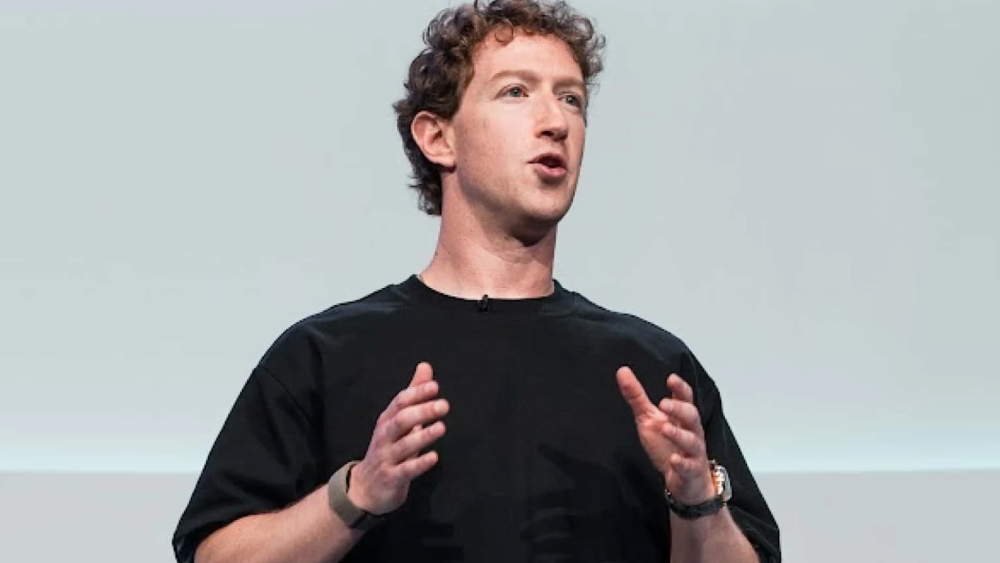
Mark Zuckerberg wants an AI-powered future for all — and he doesn’t understand what the problem is.
In a 6,500-word manifesto titled “The Future is for Everyone,” the Meta CEO laid out the company’s philosophy around AI as one rooted in “individual empowerment as the source of prosperity,” arguing the introduction of artificial superintelligence will transform humanity, that the general population, rather than select AI companies, should harness its potential and that the U.S. should not restrict access to open-source models.
But such a future means embracing collaboration with the government and reducing, not enhancing, training guardrails that could impede technological progress, Zuckerberg wrote. On those points, he questioned why those AI companies generated discourse around AI development that appeared “so filled with doom.”
“I do not understand why anyone who believes that AI will eliminate most jobs and much of humanity’s relevance would rush to build that future,” Zuckerberg wrote. “The notion that AI is so dangerous that the only safe path is an extreme concentration of power seems inherently problematic. Historically, hoping that an absolute power will benevolently provide for humanity if sufficiently enlightened has not led to safe or positive outcomes.”