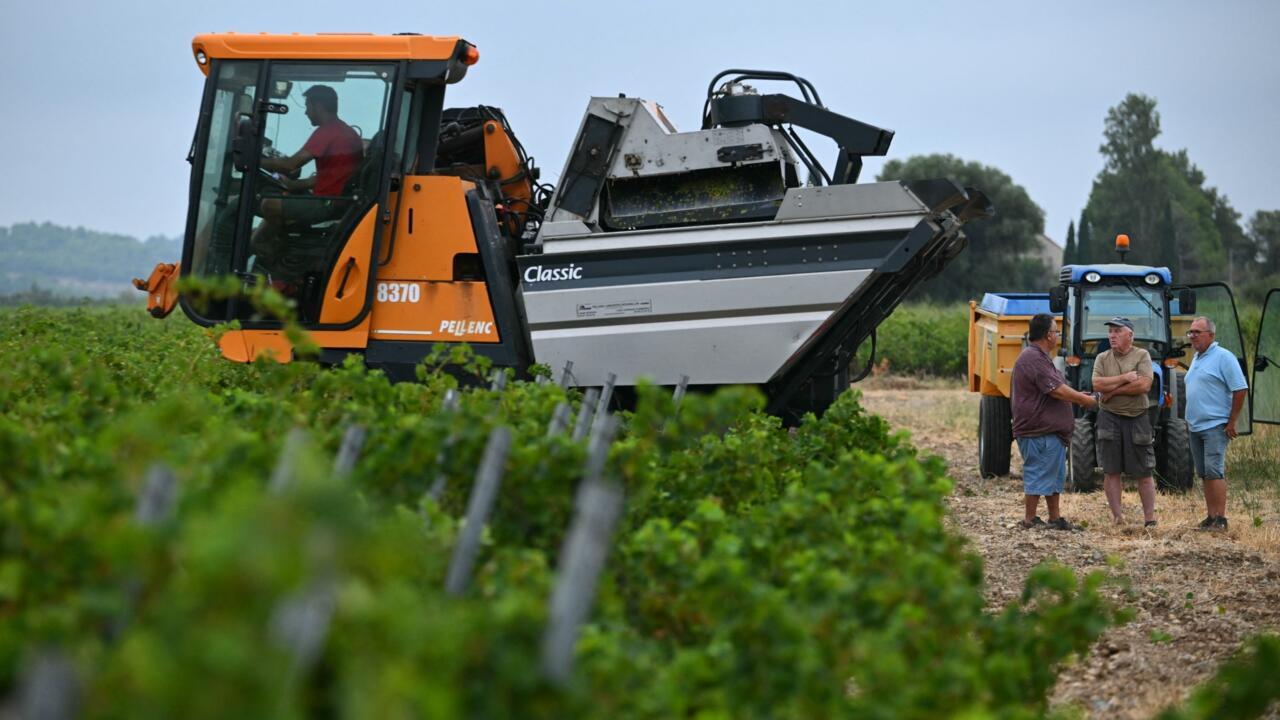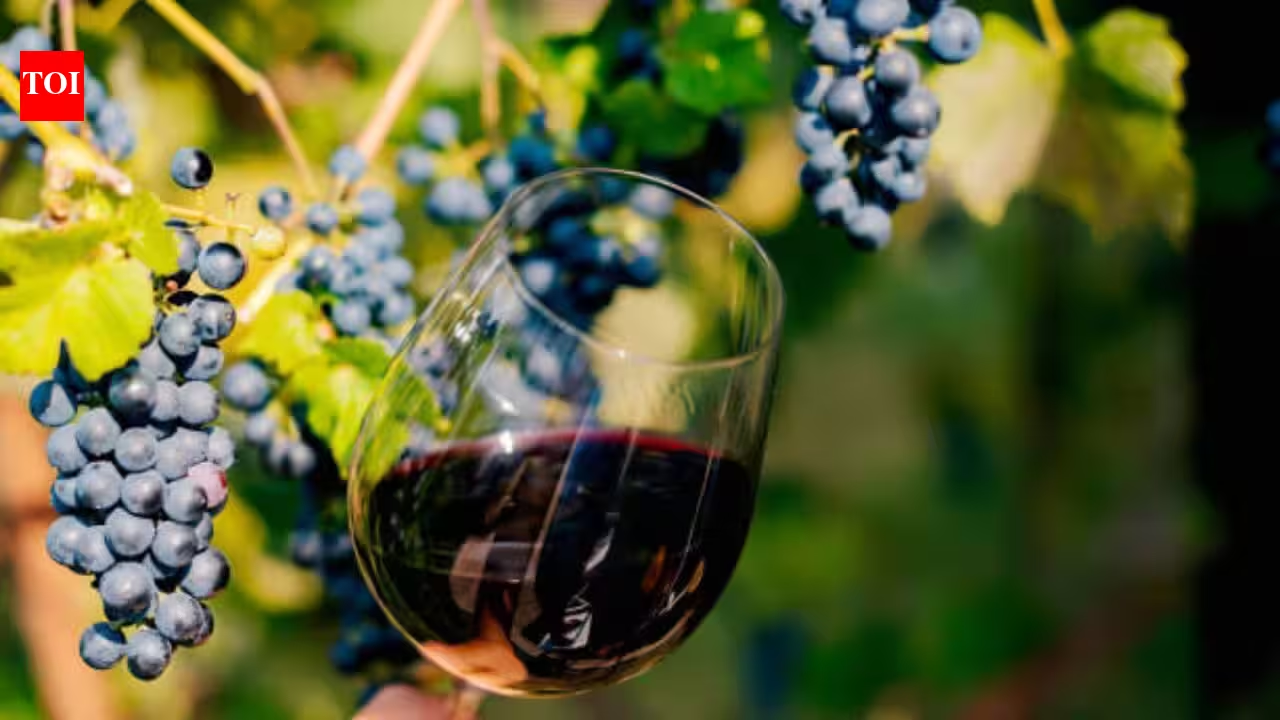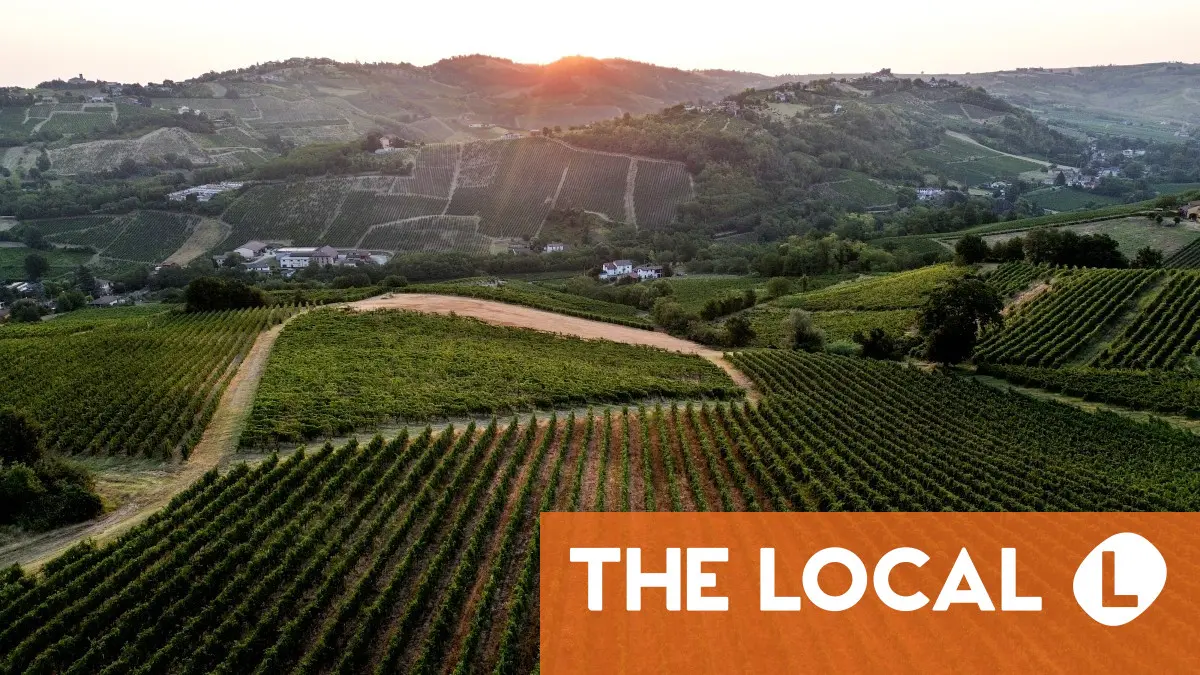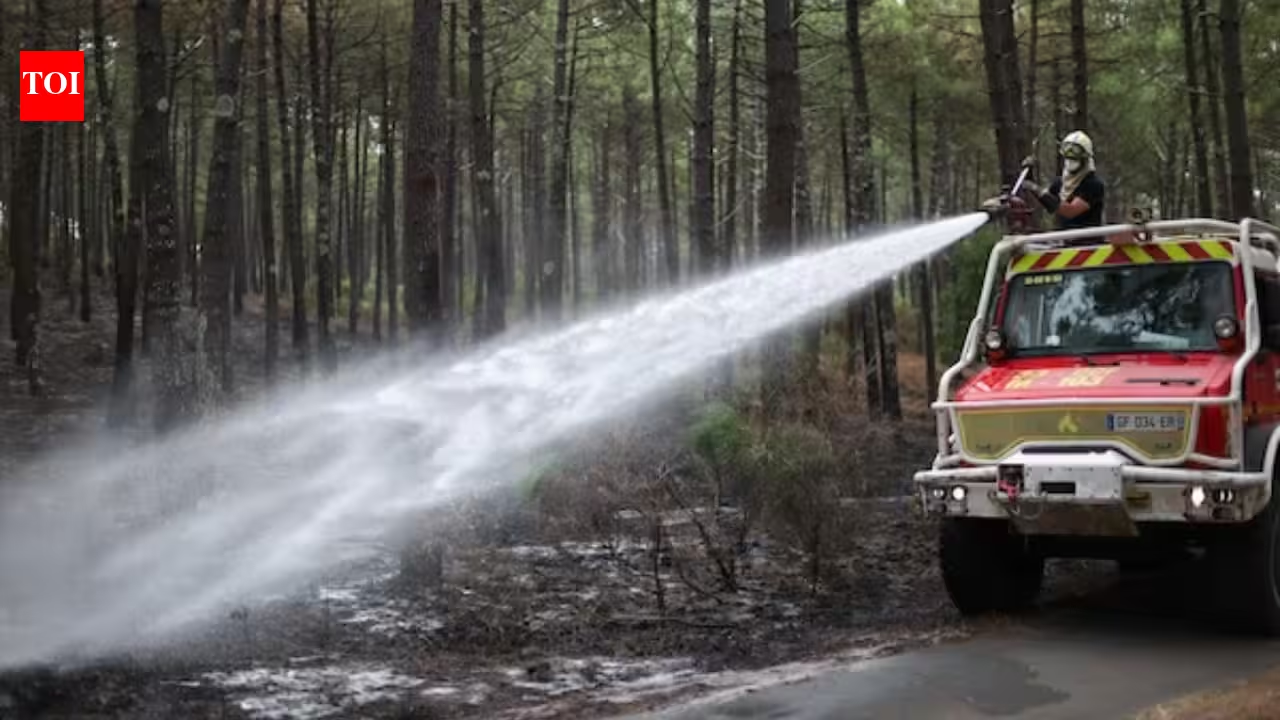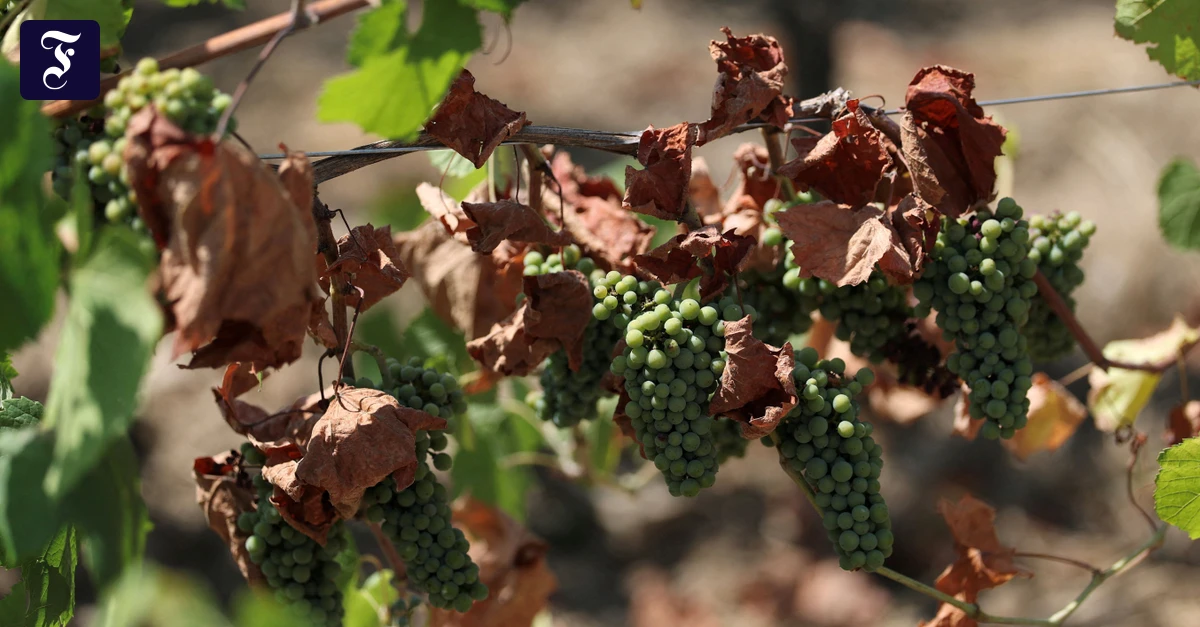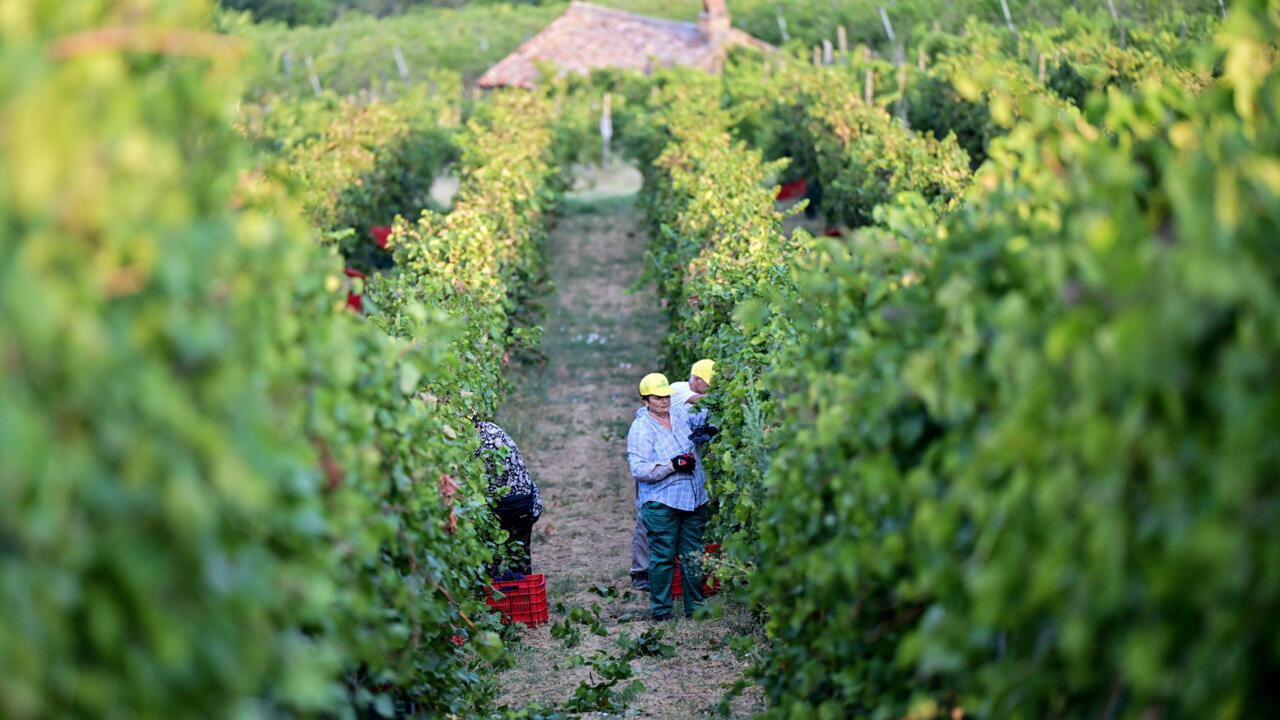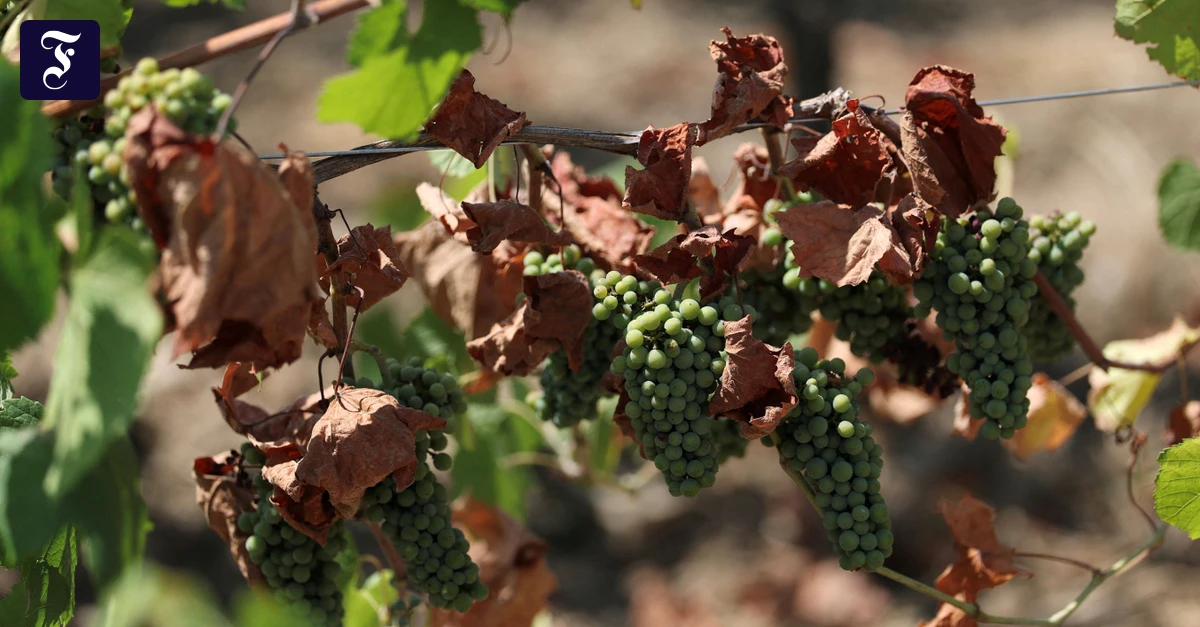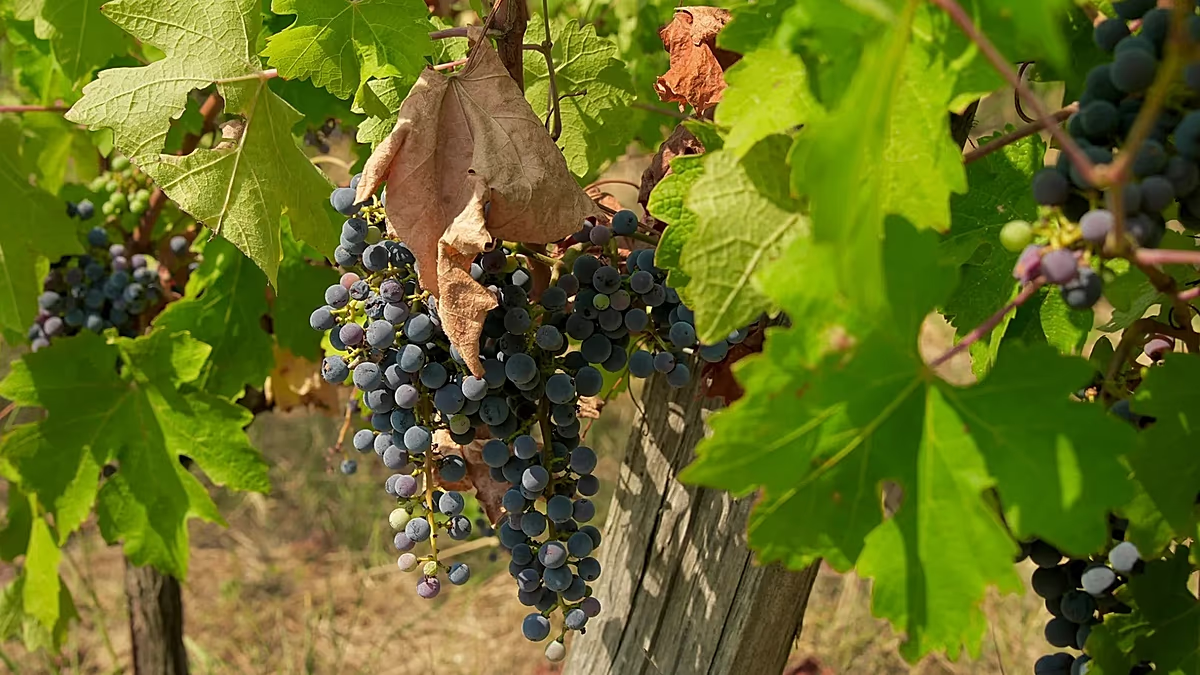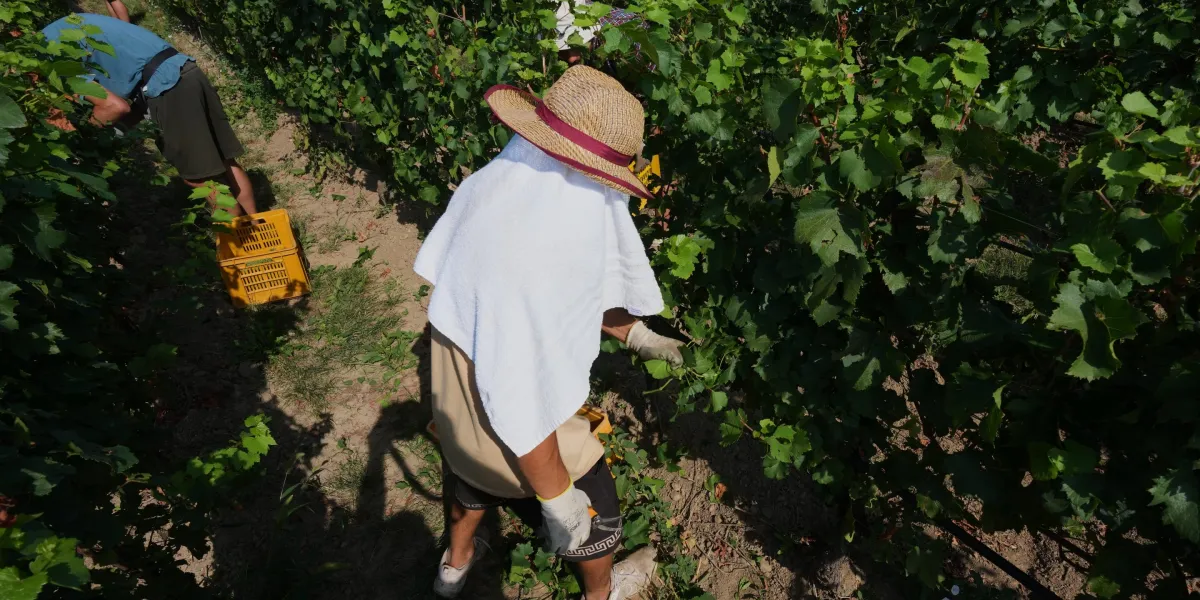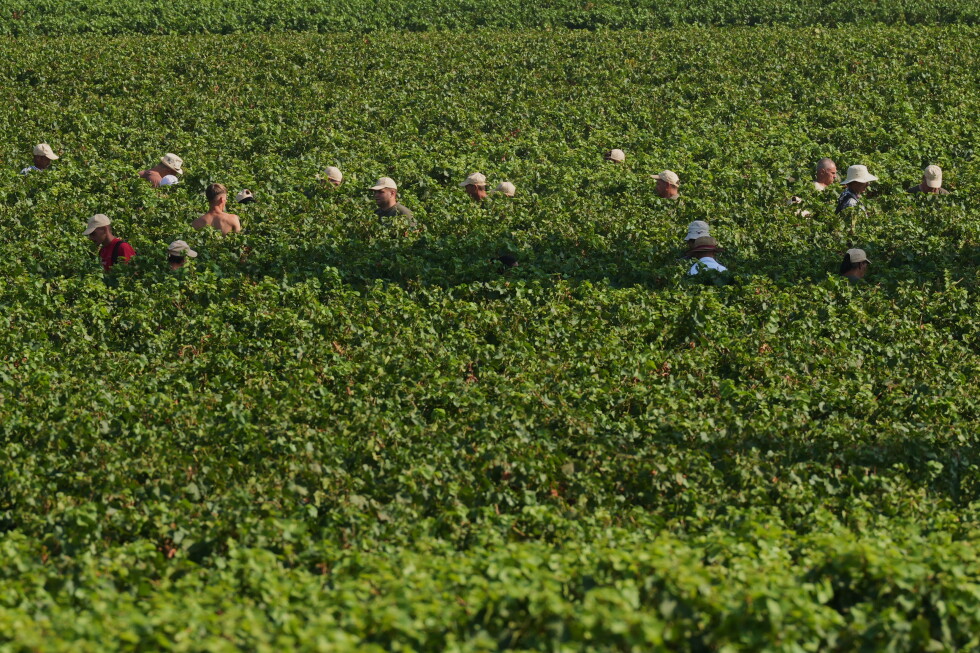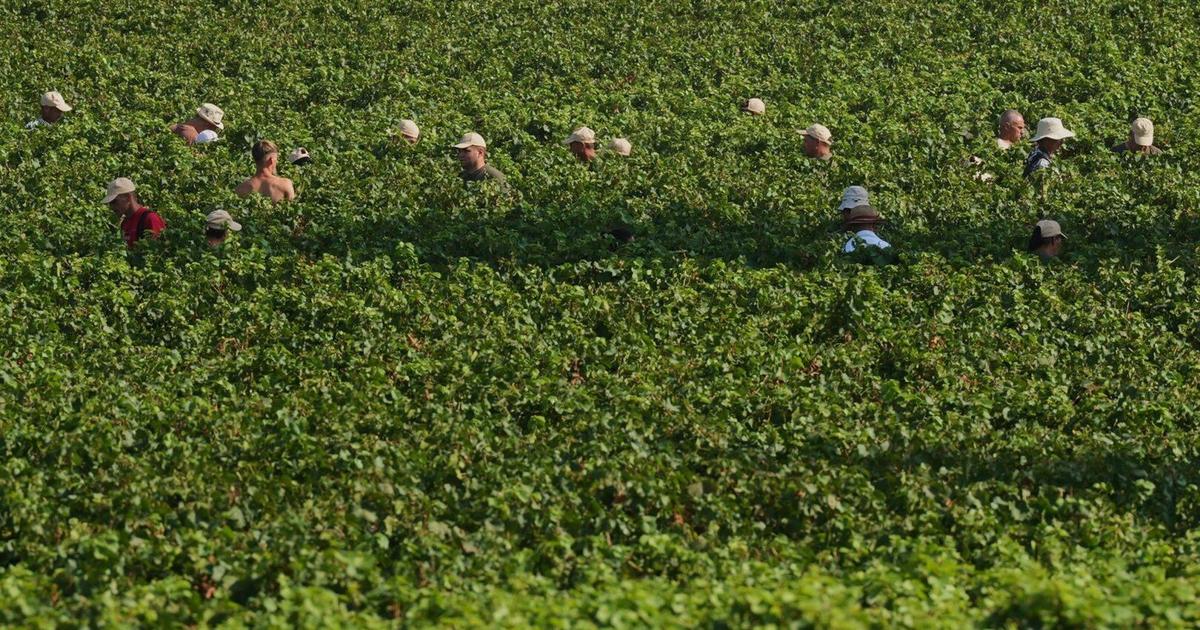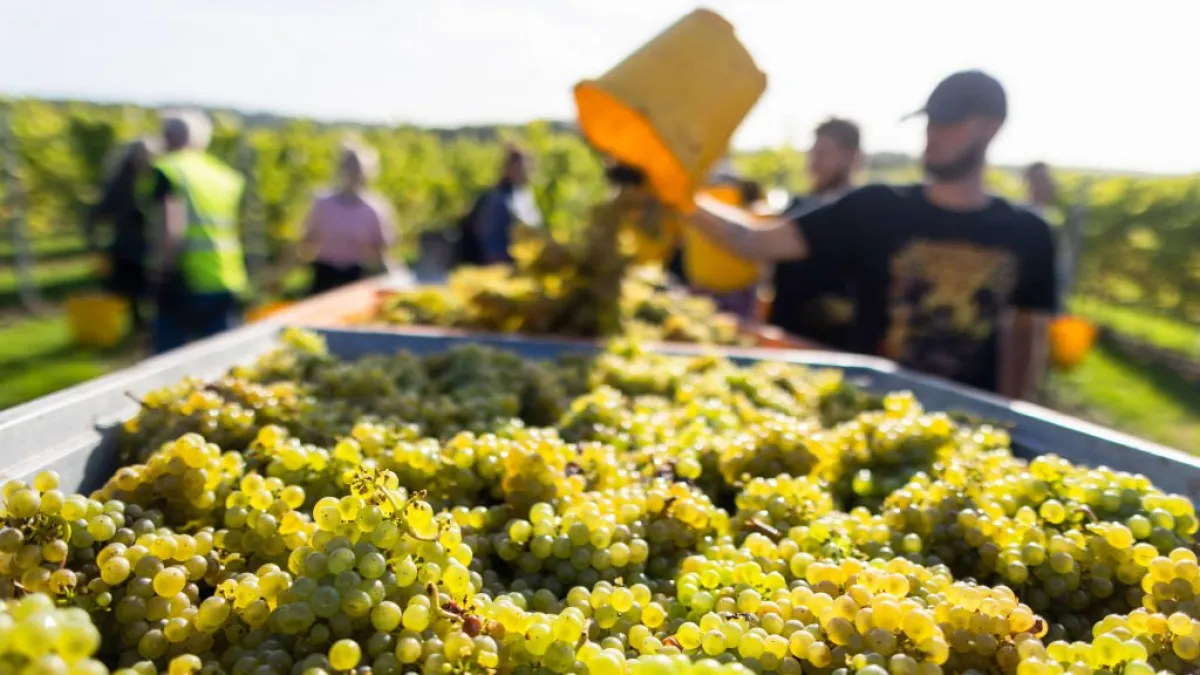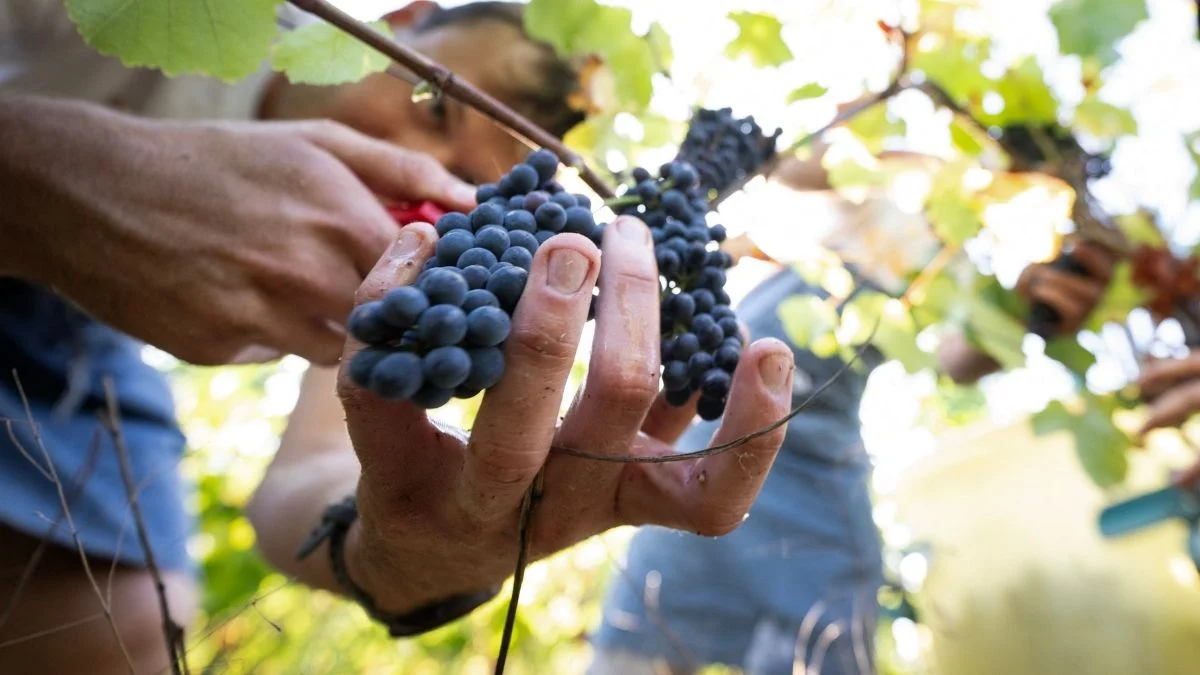
As Western Europe nears the end of its hottest summer on record, growers across the world's most famous wine regions are starting their harvests early – provided their grapes weren't already burnt in the heat of fires and drought.All evidence suggests wine regions in Europe and across the world are going to continue to be hit with hotter, drier weather. A recent study by viticulture experts from institutes across France, Germany, and Argentina assessed how well two of the most popular wine grape cultivars – Pinot noir and Chardonnay – might fare as drought becomes more prevalent as climate change progresses in the coming years. Burned vineyards following a wildfire in Ponteves, southeastern France, in July 2026. (Thibaud Moritz/AFP/Getty Images)As a crop, wine grapes (Vitis vinifera) are quite resilient to dry conditions. In the case of red wines, a moderately drier year can even improve the vintage (and the value of each bottle), despite reducing the yield. This careful balance is easily tipped over by more extreme conditions, though. In drought, grape vines tend to produce much lower numbers of berries, in smaller sizes, and may even fail to ripen properly.Scientists have suggested artificial selection or even gene editing could help create new wine varieties better suited to future climate conditions.But wine growers in heritage regions like France, Italy, and Germany are loyal to their vines.
Scientists Pinpoint How Long Wine Varieties Can Survive, And It's Bad News For Red Wine Drinkers
As Western Europe nears the end of its hottest summer on record, growers across the world's most famous wine regions are starting their harvests early – provided their grapes weren't already burnt in the heat of fires and drought.
746 words~3 min read