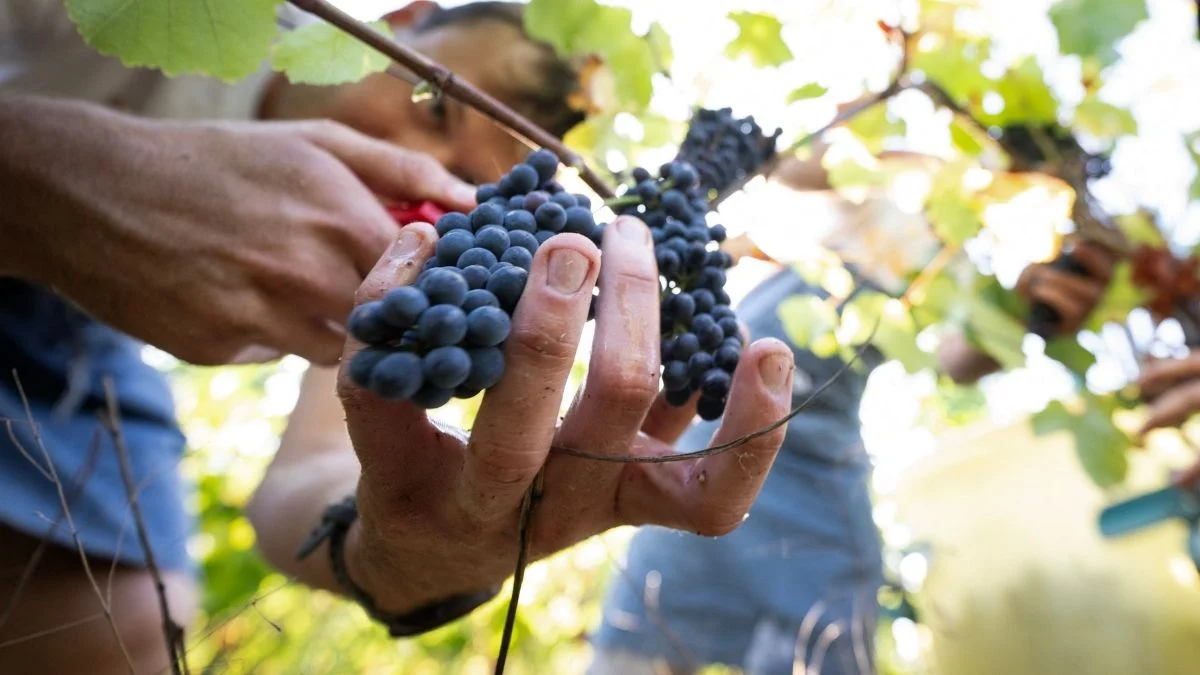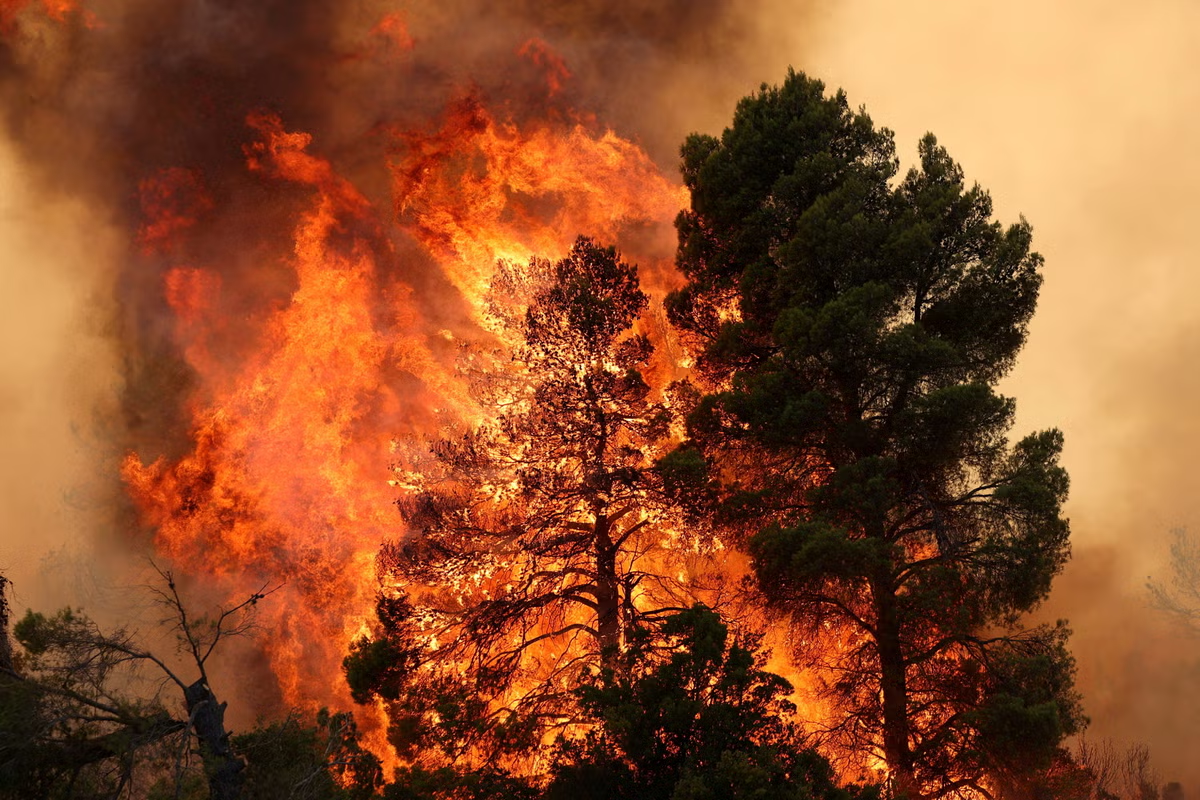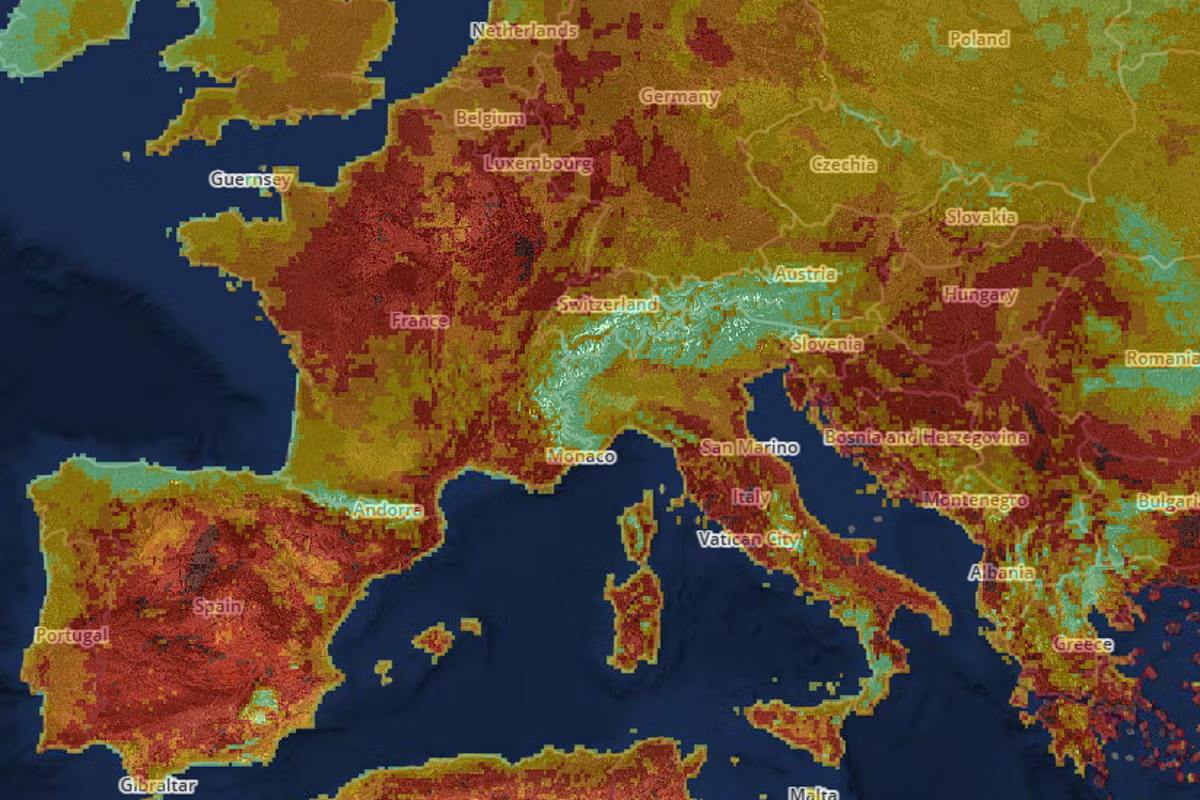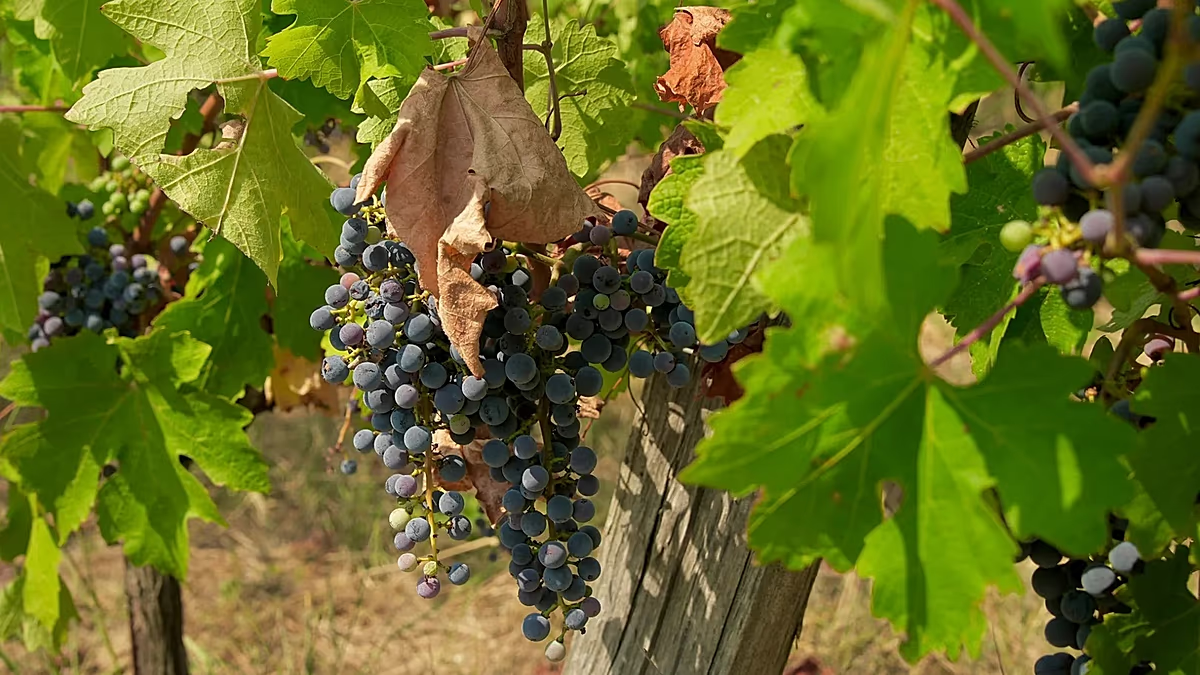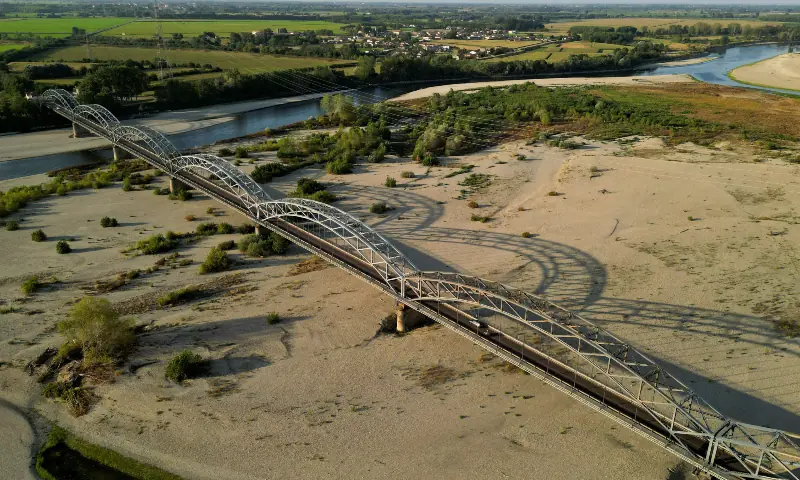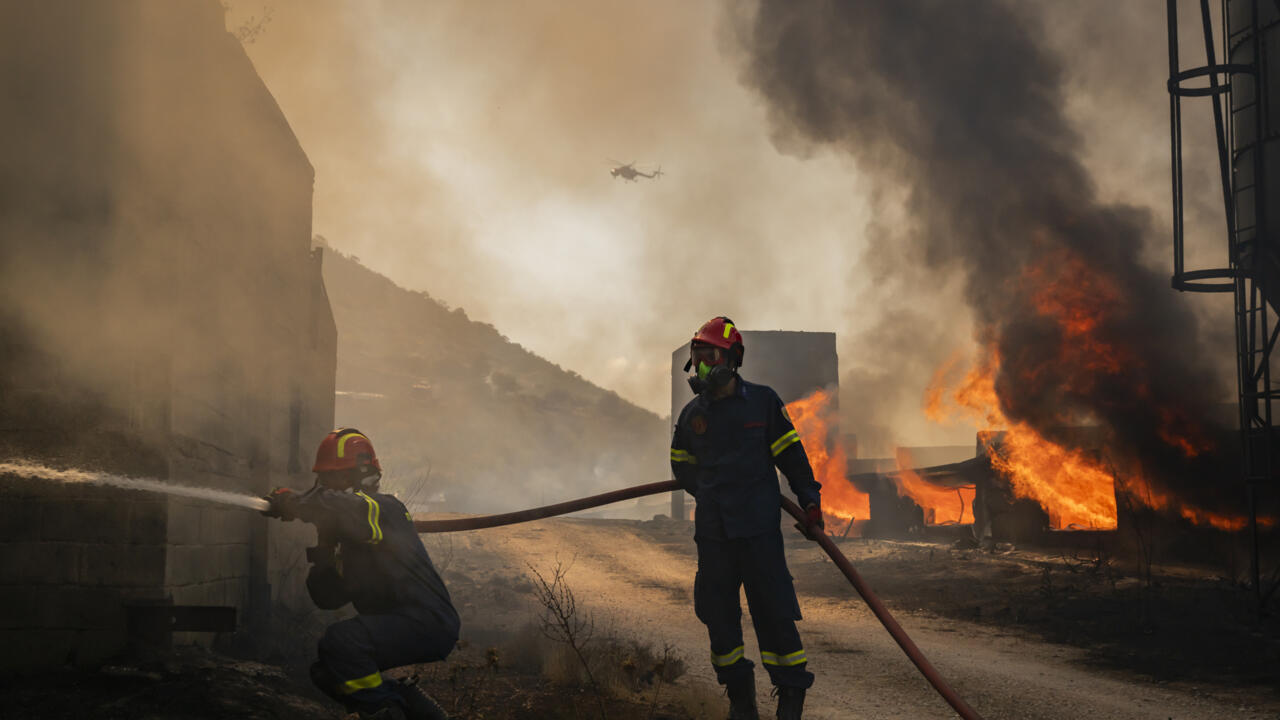
Across Europe, a massive and long-lasting heatwave has dried up rivers, threatened the flora and fauna and sent many to the emergency ward. Added to the mix have been the raging wildfires that have increased the pressure on the ecosystem and forced the relocation of humans and animals.But in southern Europe, something opposite has been taking place. While the vineyards of the region remain threatened by the wildfires and the extreme heat, Irish winemakers are predicting one of their strongest harvests yet. After decades of being dismissed as an unlikely place to grow wine grapes, Ireland is emerging as an increasingly attractive location for commercial vineyards, with growers reporting bumper crops in the summer of 2026 and a surge in enquiries from investors overseas looking to establish new vineyards, according to a report by The Times.Traditionally associated with the warmer climates of France, Italy and Spain, wine grapes are increasingly being cultivated in cooler regions as temperatures rise and disease-resistant grape varieties become more widely available. Ireland now boasts five fully-licensed commercial vineyards, while a further 37 operate on a smaller scale for personal use, research or trial production.A bumper productionIreland's varied soils and coastal climate are helping produce distinctive winesBertrand Laclie, founder of Fairy Trees Winery in Co Louth, the country’s largest vineyard, planted his first vines in 2020 after deciding Ireland’s changing climate presented a commercial opportunity. His family, which has five generations of distilling heritage in France's Cognac region, began selling their first Irish wines in 2025, after five years of cultivation. He now produces a range of still and sparkling wines, which are stocked in Dublin Airport and some specialist wine retailers. “I opened a distillery in Co Louth in 2015 and then I saw the climate-change predictions and I just thought, why not try to sell wine?” he said to The Times. “There are only a few of us here because nobody believes in it yet. It does require a bit of specialist knowledge and not everybody can start a winery, but the idea of Irish wine doesn’t click in the heads of 95 per cent of people. I believe Ireland has a big chance in the future to be a serious winemaker.”David Dennison, founder of Viking Irish Drinks, who has operated an organic vineyard in Co Waterford since 2010, said this year’s crop was shaping up to be one of his biggest yet, provided the vines received enough rainfall before the harvest. “There’s a huge interest now from abroad, with people wanting to know more about setting up vineyards in Ireland,” he said to the outlet.“We’re getting emails and phone calls from people with ideas that Ireland is the new area [for wine]. I had an email the other day from a French winemaker who wants to set up a vineyard. Then I had another guy from California who wanted to invest in Irish vineyards.”Ireland's varied soils and coastal climate are helping produce distinctive wines, according to Esperanza Hernandez, owner of Old Roots, a vineyard and winery in Co Wexford, which has been growing grapes since 2015. “At our vineyard in Wellingtonbridge, the soil combines mineral richness deposited by an ancient glacier with a fertile organic layer, creating conditions that contribute a distinctive character to our wines and set them apart within the Atlantic wine category. What is particularly exciting is that we have successfully grown traditional varieties such as chardonnay, riesling, pinot, cabernet … In many cooler-climate regions, these varieties can be difficult to ripen consistently,” she said.More wineries to comeDennison, who recently set up the Irish Winemakers Association, believes that with the warming climate more vineyards will begin opening up. “The biggest obstacle we had here in Ireland was farming; conventional farmers who said you can’t grow grapes in Ireland, but the thing is you can,” he said.“It’s really to get that word out that you can grow grapes in Ireland, and I believe there’s vineyards going to pop up everywhere now. I wouldn’t even know half of them at the moment, but there are lots of people starting to grow grapes. Some might plant 200 or 300 vines, and then you have fools like me who plant 8,000.”Philip Dunne, a sommelier and wine and spirits expert in the luxury hospitality sector said the quality of Irish wines was improving every year. Ireland should look to the success of southern England, Dunne advised. “There’s an opportunity here and a reason to be excited,” he said.“Just look at England and the success they’ve had with sparkling wine and particularly still white wines in Sussex and Kent: some of their brands now are on the global scale. We have to obviously look at the right grape varieties as well: Solaris is a white grape variety and Rondo is a kind of hardy grape variety that both can withstand our generally cooler temperatures. A lot of winemakers in Ireland are planting them, and they seem to be the future.”Dennison said Ireland's cooler climate could also become a commercial advantage as demand for lower-alcohol wines grew. “The biggest asset we have is that we can maintain relatively low alcohol levels, under 12 per cent. I think we’re on to a winner [with that] because people are more conscious of alcohol now,” he said.The right temperatures for IrelandWhile rising temperatures presented significant challenges for many established wine regions, they might also create more favourable conditions for viticulture in Ireland.Hernandez said that while rising temperatures presented significant challenges for many established wine regions, they might also create more favourable conditions for viticulture in Ireland. “The wildfires across Europe are deeply concerning and our thoughts are with the communities affected by them,” she said.“That said, in Ireland [they may] help bring greater consistency to grape ripening from year to year. However, we think the long-term growth of the Irish wine industry will depend on more than climate alone. Success will come from producing high-quality wines at a commercial scale, wines that can stand on their own merits and earn the confidence of consumers both in Ireland and beyond. Irish wine is competing with great wines from all over the world and that means quality, above all.”
Ireland is becoming an unlikely wine country as temperatures rise; the island now has 42 vineyards, with growers reporting bumper 2026 crops
Across Europe, a massive and long-lasting heatwave has dried up rivers, threatened the flora and fauna and sent many to the emergency ward. Added to the mix have been the raging wildfires that have increased the pressure on the ecosystem and forced the relocation of humans and animals.
1,027 words~5 min read