For decades, Mozilla has been one of the strongest advocates for an open internet. Today, as artificial intelligence becomes increasingly central to how businesses and governments operate, the organization is making a similar case for open AI.
In a report published last month, Mozilla, a free software community and nonprofit project, said the performance gap between top open-source models and proprietary systems like Claude and ChatGPT has narrowed to just 3%. The report highlighted the growing popularity of open models, noting that in February 2026, Alibaba’s open-source model Qwen was downloaded more times than the next eight models combined.
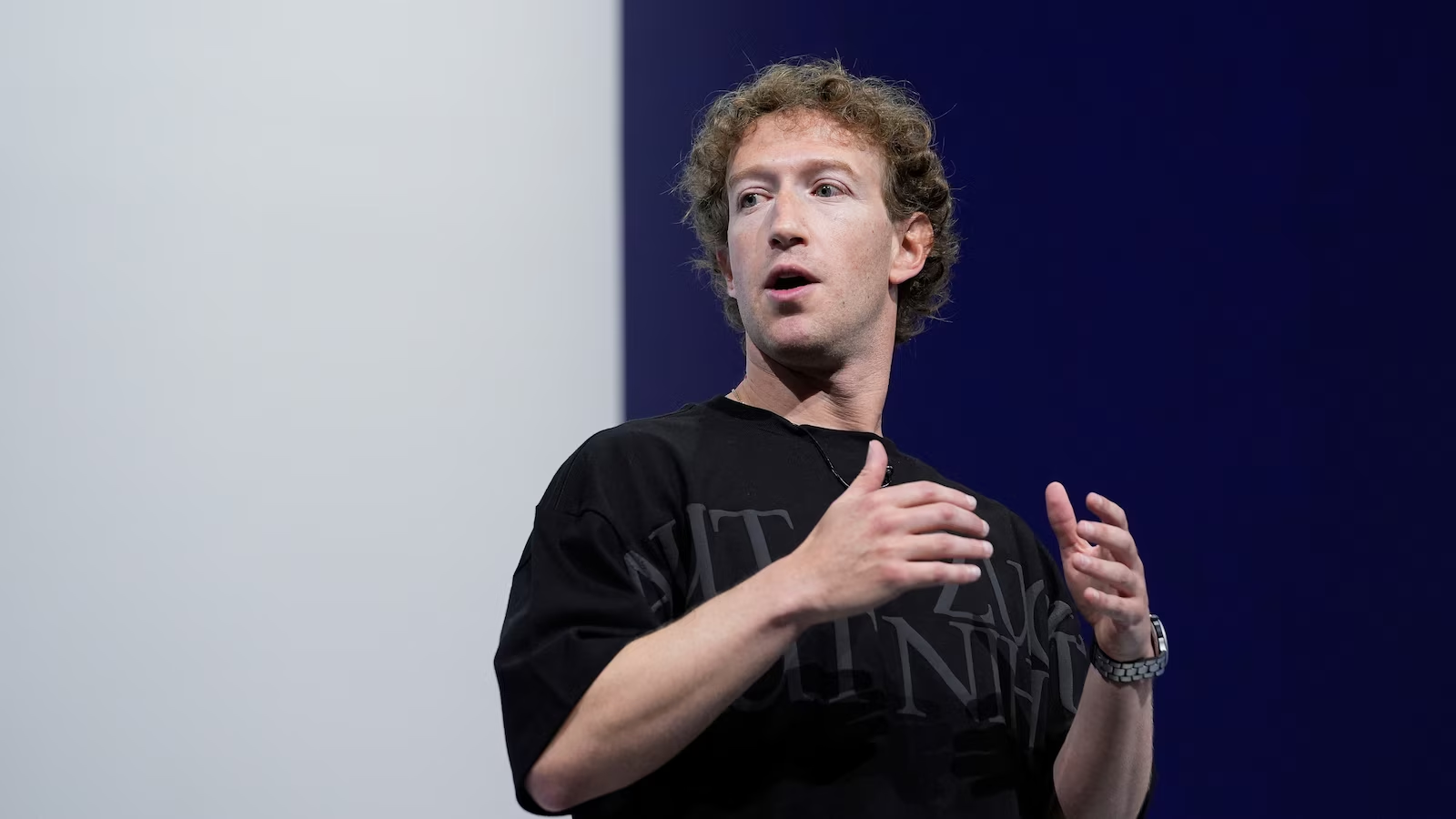
The debate over open AI has gained fresh momentum after Meta released a new open-weight model on August 10, and promised more would come soon.
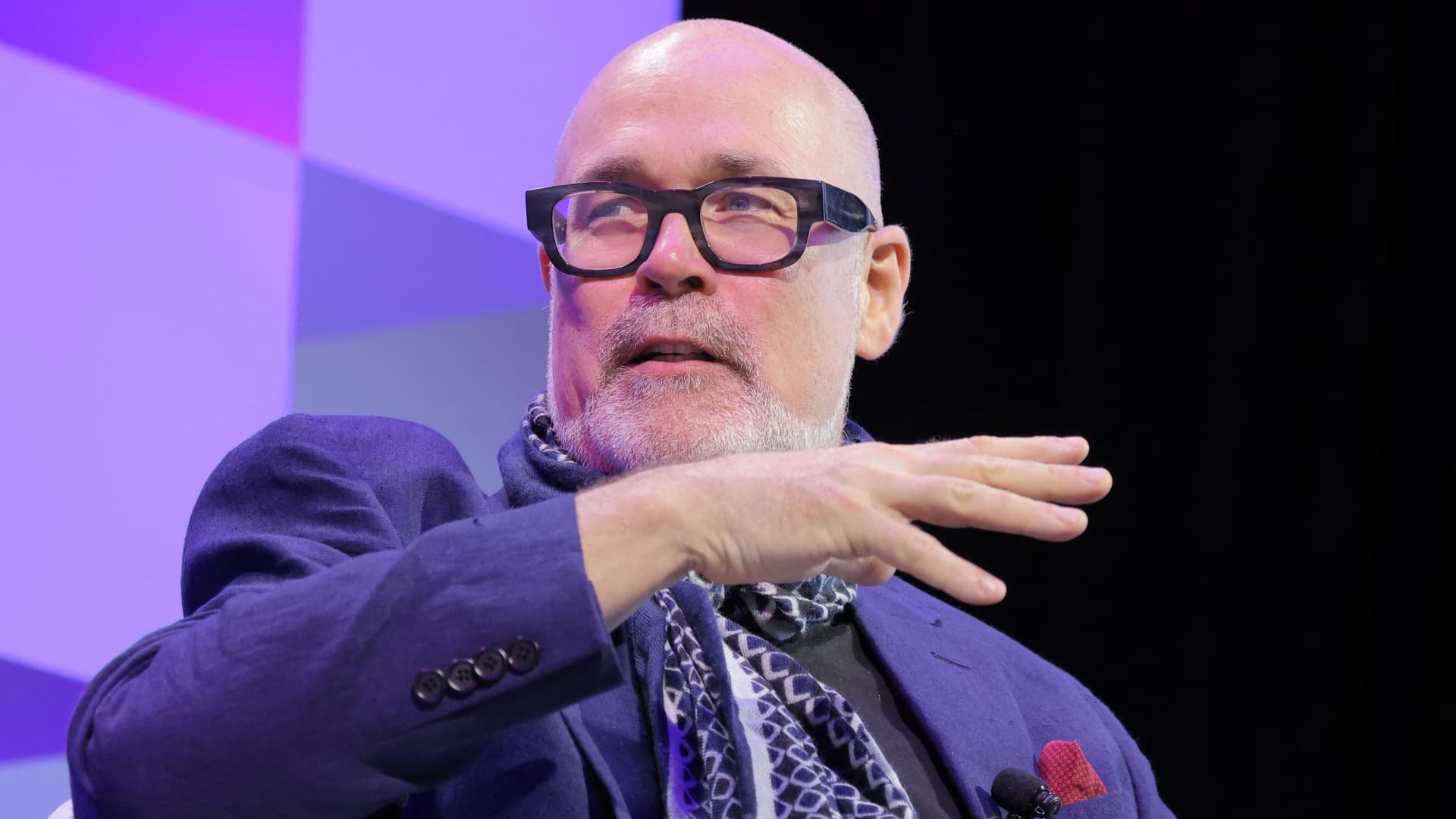
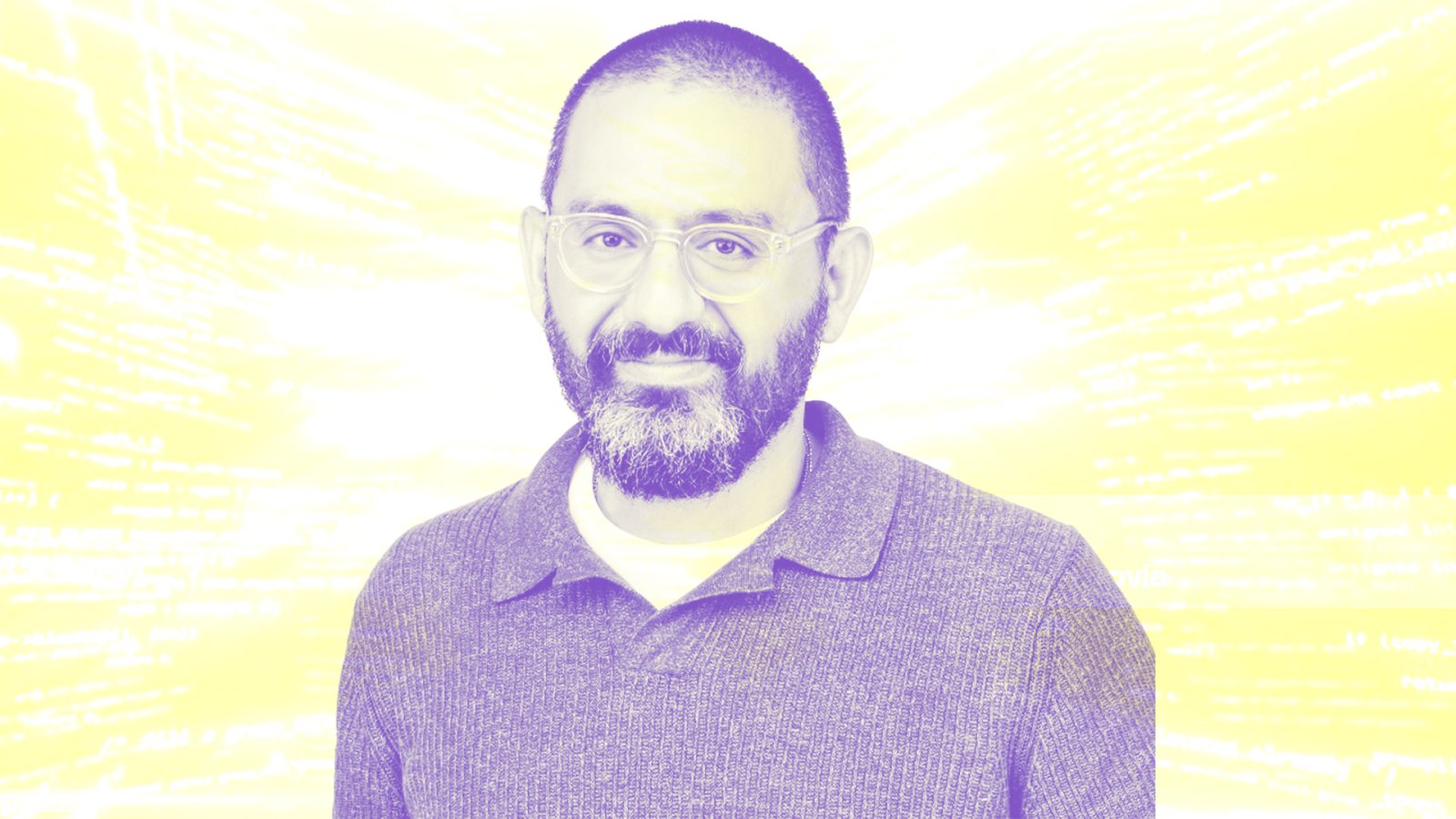
Raffi Krikorian, Mozilla’s chief technology officer, believes organizations need alternatives to proprietary AI systems to gain greater control over their data and infrastructure.
Throughout his career — from leading engineering teams at X (then Twitter) to working on autonomous vehicles at Uber and now shaping Mozilla’s vision — Krikorian has worked on breakthrough technologies and what they mean for consumers. In a conversation with Rest of World, he discussed why policymakers need to view AI as infrastructure rather than as a product, why businesses are increasingly experimenting with open and open-weight models, and what role he believes the technology will play in the next generation of products and services.