Meta is taking a stance on one of the biggest debates shaping the future of artificial intelligence: Should AI models be open for anyone to tinker with and modify, or should they be tightly controlled by the companies making them?
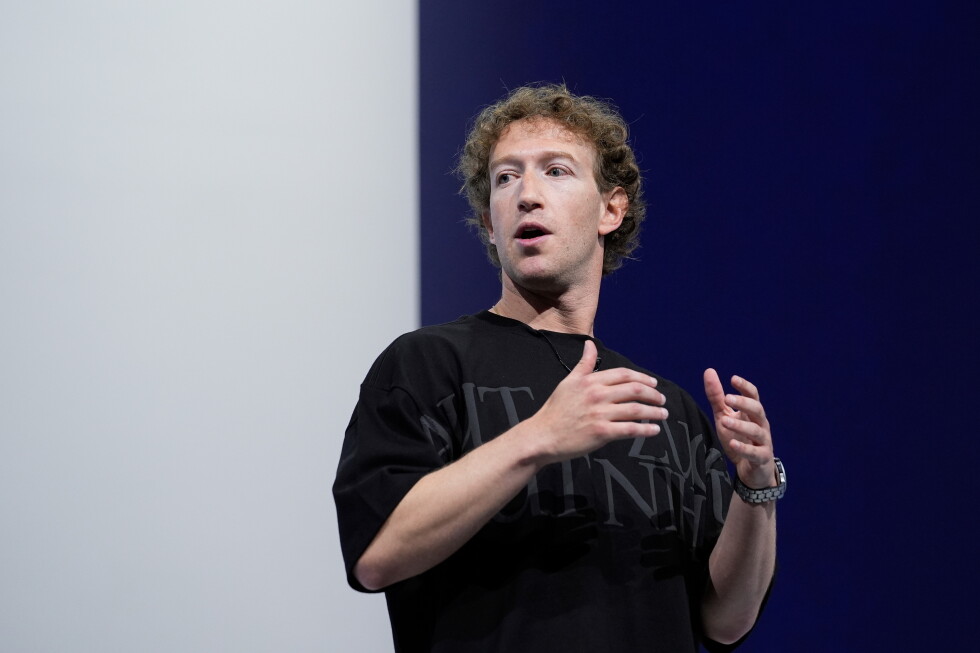
For Meta CEO Mark Zuckerberg, the answer is clearly the former. The tech giant on Monday launched a new “open-weight model” — which has parameters that users can customize to adjust how the AI performs or responds — called Glimmer.
Meta says Glimmer is tailored for powering AI models that can run directly on personal computers instead of relying on computing power from data centers. Zuckerberg also published a lengthy manifesto laying out his vision and approach to AI, attempting to assuage wide-ranging concerns about AI as the company combats criticisms about its data center buildout and AI smart glasses.
“Rather than centralizing superintelligence, we should distribute it widely and give every person the ability to direct it,” he wrote.
Debates over whether AI should be open or closed have permeated both Silicon Valley and Washington. Closed models are generally thought to be more advanced and can be closely tested and monitored by the companies developing them. However, like open-weight models, closed models can still behave in unpredictable ways, as the recent reports of AI models going rogue and breaking into other companies have demonstrated.