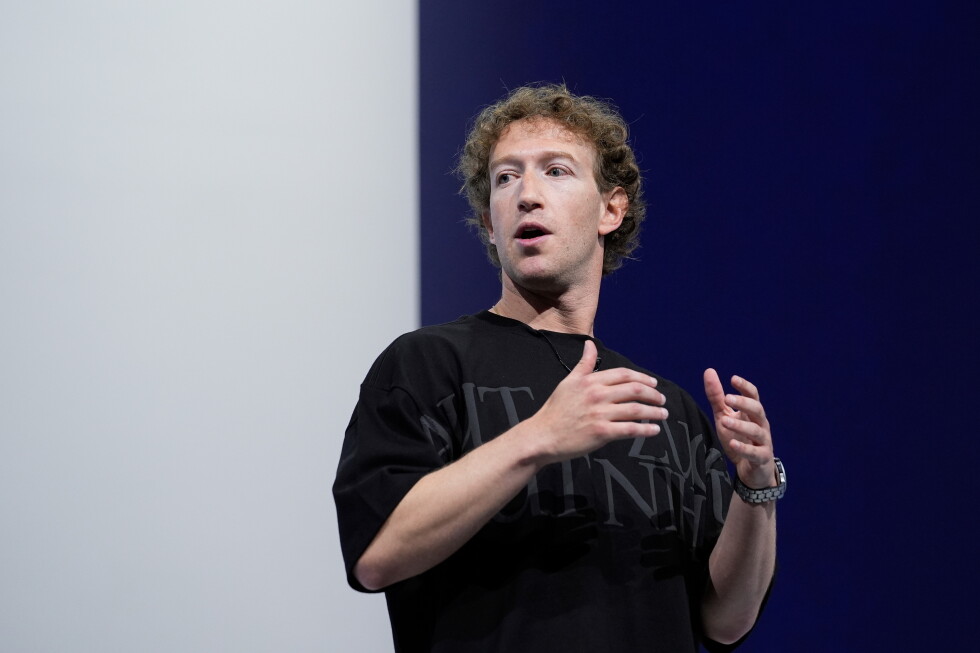
Meta launched its newest family of AI models—Muse Glimmer, a group of open-source models designed to run on a laptop—on Monday, alongside a 6,500-word essay from Mark Zuckerberg making the argument for American open-source AI.
In the essay, Zuckerberg argues that powerful AI should not be controlled by a handful of companies, a seeming jab at competitors like OpenAI and Anthropic. Zuckerberg positions Meta’s commitment to open-source as critical to challenging Chinese open-source models from DeepSeek and Moonshot which have been getting uncomfortably close to the American frontier. He also urged Washington to support American efforts.
As part of this new commitment, Meta says it plans to open the weights for Muse Spark 1.2—meaning it will publicly release the underlying trained parameters of the model, letting anyone download, inspect, and modify it rather than access it only through Meta’s own products or API—its most advanced AI model on the market.
“I do not believe restricting access to foreign open source models is an effective solution. Our goal should be for American open source models to be the best globally. This requires removing the hurdles that make it harder for American open source models to compete,” Zuckerberg wrote in the essay, part of a coordinated media blitz by Meta that included a Zuckerberg-penned opinion piece on the same themes in the Wall Street Journal last month and interviews with select media outlets.