As projects like Pacing the Frontier look to major labs as a way to keep AI research safe, open-source models have become a sore spot for the industry. With free distribution and little control over how they’re used, open-weight models aren’t easily controlled, leading some labs to treat them as downright scary.
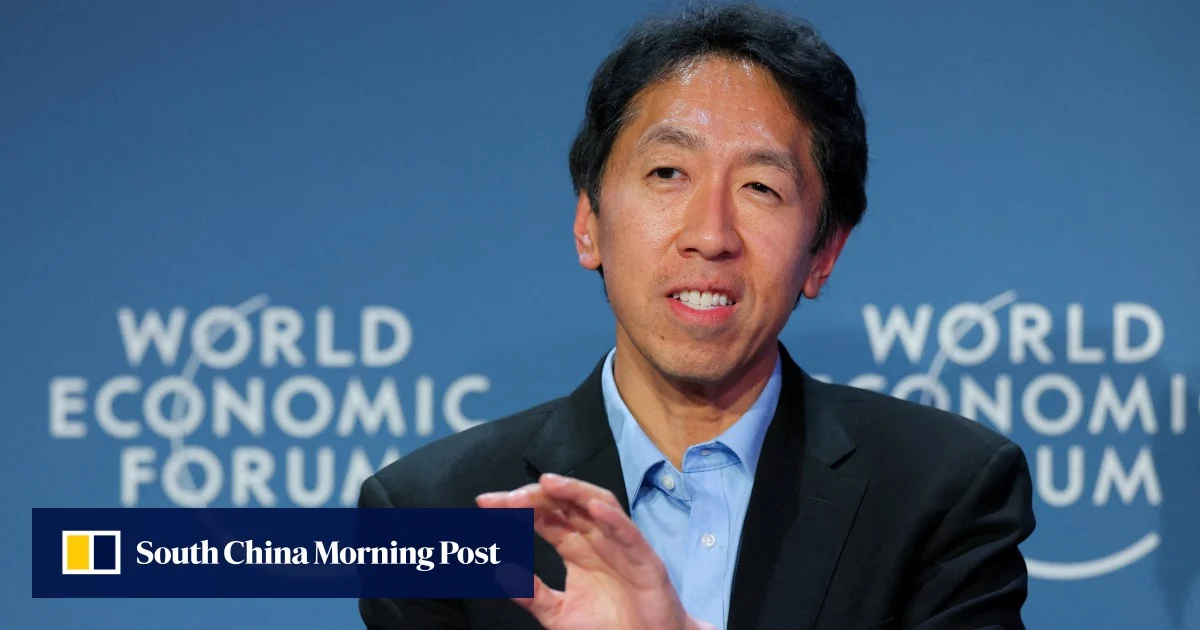
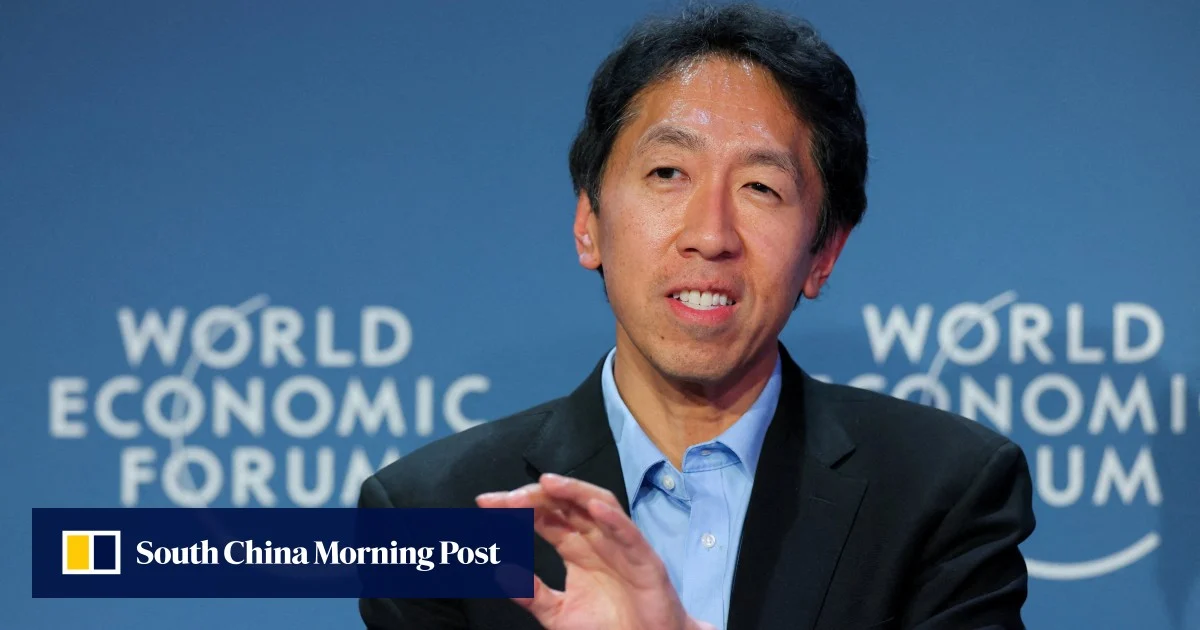
But at the Ai4 conference in Las Vegas last week, three of the world’s most respected AI researchers — Nobel Prize winner Geoffrey Hinton, World Labs CEO and co-founder Fei-Fei Li, and Coursera co-founder Andrew Ng — spoke out on the issue. And while they disagreed on particular tactics, all three made a powerful case for keeping AI open.
For the three speakers, the core concern was allowing a handful of major AI companies to control the pace of progress. When a few companies control access to a technology, as Apple and Google do with mobile operating systems, innovation can slow and the companies that control the platforms can influence what gets built on them.
Andrew Ng said that he worried about a similar dynamic emerging in AI. “I don’t want there to be gatekeepers,” Ng said. “That limits how all of us can access AI.”
Companies have an incentive to protect their competitive advantages, including by influencing the rules that govern the industry. That could create a dynamic where only the largest, best-capitalized firms with the resources to build the most advanced AI systems.