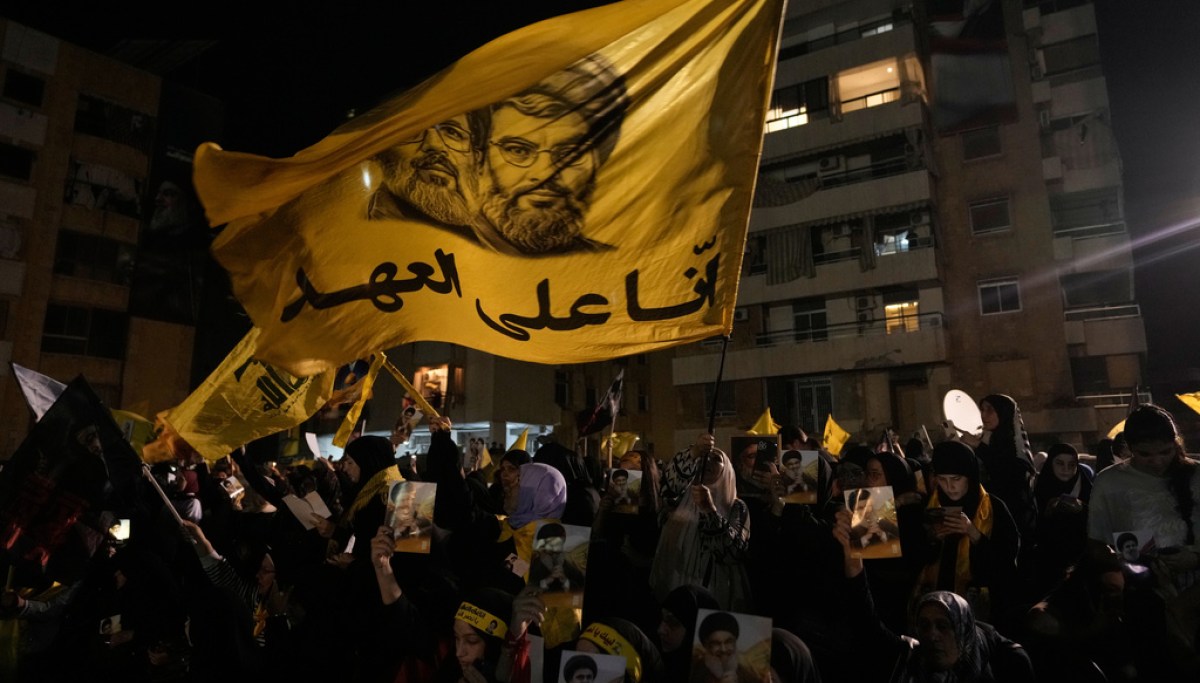
As military pressure on the Iranian regime waxes and wanes, we have yet to arrive at an achievable end state for the conflict — one that focuses not on the world as it is today but on the world as it will be in the 2030s and beyond. The decision must focus on one key element: Iran’s position as the central terrorist node of the global anti-American axis alongside China and Russia. This focus will not only build deeper coordination with regional partners on shutting down proxies such as the Houthis and Hamas, but also build greater regional confidence in working together to confront Iran over the Strait of Hormuz. The mullahs’ crown jewel at the heart of this global and regional terrorist infrastructure is Hezbollah. Since its founding in the 1980s, Hezbollah has been the linchpin for the international coordination of terrorist networks from Latin America to Eastern Europe. It has further destabilized the already fractured state of Lebanon, and it has attacked governments, tourists, and Jews across the globe. Its tentacles reach into narco-terrorist syndicates and Mexican drug cartels.
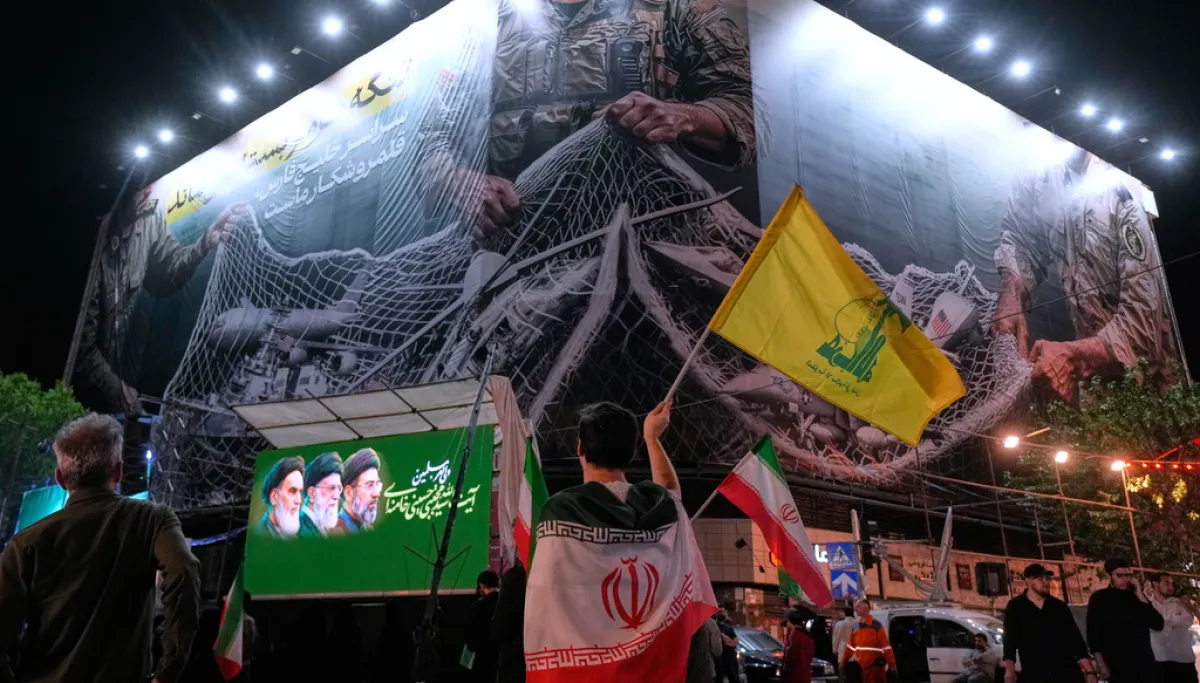
We forget that its opening act was the destruction of the Marine barracks in Beirut in 1983, the deadliest day for the Marine Corps since the Battle of Iwo Jima. Prioritizing the elimination of Hezbollah and its network of surrogates brings us not only closer to finishing the current fight with Iran but also closer to a less complicated world map on the day after its demise. In the aftermath of President Donald Trump’s strike on Iran’s Revolutionary Guard-Quds Force Commander Qasem Soleimani in 2020, Hezbollah stepped in to coordinate funding and training between Iran and its Middle East proxies. And as Hezbollah has faced unprecedented military pressure by Israel over the last three years, Revolutionary Guard units have stepped into Lebanon to buttress what is left of its combat power. The strategic imperative for the United States is clear: Destroy the Islamic Republic’s ability to “export the revolution.” Operations Midnight Hammer and Epic Fury removed the imminence of Iran’s nuclear aspirations. The threat is there, but it has been set back substantially. This is not an invitation for complacency, nor does it mean less vigilance about Iran’s nuclear ambitions. In that light, a primary focus of diplomacy as well as military and economic pressure should now shift to what matters greatly to the regime’s present-day plans: exporting terrorism. An Iranian demonstrator waves a flag of Lebanon’s militant Hezbollah group under an anti-U.S. billboard depicting the American aircrafts into the Iranian armed forces fishing net with signs that read in Farsi: “The Strait of Hormuz will remain closed, The entire Persian Gulf is our hunting ground,” during a pro-government gathering at Enqelab-e-Eslami, or Islamic Revolution, square in Tehran, Iran, Monday, May 4, 2026. (AP Photo/Vahid Salemi)