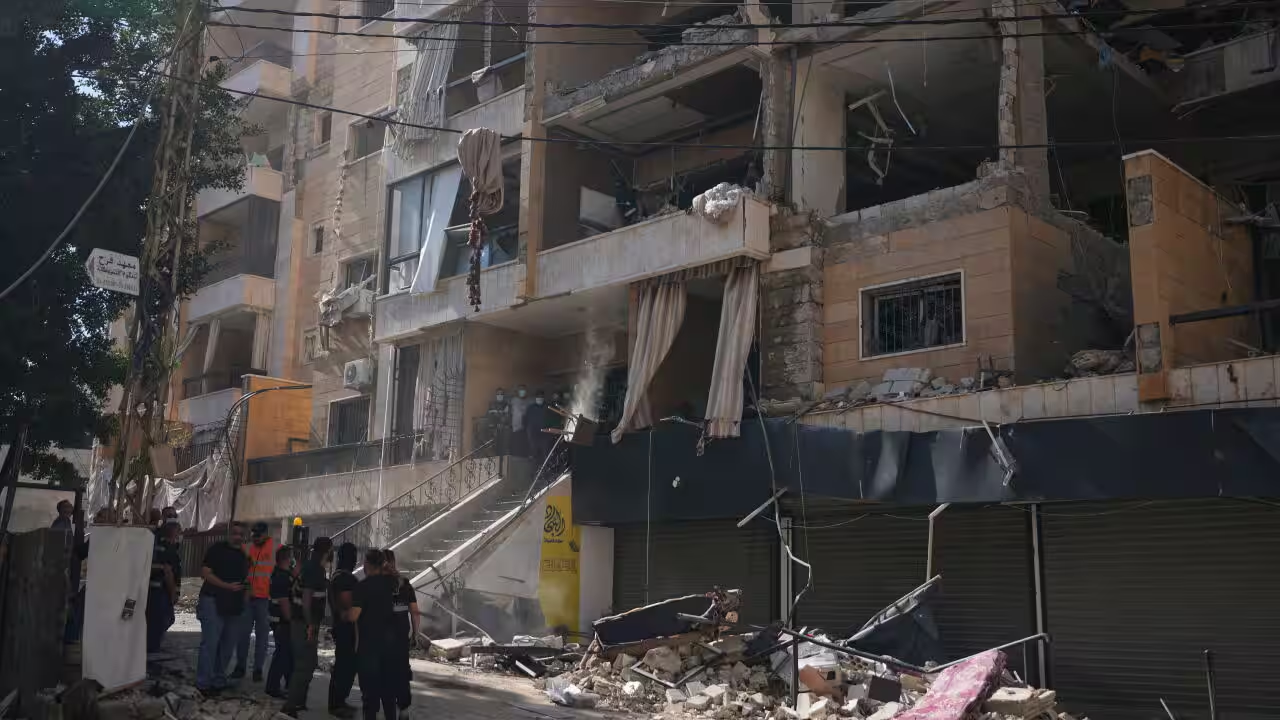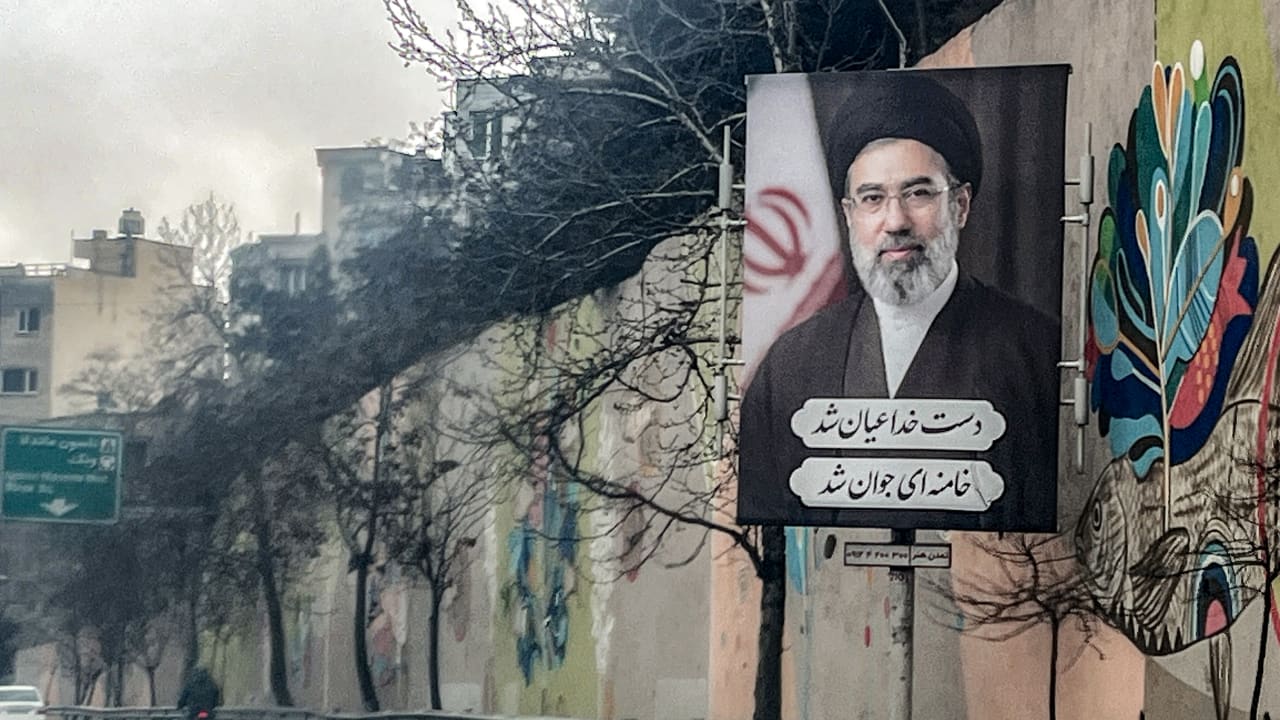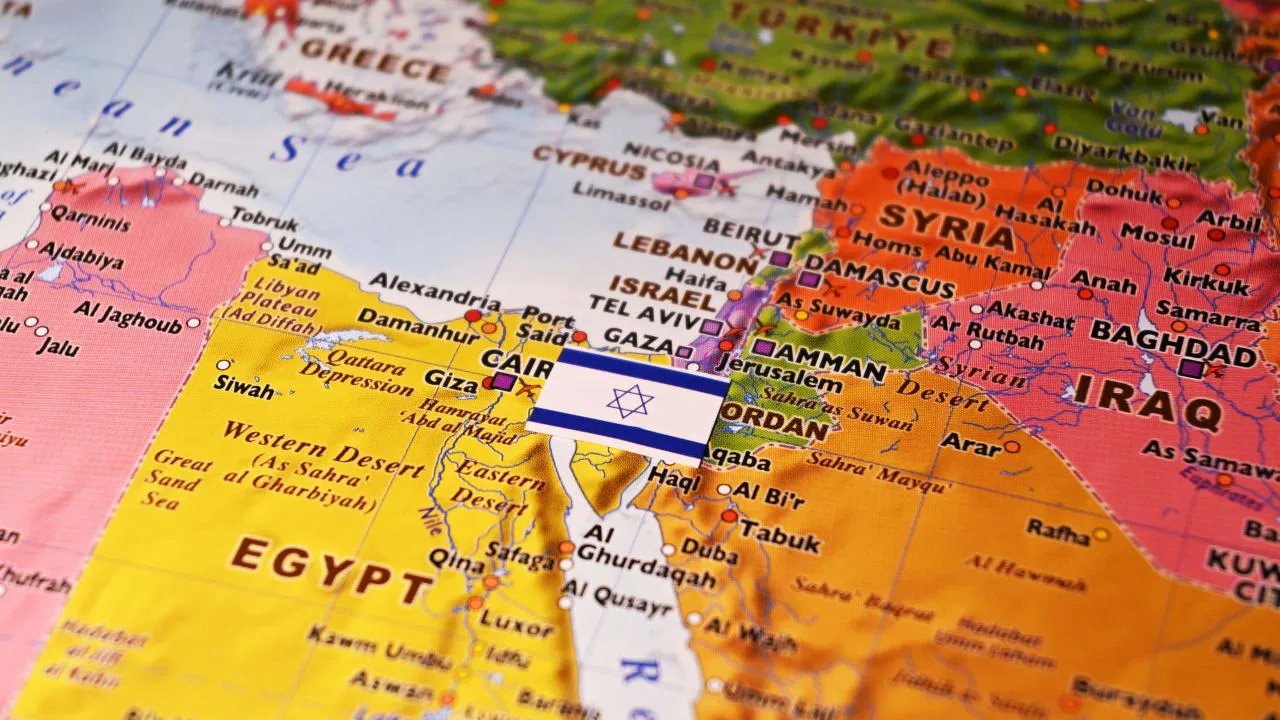
The Iranian regime has spent decades presenting itself as the leader of a regional “axis of resistance.” Today, that axis is under pressure.Iran’s military capabilities have been degraded. Its economy remains battered by sanctions. Several of its regional partners have suffered significant setbacks. Yet despite these losses, Tehran continues to fight aggressively to preserve one strategic asset above all others: Lebanon.That is because the Islamic Republic does not view Lebanon as a foreign country in the traditional sense. It views Lebanon as a critical extension of its regional security architecture.
IRAN ISN’T A PROBLEM TO MANAGE — IT’S A THREAT TO END
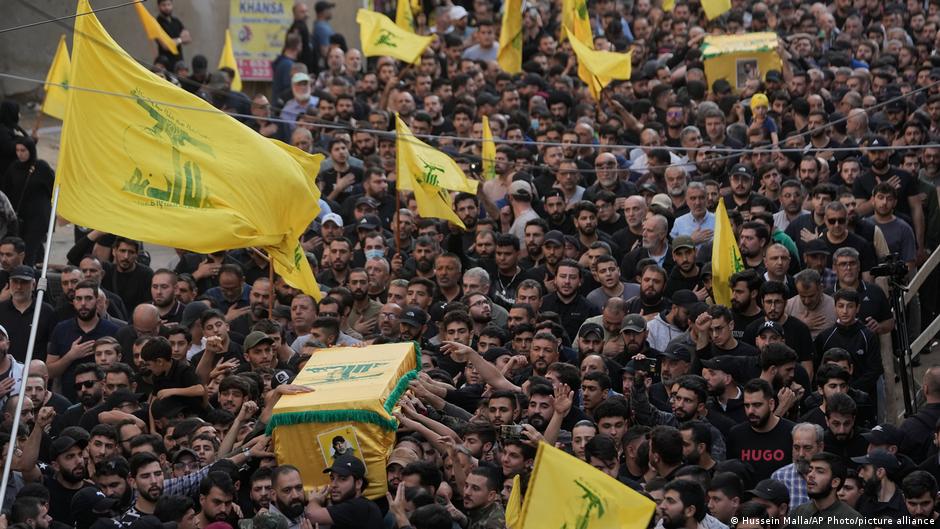
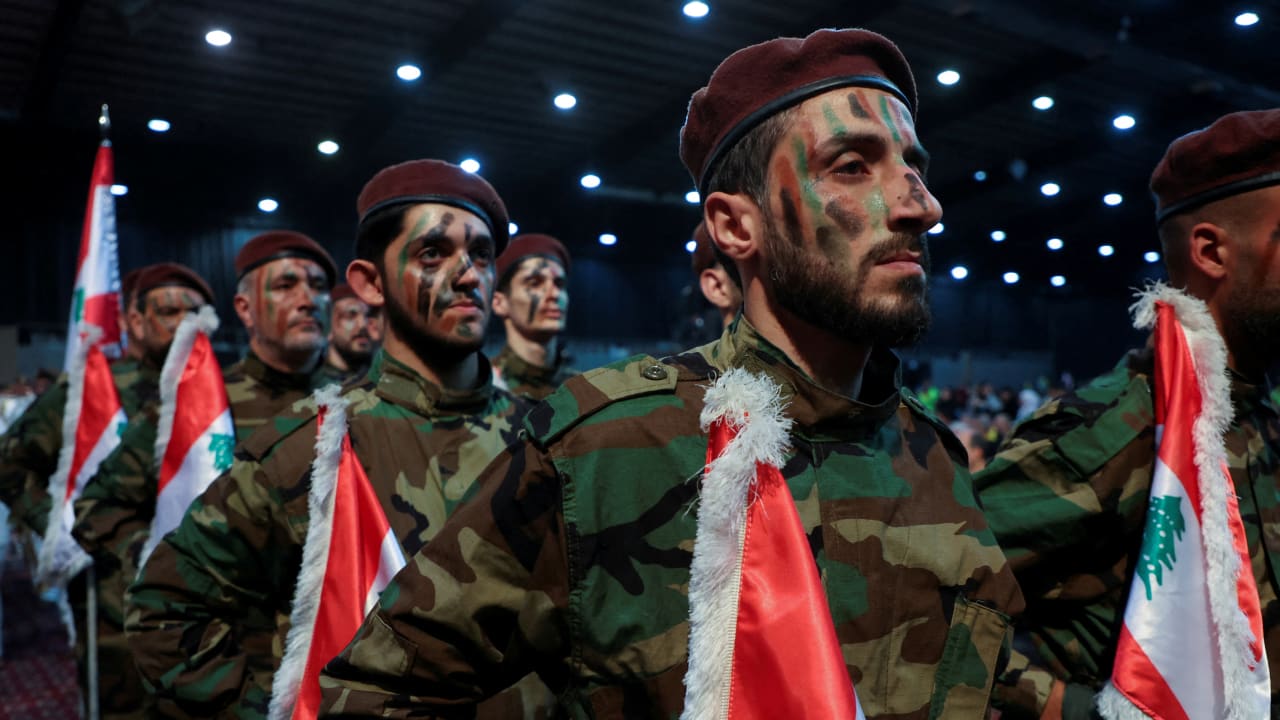
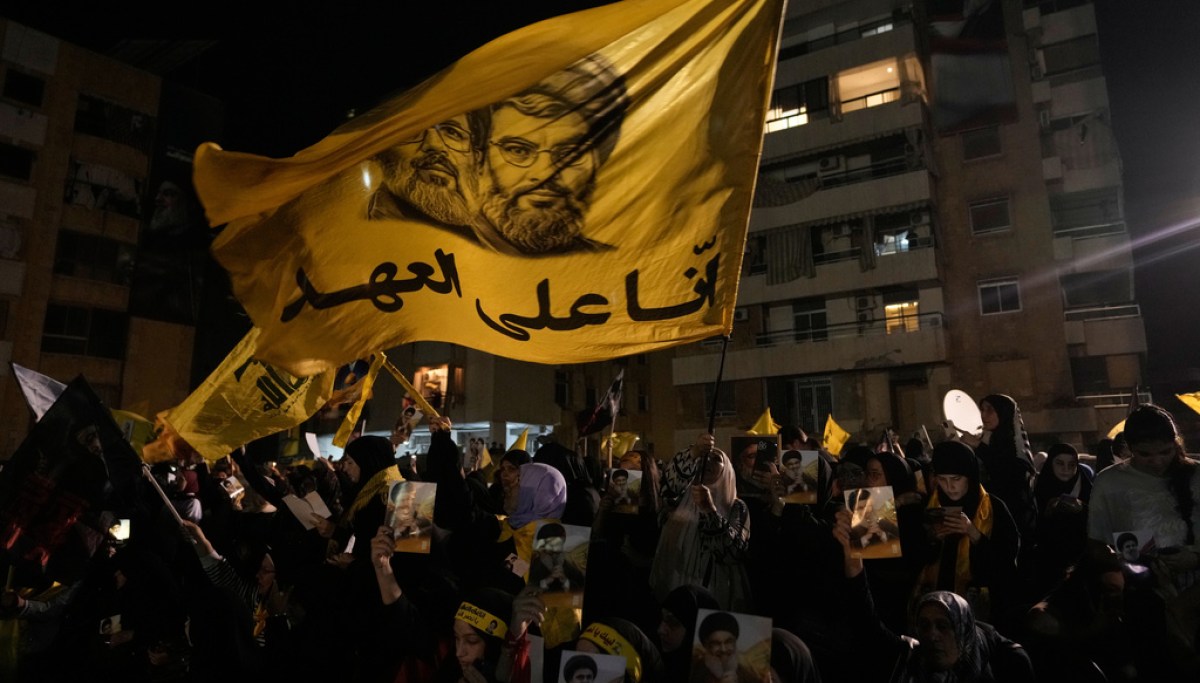
For more than 40 years, Iran has invested billions of dollars into Hezbollah, transforming it from a militia into the most powerful non-state armed group in the Middle East. Hezbollah’s influence reaches far beyond military affairs. It affects Lebanese politics, security institutions, and strategic decision-making.
From Tehran’s perspective, Hezbollah serves two purposes.
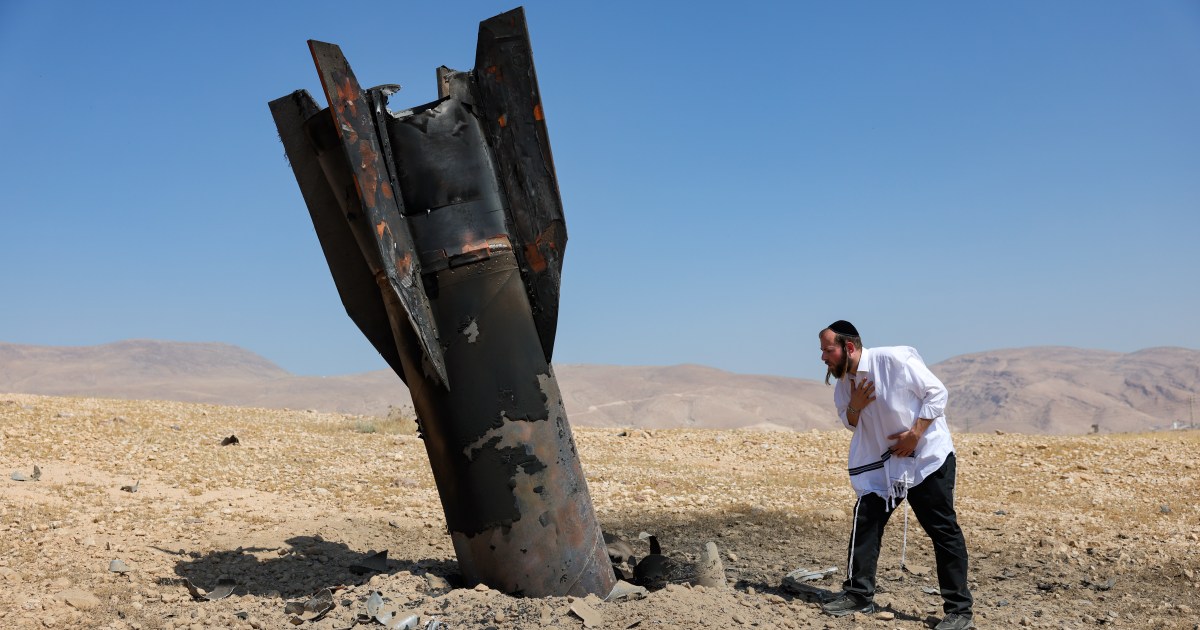
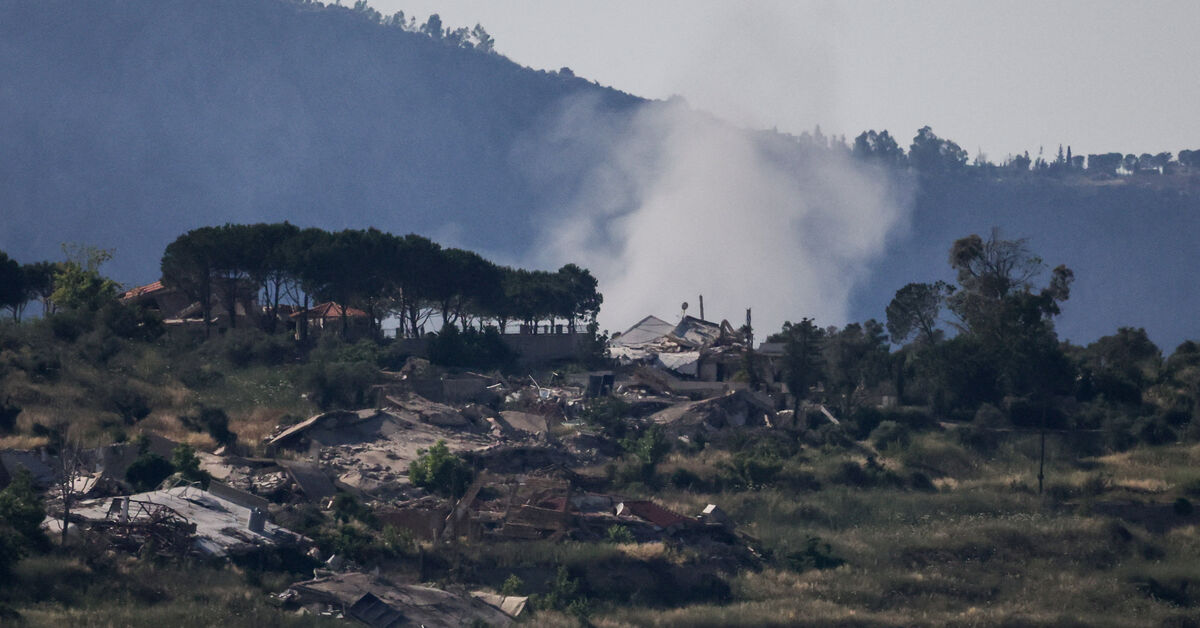
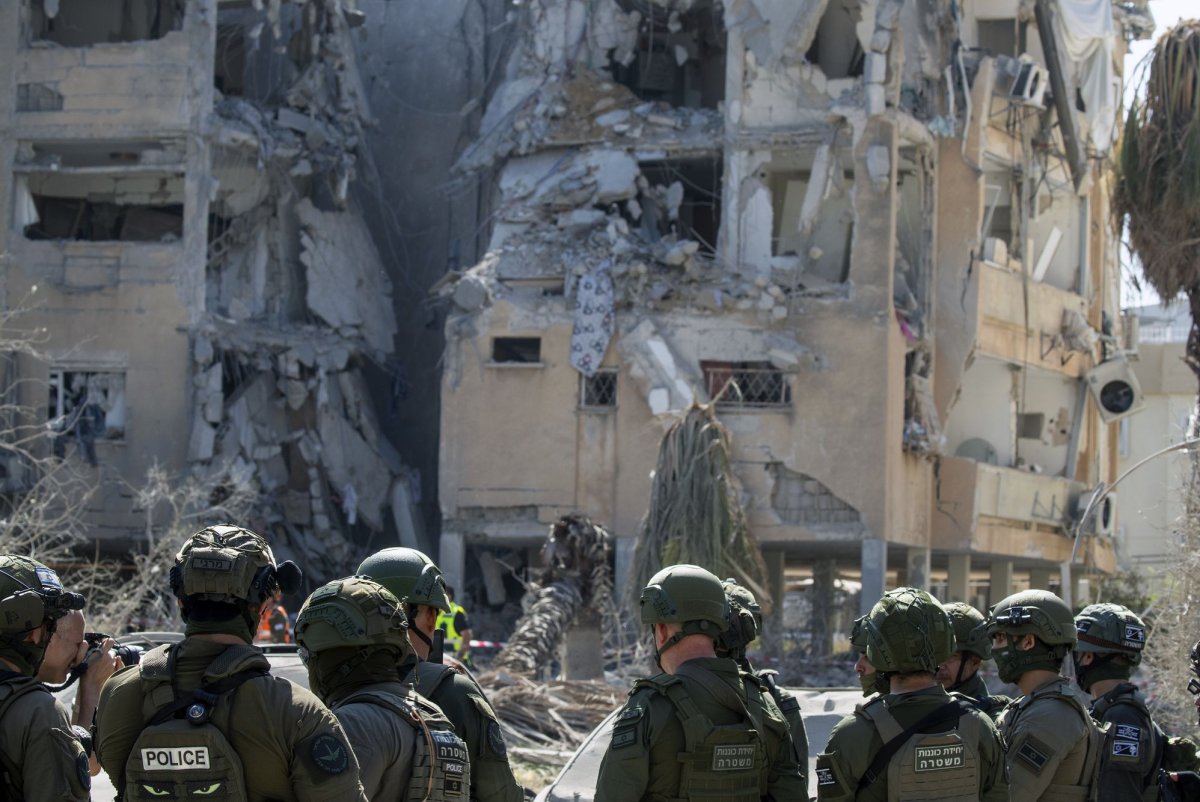
First, it provides Iran with strategic depth against Israel. For years, Hezbollah’s missile arsenal created a constant security challenge along Israel’s northern border. The organization became Iran’s most effective tool for deterring direct military action against the regime.