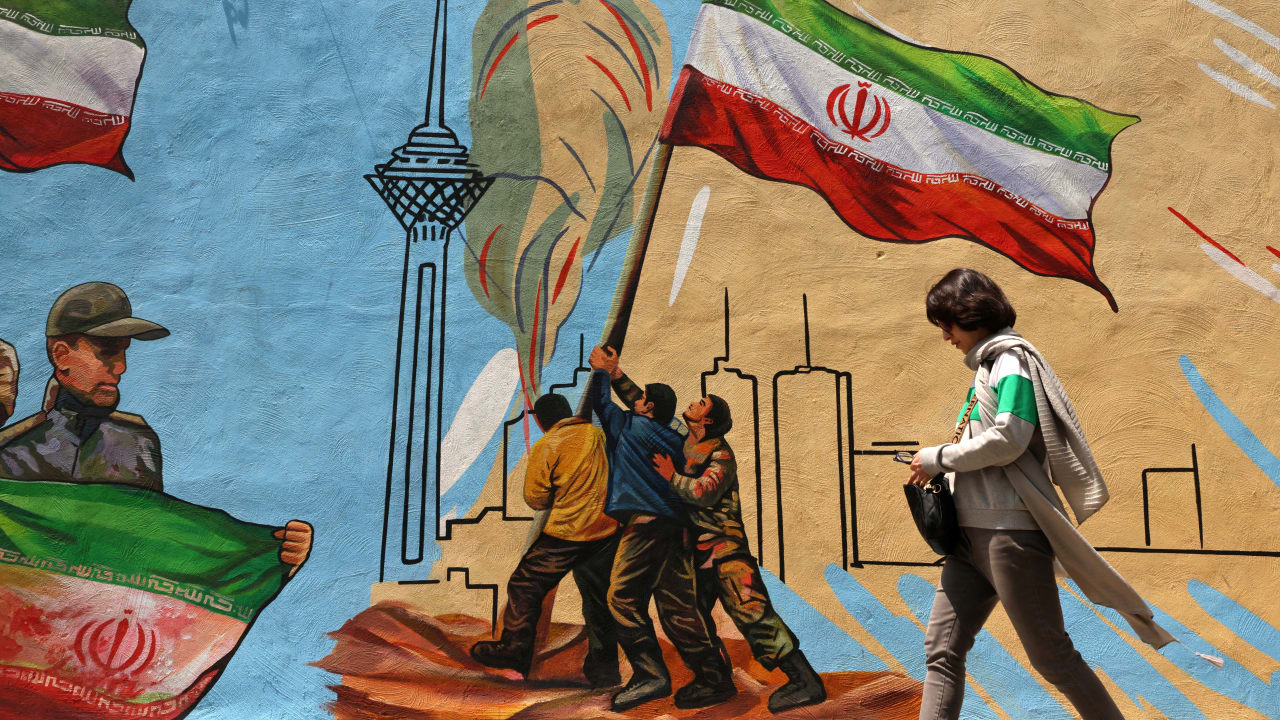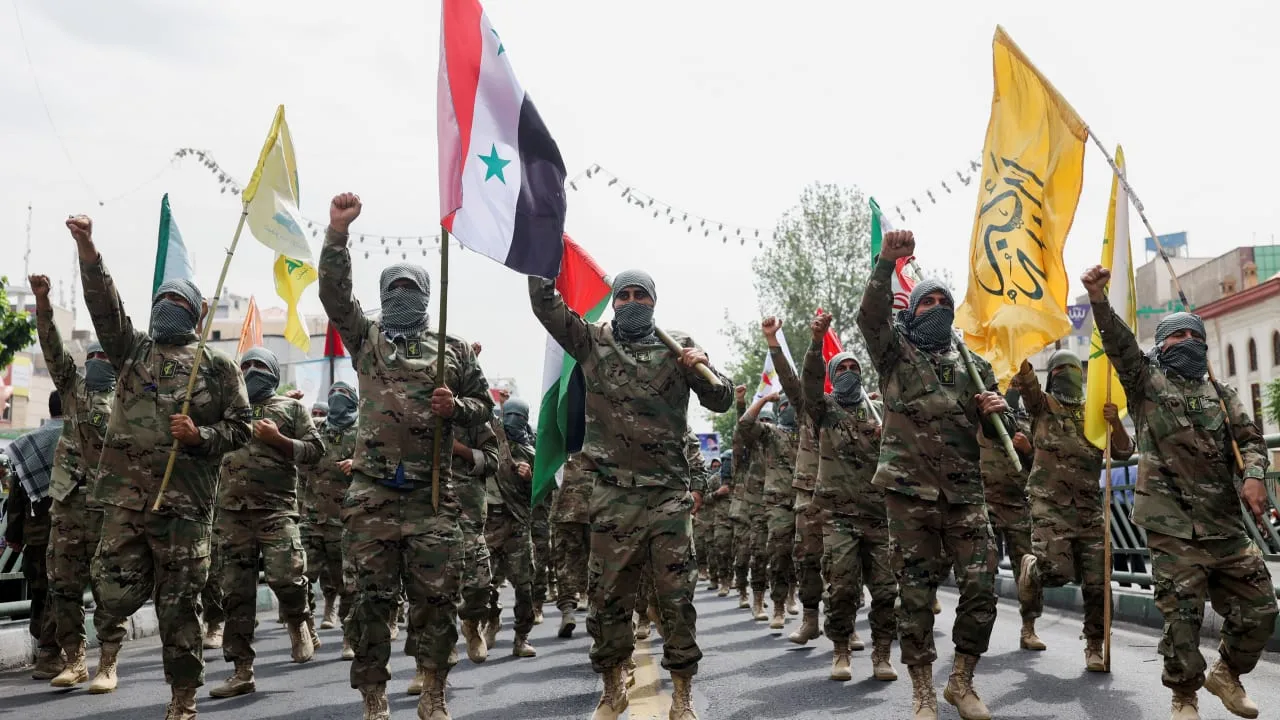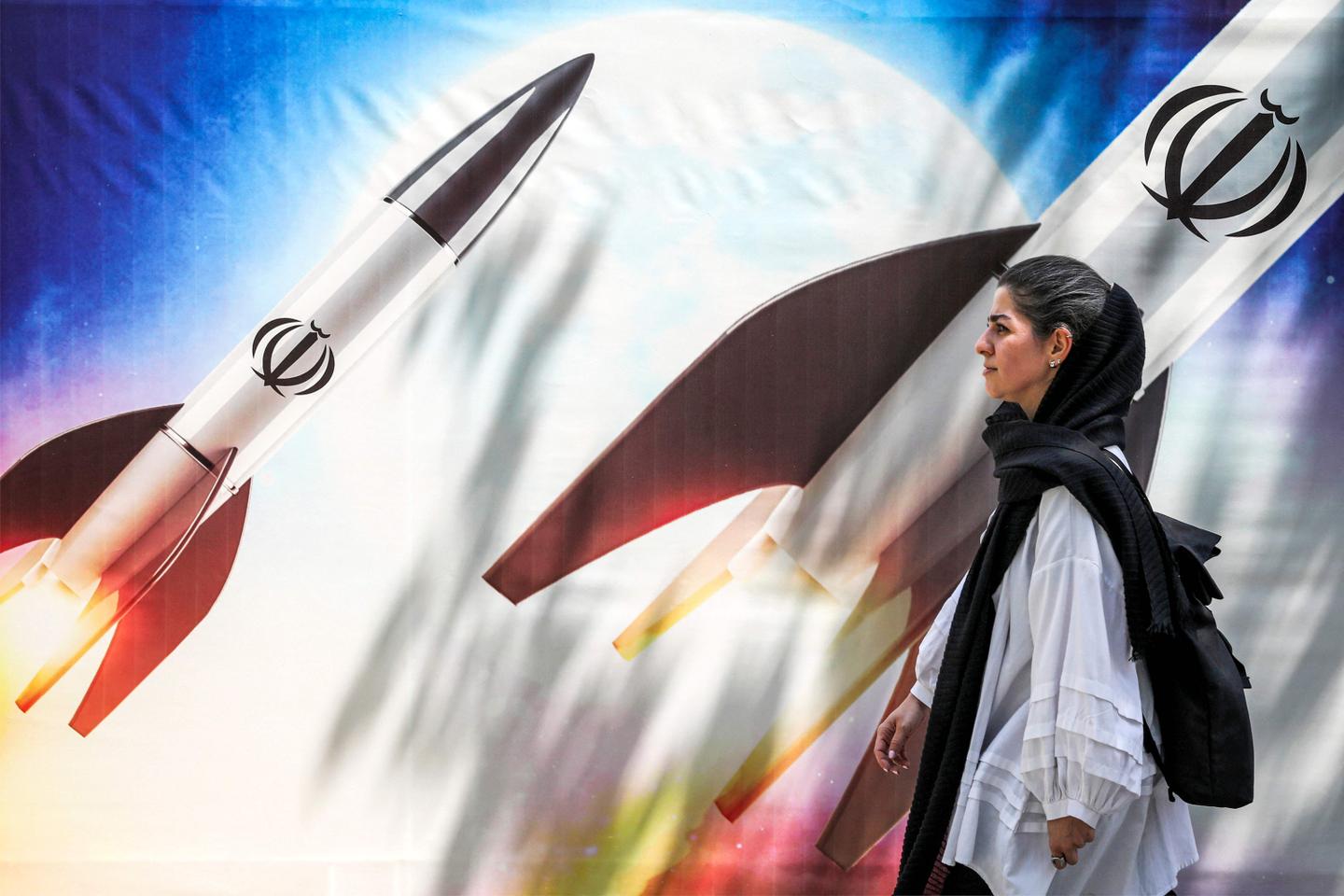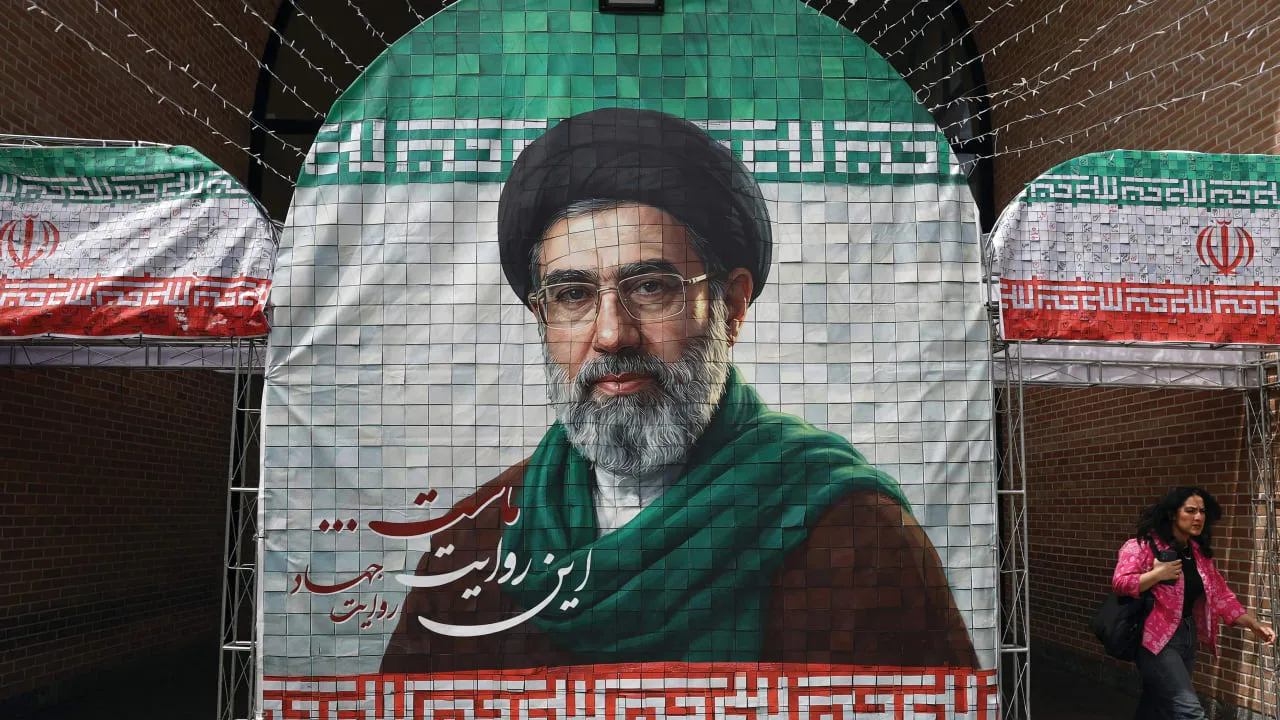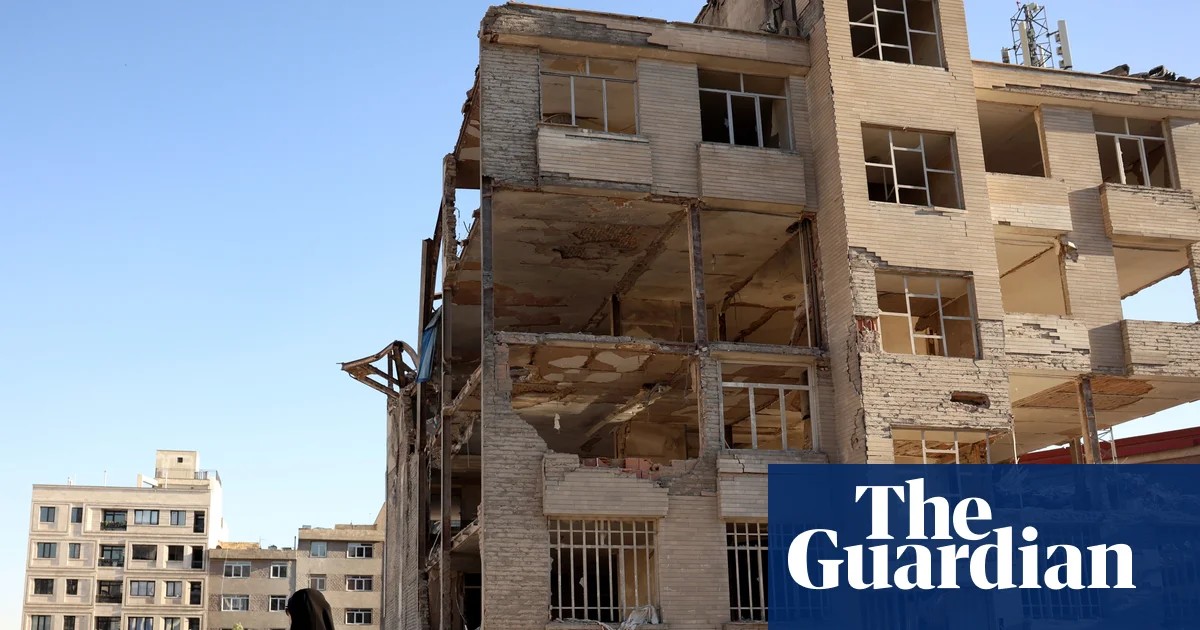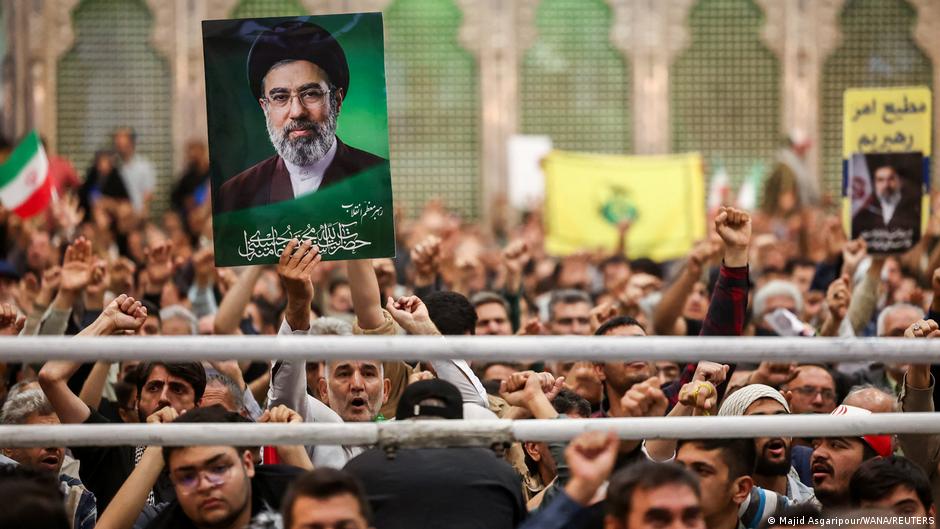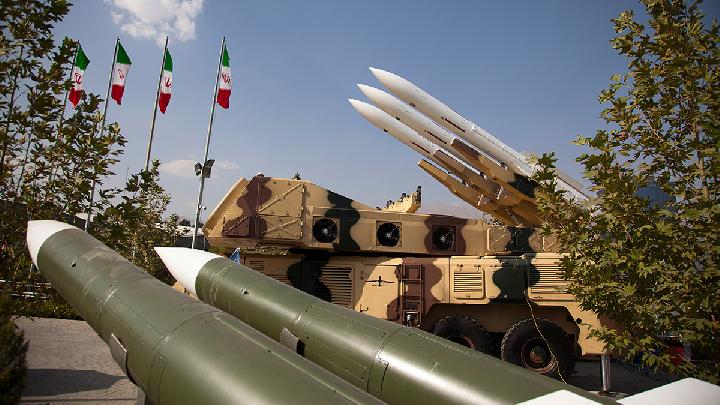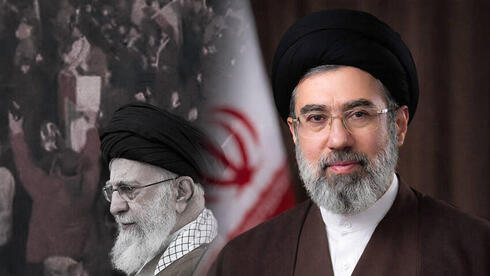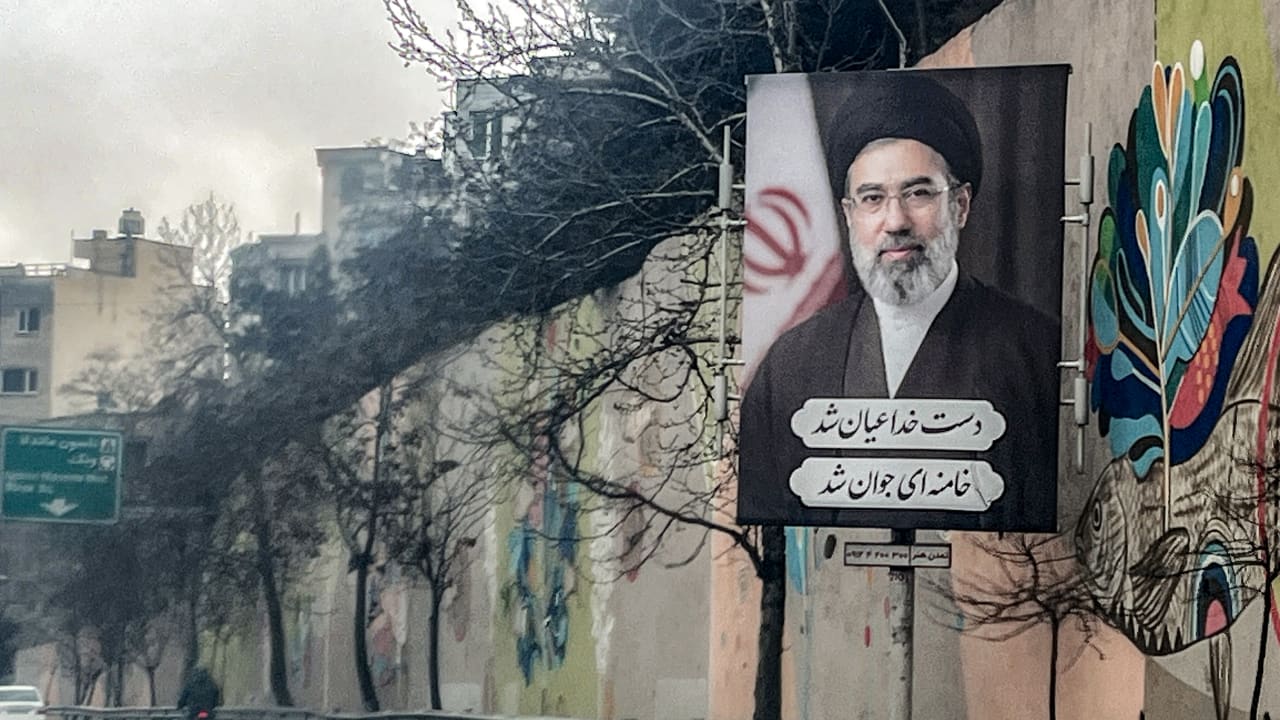
ByMIKE EVANSJUNE 5, 2026 18:03For 46 years, the Islamic Republic of Iran has built its power on three pillars: lies, fanaticism, and fear. The ayatollahs lied to the world about their intentions. They embraced a revolutionary ideology that put terrorism ahead of prosperity. And they ruled through intimidation at home and abroad while promising their followers that history was moving in their favor.Today, those pillars are beginning to crack.Recent statements from Tehran reveal a regime that is increasingly desperate. Iranian lawmakers are demanding intercontinental ballistic missiles capable of reaching far beyond the Middle East. The head of the Quds Force is lecturing the world about Lebanese sovereignty after decades of Iranian interference in Lebanon. Meanwhile, Supreme Leader Mojtaba Khamenei is warning about internal divisions and threats to the regime's resilience.Taken together, these developments tell a story. The Islamic Republic is not speaking from a position of confidence. It is speaking from a position of weakness. After nearly half a century of exporting terror, threatening Israel, and declaring victory over its enemies, the regime finds itself confronting an uncomfortable reality: its revolution has failed to deliver what it promised.For years, the ayatollahs portrayed themselves as the rising power of the Middle East. Today they sound like men trying to hold a crumbling empire together. The same regime that once boasted about exporting revolution now spends its time warning about internal division, demanding access to frozen assets, and searching for ways to finance a terror network that is increasingly under pressure. These are not the actions of a confident government. They are the actions of leaders who know their position is deteriorating.Iranian missiles are displayed at the Islamic Revolutionary Guard Corps(IRGC) Aerospace Force Museum in Tehran, Iran. (credit: MAJID ASGARIPOUR/WANA/REUTERS)The liarsOne of the greatest deceptions perpetrated by the Iranian regime has been the claim that its military ambitions are defensive. For years, Western leaders were told that Iran's missile programs existed only to protect the nation from foreign threats. Diplomats repeated the talking point. Apologists defended it. Yet the latest demand from Iranian lawmakers exposes the lie.Intercontinental ballistic missiles are not defensive weapons. They are strategic weapons designed to project power across vast distances. They serve no legitimate border-security function. Their purpose is to threaten adversaries far beyond a nation's immediate neighborhood. When lawmakers in Tehran openly call for the development of such weapons, they are revealing what the regime has long tried to conceal.The same dishonesty is evident in Iran's constant appeals to sovereignty and international law. This week, Quds Force commander Esmail Qaani demanded that Israel withdraw from Lebanon. Such a statement would be almost comical if the consequences were not so serious. Iran has spent decades violating Lebanon's sovereignty through Hezbollah, turning large portions of the country into an extension of Tehran's military strategy.The Iranian regime helped create, fund, arm, and direct Hezbollah while transforming southern Lebanon into a missile base aimed at Israel. It systematically undermined the authority of the Lebanese government and helped drag Lebanon into conflicts that served Iranian interests rather than Lebanese ones. For Tehran now to portray itself as a defender of sovereignty is like an arsonist claiming expertise in fire prevention.For decades, the regime has said one thing and done another. It claims to seek peace while funding terrorism. It claims to respect sovereignty while violating it. It claims its ambitions are defensive while demanding weapons capable of threatening entire continents. The latest headlines do not reveal a new Iran. They reveal the truth about the Iran that has existed all along.The lunaticsMost governments facing economic decline, diplomatic isolation, and military setbacks eventually reassess their priorities. They invest in their people. They pursue reforms. They seek ways to improve the lives of their citizens. The rulers of Iran have consistently chosen the opposite course.At a time when many Iranian families struggle with inflation, corruption, and economic uncertainty, the regime remains obsessed with missiles, militias, and revolutionary slogans. The leadership in Tehran continues to devote enormous resources to sustaining terrorist proxies across the Middle East while ordinary citizens bear the cost of its ideological ambitions.This obsession has become increasingly detached from reality. Hamas has suffered devastating losses. Hezbollah has faced unprecedented pressure. Iranian influence throughout the region has been challenged. The vast terror network that Tehran spent decades and billions of dollars constructing is weaker today than it has been in years.Yet what is the regime's response to these setbacks? It is not reform, economic recovery, or reconciliation with its own people. It is not an effort to improve the lives of ordinary Iranians. Instead, the regime is demanding more missiles and greater military capabilities. Even as its proxy network weakens and economic pressures mount, Tehran continues to believe that intimidation can accomplish what competence never could.That is not the behavior of statesmen. It is the behavior of ideologues who have become prisoners of their own worldview. The leadership in Tehran appears incapable of learning from failure because acknowledging failure would require questioning the revolutionary ideology that has sustained the regime since 1979.The ayatollahs have spent decades convincing themselves that terrorism, intimidation, and revolutionary fervor would deliver regional dominance. Instead, those policies have left Iran economically weakened, diplomatically isolated, and increasingly vulnerable.The losersThe clearest evidence that the regime is losing can be found in the language of its own leaders.Recently, Khamenei warned about efforts by Israel and the United States to create divisions within Iran and undermine the country's resilience. His comments were revealing not because of what they accused others of doing, but because of what they revealed about the regime's state of mind. Such language is often the language of leaders who understand that their grip on power is becoming less secure.For years, I have argued that Iran's greatest weakness is not military. It is economic. Terrorism and proxy wars are expensive. The regime has spent decades pouring resources into Hamas, Hezbollah, militias in Iraq and Syria, and other instruments of regional influence while neglecting the economic aspirations of its own people.The regime's growing financial desperation is becoming increasingly difficult to hide. Reports this week indicate that negotiations between Tehran and Washington have stalled because Iran is demanding that billions of dollars in frozen assets be released during the very first phase of any agreement. American officials have reportedly rejected those demands, insisting that sanctions relief be tied to verifiable Iranian actions. The significance of this dispute goes far beyond diplomacy. A regime confident in its future does not desperately seek immediate access to frozen cash before making meaningful concessions. Tehran's insistence on obtaining billions upfront suggests a government under mounting financial pressure, eager to refill the coffers that have been drained by years of sanctions, military setbacks, and the enormous cost of maintaining its terror network across the Middle East.That strategy is becoming harder to sustain.The terror machine needs money. The regime's network of proxies and operatives requires constant funding. Yet the economic pressure on Tehran continues to mount. The resources available to sustain its ambitions are not unlimited, and the costs of decades of corruption and mismanagement are becoming increasingly difficult to hide.The irony is impossible to ignore. The same leaders who promised the destruction of Israel now find themselves worrying about the survival of their own regime. For decades they declared that the Jewish state would disappear. Instead, Israel remains strong, resilient, and prosperous while many of Iran's regional investments lie damaged, diminished, or in retreat.The ayatollahs promised that the Islamic Revolution would dominate the Middle East. Instead, they preside over a nation struggling under economic strain while warning their citizens about internal division. They promised victory but increasingly speak the language of survival.That is why the free world must resist the temptation to throw the regime a lifeline. The Islamic Republic has spent years exporting violence, funding extremism, and threatening its neighbors. The world should not help it recover from the consequences of those choices.The truth is finally catching up with Tehran. For 46 years, the ayatollahs promised victory, revolution, and the destruction of Israel. Instead, they have delivered economic hardship, international isolation, and a shrinking terror empire. The Islamic Republic remains dangerous, but it is no longer the rising power its leaders once claimed it would become.It is a government of liars, led by lunatics, and history is already beginning to remember them as losers.The writer has written 120 books and is a #1 New York Times bestselling author. He is the founder of the Friends of Zion Museum in Jerusalem, the Ten Boom Museum in Holland, and Churches United with Israel, the largest Christian Zionist network in America, with more than 30 million followers.Follow us on Google
Iran’s regime weakens: Economic strain, failing proxies, and regional threats | The Jerusalem Post
After 46 years of lies, fanaticism, and fear, Iran faces economic collapse, weakened proxies, and growing internal instability.
1,441 words~7 min read