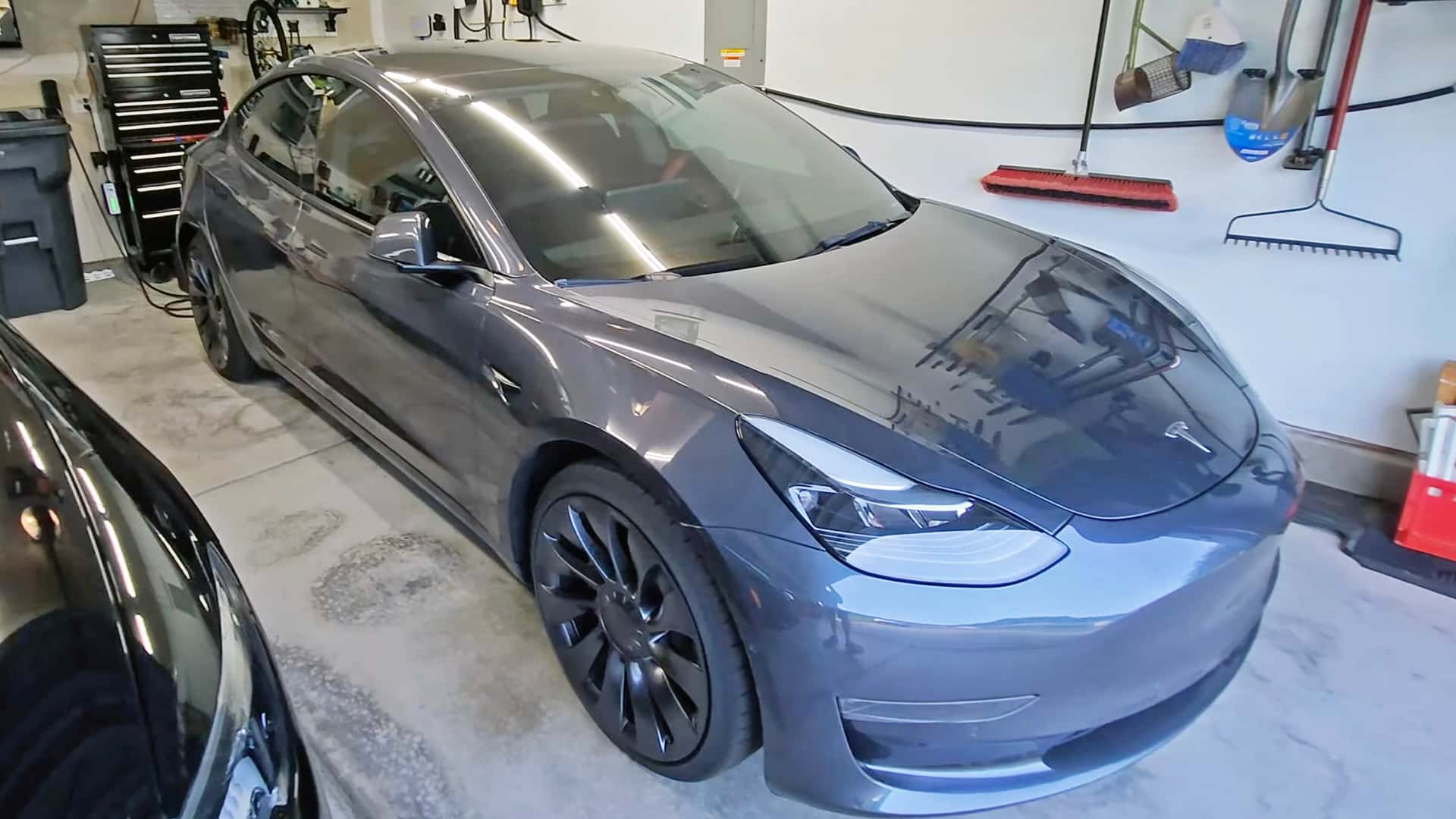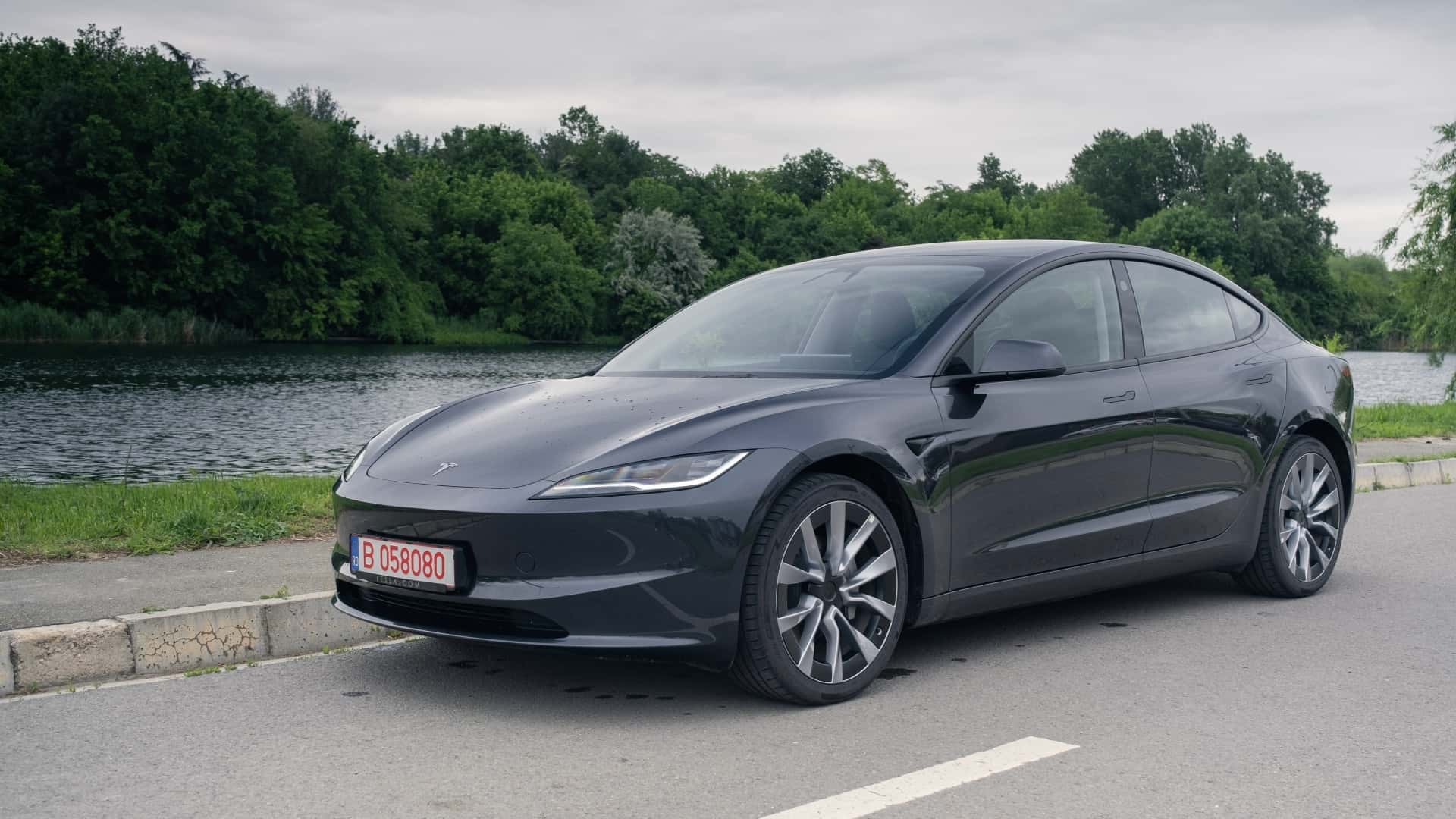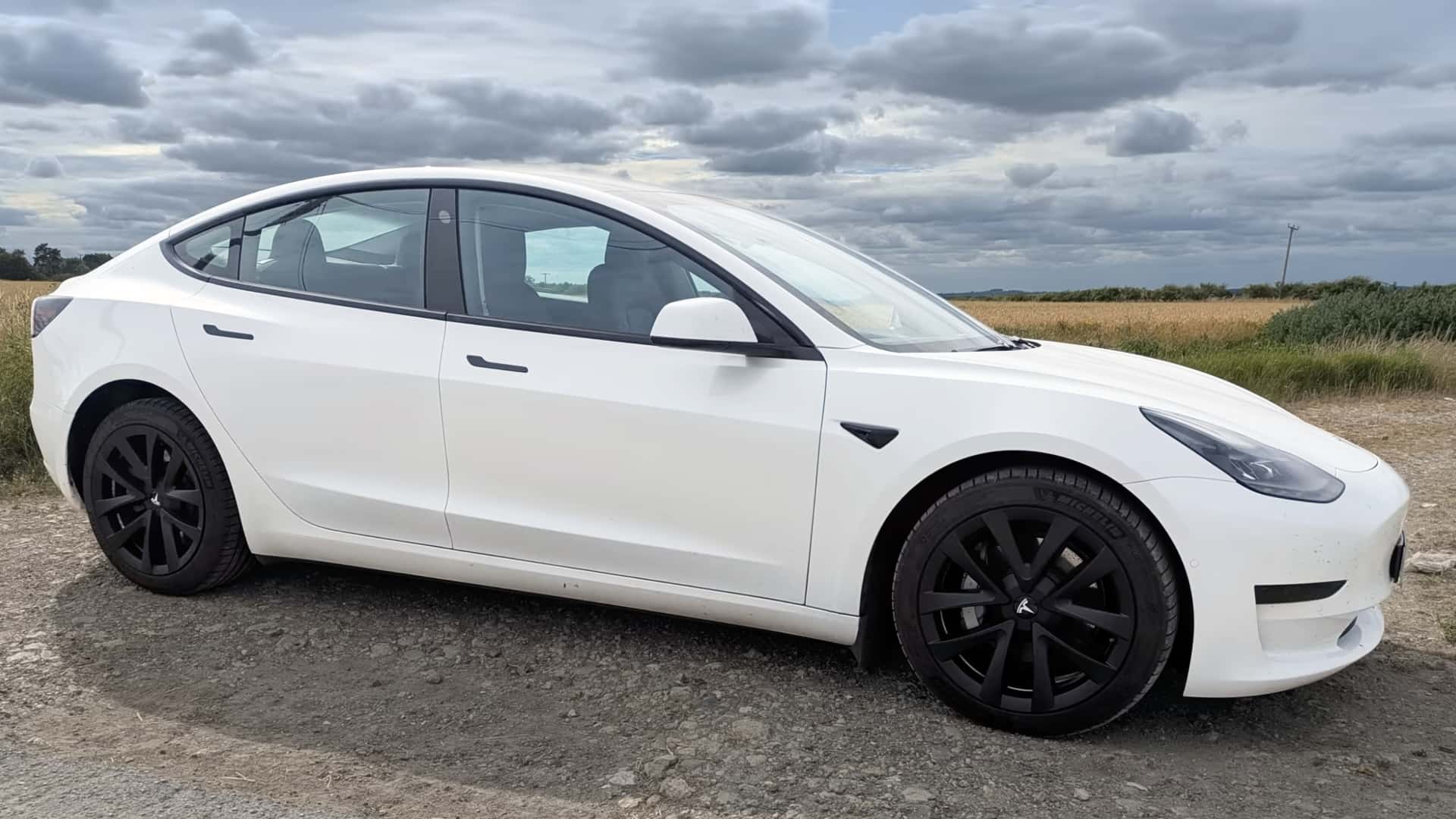
The four-year-old Model 3’s LFP battery retained 92% health after nearly 78,000 miles.
Its previous charging history was unknown, making the healthy result particularly reassuring.
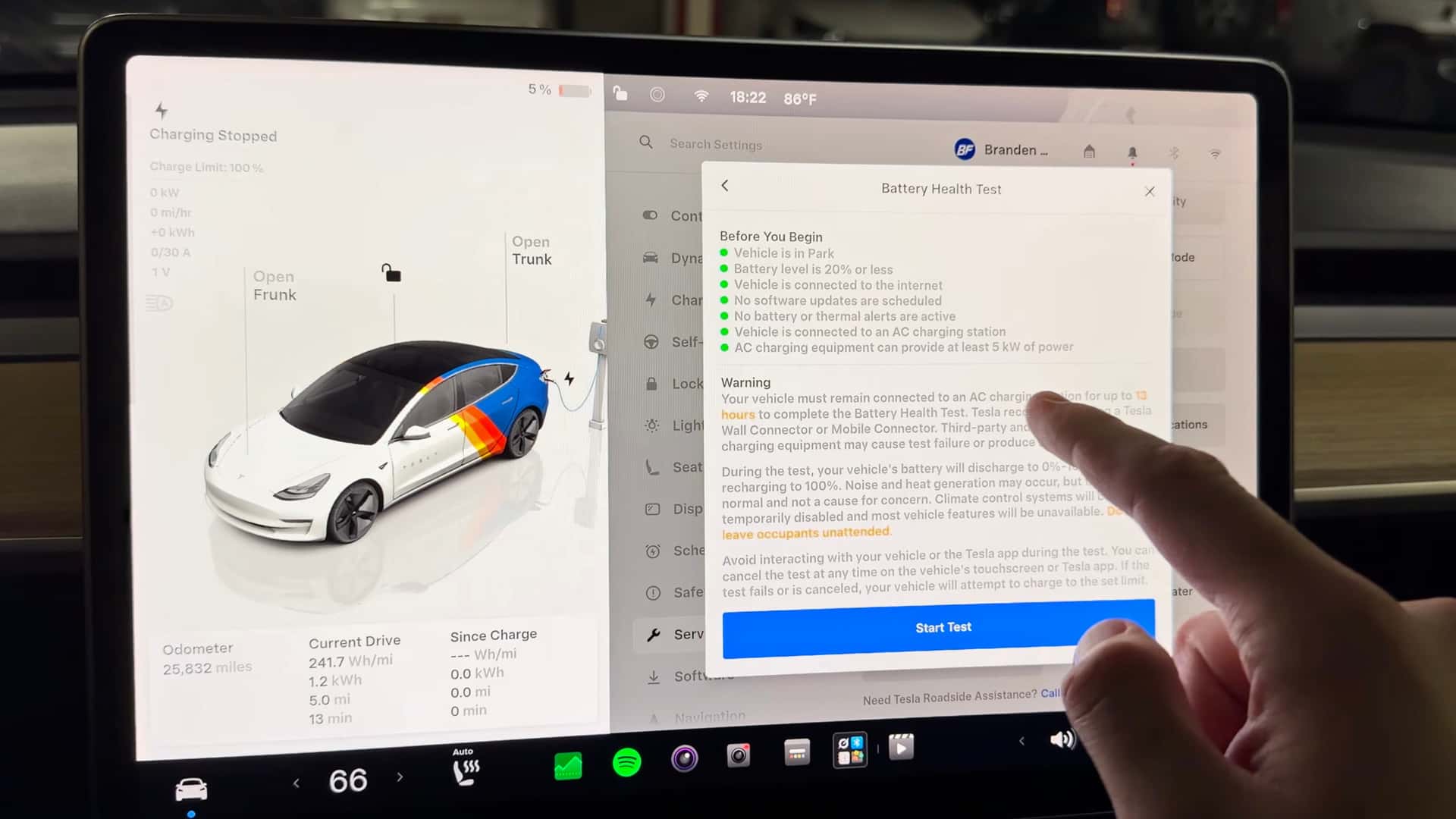
Charger data couldn’t reliably verify the result, so Tesla’s official battery-health score remains the best estimate.
Most EV batteries age more gracefully than you might expect—certainly more so than those in Nissan Leafs—but their state of health can still make the difference between a used EV that’s a bargain and one that foreshadows a five-figure repair bill. Knowing an EV’s charging history and battery health percentage is vital when buying it used, which is why this second-hand Tesla Model 3 purchase looked like a bit of a gamble.
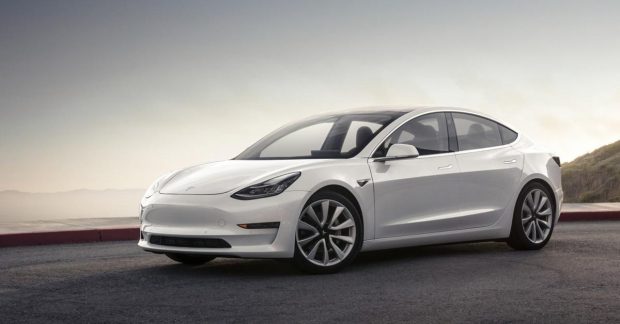
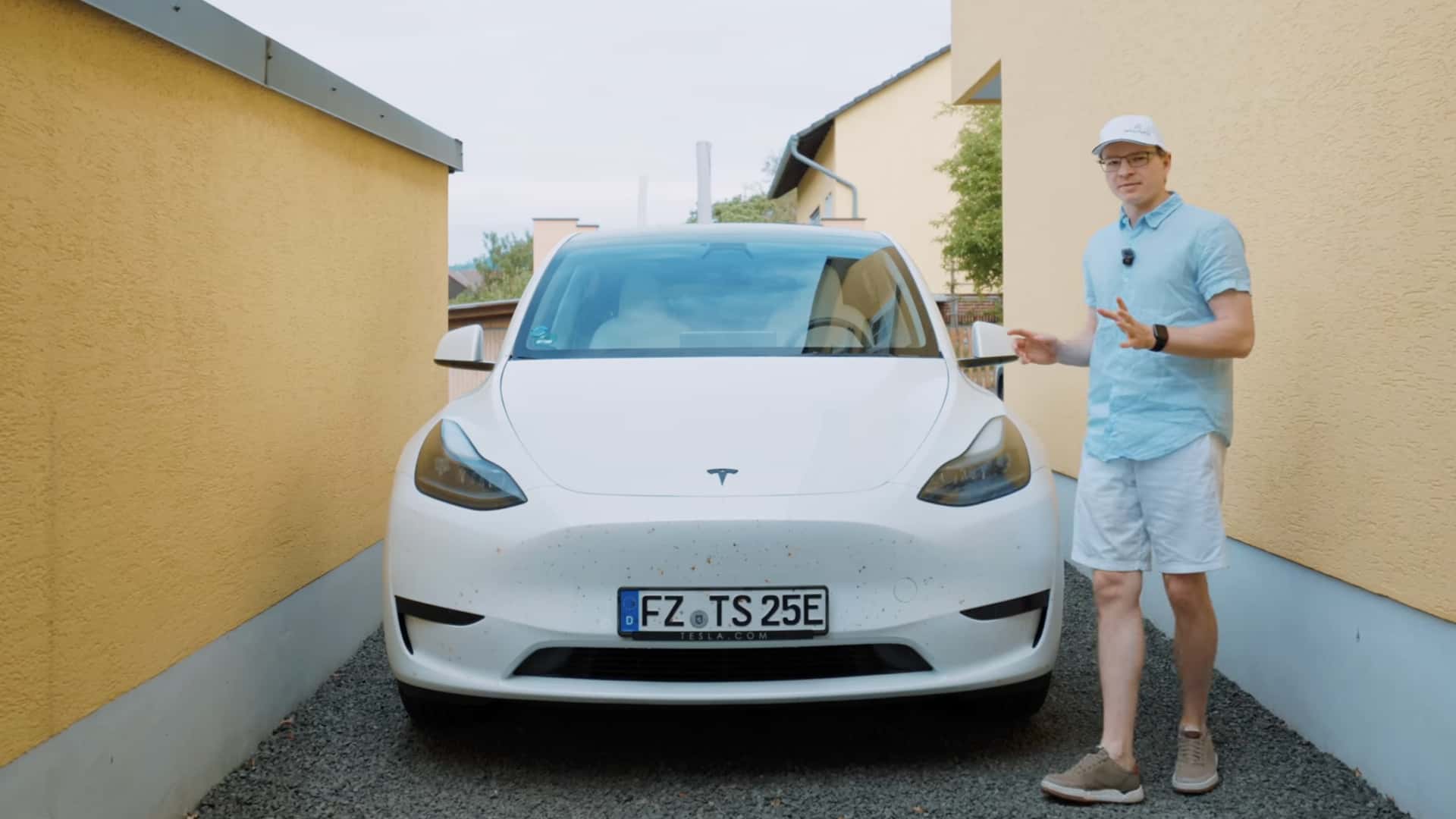
Matt Goes Electric tested the battery health of this Shanghai-built 2022 Tesla Model 3 rear-wheel drive with an LFP battery pack. His daughter and son-in-law had only recently bought the Tesla at around 76,000 miles (122,000 km). They knew little about its previous life, including how often it had been fast-charged or any relevant metrics that would give them an idea of its battery health.