A town with an idyllic setting and grape-stuffed vineyards that roll up into sheer Western Cape mountains, Stellenbosch in South Africa has been known as the City of Oaks for almost 350 years.
It is a title living on borrowed time.
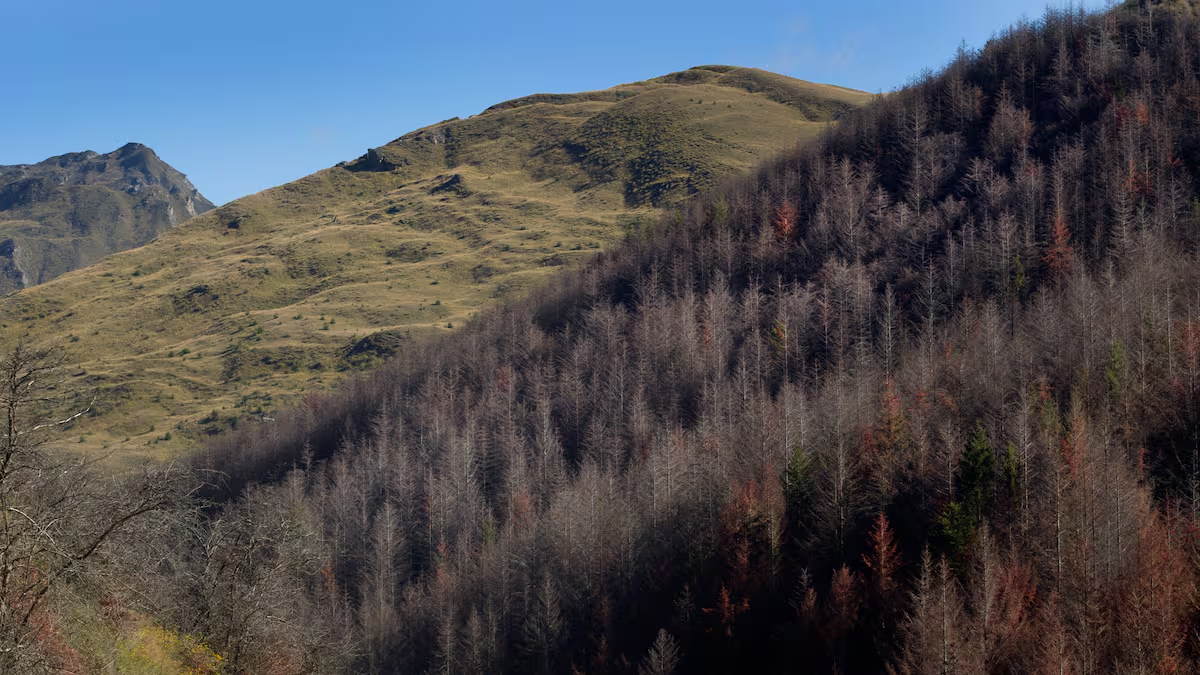
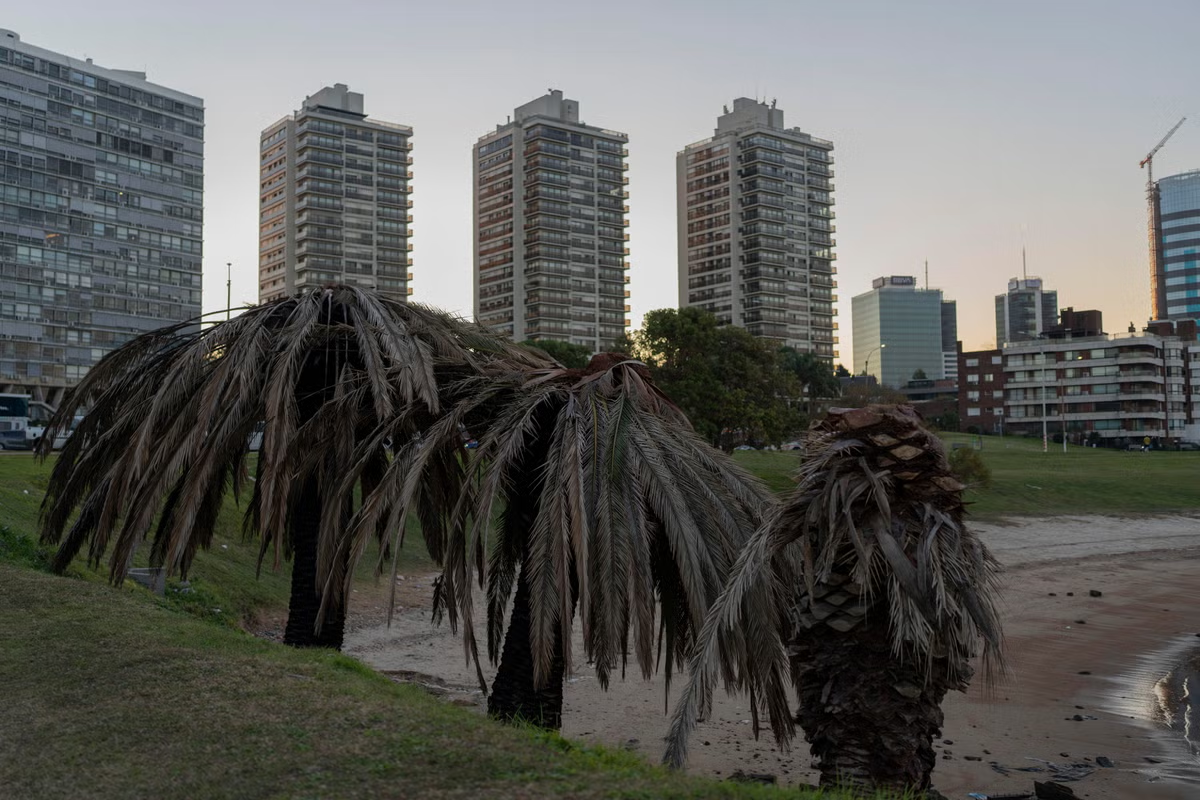
Thousands of the towering English oaks and other urban trees that once lined the town’s streets and homesteads are long gone. Swathes of those still standing are marked for death, their fate written like braille in the form of scores of tiny holes — no thicker than a dot left by a ballpoint pen — beneath the bark.
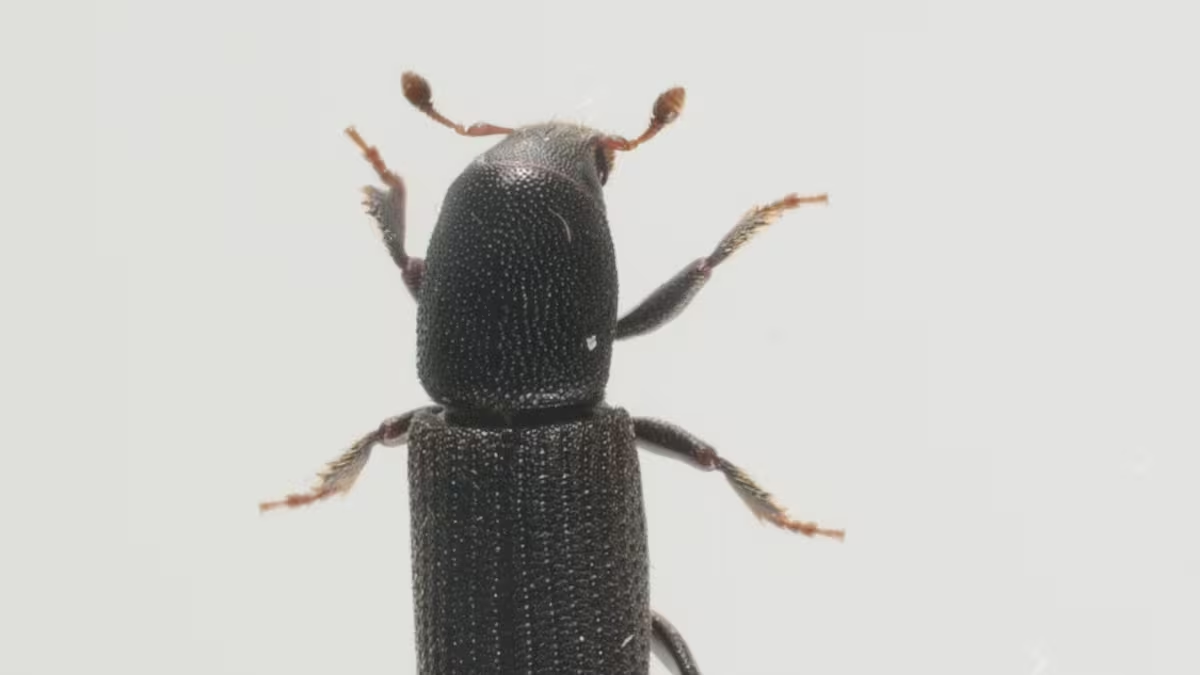
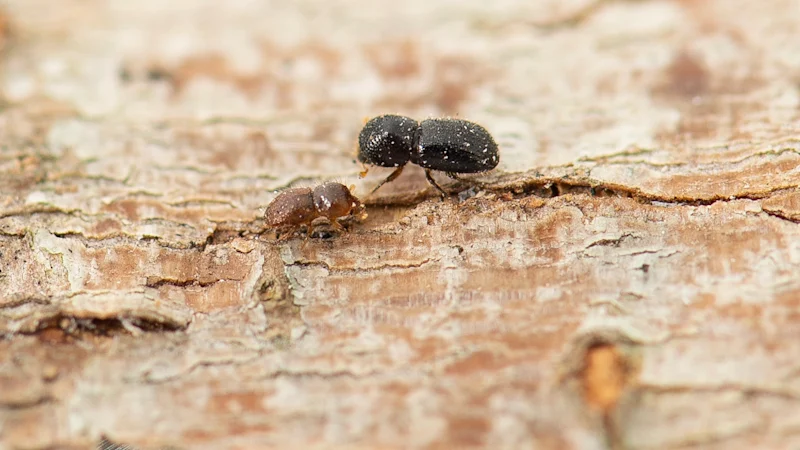
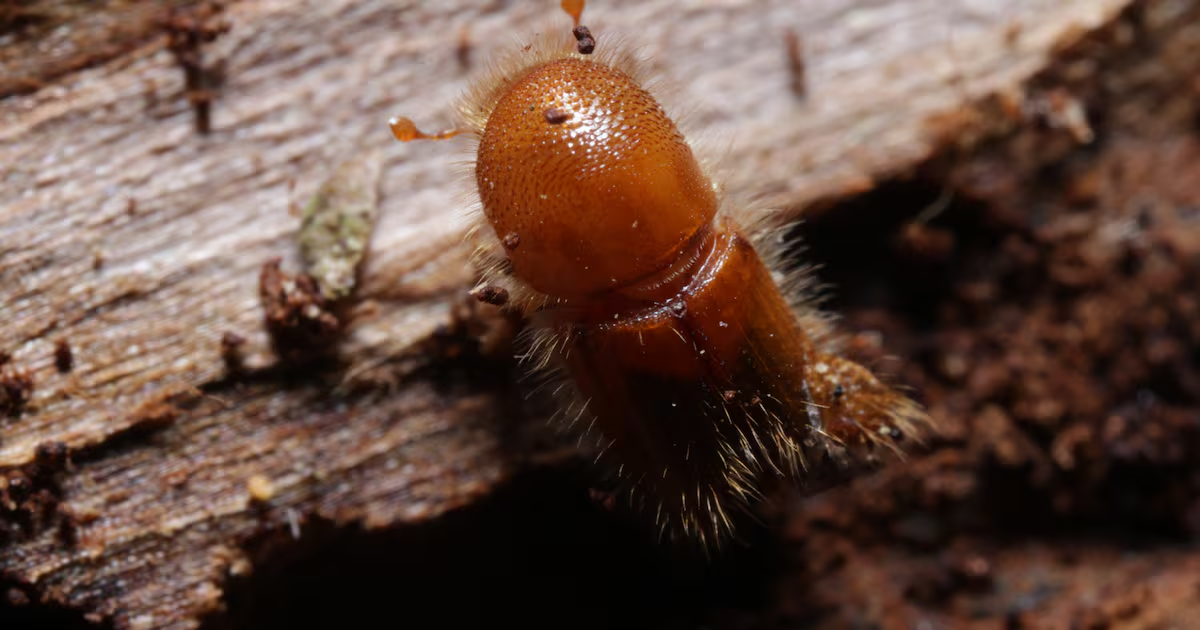
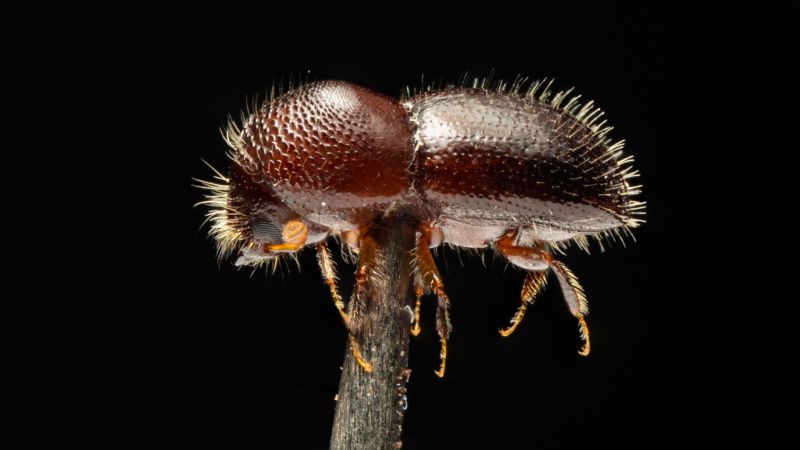
They are calling cards left by the polyphagous shot-hole borer, an invasive species of beetle laying siege to tree populations across South Africa and beyond. It’s a bug no bigger than a sesame seed but its ecological and economic impact is titanic and growing ever larger globally, measured in many millions of trees and billions of dollars.
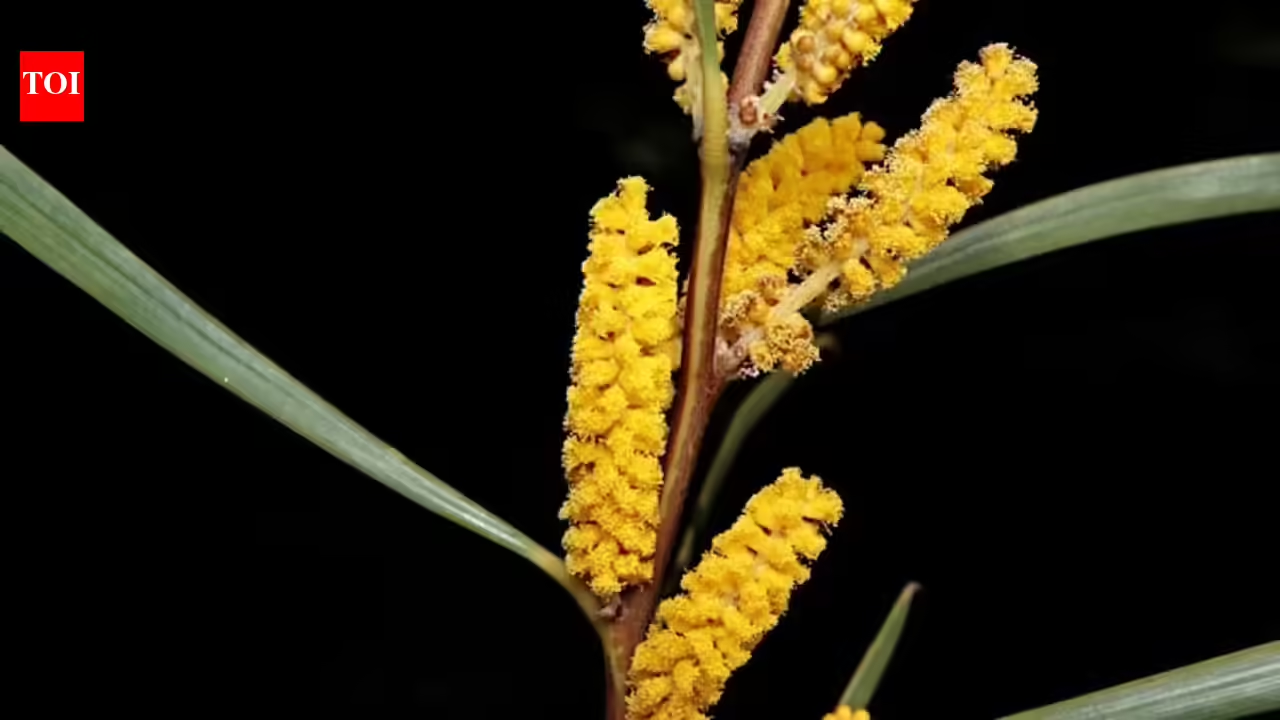
Native to southeast Asia, the beetle has infested every continent bar Antarctica, according to a study published in the Journal of Pest Science in June, stowing away in wood products, live plants and packaging materials. Roughly 680 tree and woody plant species have been attacked by the bug to date, according to a July review in the Forests journal.