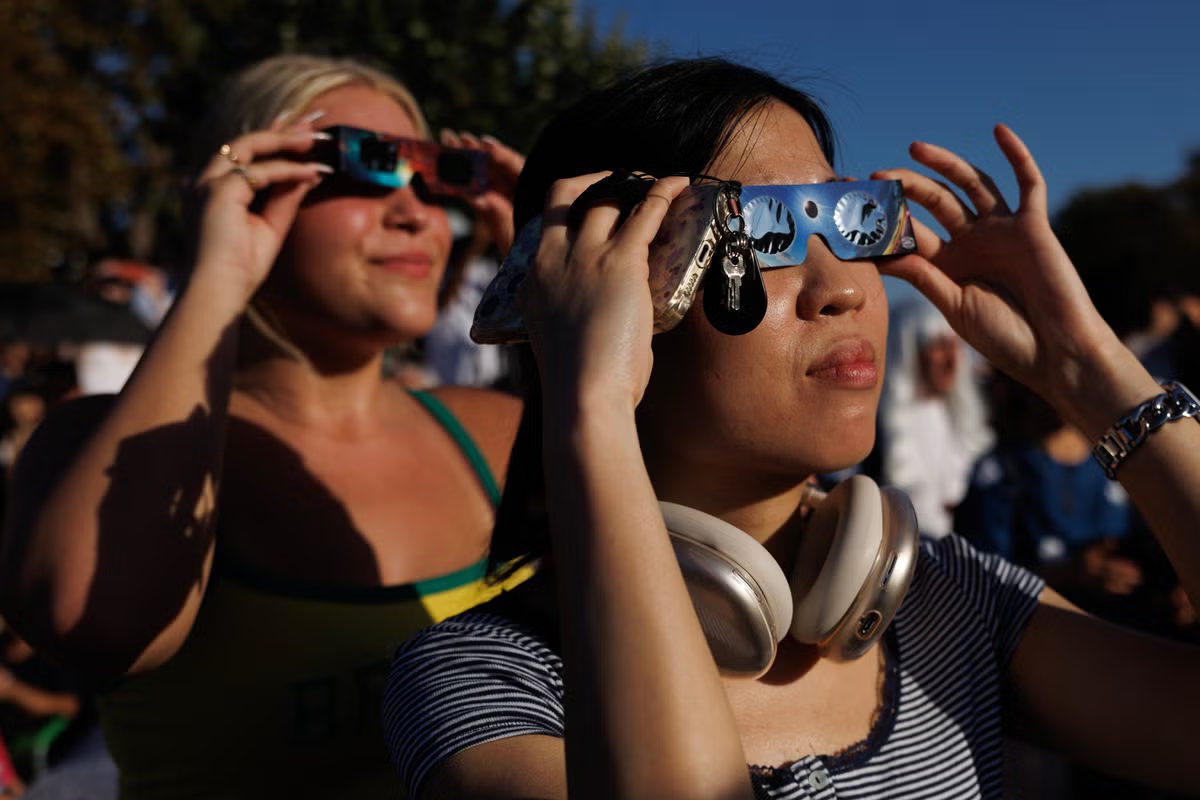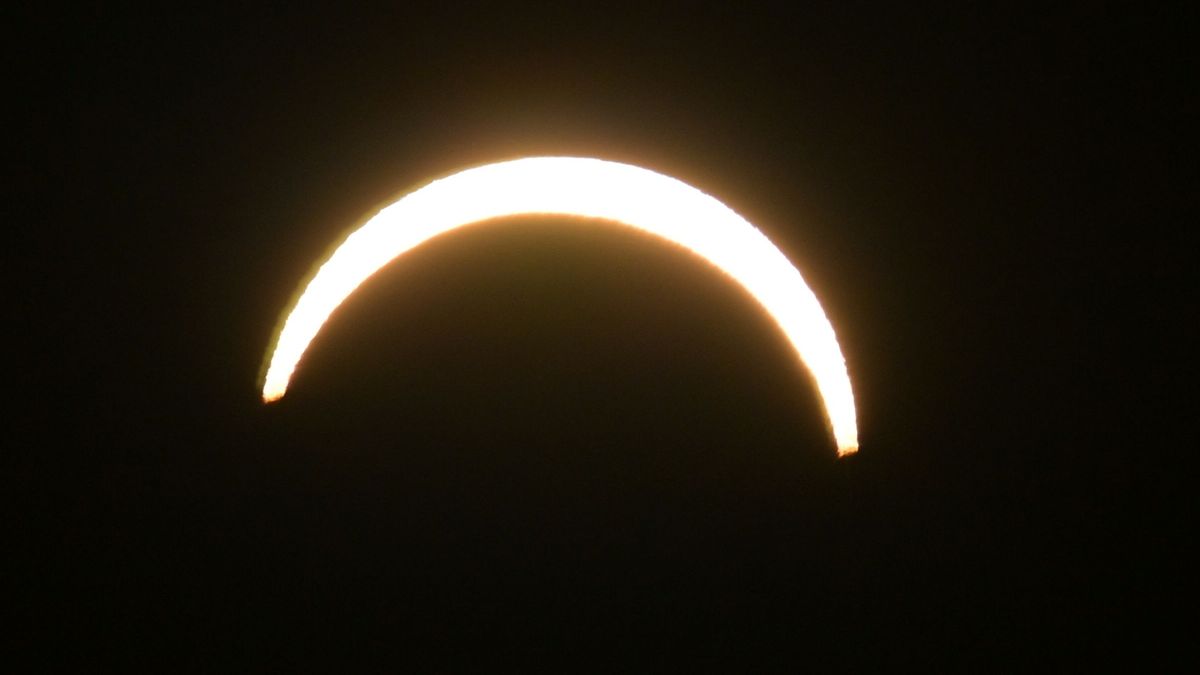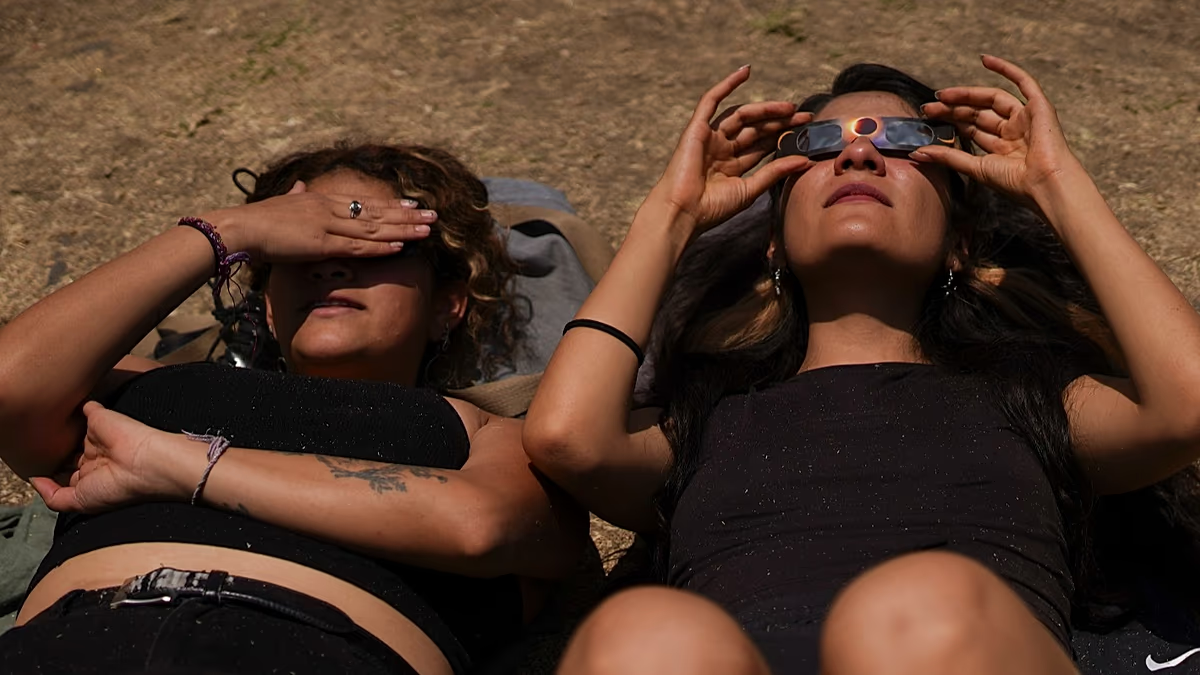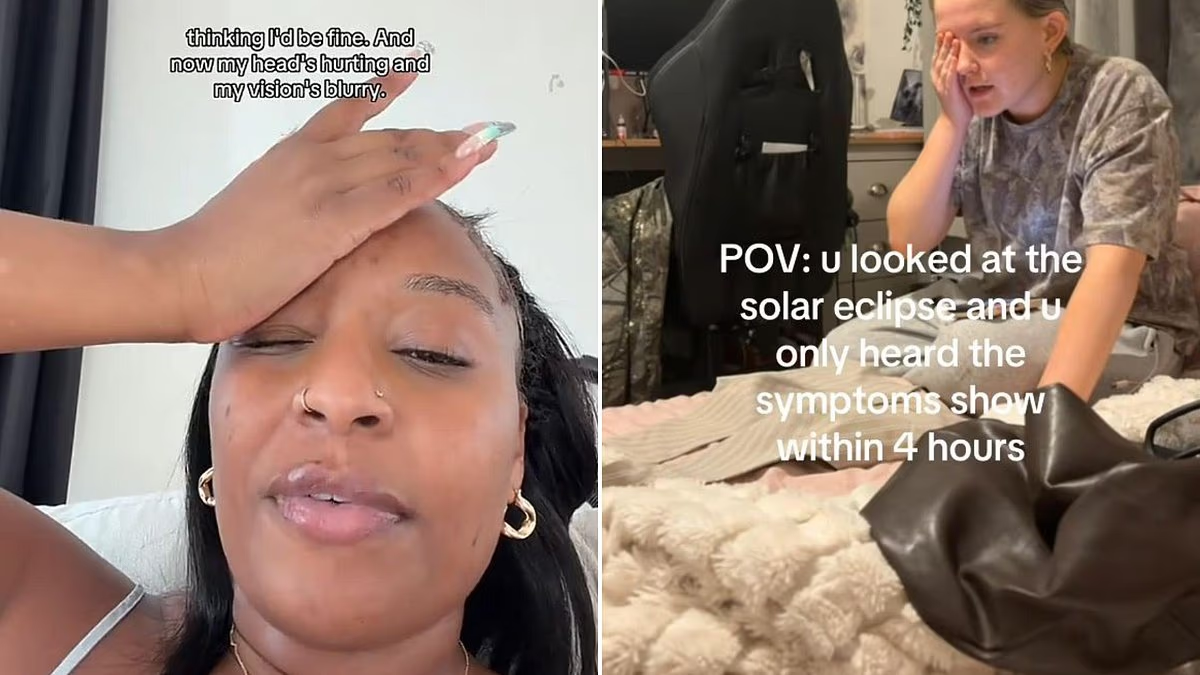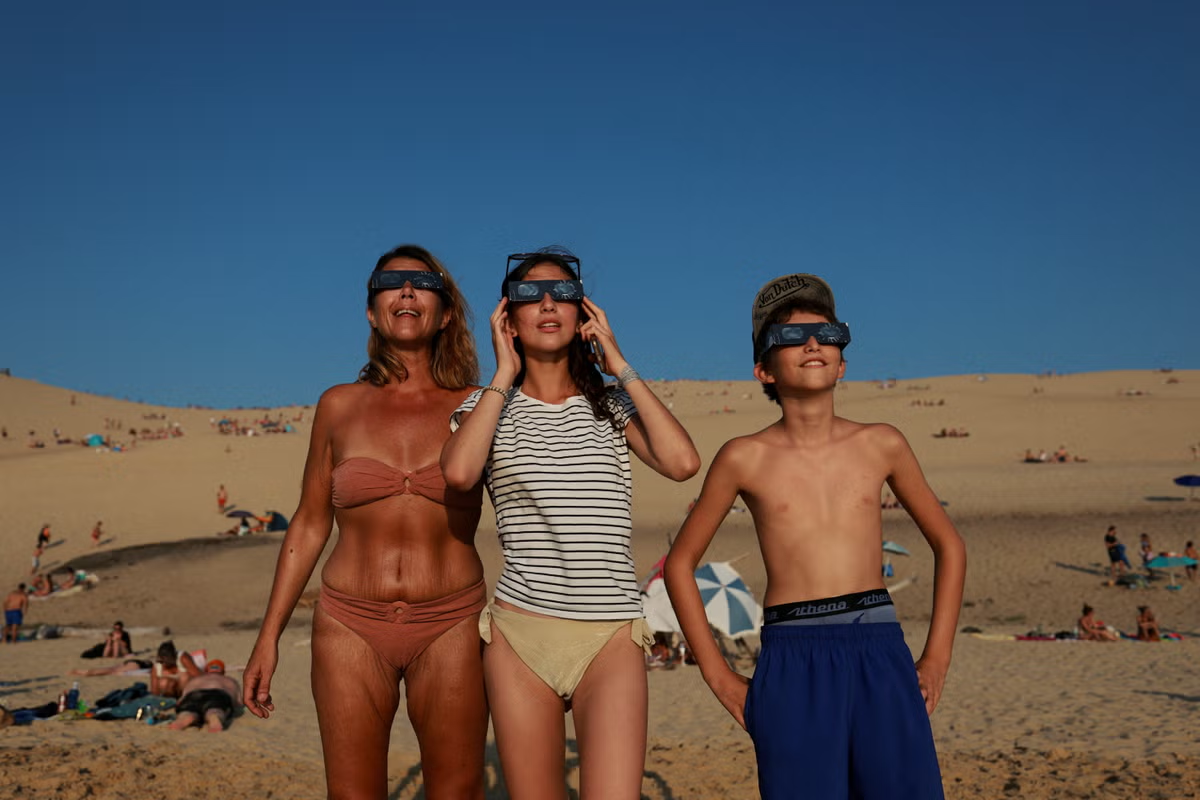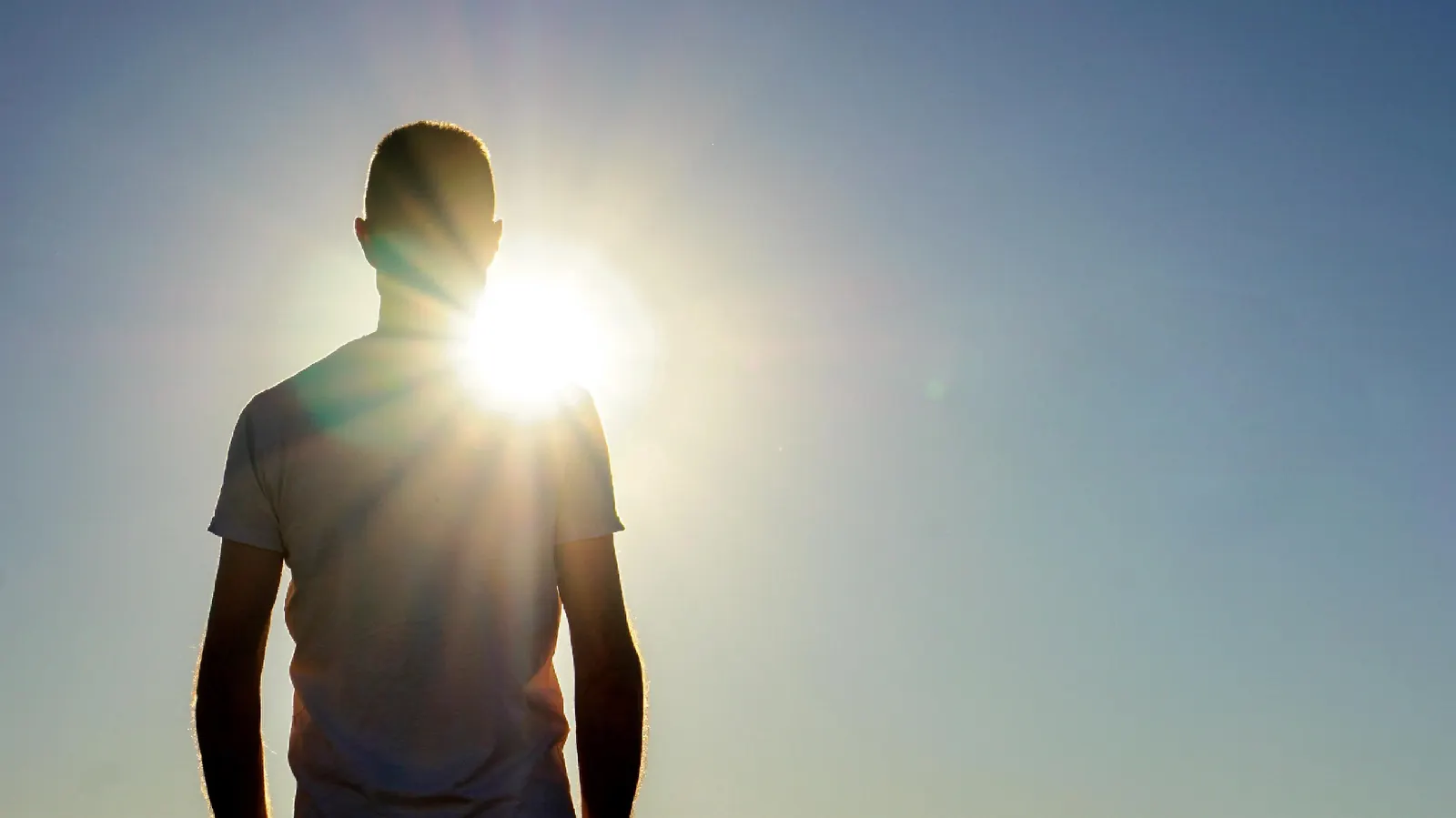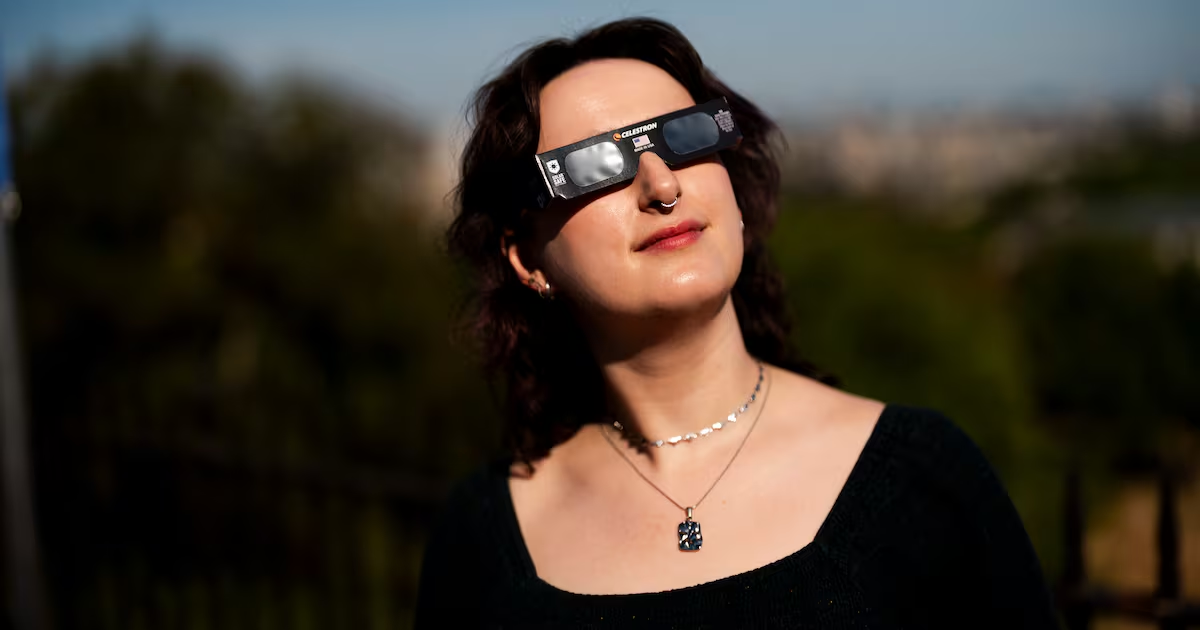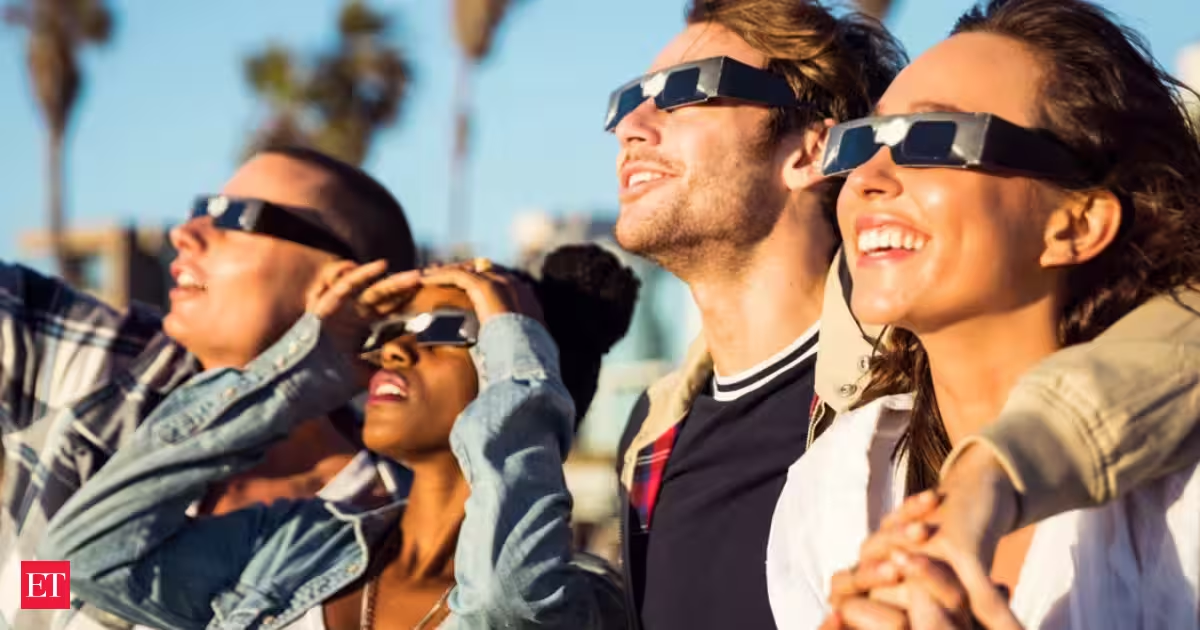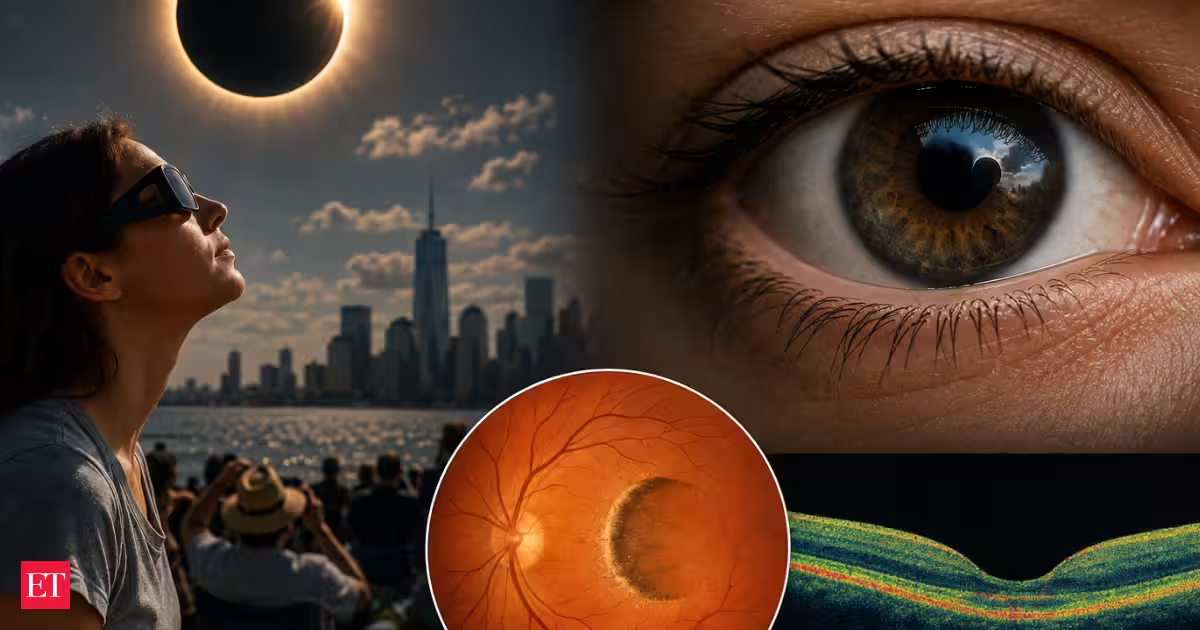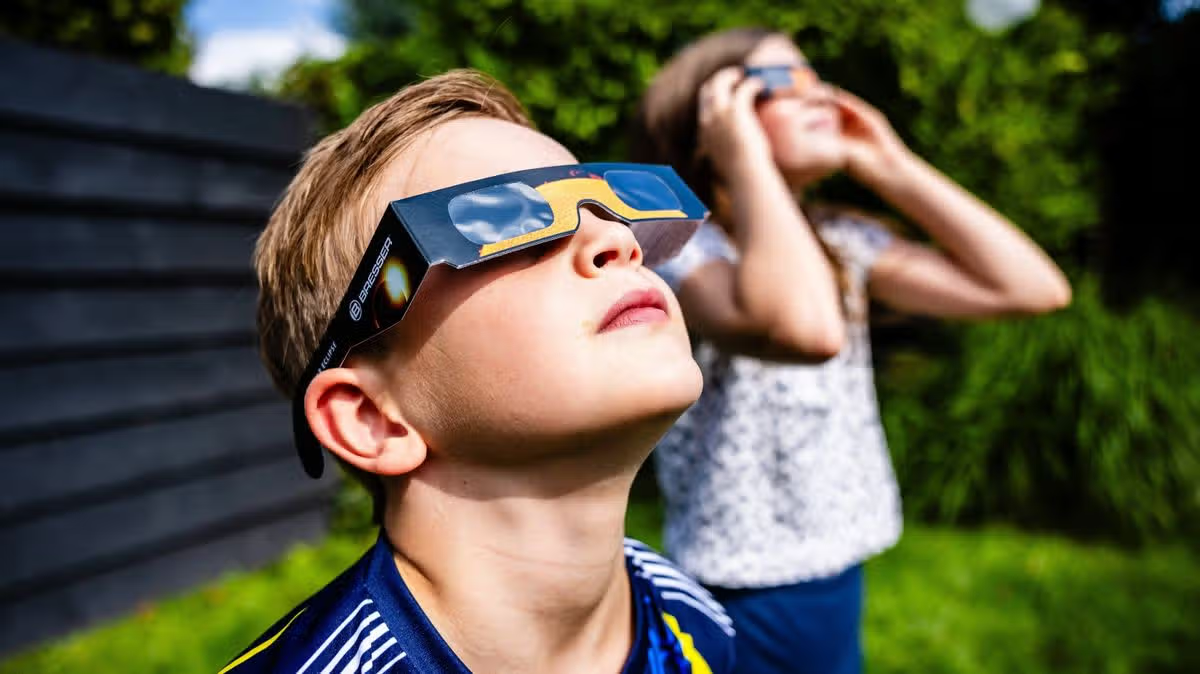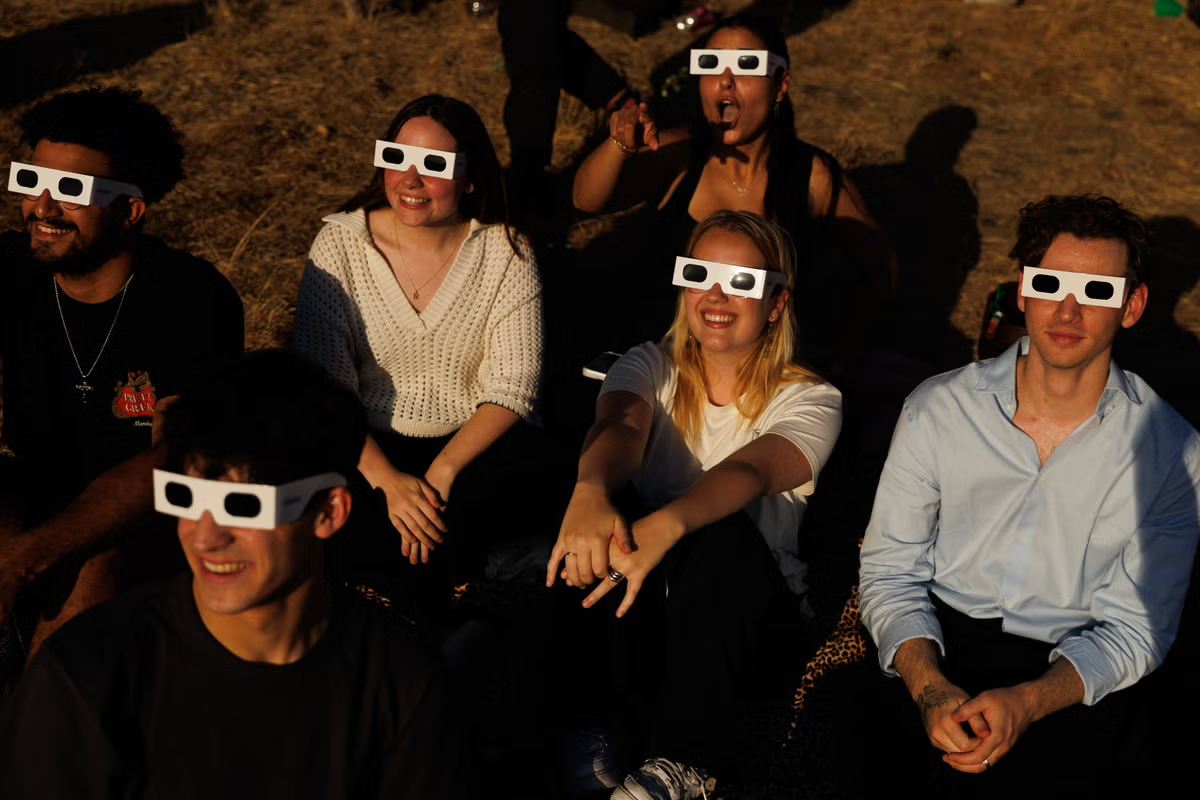
The number of people searching “sore eyes” on Google increased by a worrying 650 per cent following Wednesday night’s eclipse, compared to the same time on Tuesday. More than 90 per cent of the Sun was obscured by the Moon on Wednesday evening - the most it has been blocked over UK skies since 1999. Crowds flocked to viewing spots with special glasses and homemade viewers created from cereal boxes and colanders, which sent sales of the kitchen item up by 40 per cent compared to last year, according to John Lewis. But experts warned astronomy fans to only view the astral event with ISO 12312-2 solar eclipse glasses because looking directly at the sun's rays, even with sunglasses, can cause retinal damage. A central blind spot or blurry vision could be a warning sign of permanent damage. People gather to view the partial solar eclipse in Greenwich Park (Getty)Here’s how to tell if staring at the eclipse damaged your eyes. Why is it dangerous to look at the sun?Looking directly at sunlight can damage the light-sensitive layer at the back of the eye that allows us to see. “When you look directly at the sun, the bright light and ultraviolet radiation can damage retinal cells,” Alex Ionides, consultant ophthalmic surgeon at Moorfields Eye Hospital said. But this can happen even after taking a quick glimpse. Following the 1999 total solar eclipse, the Royal College of Ophthalmologists reported around 70 cases of people experiencing vision problems after watching the eclipse.Around 40 per cent had looked at it for less than a minute.Mr Emil Kurniawan, a consultant ophthalmologist at OCL Vision, said: “Looking directly at the sun, even for just a few seconds, can burn the retina at the back of the eye, even if only a sliver of the sun is visible during a partial eclipse. “This condition, known as solar retinopathy, is painless which is why it’s so dangerous - people don’t realise the damage they’ve done until hours or even days later.”The partial solar eclipse is the most coverage during an eclipse viewed from the UK since 1999, with the moon covering 90-96 per cent of the sun (Getty)What are the symptoms of solar retinopathy? Noticing a new blind spot, blurry vision, or distortion of fine detail, are all warning signs to seek medical attention. “Symptoms can include blurred vision, distorted vision, reduced colour perception, difficulty reading, or a dark spot in the centre of vision,” Dr Ionides explained.While in some cases the effects improve over time, permanent vision loss can occur in some cases, he added.If someone has looked at the sun and subsequently develops any of the following symptoms, they should seek urgent medical attention:Eye pain Redness Grittiness or irritation Blurred vision Distorted vision New dark spots in your vision Sudden changes in sight A near total solar eclipse, with more than 90 per cent of the Sun blocked by the Moon across Britain, is pictured behind Big Ben (AFP/Getty)Why is an eclipse more damaging than sunshine? Although the eclipse itself is not inherently more dangerous than regular sunlight, Mr Kurniawan warns that the risk stems from the way people alter their behavior during the event.“On an ordinary day, your eyes automatically protect themselves. Your reflex is to squint, blink or look away before any damage is done,” he said.“During a partial eclipse, the moon blocks enough of the sun's visible light that it becomes dim and comfortable to stare at directly, even though the harmful ultraviolet and infrared radiation is still hitting your retina at nearly full strength. “Because the retina has no pain receptors, there are no warning signs. Someone can stare at a partially eclipsed sun for far longer than they ever would on a clear day, unaware that the concentrated light is burning the tissue at the back of their eye. That’s what makes it so dangerous.”
Warning signs that your eyes are damaged from staring at the eclipse
What you need to know about solar retinopathy
645 words~3 min read