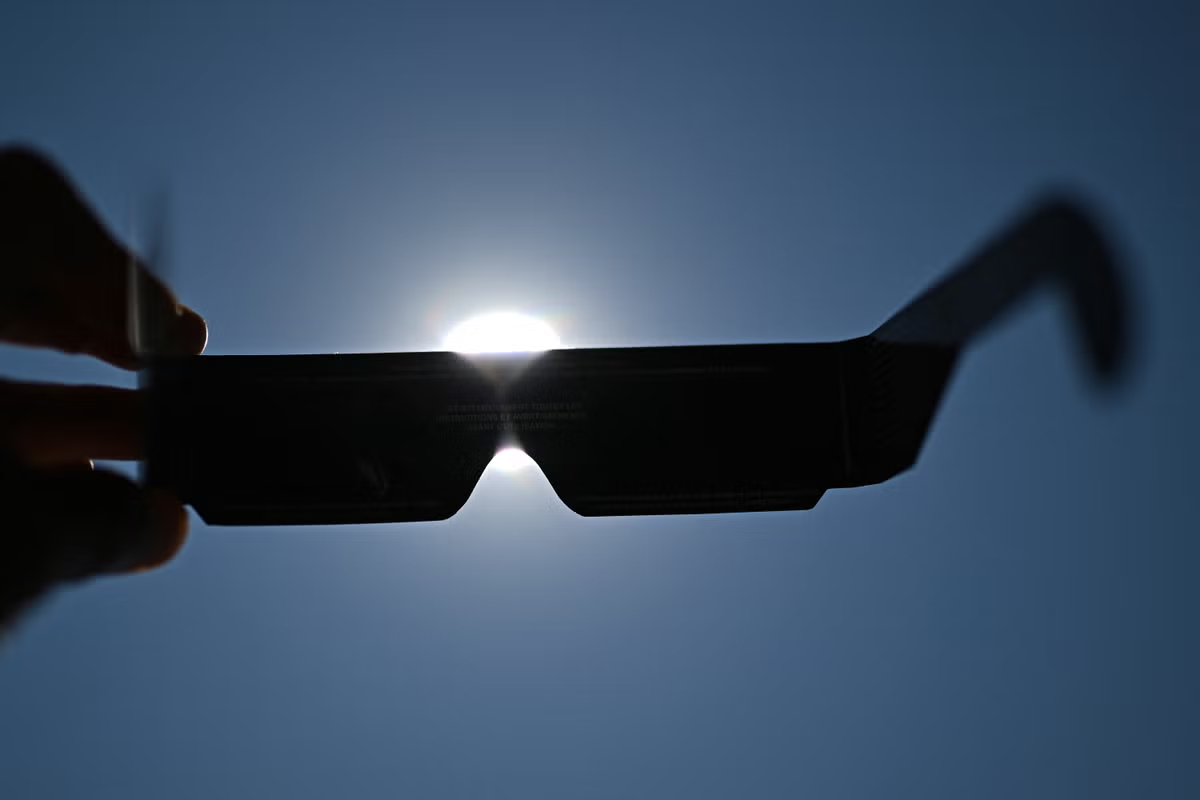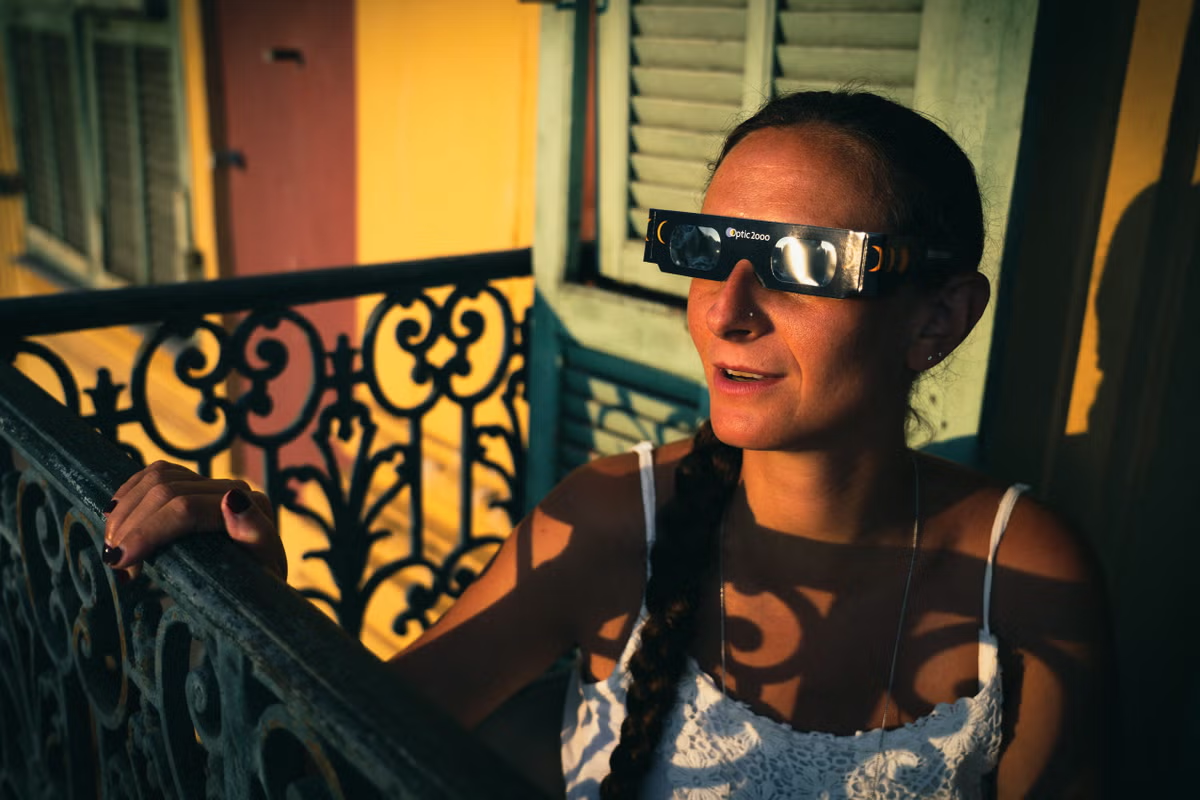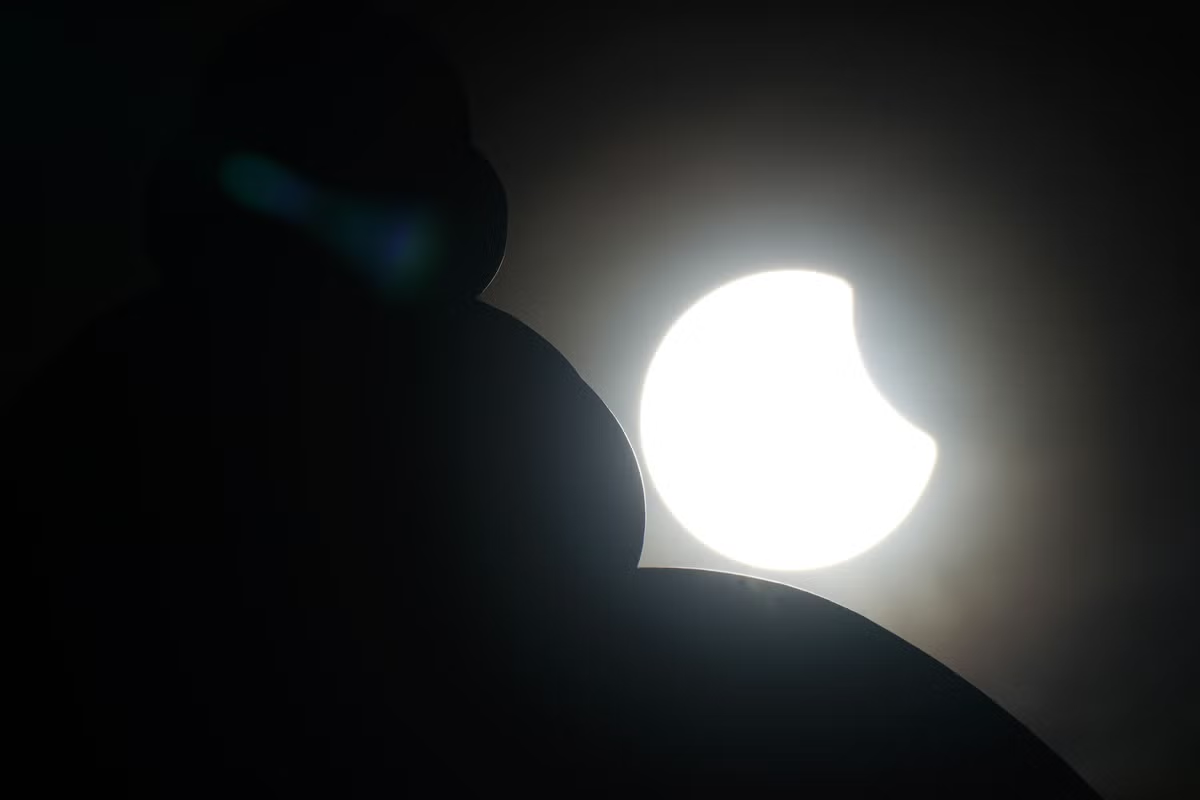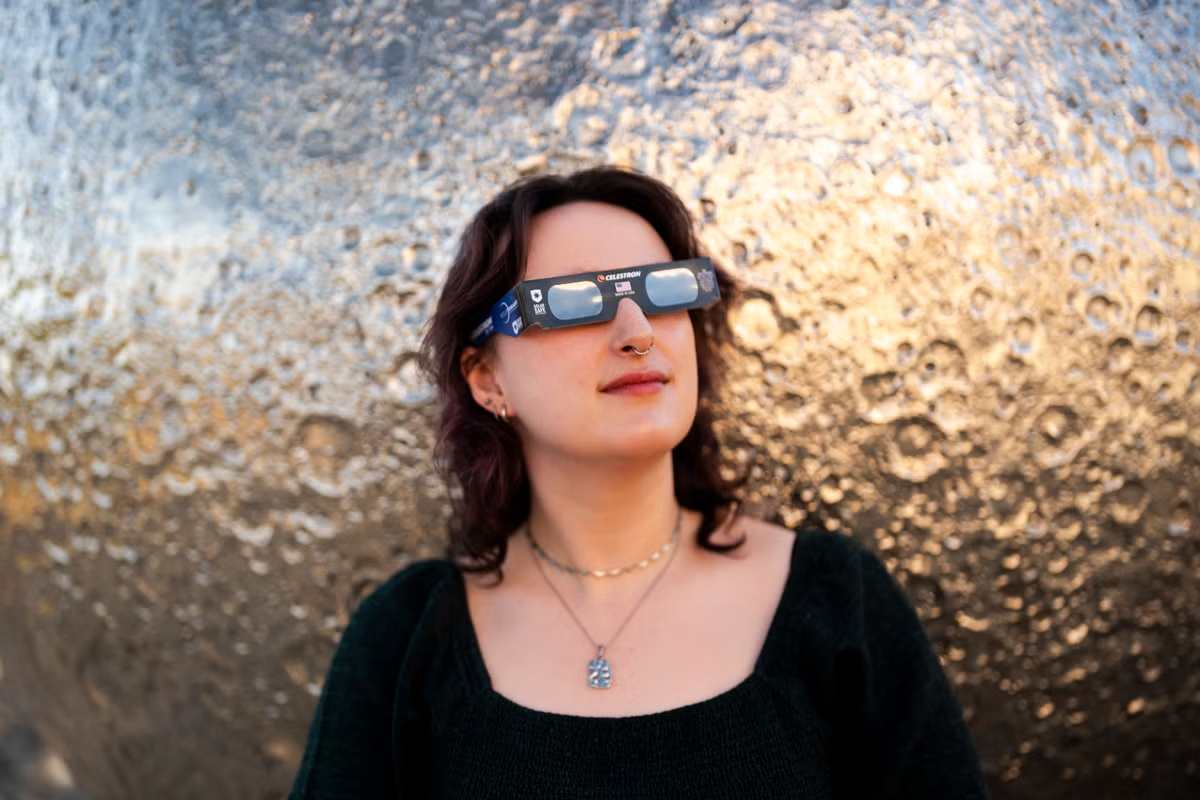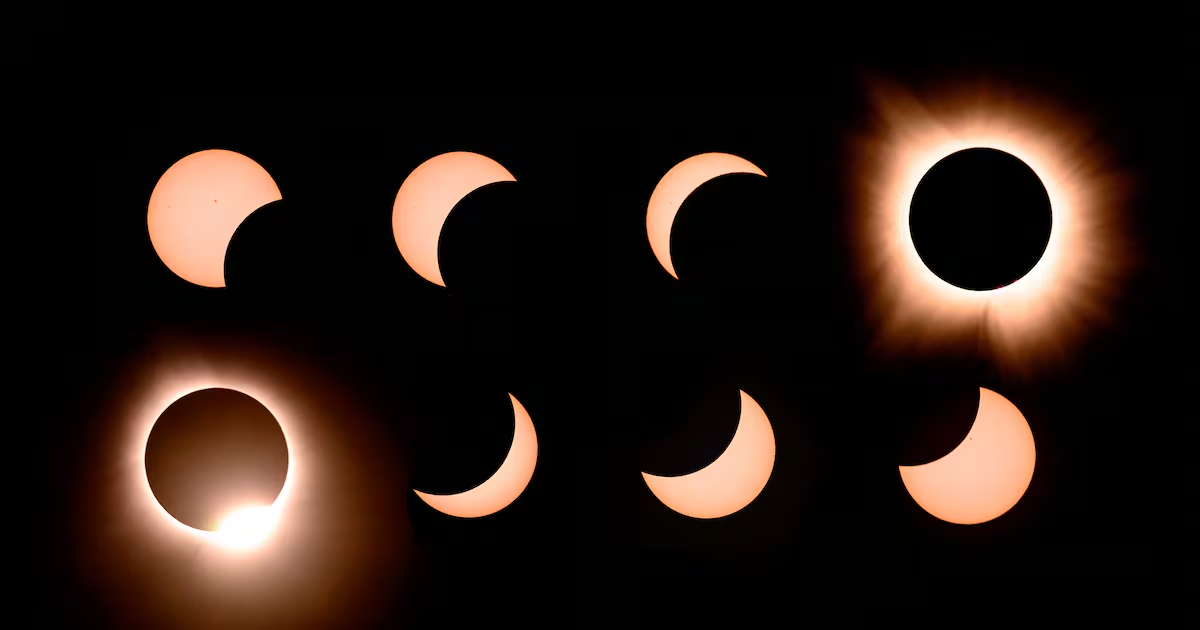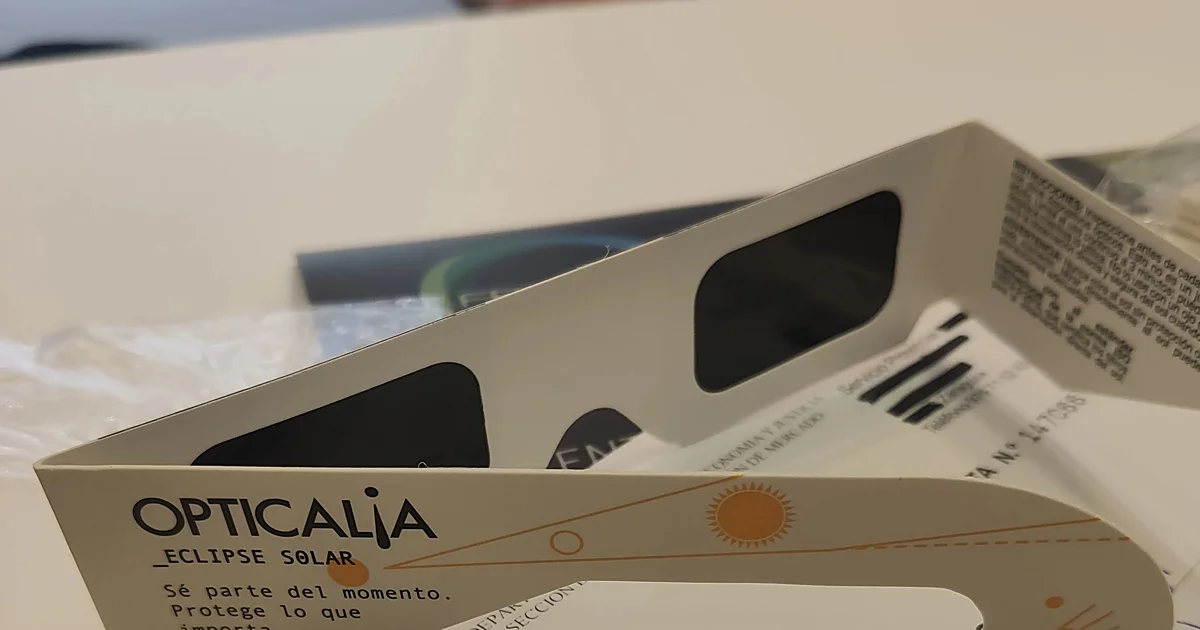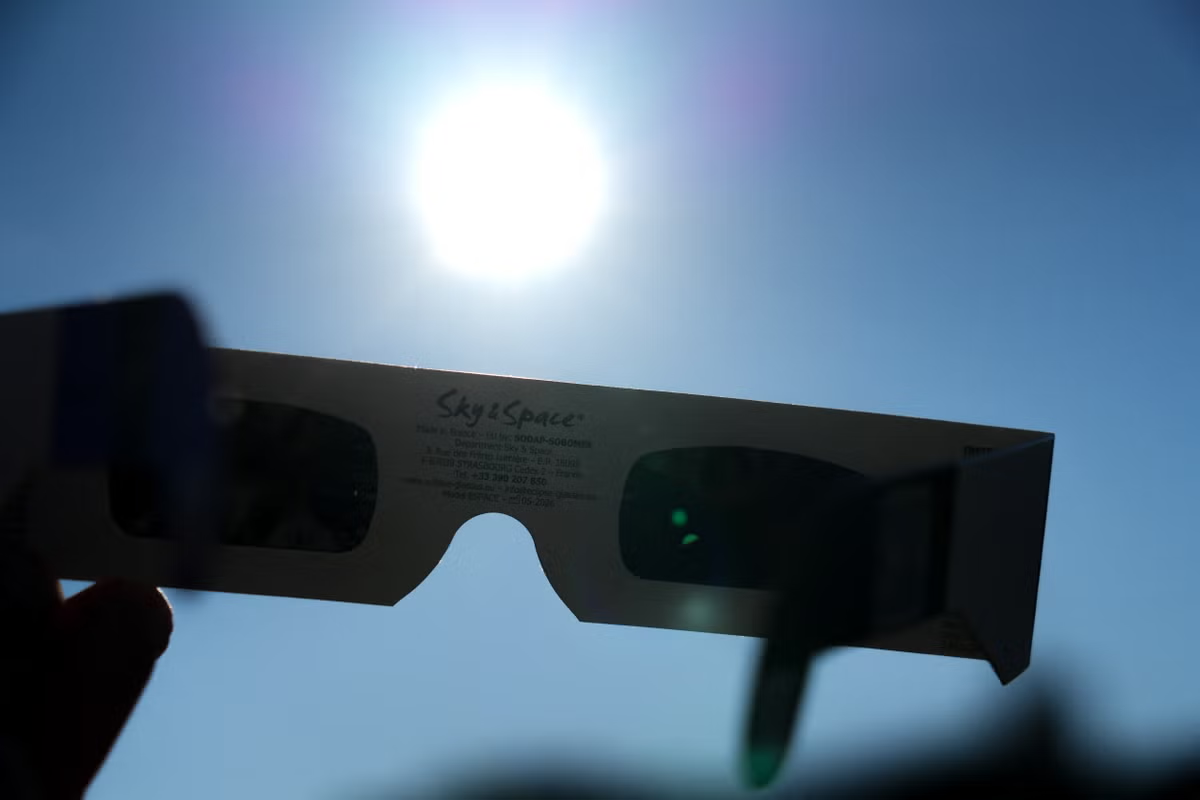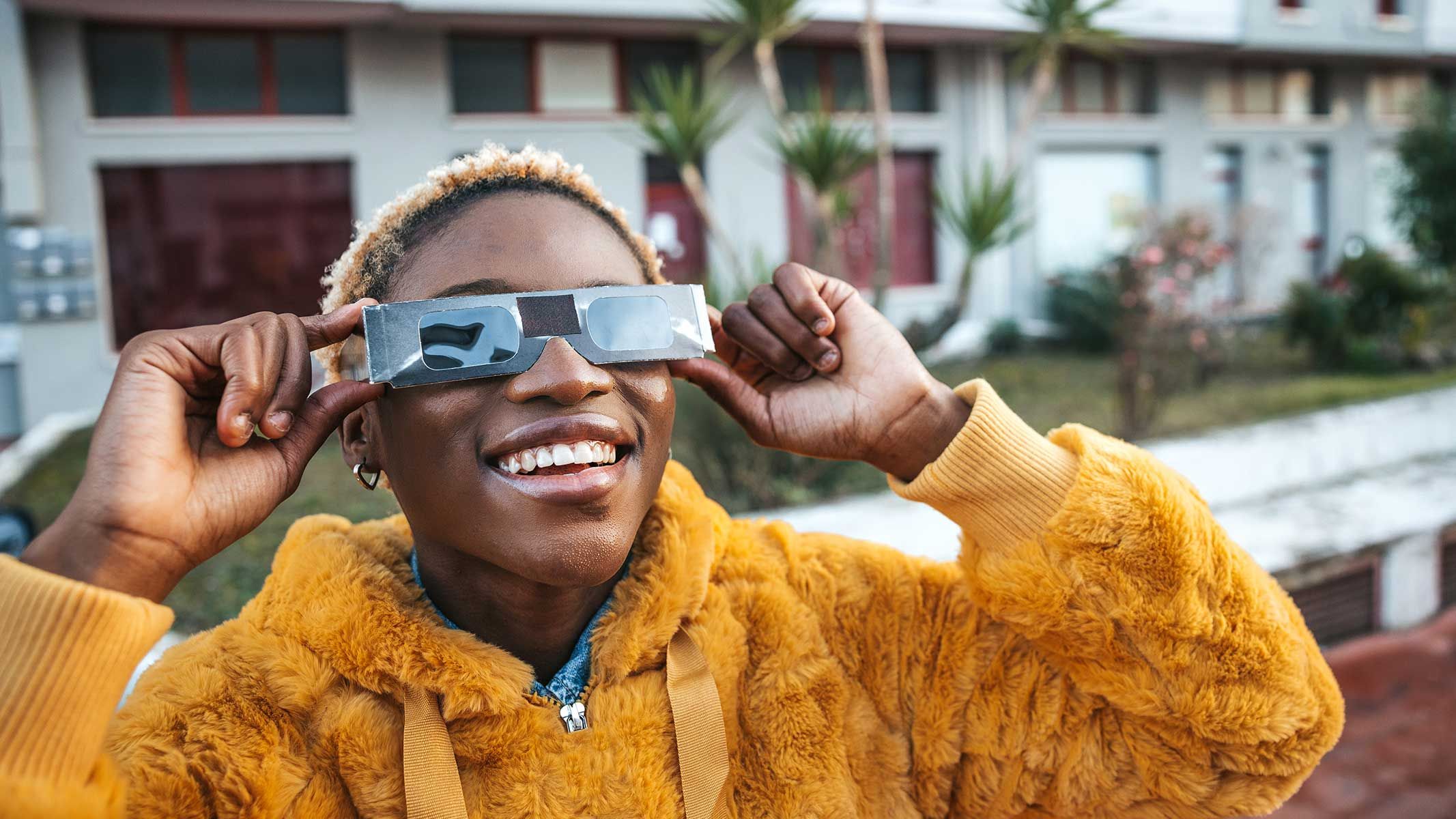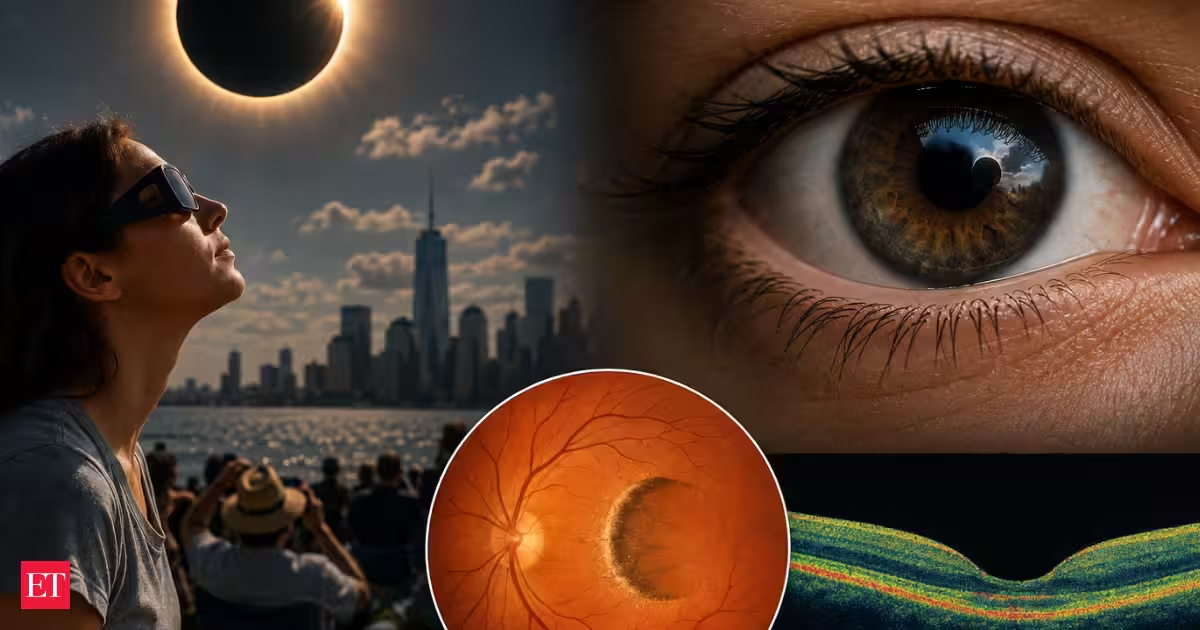
On August 12, 2026, a total solar eclipse will occur. If you plan to watch it, here's a cautionary tale about what can happen when you look at the Sun without proper eye protection.On August 21, 2017, when millions of Americans looked up at the Sun during the total solar eclipse, most watched the rare event for a few minutes before the sky returned to normal. For 26-year-old Nia Payne of Staten Island, New York, however, the eclipse left behind something she could not simply look away from.Within days of watching the eclipse, Payne noticed a strange disturbance in the centre of her vision. It was not a normal blur or a temporary after-image. Instead, she could see a crescent-shaped area where her vision was impaired, almost resembling the portion of the Sun visible during the eclipse.Doctors later discovered that the unusual shape was linked to actual damage to the photoreceptors in her retina, a condition known as solar retinopathy.Payne looked at the eclipse for only secondsPayne was watching a partial eclipse from New York, where about 70% of the Sun was covered by the Moon. Unlike people within the narrow path of totality, she never experienced a period when the Sun was completely obscured.She initially looked at the Sun without suitable eclipse glasses for about six seconds. She then borrowed a pair of glasses from someone nearby and looked again.The glasses were later found not to meet the ISO 12312-2 safety standard for direct solar viewing. Payne's second viewing lasted between 15 and 20 seconds.After going indoors, she noticed a blurred patch in the centre of her left eye. The problem did not disappear over the following days. Instead, the shape of the disturbance became more noticeable.Because the affected area was in her central vision, the problem interfered with activities such as reading, focusing on objects and seeing details clearly.Her eyesight initially looked almost normalSeveral days after the eclipse, Payne was examined at the New York Eye and Ear Infirmary of Mount Sinai.Her standard visual acuity measurements did not immediately indicate a severe injury. Her right eye was measured at 20/20, while her left eye was 20/25.But those measurements did not explain what Payne was experiencing.She had not lost her entire field of vision. Instead, a relatively small area in the centre of her visual field had been damaged. Because central vision is crucial for reading and recognising fine details, even a small defect in this area can be noticeable.Doctors determined that Payne had developed solar retinopathy.What is solar retinopathy?Solar retinopathy occurs when intense sunlight damages the retina, the light-sensitive tissue at the back of the eye.The eye normally focuses incoming light onto the retina. This allows humans to see detailed images, but the same optical system can become dangerous when someone looks directly at the Sun.The lens can concentrate sunlight onto a small area of retinal tissue. The intense exposure can trigger photochemical and thermal damage involving the retina's light-sensitive cells.Among the most important cells affected are photoreceptors, including rods and cones. Cones are particularly important for detailed daylight and colour vision and are concentrated around the fovea, a small region responsible for sharp central vision.Damage to this area can therefore create a blind spot or distortion directly where a person is trying to look.One of the dangers of solar retinopathy is that the retina does not necessarily produce an immediate pain response. A person can therefore look at the Sun without feeling the kind of sharp warning that would make them immediately stop.Her blind spot had the shape of a crescentOne of the most unusual aspects of Payne's case was the shape of the visual disturbance.Doctors asked her to draw the area she was unable to see properly. She drew a crescent.The shape was significant because it broadly corresponded to the portion of the Sun that remained visible during the partial eclipse.Doctors used advanced retinal imaging to investigate the injury further. Among the techniques used was adaptive optics scanning light ophthalmoscopy, which can provide highly detailed images of structures inside the retina.Adaptive optics technology was originally developed for astronomy to correct distortions caused by Earth's atmosphere. In ophthalmology, the technology can compensate for optical imperfections in the eye and allow researchers to examine retinal structures at a much finer scale.The scans of Payne's eyes revealed disruption to photoreceptors in her left eye, along with a less pronounced pattern in her right eye.The location and shape of the retinal damage corresponded with the crescent-shaped disturbance she had reported.The eclipse had not been literally ‘stored’ in her eyeThe striking finding does not mean that an actual photographic image of the eclipse was permanently stored inside Payne's eye.Instead, the eye's optical system had projected the partially obscured Sun onto the retina.The intense light damaged the photoreceptors receiving that image. Because the Sun was partially covered, the pattern of light reaching the retina reflected the shape of the visible portion of the solar disc.The damaged area consequently produced a corresponding disturbance in Payne's visual field.Her drawing showed the part of her vision that had been affected. The retinal scans showed the damaged photoreceptors. The two patterns broadly matched the geometry of the eclipse.In effect, the shape of the eclipse helped explain the shape of the injury.Why a partial eclipse can still damage your eyesA common misconception is that an eclipse makes looking at the Sun safer.It does not.During a total solar eclipse, there is a brief period of totality when the bright surface of the Sun is completely covered by the Moon. Direct viewing can be safe during that specific phase under the appropriate conditions.But the situation changes immediately when any part of the bright solar surface becomes visible again.A partial eclipse is particularly important in this context because the Sun remains visible throughout the event. Even when most of the solar disc is covered, the remaining visible portion can still deliver enough intense radiation to damage the retina.Ordinary sunglasses are not designed for direct solar viewing. Properly manufactured solar viewers and filters are required for safely observing the Sun and should comply with the relevant safety standards.The damage did not simply disappearSolar retinopathy does not have a straightforward treatment that can restore photoreceptors once they have been destroyed.Some people experience improvement in their vision after the initial injury, while others can be left with persistent visual disturbances.For Payne, the crescent-shaped defect continued to affect her central vision. She learned to rely more heavily on her right eye, but reading and looking at screens could remain difficult.The size of the damaged area was relatively small, but its location made it particularly disruptive.A person may be able to compensate more easily for a defect in peripheral vision. A blind spot in the centre of vision, however, can interfere with everyday tasks because it sits directly where the eyes are focused when reading text, examining objects or looking at someone's face.A rare case that showed exactly what solar damage can look likePayne's case became notable because doctors were able to connect what she experienced with detailed images of the damaged retinal tissue.Her case was later described by ophthalmologists in a study published in JAMA Ophthalmology, titled “Acute Solar Retinopathy Imaged With Adaptive Optics, Optical Coherence Tomography Angiography, and En Face Optical Coherence Tomography.”The imaging provided a detailed look at the retinal changes associated with her exposure.The case also offered a clear reminder about the risks of viewing an eclipse without appropriate eye protection.The Sun may appear less intense when much of it is hidden by the Moon, but the remaining visible portion can still cause serious retinal injury. And because retinal damage may not cause immediate pain, the absence of discomfort should not be mistaken for safety.For Payne, just a few seconds of looking at the eclipsed Sun were enough to leave a crescent-shaped blind spot in her vision — a lasting reminder of the 2017 eclipse.
She watched the 2017 solar eclipse for just few seconds. It left a crescent-shaped blind spot in her vision
In 2017, a woman suffered severe vision impairment after gazing at a partial solar eclipse without protective eyewear. This led to solar retinopathy, manifesting as a crescent-shaped blind spot. Intense sunlight damaged her retina's photoreceptors, prompting doctors to utilize advanced imaging techniques to assess her eye condition. This case serves as a critical reminder of the hazards associated with direct solar observation.
1,314 words~6 min read