HomeAI · summaries
Storia in 3 fonti
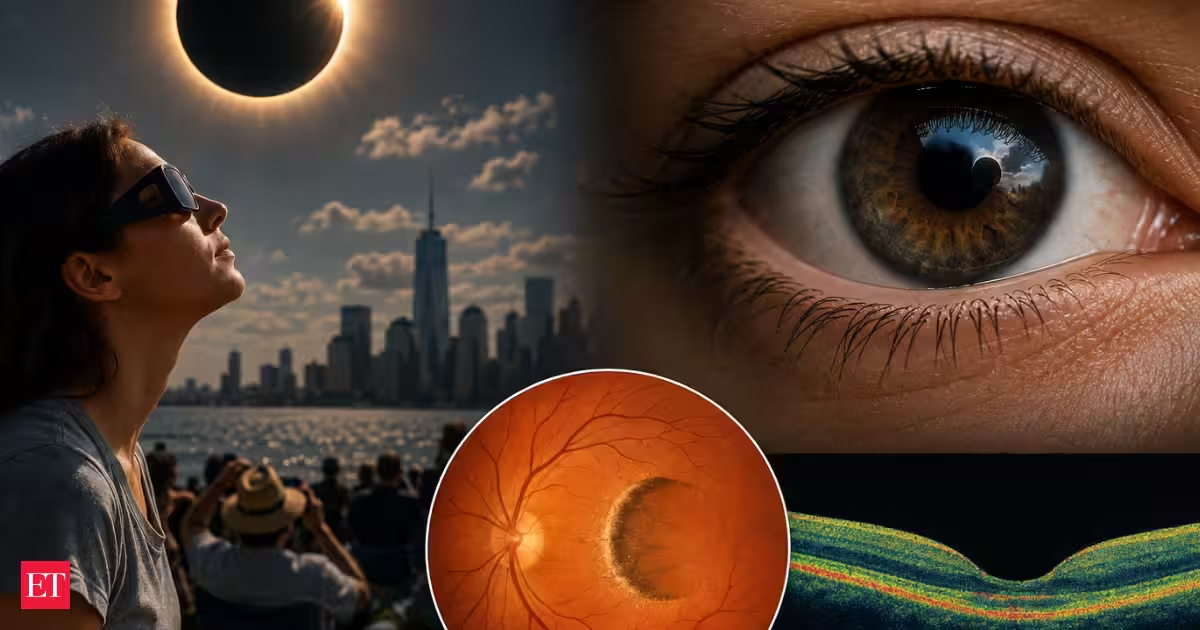
She watched the 2017 solar eclipse for just few seconds. It left a crescent-shaped blind spot in her vision
In 2017, a woman suffered severe vision impairment after gazing at a partial solar eclipse without protective eyewear. This led to solar retinopathy, manifesting as a crescent-shaped blind spot. Intense sunlight damaged her retina's photoreceptors, prompting doctors to utilize advanced imaging techniques to assess her eye condition. This case serves as a critical reminder of the hazards associated with direct solar observation.
Confronto fonti
3 prospettive sulla stessa storiaTimeline cronologica
- ·
elconfidencial.com
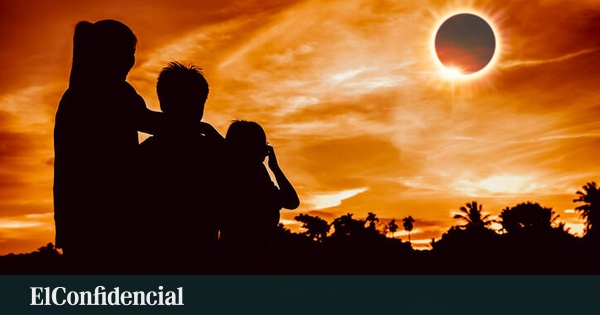
Los oftalmólogos advierten del impacto de la retinopatía solar ante el eclipse total del próximo 12 de agosto
El fenómeno atraerá miles de miradas al cielo, pero observarlo sin gafas homologadas puede causar daños permanentes en la retina
- ·
independent.co.uk
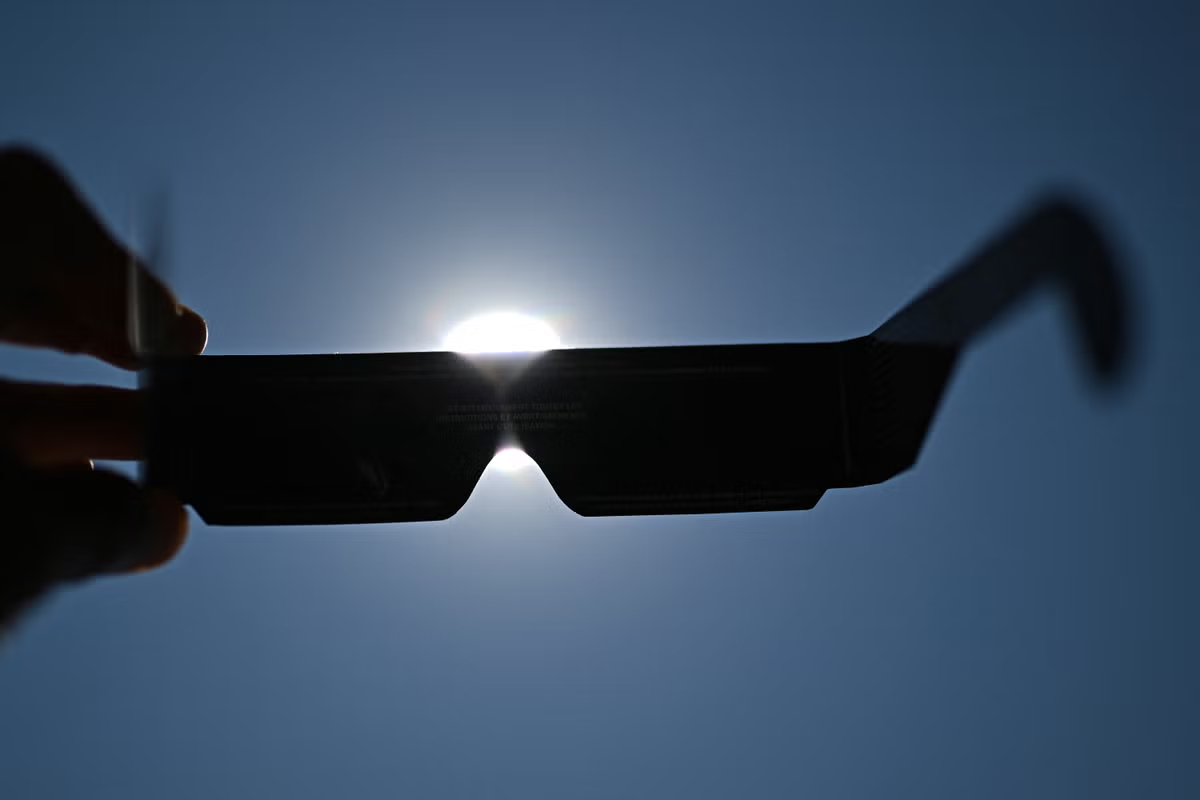
Solar eclipse warning after Britons suffered vision loss in 1999
At least 70 cases of eclipse-related visual loss were reported following the total solar eclipse in 1999