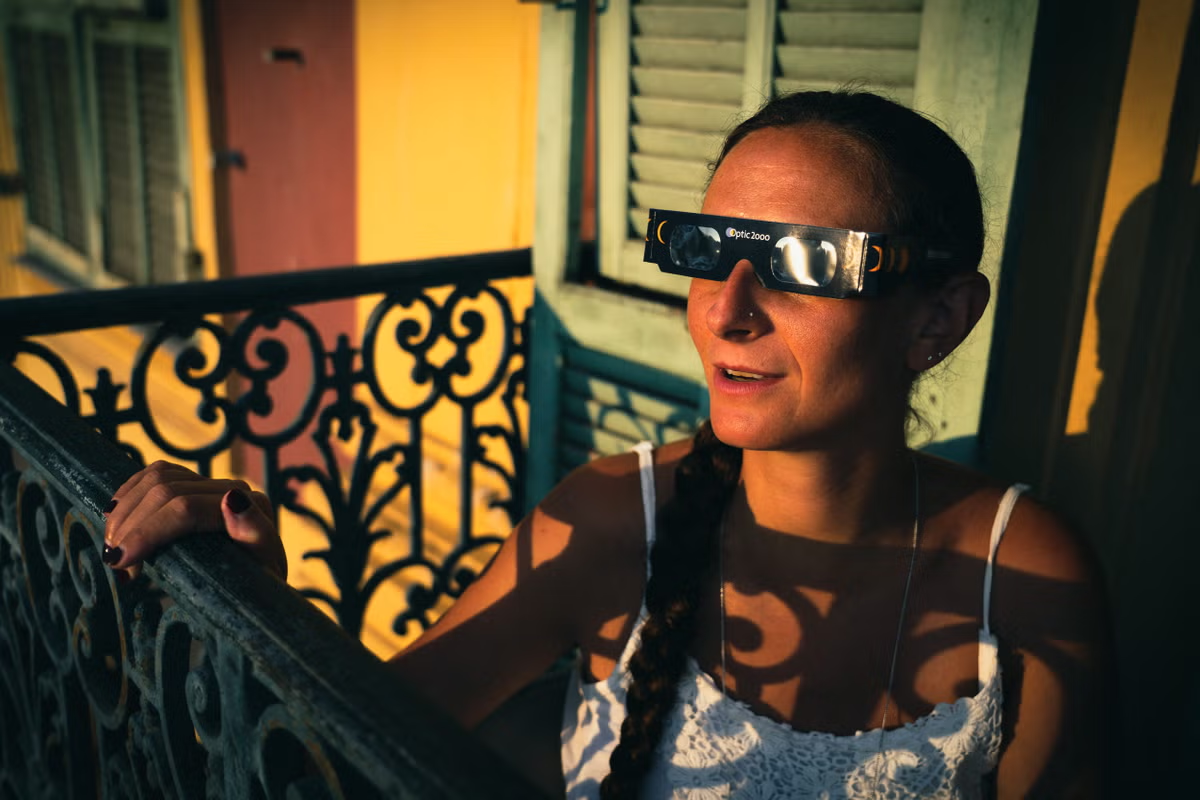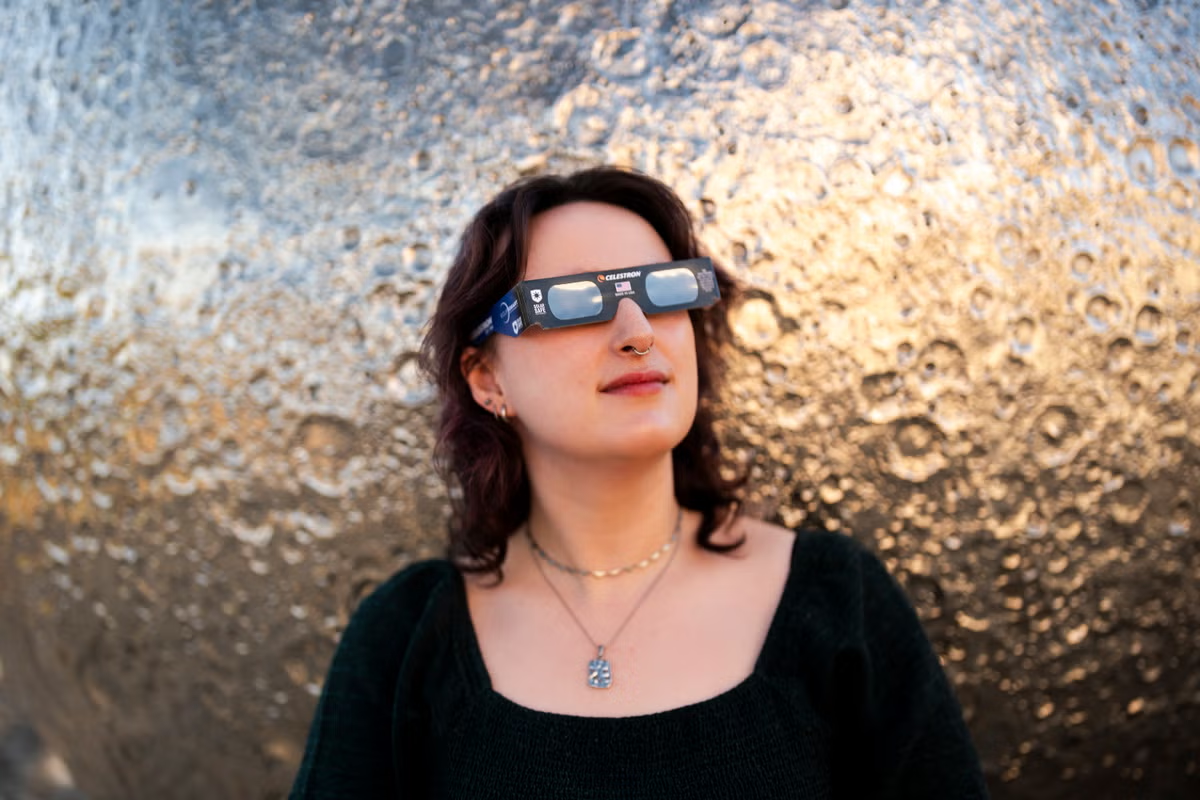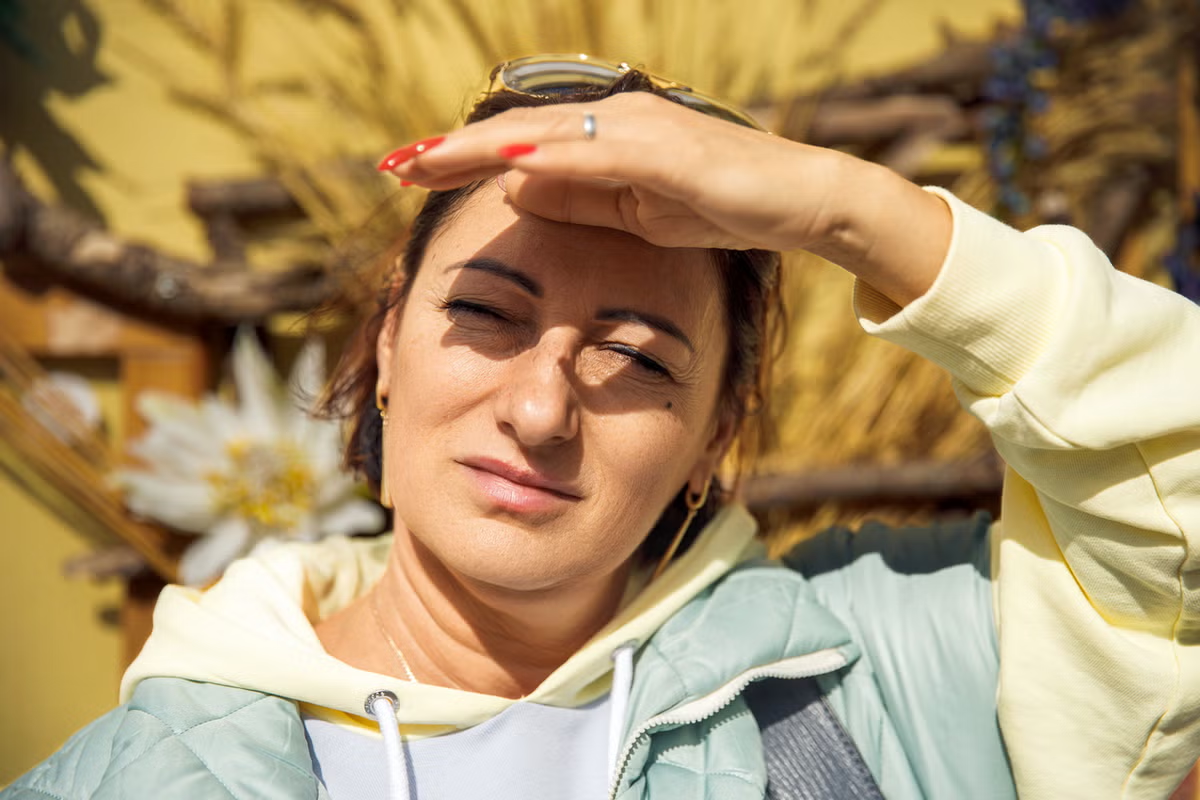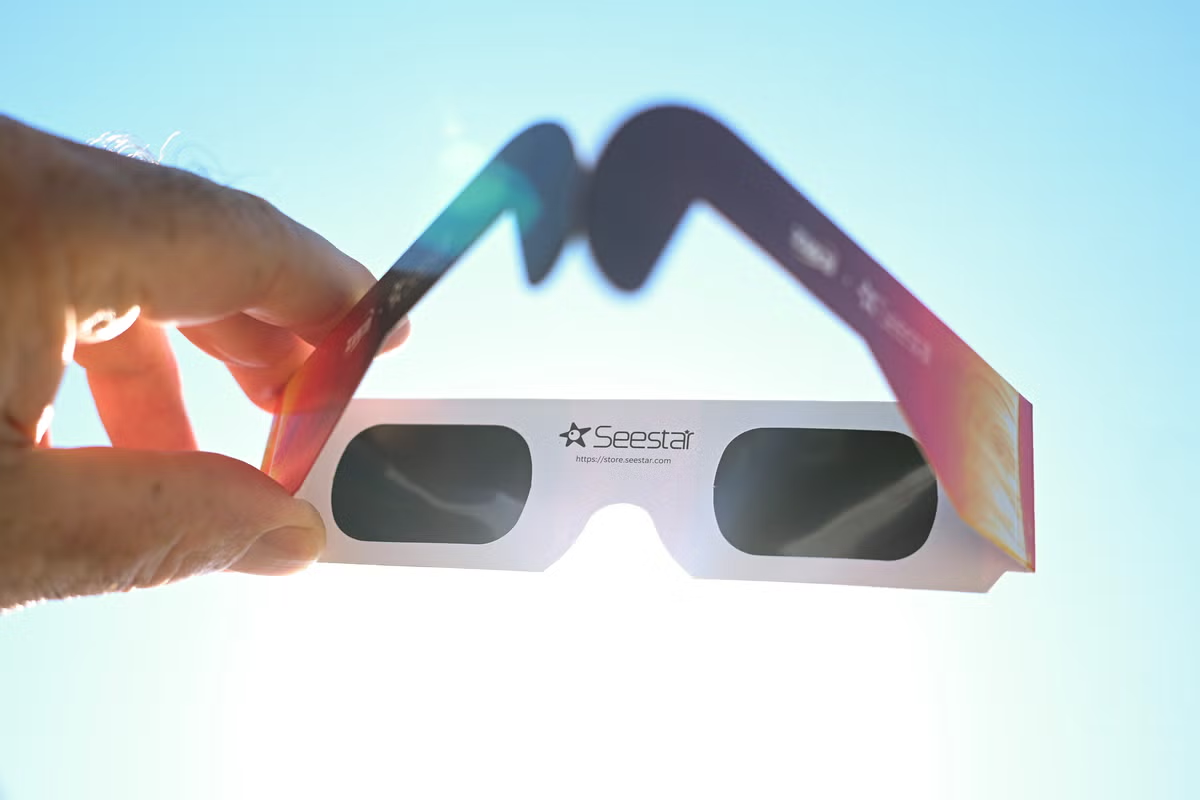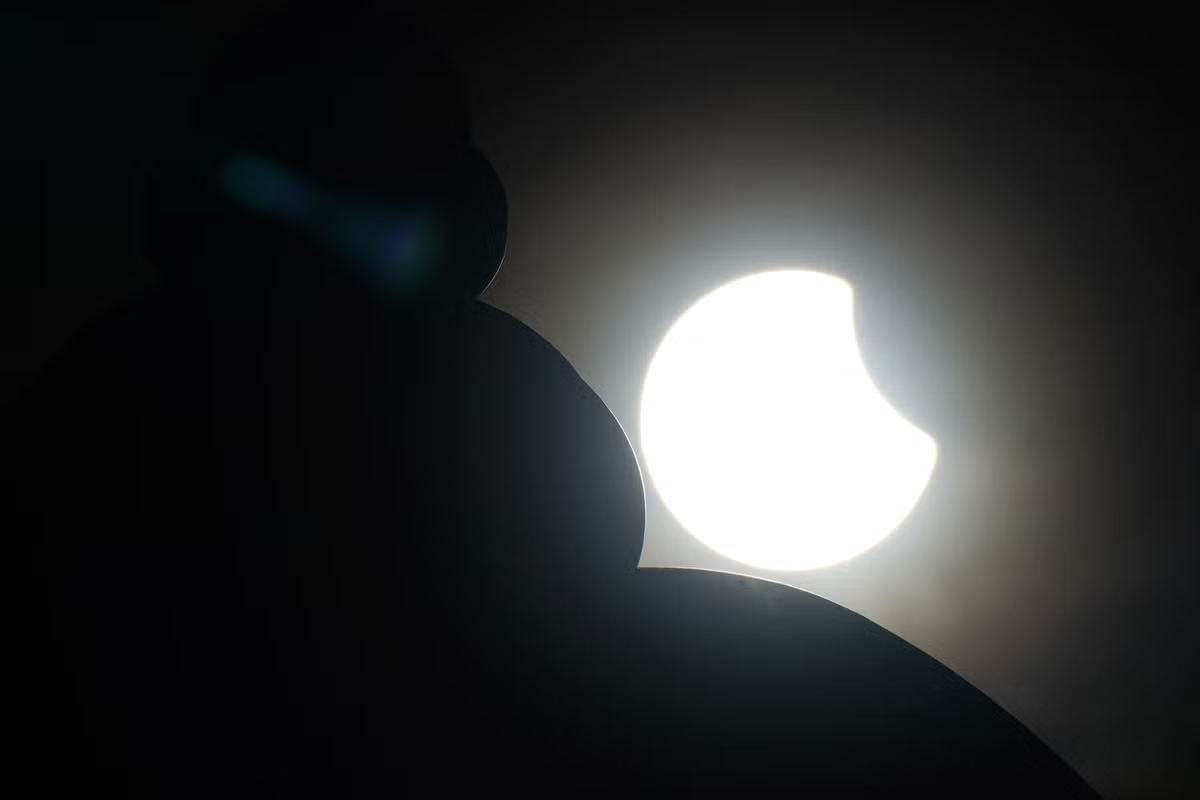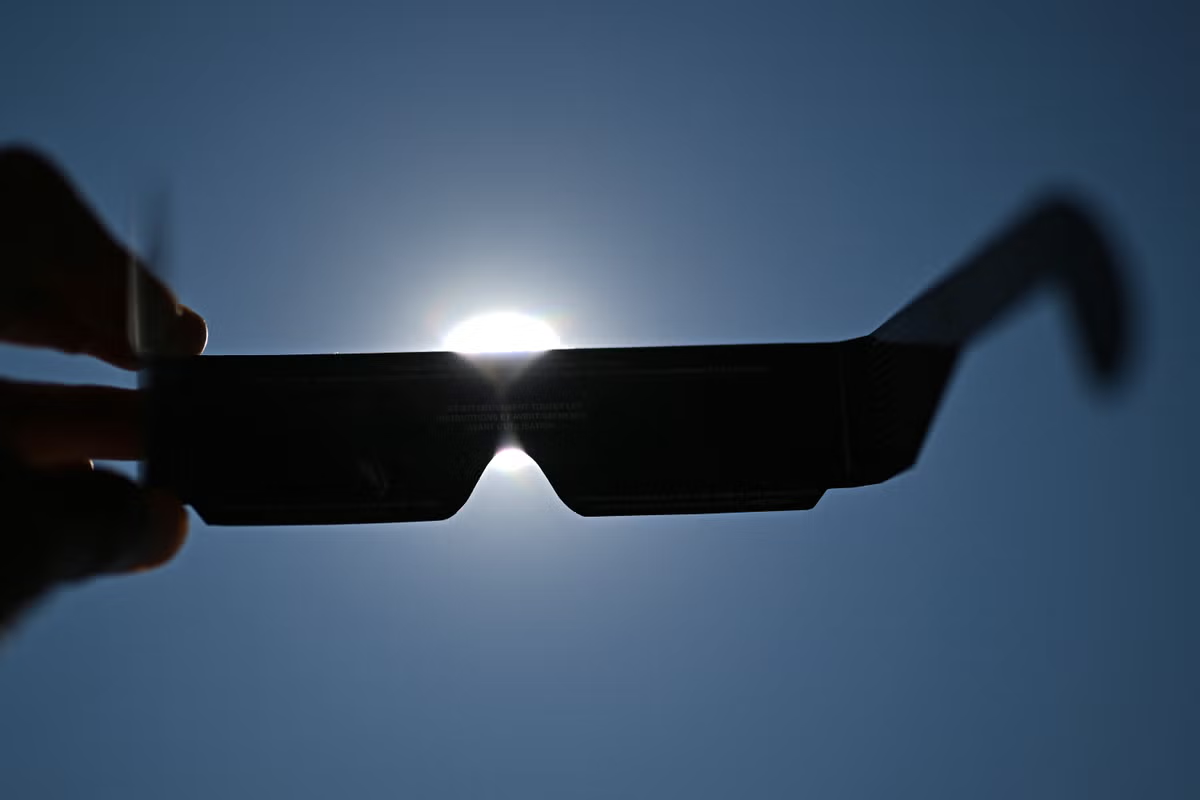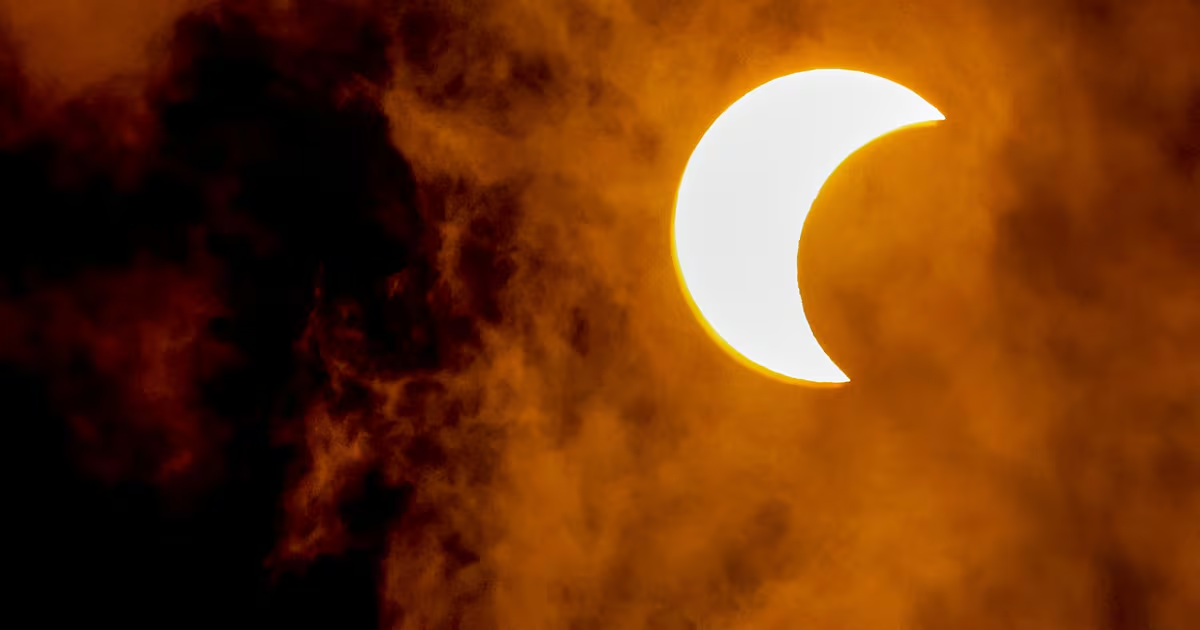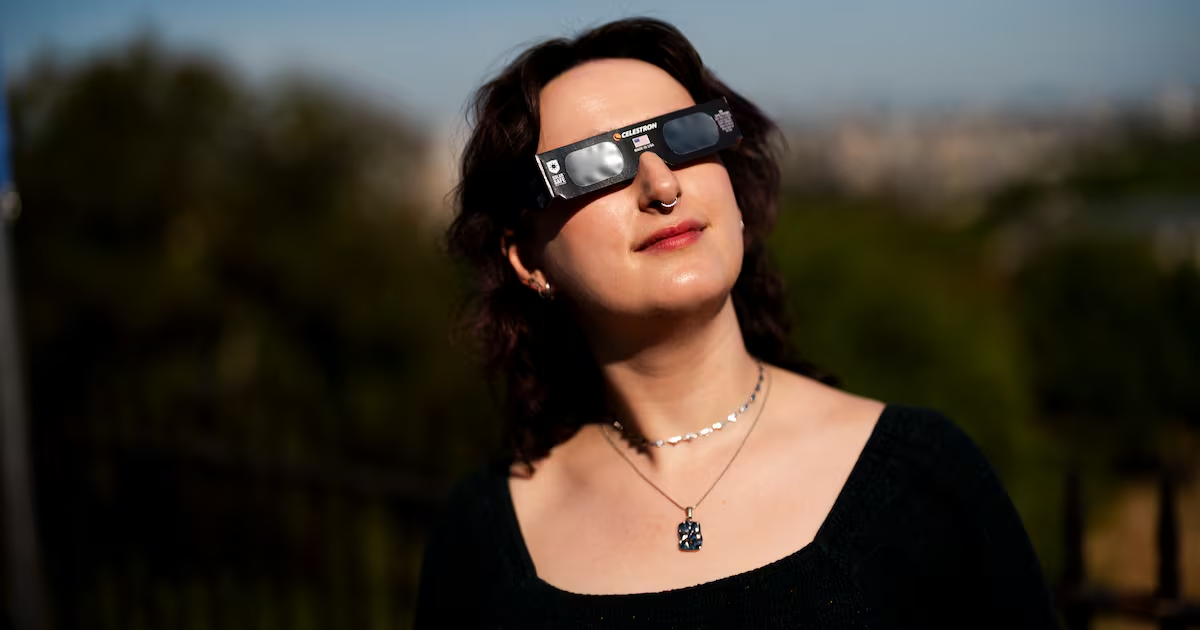
The public have been warned of the “permanent damage” that can be caused by looking directly at the sun, especially during an eclipse. A solar eclipse will take place across western Europe later today and is due to be visible in Ireland from about 6pm until 8pm, peaking between 7pm and 7.45pm.During the eclipse, the sun will be obscured by the moon over Ireland, Iceland, the UK, France, Spain and Portugal. During the eclipse, the moon will appear to take a bite out of the sun, but how much varies by location.Gerry Fahy, consultant ophthalmologist and president of the Irish College of Ophthalmologists, said it was important for people to be aware of the permanent damage that can be caused by looking directly at the sun with the naked eye, especially during an eclipse. “Staring directly at the sun can permanently scar the retina and cause irreversible loss of central vision,” he said. [ Solar eclipse 2026: Rare spectacle to darken Ireland’s skiesOpens in new window ][ Solar eclipse in Ireland: When to watch, where to go and how to protect your eyesOpens in new window ]The college said after a solar eclipse episode, ophthalmologists see patients who present with solar burns to the retina and or macula, which is termed solar retinopathy or solar maculopathy. “Solar burns to the retina are not painful. The loss of vision is not always immediate but if damage is done, it is unfortunately frequently irreversible,” added Fahy. “Eye doctors would like to remind people to take the necessary safety measures which are simple, to protect the eye from solar damage.”The college has advised exercising extreme caution where children are concerned. Children should not be allowed to look directly at the sun at any time, it said. The potential damage is usually more severe because the child’s natural lens is so clear that it lets more ultraviolet (UV) rays reach the back of the eye.[ How to capture the solar eclipse - without frying your phoneOpens in new window ]Dr Mark Cahill, a consultant eye surgeon with a special interest in retinal diseases, said when a person looks at a strong energy source, such as a laser or the sun, they get a lot of heat on the pigment under the retina, just at the centre of the macula. “That heat damages that pigment and then the retina over it can’t work,” he said. “Looking at the sun causes that to happen.“The problem is it’s not painful when you do that. The damage builds up over a number of days and weeks as that energy gets absorbed and causes damage to the pigment and it’s irreversible.”Dr Cahill added that the worst thing a person could do is look directly at the sun wearing sunglasses. “Sunglasses only block about 40 per cent of the light from the sun and they don’t do anything for the invisible light which is the infrared particularly,” he said.“If you had sunglasses on you would probably be able to look at the sun directly for a while but it’s a terrible idea.” The HSE has also advised that looking at the sun can cause serious and permanent eye damage. It has told the public to use certified solar eclipse glasses or a solar viewer and to supervise children at all times. They also said to not use ordinary sunglasses and not to look at the sun through a telescope or binoculars.
Solar eclipse: Doctors warn over increased risk of permanent eye damage
Eye expert warns that sunglasses, telescope and binoculars offer no protection when looking directly at the sun, especially during an eclipse
571 words~3 min read