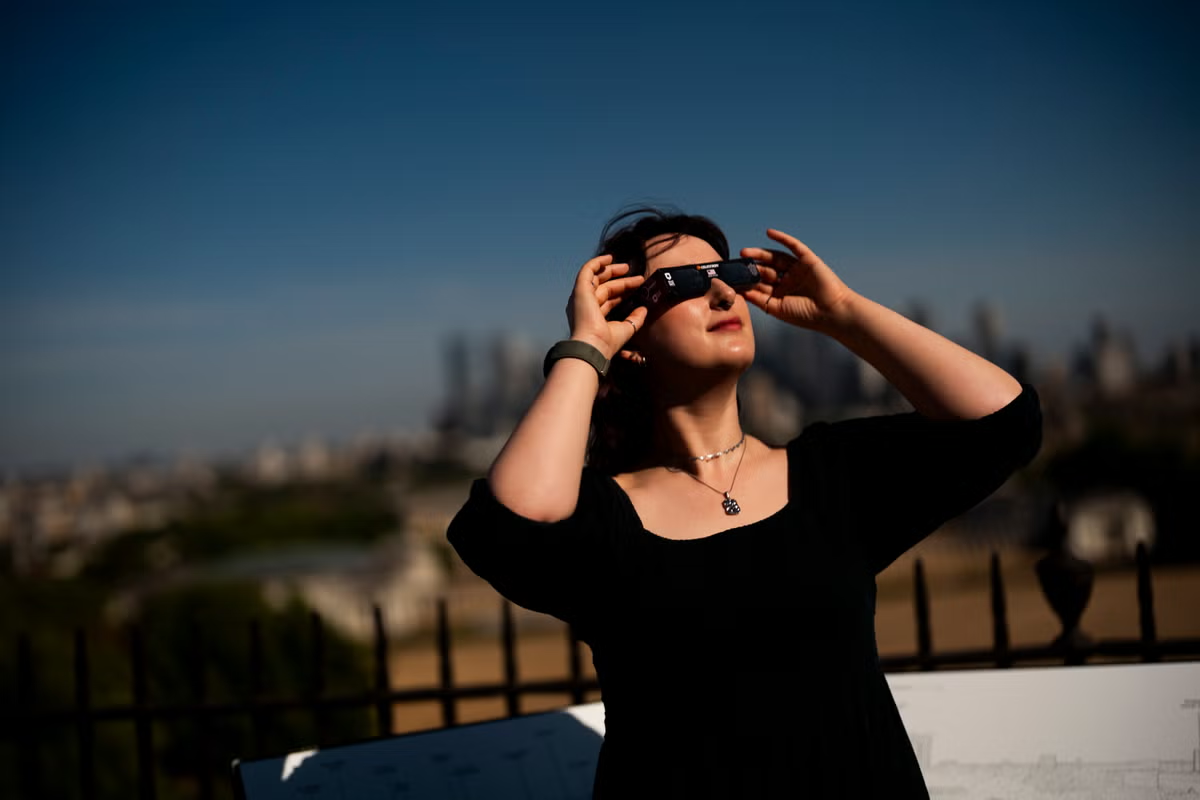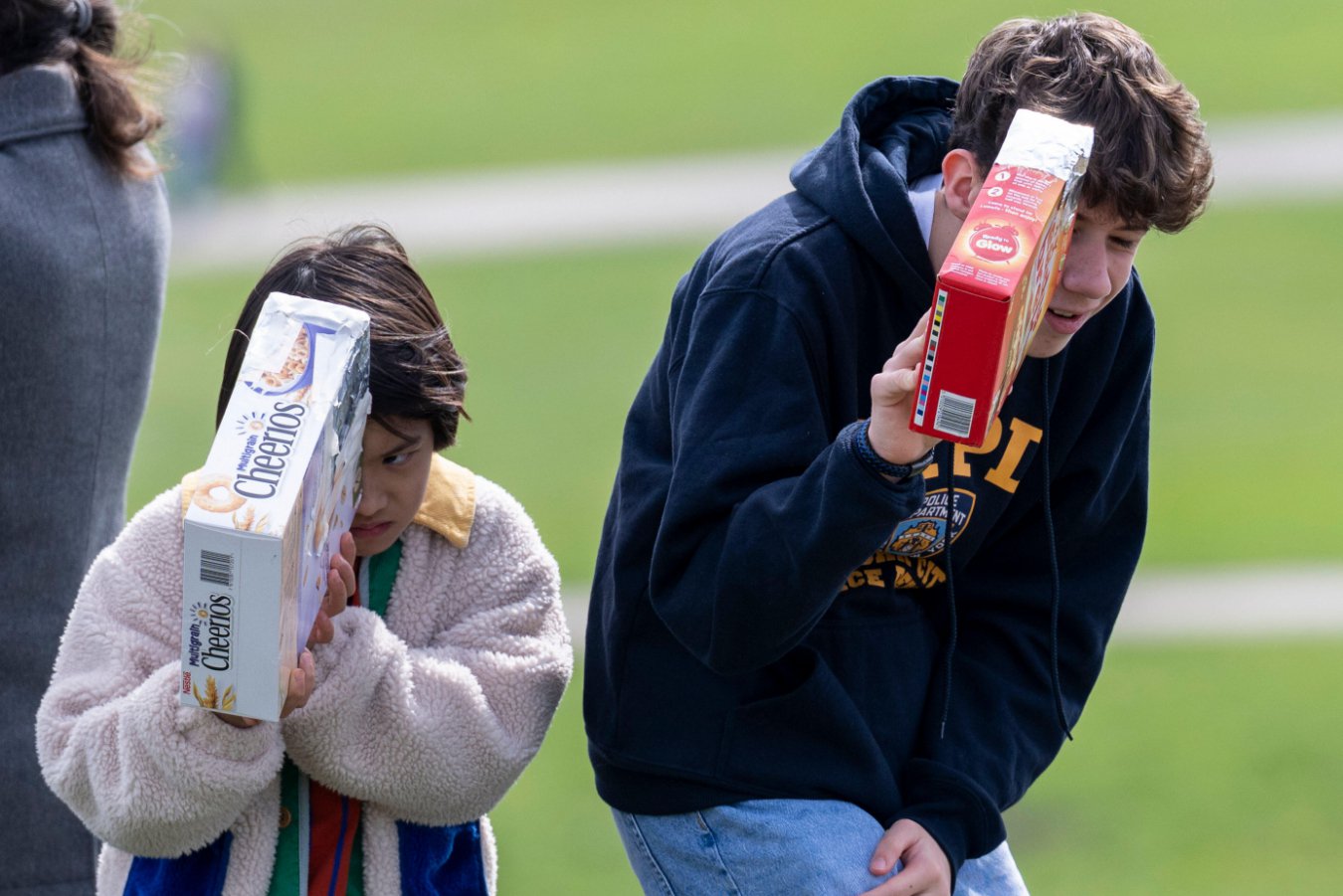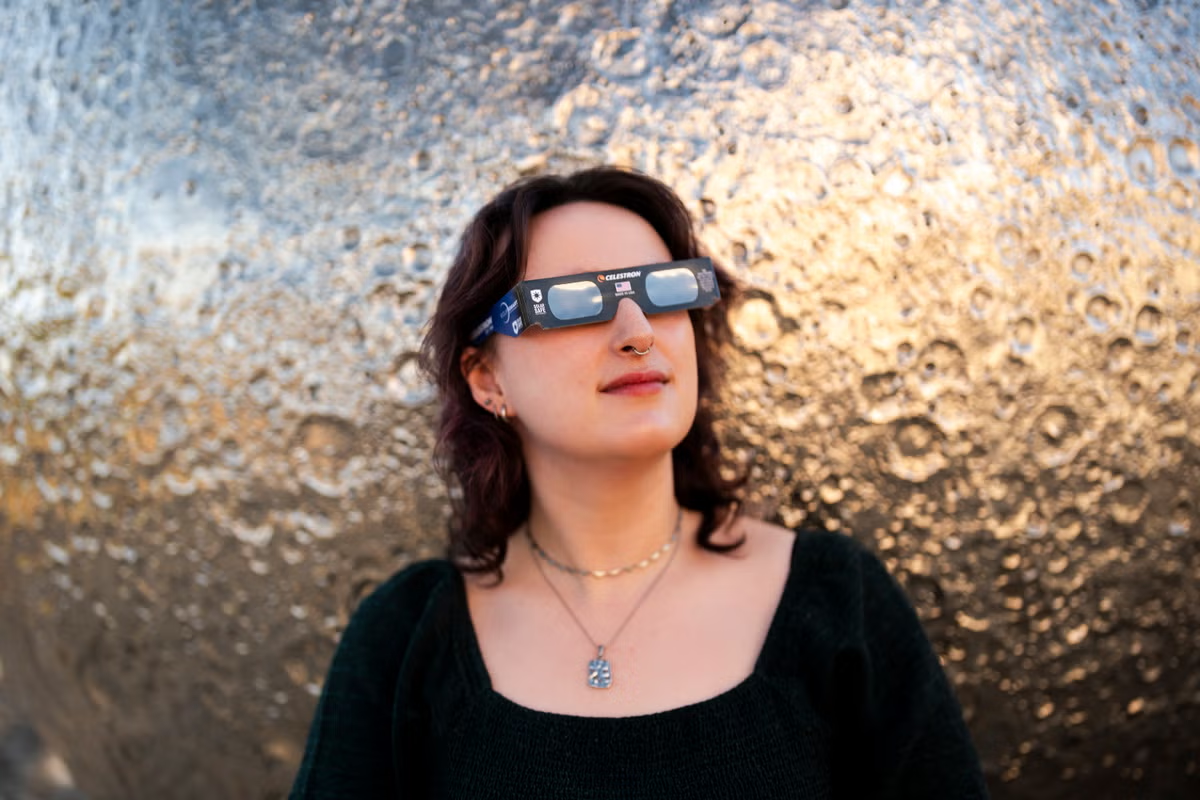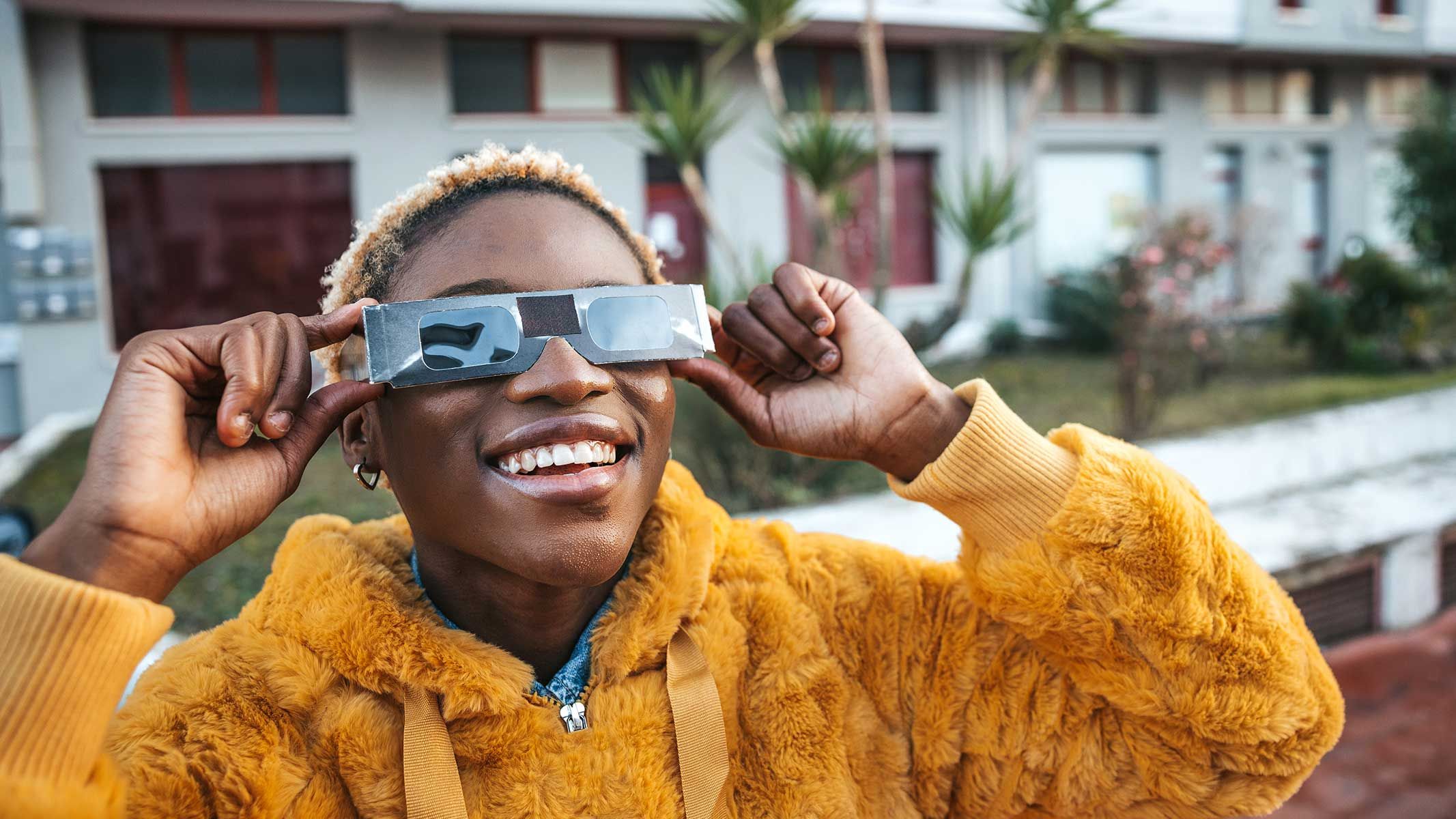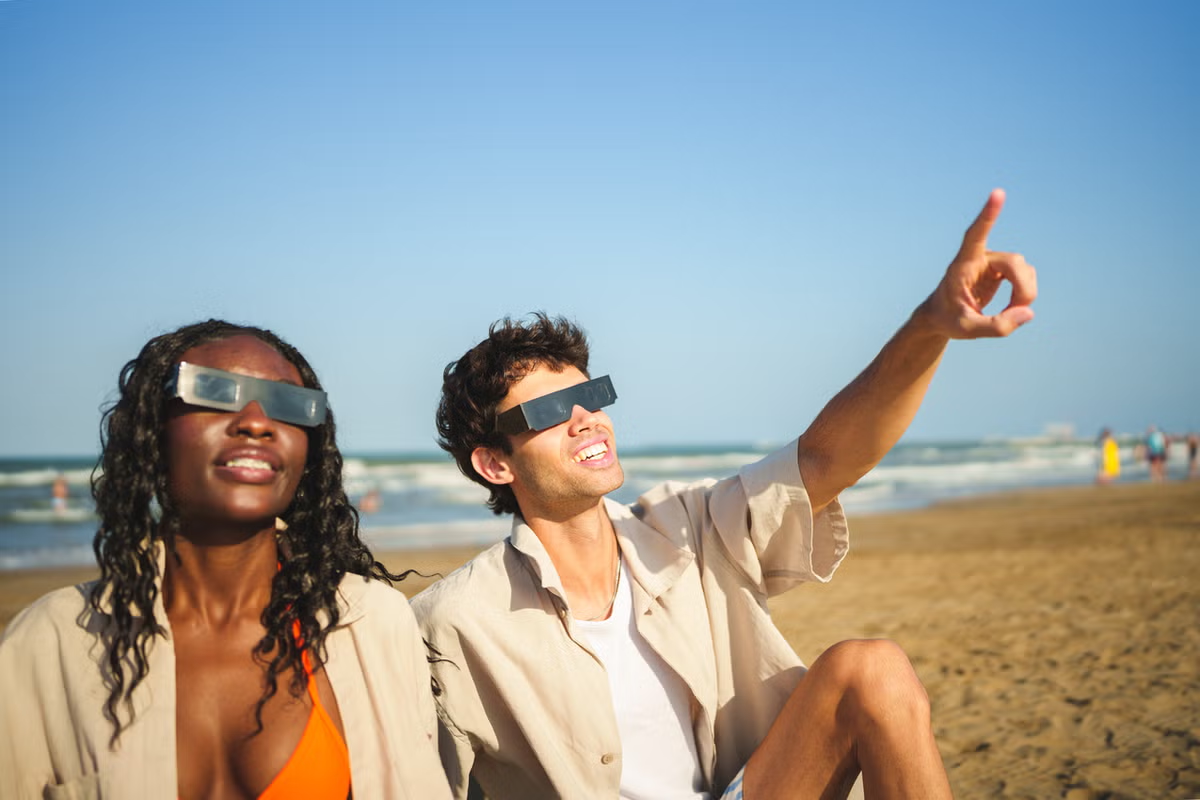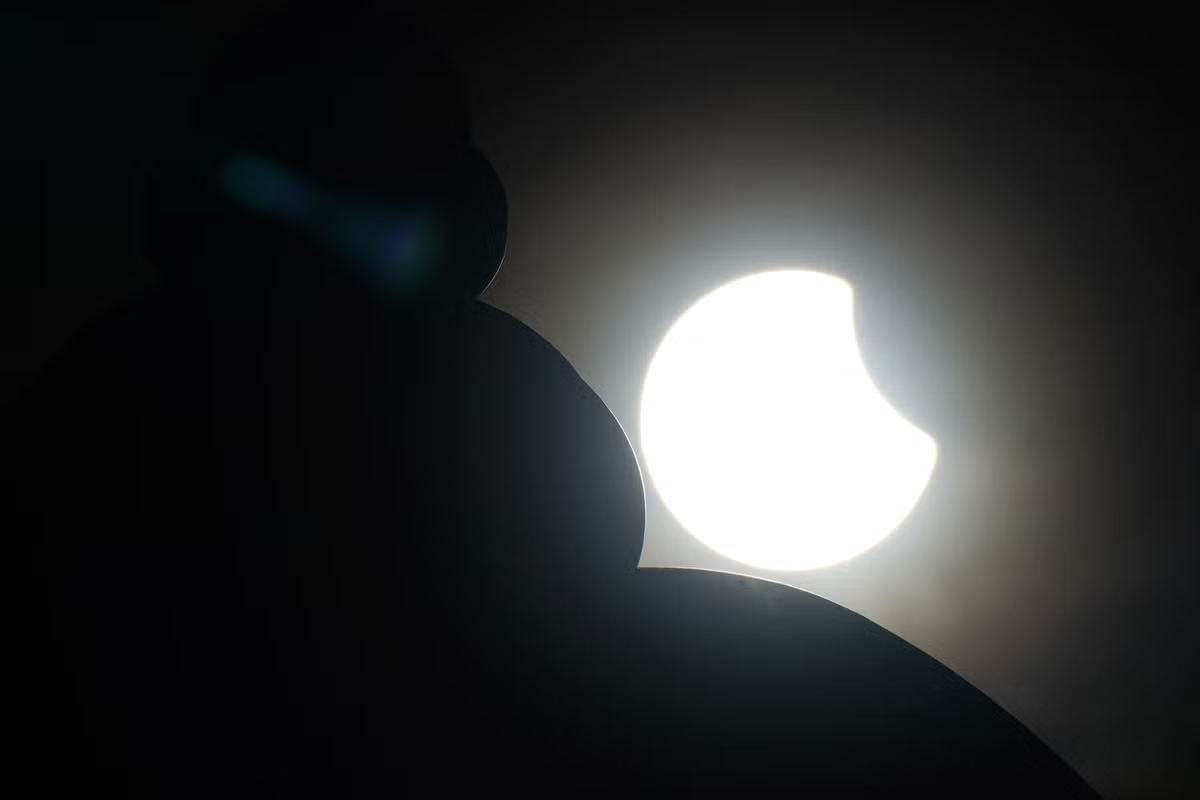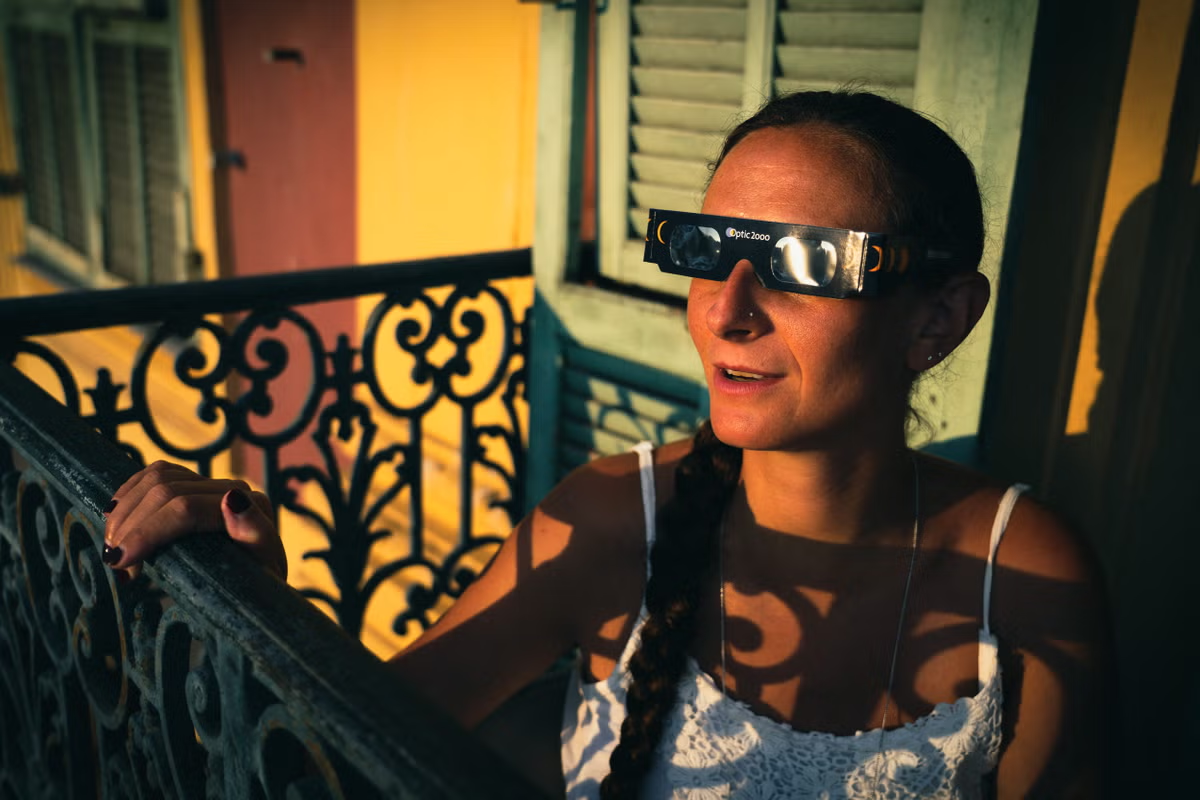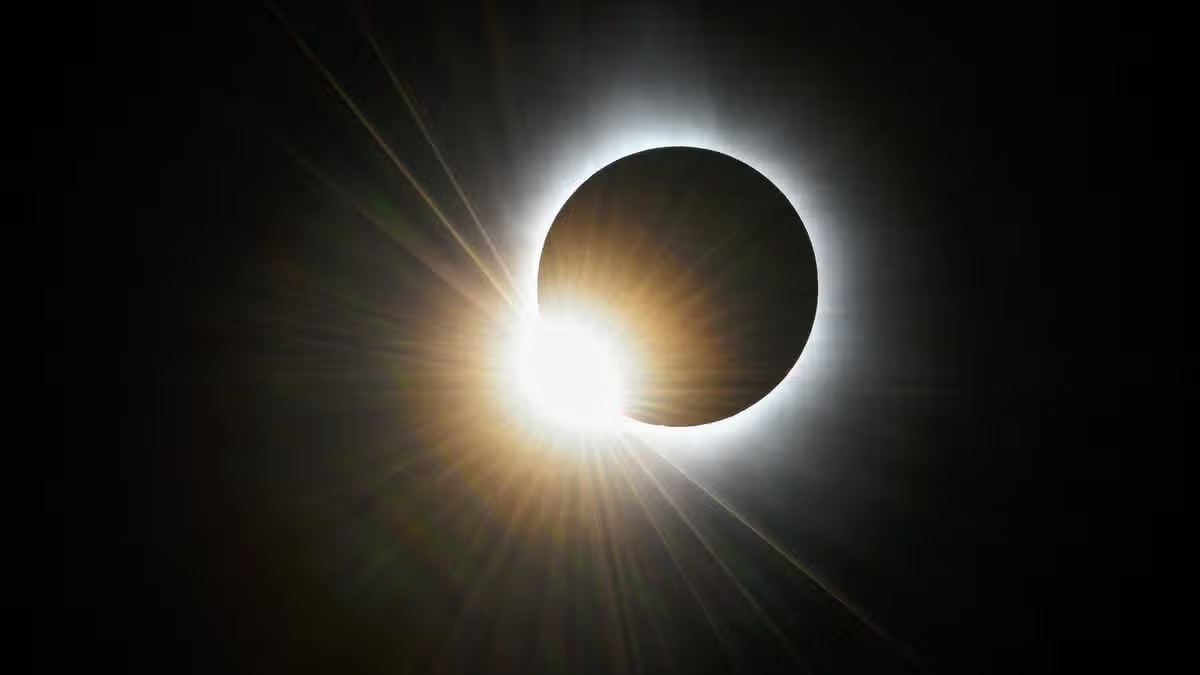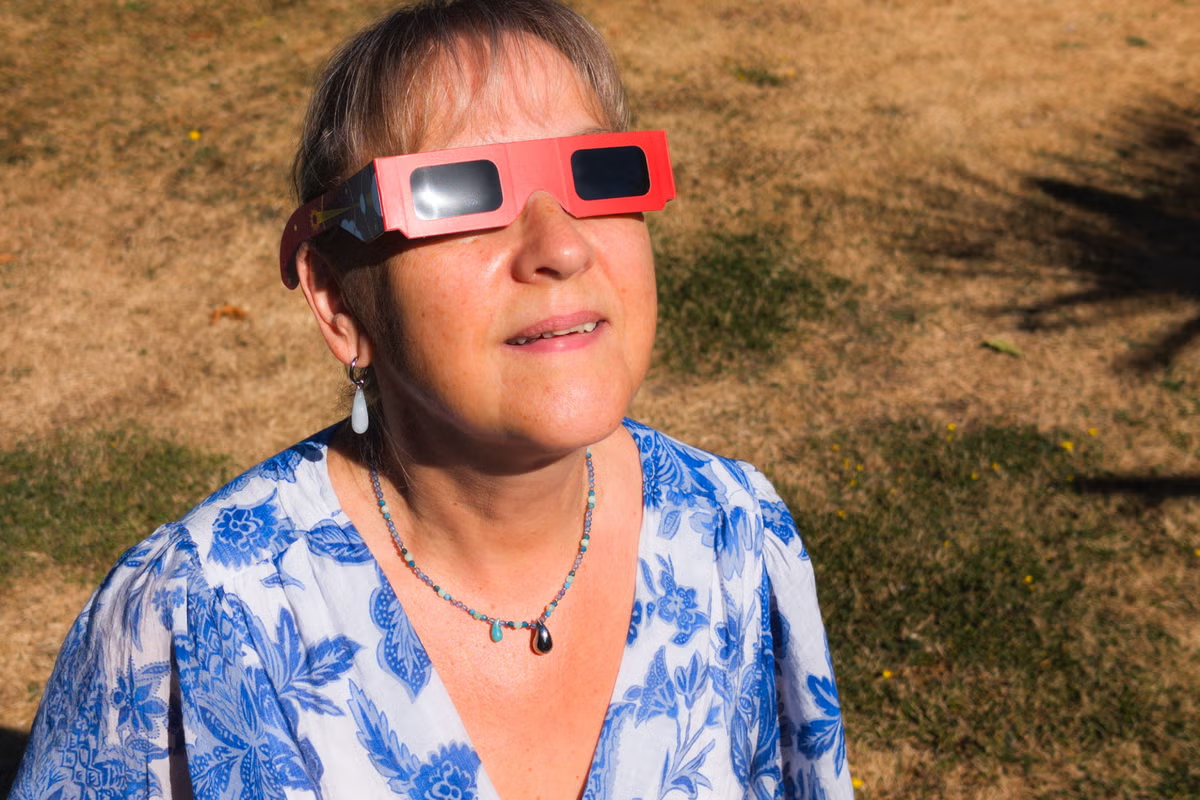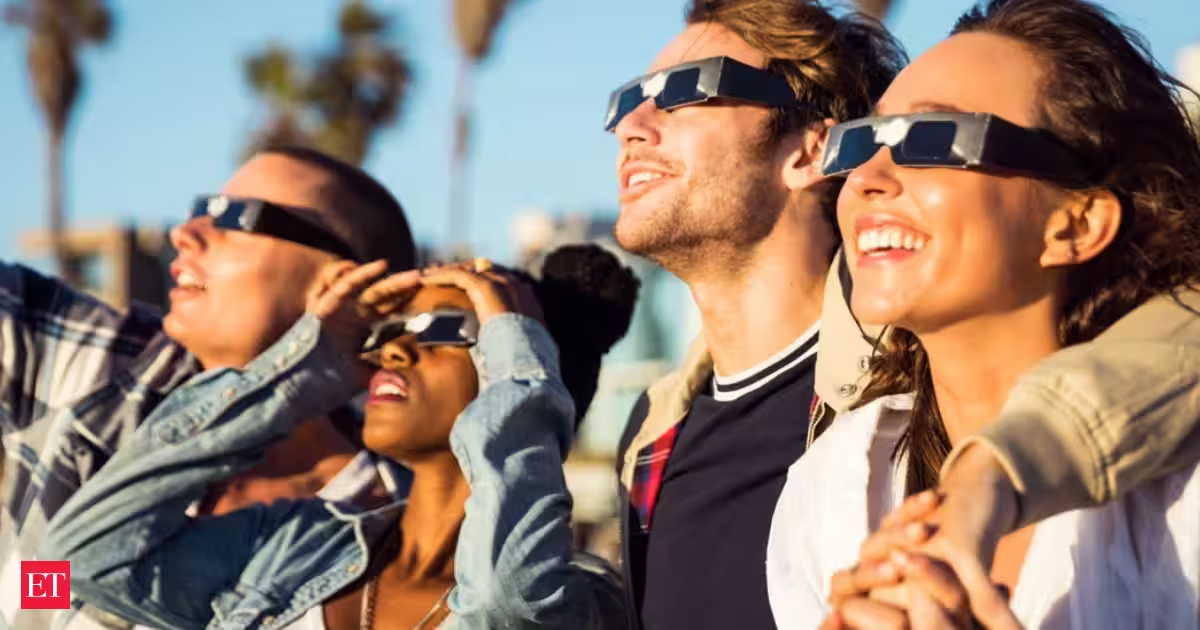
With protective viewing glasses selling out in several regions as people prepare to watch the August 12 solar eclipse, those unable to find certified eyewear can still use alternative methods to observe the event safely. However, except during the brief total phase of a total solar eclipse, it is not safe to look directly at the Sun without specialised eye protection.Viewing any part of the bright Sun through a camera lens, binoculars or a telescope without a special-purpose solar filter secured over the front of the optical device can cause severe eye injury.Also Read: Solar Eclipse Today August 12, 2026 Time: When, where and how to watch in US, Canada, Europe and other placesNo eclipse glasses? Try indirect viewingPeople who do not have eclipse glasses or a handheld solar viewer can use an indirect viewing method, which does not require looking directly at the Sun.One option is a pinhole projector. A small opening, such as a hole punched into an index card, can project an image of the Sun onto a nearby surface. With the Sun behind you, you can safely view the projected image.Do not look at the Sun through the pinhole.A simple eclipse projector can also be made using a cardboard box, white paper, tape, scissors and aluminium foil. Sunlight passes through a pinhole in the aluminium foil taped over an opening in one side of the box and projects an image of the Sun onto white paper placed inside the box.During the partial phases of an eclipse, the projected image will appear as a crescent Sun. The image can be viewed through another opening in the box.The small holes of a colander can also project crescent-shaped images of the partially eclipsed Sun onto the ground.Regular sunglasses cannot protect your eyesFor people watching a partial or annular eclipse directly, safe solar viewing glasses or a handheld solar viewer must be used at all times. Regular sunglasses, regardless of how dark they are, are not safe for viewing the Sun.Safe solar viewers are thousands of times darker than ordinary sunglasses and should comply with the ISO 12312-2 international standard. NASA does not approve or endorse any particular brand of solar viewer.Solar glasses and handheld viewers should be inspected before use. If they are torn, scratched or otherwise damaged, they should be discarded. Children using solar viewers should always be supervised.Do not use eclipse glasses with cameras or binocularsEclipse glasses and handheld solar viewers should not be used while looking at the Sun through a camera, telescope, binoculars or another optical device. The concentrated solar rays can burn through the filter and cause serious eye injury.Cameras, binoculars and telescopes require specialised solar filters. When these optical devices are equipped with proper solar filters, viewers do not need to wear eclipse glasses because the solar filters provide the necessary eye protection.The solar filter must be securely attached to the front of the telescope, binoculars, camera lens or other optical equipment. People should seek expert advice from an astronomer before using a solar filter with such devices.What to do during totalityTotal solar eclipses have a brief period known as totality, when the Moon completely obscures the Sun's bright face. This is the only stage of a total solar eclipse when it is safe to look directly at the eclipse without proper eye protection.Viewers should wear eclipse glasses or use a handheld solar viewer during the partial phase before totality.Once the Moon completely covers the Sun's bright face, viewers can look directly at the eclipse without protective eyewear. A viewer will know totality has begun when no part of the bright Sun is visible through the eclipse glasses or solar viewer.The moment even a small portion of the bright Sun reappears after totality, viewers must immediately put their eclipse glasses back on or resume using a handheld solar viewer.For partial or annular solar eclipses, there is no period of totality because the Moon never completely blocks the Sun's bright face. Therefore, it is never safe to look directly at the Sun during these eclipses without proper eye protection.Protect your skin while watchingEven during a partial or annular eclipse, or during the partial phases of a total solar eclipse, the Sun remains extremely bright. People watching an eclipse may spend several hours outdoors in direct sunlight.Viewers should therefore use sunscreen, wear a hat and use protective clothing to help prevent skin damage.
No solar eclipse glasses? Check 3 safe ways and things you shouldn't use to watch, how to protect your eyes and skin
As protective eclipse glasses fly off the shelves, people are seeking alternative ways to experience the beauty of the Sun. Pinhole projectors present a clever and safe option for observing solar events. It's vital to keep in mind that standard sunglasses don't provide adequate protection for direct solar observation. Additionally, specialized filters are necessary for photography and telescopes. Safeguard your skin from harmful UV rays during your viewing adventure.
728 words~3 min read