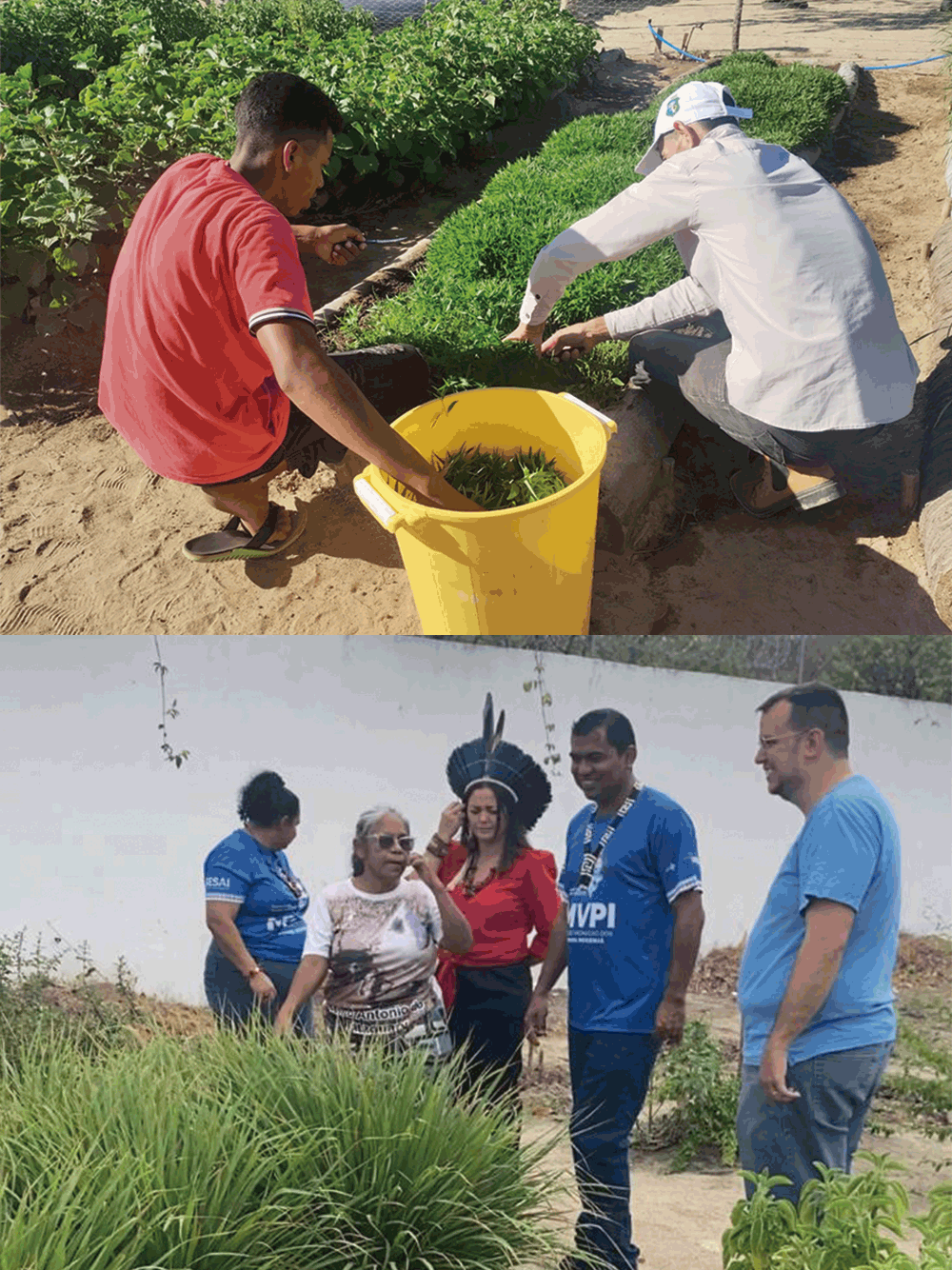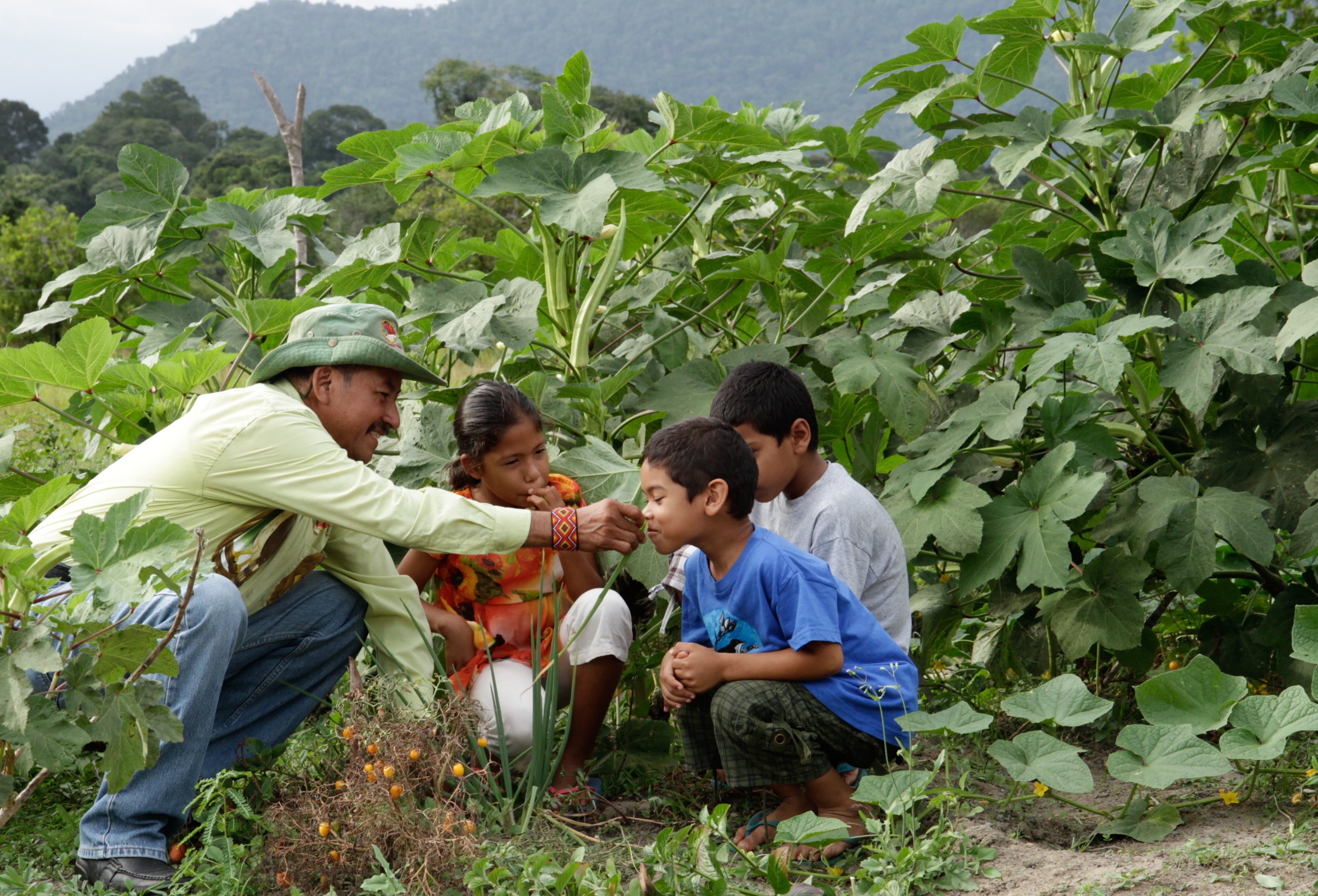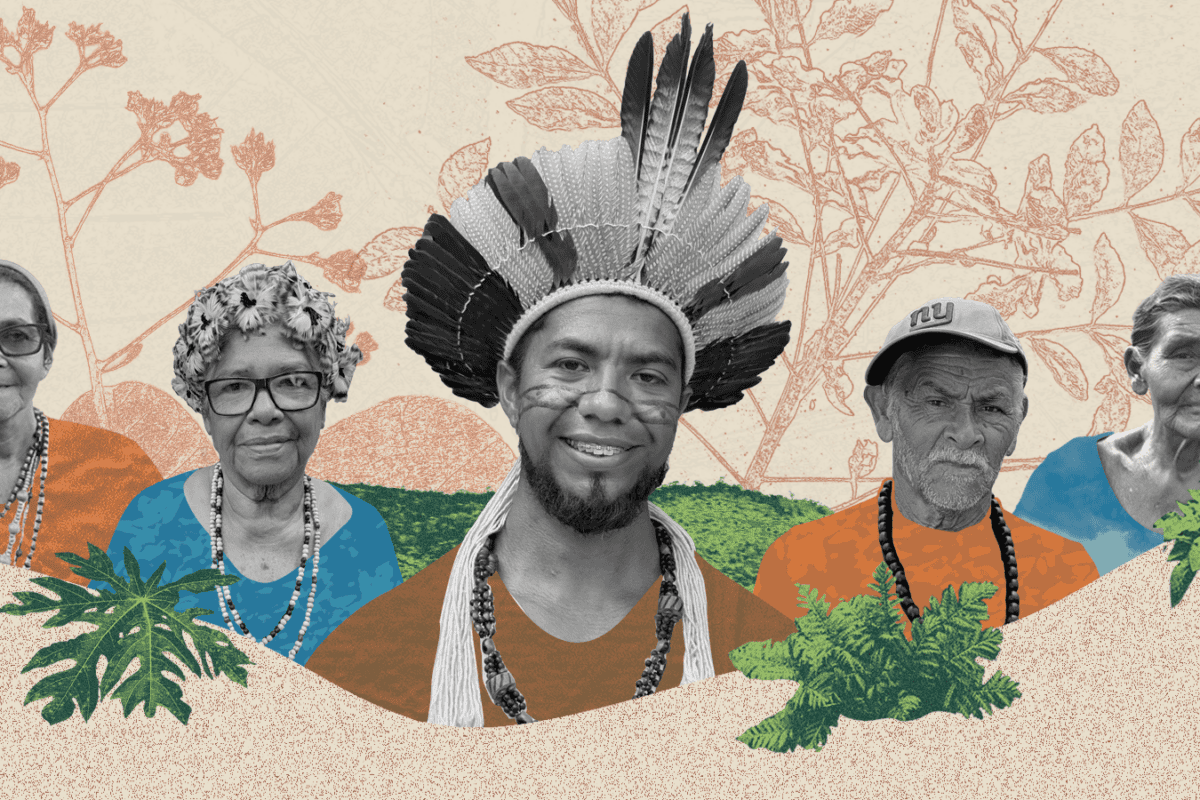
In an unprecedented participatory ethnobotany approach, Hemerson Dantas dos Santos Pataxó HãHãHãi, the world’s first published Indigenous ethnobotanist, documented alongside his people their traditional medicinal practices: cataloging 175 medicinal plants, many of which had their use reaffirmed in scientific literature.Mongabay visited Hemerson and spoke with several Indigenous elders who survived violent land conflicts about their medicinal knowledge and their efforts to protect it in the Caramuru/Paraguassu Indigenous Territory, a land illegally occupied by cattle farmers for decades in Brazil’s Bahia state.Samples of plants collected by Hemerson are being kept at an internationally registered herbarium, and he’s finalizing a book in the hope of keeping the knowledge of the species and ancestral healing practices alive for his people’s future generations.The work carried out with his people was essential to make “immortal” the knowledge of the elders, Hemerson said, describing them as “living libraries” and “Guardians of Memories.”
CARAMURU/PARAGUASSU INDIGENOUS TERRITORY, Brazil — Looking at the landscape of dry and cleared mountains around her house, Marta Xavier de Oliveira remembered when it was a forest.