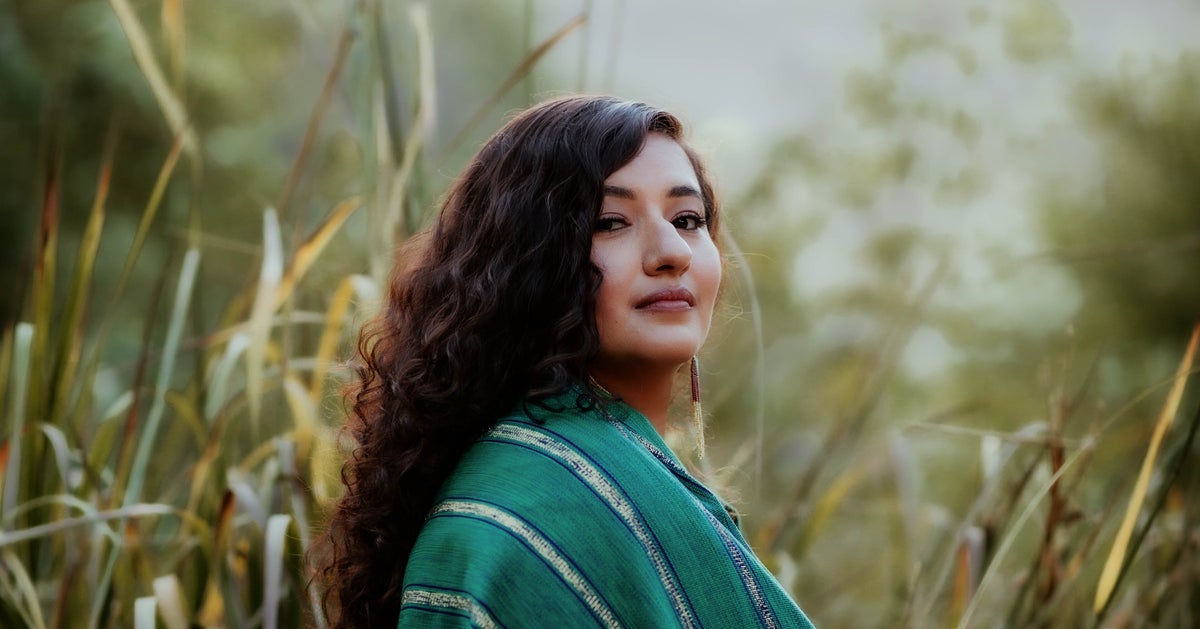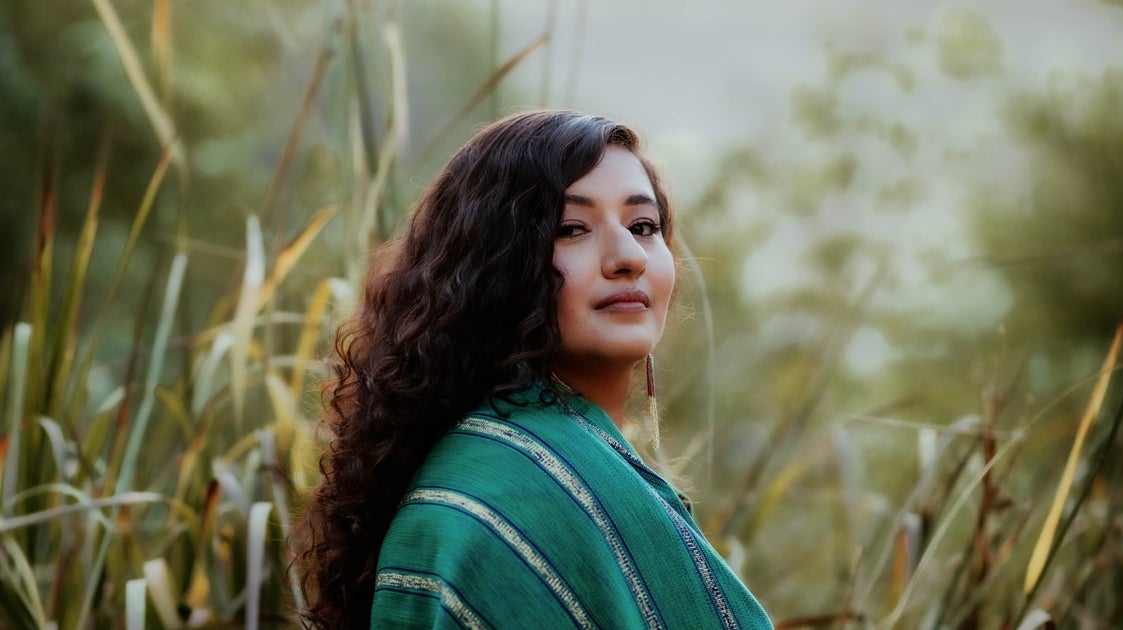
Berenice Dimas first learned to make herbal medicine from her mother as a child. “When we had coughs, she used to grab the oregano from our garden and boil about two tablespoons of it in a pot with half a can of Coke,” Dimas, an herbalist and former school teacher in San Diego, recalls. She didn’t realize then that her mother was essentially hacking a medicinal syrup recipe with what was on hand.
Years later, while studying herbalism at an ancestral apothecary in the Bay Area, Dimas asked her mother why they used soda instead of water to carry the herbs.
“In Mexico, where we’re from, water is more expensive than Coke,” her mother explained. “And so we got really creative with Coke because we had to save the water for things like drinking and cooking that we couldn’t use.”
The recipe was born from care shaped by constraint, care that depends on knowing the plants, the land and the people you serve. For Dimas and the other herbalists I spoke with, the heart of herbalism is relationship, not transaction.
The ways settler culture has recruited herbalism for capitalism in the U.S. are both subtle and insidious. For example, Dimas rejects the idea that herbalism is a “tool.”