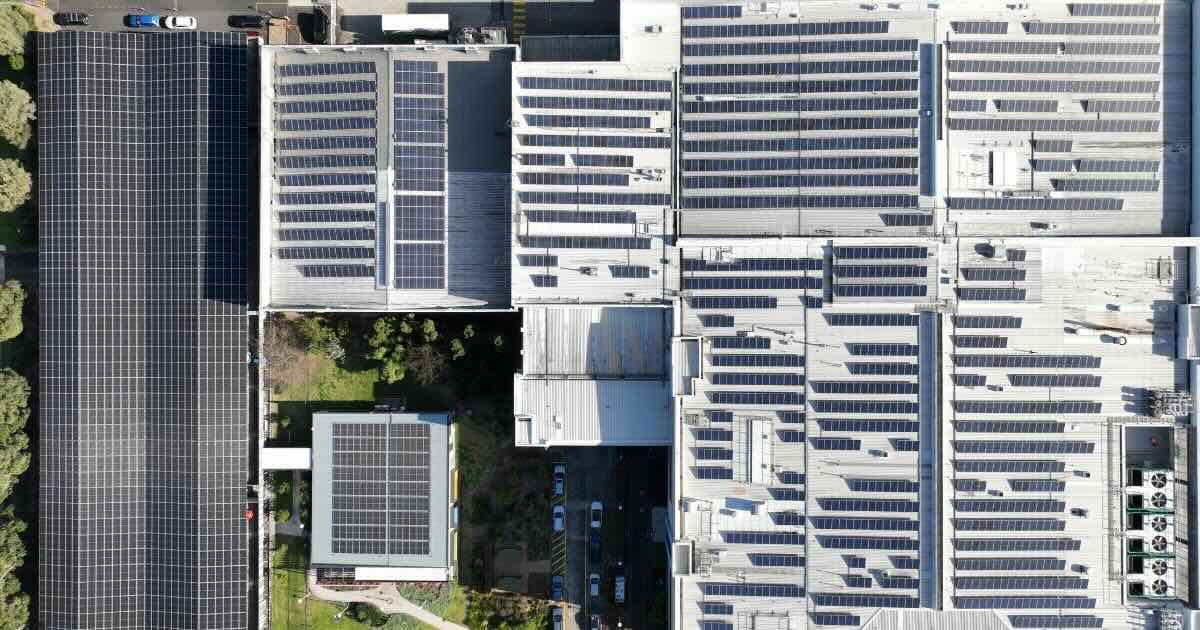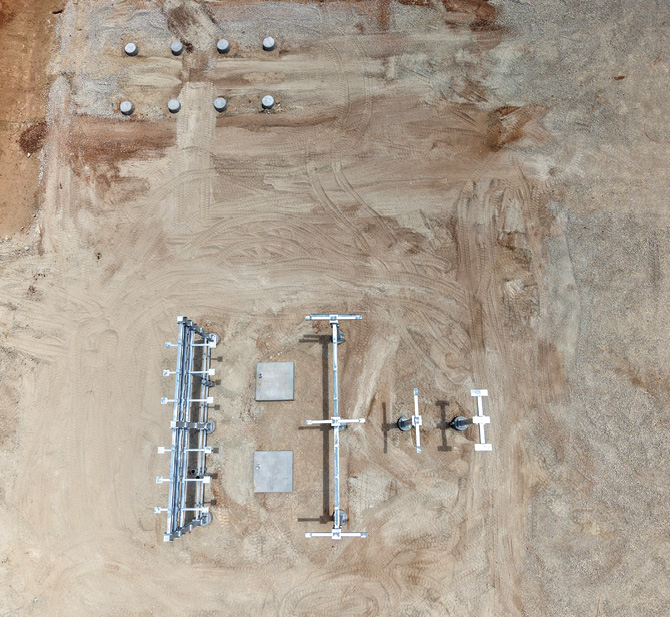
During the development of a recent utility-scale project in Texas’ ERCOT grid interconnection zone, Levona Renewables CEO Fernando Queiroz found his team spending more time evaluating transmission infrastructure, interconnection requirements, equipment availability, and utility procurement processes than discussing solar modules – a striking realization affecting project developers in the United States and beyond.
For years, the solar industry focused on lowering module costs, improving tracker technology, increasing inverter efficiency, and optimizing project financing. Those efforts transformed solar from a niche technology into one of the most competitive forms of new electricity generation in the world.
Today, however, some of the most important variables affecting project schedules and economics have little to do with solar equipment itself. Transmission infrastructure, utility interconnection requirements, substation design, right-of-way complexity, and the availability of critical high-voltage equipment are becoming central to the future of energy development.
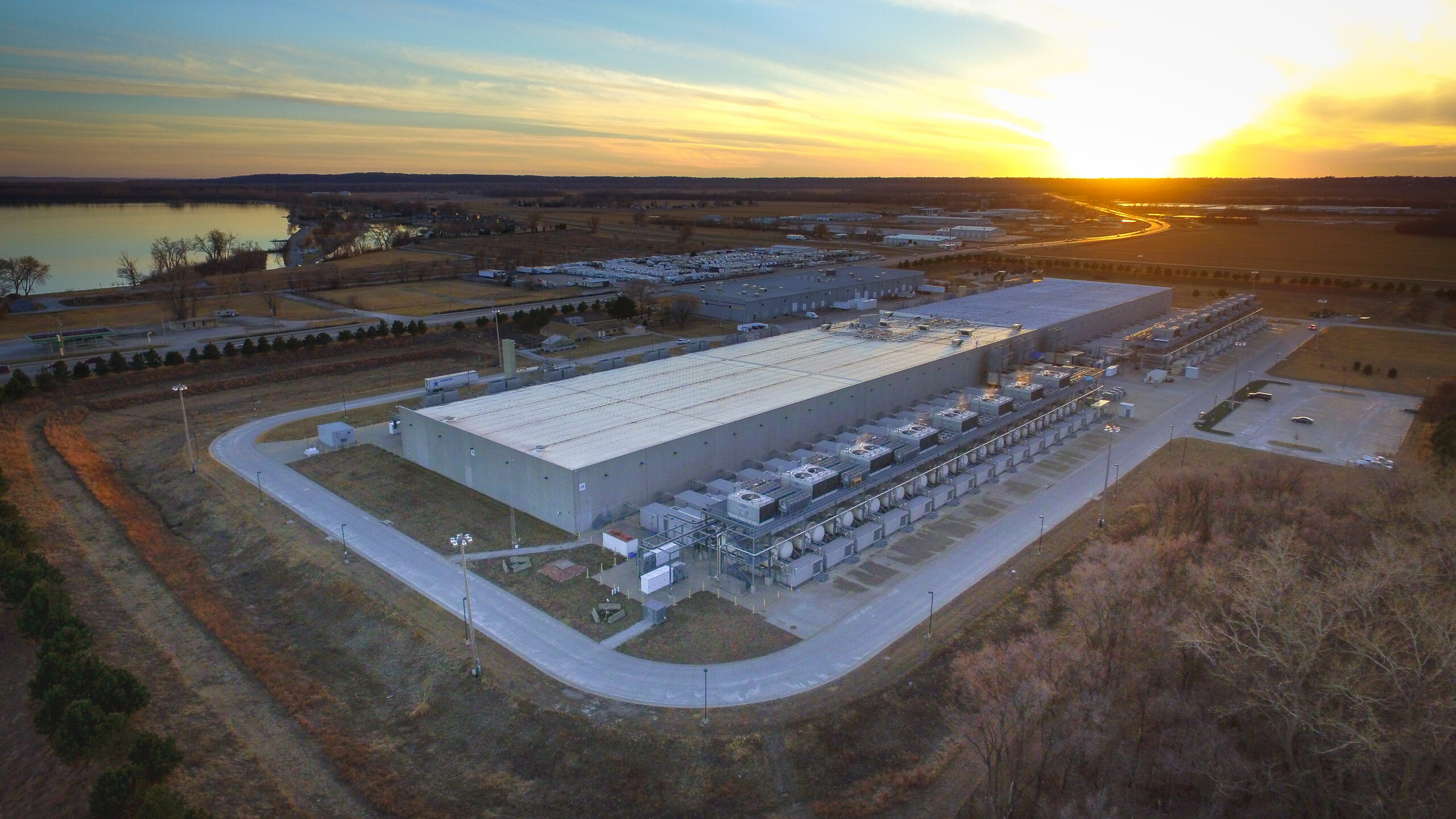
Texas provides one of the clearest examples of this challenge. Driven by data centers, artificial intelligence, advanced manufacturing, semiconductor production, and electrification, the state is experiencing unprecedented interest from both energy developers and large-load customers. What was once primarily a discussion about generation has increasingly become a discussion about infrastructure.